REVIEW · TOKYO
Tokyo Sumo Morning Practice: Viewing & Exclusive Interaction
Book on Viator →Operated by Escape Tokyo for Serenity:Private Onsen, Nature, Local Cuisine · Bookable on Viator
Sumo practice feels different when it’s this close. This Tokyo morning session in Sumida puts you near the action, explains the rituals, and then gives you real time to ask questions and take photos with the wrestlers. You’ll learn what makes training and traditions click, not just what happens on tournament days, morning practice style.
Two things I really like: the up-close viewing (you’re meters from the ring area) and the chance for Q&A and photo time right after practice. The format also leaves room to continue exploring Tokyo afterward, and there’s an optional Japanese brunch if you want to keep the morning going.
One key consideration: access to the ring is limited by tradition. In practice, it can mean that not everyone is able to push or step in the ring, even if you’re part of the group.
In This Review
- Key highlights
- Sumida meeting point: how the morning starts right
- Orientation and sumo context: why the guide matters before practice
- Morning practice viewing: seeing raw power meters away
- The Q&A and photo session: talking to the humans, not the legend
- Closing at Narihira Park: banzuke souvenir and final questions
- Optional Japanese brunch: how to stretch the morning
- Price and value: what you’re really paying for at $95.77
- Timing, group size, and how to plan your Tokyo day
- Is this the right sumo experience for you?
- Should you book this Tokyo sumo morning practice tour?
- FAQ
- Where is the meeting point?
- How long does the tour last?
- Is the guide available in English?
- What happens during the tour?
- Is the banzuke souvenir included?
- Can I attend brunch after the practice?
- How large is the group?
- Do I get a ticket on my phone?
- What if I need to cancel?
Key highlights
- Morning practice viewing with a close, real-training feel
- Expert English-speaking guide with pre-reading-style prep in some cases
- Exclusive Q&A + photos with the wrestlers afterward
- Official banzuke souvenir set in a special folder
- Optional Japanese brunch if you want an extra meal after training
- Small-group experience with a max of 45 people
Sumida meeting point: how the morning starts right
This tour is built around an early start, with the action based in Sumida. You meet at Narihira Park, specifically 2-chōme-3-番 Narihira, Sumida City, Tokyo 130-0002, and the guide meets you near the multipurpose restroom. That park detail matters. In Japan, a “close by” meeting point can still cost time if you’re walking with coffee and no clear landmark.
The morning begins with a short orientation before you head to the stable area. You get an insider briefing on what you’re about to see, plus context on sumo rituals and training culture. Some guides in these experiences also reach out before the day with instructions and pre-reading material, which is a nice way to get your bearings fast once you arrive.
Practical note: the experience is short enough that you don’t want to be running late. Reviews also hint that confirming the exact location is important, because ticket wording can sometimes point to the wrong spot. Use the meeting-point address and the park landmark to protect your schedule.
A few more Tokyo tours and experiences worth a look
Orientation and sumo context: why the guide matters before practice
Watching sumo training without context is like listening to music without knowing the instruments. It can still be cool, but you’ll miss why certain drills happen, what the rituals signal, and how respect shows up in small movements.
That’s why this tour’s pre-practice briefing is a real value add. You’ll learn the “why” behind the routine—rituals, history in plain terms, and what proper behavior looks like in a stable setting. You also get a translated bridge for the Q&A later, so you’re not stuck forming questions like a tourist trying to catch a wave.
A detail worth noting from guide feedback: some guides (Sarah and Taka come up in the provided accounts) are praised for making the rules and expectations clear, and for sharing what the wrestlers’ training actually looks like from the inside.
Morning practice viewing: seeing raw power meters away
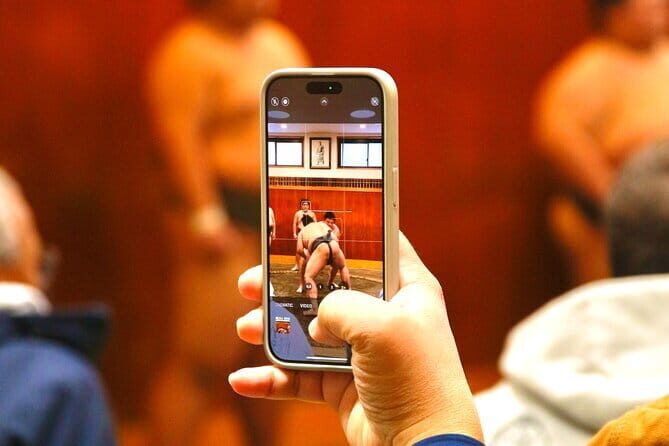
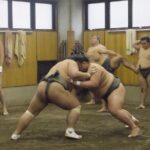
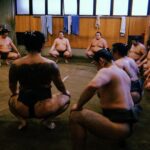
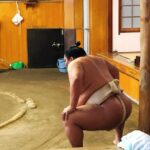
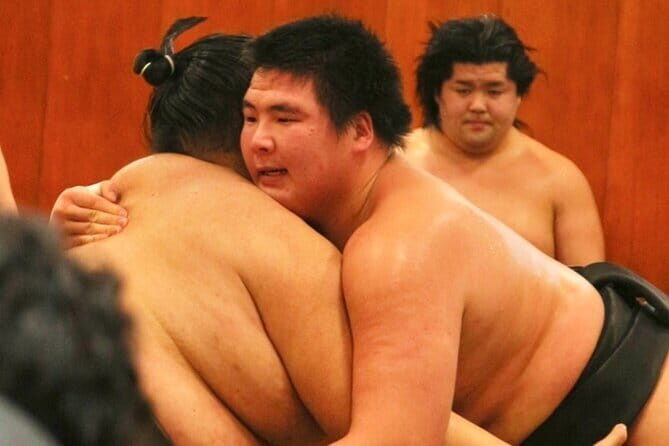
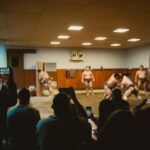
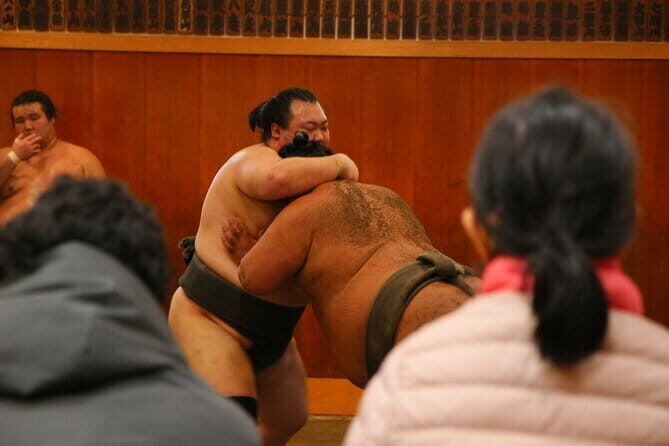
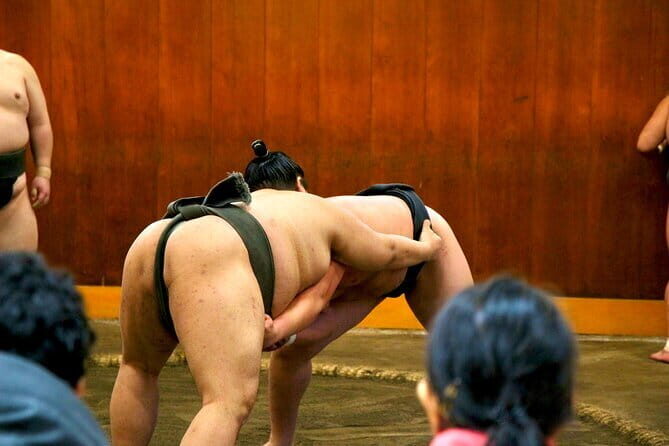
The core of the experience is the morning practice viewing. You’re in the viewing area long enough to notice patterns: warm-ups, drills, and practice bouts that feel like training—not staged entertainment. Several accounts mention you can catch multiple practice matches while you’re there, which is a bonus if you’re hoping for more than one short burst of action.
The big win here is closeness. At a tournament, you’re usually watching from far back with a screen in between you and the wrestlers. In the stable setting, the training is right there. You see the intensity in how they move and the discipline in how they reset and go again.
One more thing: plan to sit and pay attention. At least one account flags that it’s not a “run around with kids” event; you’re expected to be quiet and steady for a while. If you’re traveling with younger kids, this isn’t automatically a dealbreaker, but it does mean they should be able to handle a calm viewing pace.
The Q&A and photo session: talking to the humans, not the legend
After practice, the tour shifts from watching to interacting. This is where the experience becomes memorable in a different way.
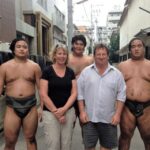
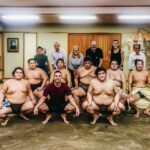
You get an exclusive Q&A and photo session with the wrestlers, with the guide translating as needed. This matters because questions are not just “where are you from?” You can ask about daily routines, training focus, and what sumo life feels like. In the provided accounts, the wrestlers come across as friendly and open when the interaction is structured like this.
Then there’s the photo time. Being able to take pictures together is a highlight for many people, especially families and groups. You also get a sense of individual personality. In several accounts, people specifically enjoyed seeing each wrestler’s style and character, not only their strength.
A practical heads-up: ring participation is handled under stable tradition rules. In these sessions, men in the group may be invited to try pushing or stepping in, while women may not be allowed into the ring area. That can be disappointing if you came hoping for a universal “everyone gets a turn” moment.
Closing at Narihira Park: banzuke souvenir and final questions
The last segment brings you back to the park for a closing session. This part is easy to overlook if you’re eager to sprint into more Tokyo sightseeing, but it’s also one of the most “sumo-correct” souvenirs you’ll take home.
You’ll receive an official banzuke ranking sheet, placed in a specially designed souvenir folder. It’s included, which is meaningful because it turns the experience into a tangible keepsake tied directly to the sumo world—not just a generic photo postcard.
You also get a little extra time for Q&A. That’s helpful because it gives you a second chance to ask follow-up questions after you’ve seen practice with your own eyes. By then, your questions are smarter, since you can point to what you just watched and ask what it meant.






Optional Japanese brunch: how to stretch the morning
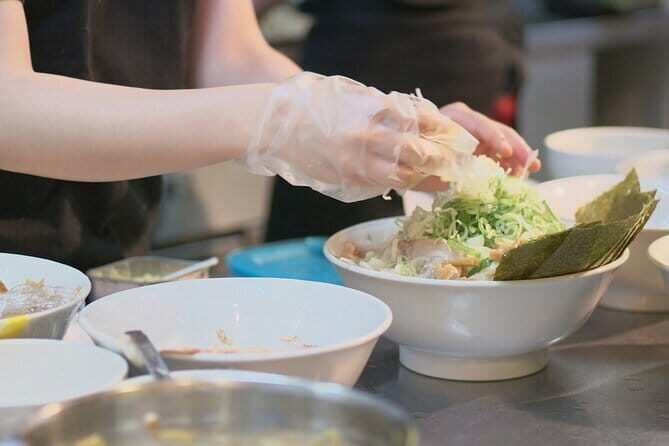
This tour can pair with an optional Japanese brunch after the experience. If you’re the type who likes to keep the momentum going while the day is fresh, this is a good add-on.
Why brunch helps: you’ve got an early start, you sit for a while, and you watch a physically intense practice. Eating soon after is just smart. Also, the brunch element can introduce you to dishes and how they’re described in context, not just what you can point at from a menu.
The accounts you provided describe brunch as delicious and also note that it can feel more like a lunch-style meal than a European brunch. Budget-wise, it may vary depending on what you choose, so if you’re cost-sensitive, keep your order modest or ask what dishes are included before you commit.
Price and value: what you’re really paying for at $95.77
At $95.77 per person, this is not a budget “see stuff” activity. It costs money because you’re paying for access, small-group handling, an English-speaking guide, and the included stable-related viewing fee. You’re also paying for a guided structure that reduces the usual friction of trying to navigate sumo access on your own.
Here’s the value math that matters:
- If you care most about being close to real training, the stable-style viewing is the main product.
- If you want more than watching—Q&A and photos with the wrestlers—you’re getting more interaction time than you’d likely manage independently.
- If you like tangible souvenirs, the included official banzuke + folder helps justify the price.
Where value can feel thin: if your top goal is only to see a quick practice and you’re expecting a long, guided lecture. The experience is time-limited (roughly 2.5 to 3 hours), and some accounts point out that the spoken explanation can be lighter than expected. That doesn’t mean it’s bad; it means your money is mostly going toward access and interaction, not a heavy classroom-style program.
Timing, group size, and how to plan your Tokyo day
This is a morning activity, with total time around 2 hours 30 minutes to 3 hours. It’s also capped at 45 travelers, which typically helps keep the group manageable during viewing and during the interaction portion.
From a planning perspective, the morning timing is a gift. You still have plenty of day left for other Tokyo highlights afterward. If you’re building a Tokyo itinerary, this works well as an early anchor event. Then you can pivot into neighborhoods, temples, museums, or food stops without feeling rushed.
Getting there: the meeting point is near public transportation. Still, one account suggests using an Uber-style ride for an early session if you’re staying in a far neighborhood like Shinjuku. If you’re arriving on time is everything, a short ride can beat stress.
And remember: bring patience. Sumo practice is ritual-heavy and structured. It’s not a “tour where you’re constantly moving.” You’re there to watch respectfully.
Is this the right sumo experience for you?
This tour is a strong fit if you want:
- A close, behind-the-scenes look at sumo training, not just tournament spectacle
- A guide to help you understand what you’re seeing and to translate questions
- A family-friendly activity in spirit, as long as kids can sit quietly for a while
- Photos and interaction time that feel human and real
It may not be the best fit if:
- You’re mainly hunting for ring participation for everyone (tradition rules apply)
- Your group needs lots of movement breaks or you’re hoping for a very interactive “activity gym” feel
- You want a deep, long lecture format instead of guided context plus lots of viewing
Should you book this Tokyo sumo morning practice tour?
Yes—if you want a rare Tokyo experience where you see sumo as training, with real structure and real interaction. The best reason to book is simple: you get closer than most sumo viewers, and the Q&A/photo time turns it from a passive viewing into something personal. Add the official banzuke souvenir, and you have a meaningful takeaway beyond photos.
I’d skip it or adjust expectations if you’re specifically focused on stepping into the ring yourself. Tradition limits who can do what, even when the experience is fun and welcoming. Also, if you’re traveling with very restless kids, plan for a calm, seated stretch.
If your goal is to understand sumo better and to witness genuine discipline at work, this is a solid morning plan.
FAQ
Where is the meeting point?
You meet at Narihira Park in Sumida, at 2-chōme-3-番 Narihira, Sumida City, Tokyo 130-0002, Japan. The start point is near the multipurpose restroom.
How long does the tour last?
The experience runs about 2 hours 30 minutes to 3 hours.
Is the guide available in English?
Yes. The tour includes an English-speaking guide.
What happens during the tour?
You’ll start with an orientation, then watch the morning practice, and later join an interaction segment with wrestlers that includes Q&A and a photo session. The tour ends with a closing session that includes souvenirs and extra Q&A.
Is the banzuke souvenir included?
Yes. You’ll receive an official sumo souvenir set, including the banzuke and an original folder.
Can I attend brunch after the practice?
There is an optional Japanese brunch after the experience.
How large is the group?
The tour has a maximum of 45 travelers.
Do I get a ticket on my phone?
Yes. The tour uses a mobile ticket.
What if I need to cancel?
Free cancellation is available. You can cancel up to 24 hours in advance for a full refund.