REVIEW · TOKYO
Tokyo War History Tour: Yasukuni Shrine & War Museum
Book on GetYourGuide →Operated by DeepExperience, Inc. · Bookable on GetYourGuide
History you can’t skim. On this private Tokyo war history tour, I like that you get a licensed English-speaking guide who connects Yasukuni Shrine to what you’ll see at the Yushukan War Museum, so you’re not stuck with one viewpoint. One drawback: the subject matter is sensitive, and the museum’s framing can challenge your expectations, so you’ll want to be mentally ready for serious discussion rather than casual sightseeing.
This experience lasts 150–210 minutes and involves moderate walking plus time inside the museum. You’ll also follow basic shrine etiquette, which helps you slow down and pay attention, not just take photos. If your plan is only light and quick, this may feel heavy—bring comfortable shoes and a patient mindset.
In This Review
- Key points I’d focus on
- Why Yasukuni Shrine belongs on a serious Tokyo war history plan
- Walking the shrine grounds: etiquette and what the guide actually teaches
- Yushukan War Museum: a distinct narrative you can question with help
- Extended option: Chidorigafuchi National Cemetery as a contrast study
- Price and timing: what $87 really buys you
- What to bring, how to act, and how to handle heavy topics
- Who should book this Tokyo war history tour
- Should you book this tour or skip it?
- FAQ
- How long is the Tokyo War History Tour?
- Is this tour private?
- What sites are included in the standard tour?
- What does the extended option add?
- Is there an English-speaking guide?
- Is Yushukan War Museum admission included?
- Are meals included?
- What should I bring?
- Are there any restrictions on photography or smoking?
Key points I’d focus on
- Yasukuni Shrine’s unusual purpose: it enshrines war dead, not a typical Shinto deity
- A guided, multi-perspective museum experience: you get context without being handed a single conclusion
- Your guide answers both history and everyday Japan questions: including why you walk on the left and stand on the left on escalators
- The extended option adds a strong comparison: Chidorigafuchi National Cemetery versus shrine-style memorials
- Private group pacing: enough time for thoughtful questions, not a rushed herd experience
- Respect rules are simple: no smoking and no flash photography, with possible photo limits inside the museum
Why Yasukuni Shrine belongs on a serious Tokyo war history plan
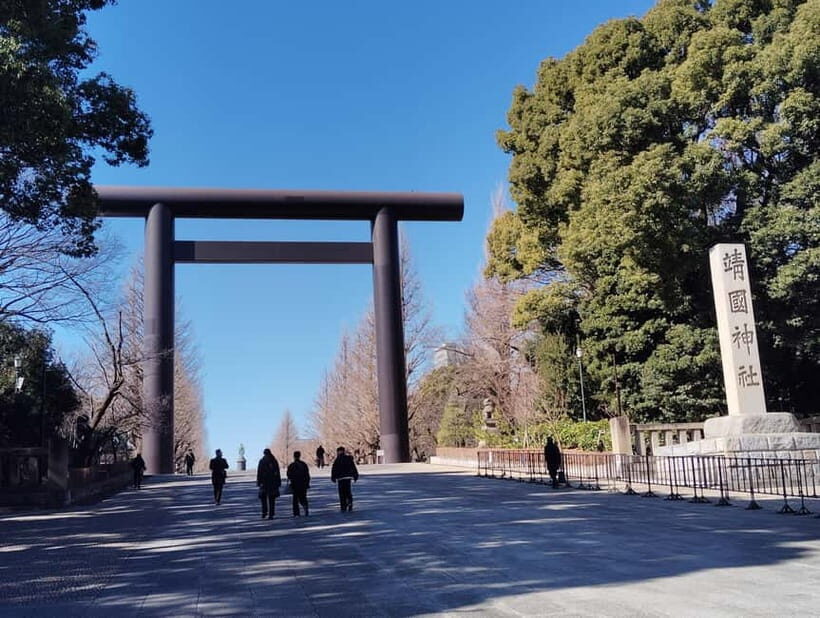
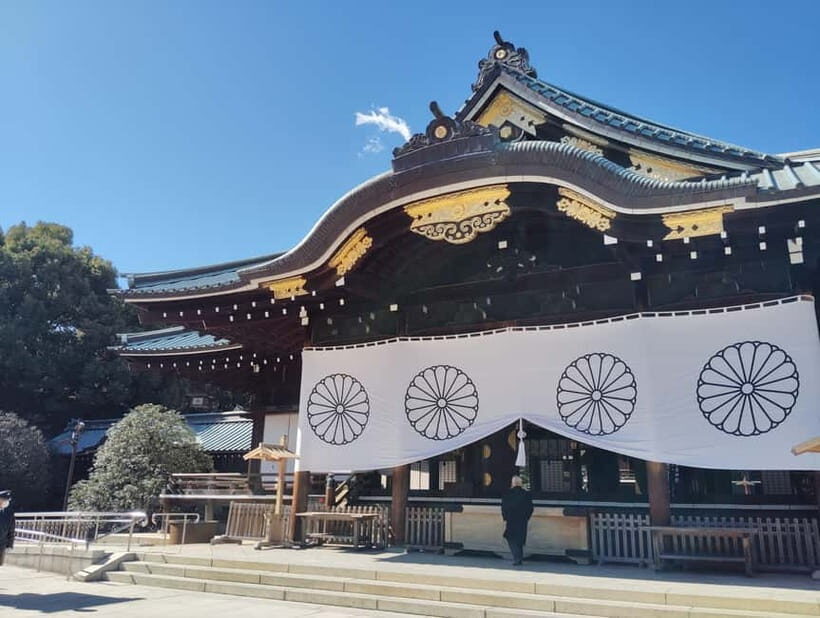
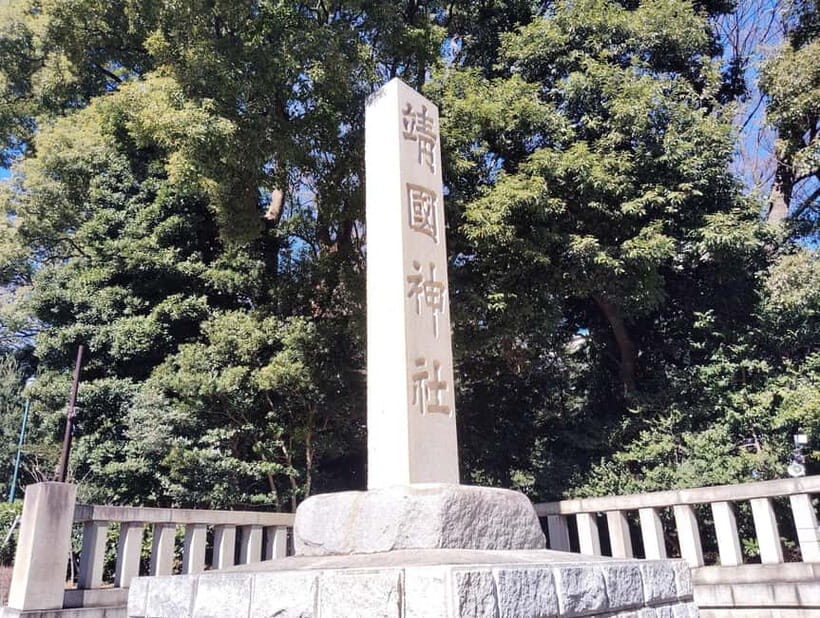
If you’re in Tokyo and want modern Japanese history that actually connects to today, Yasukuni Shrine is one of the places you can’t ignore. Founded in 1869, it was created to commemorate those who died from the Meiji Restoration era through the Asia-Pacific War. Most shrines in Japan are centered on spirits or deities, but Yasukuni is different: it enshrines the spirits of war dead, which makes it a rare meeting point of religion, state memorial culture, and public memory.
This is also a site with real debate around it. Some visitors focus on the emotional and family side of honoring the dead. Others point to how national identity and war narratives can influence modern politics and international relationships. The value of doing this with a guide is that you’re not forced to guess what you’re supposed to think—you’re given context and tools to interpret what you’re seeing.
I like that the tour frames this as history you should understand, not history you should sloganize. You’ll learn how Japan’s transformation from a feudal society into a modern nation-state shaped military development—especially the way ethics, ideology, and modernization mixed together. That background matters, because without it, Yasukuni can feel like a symbol with missing chapters.
You can also read our reviews of more historical tours in Tokyo
Walking the shrine grounds: etiquette and what the guide actually teaches
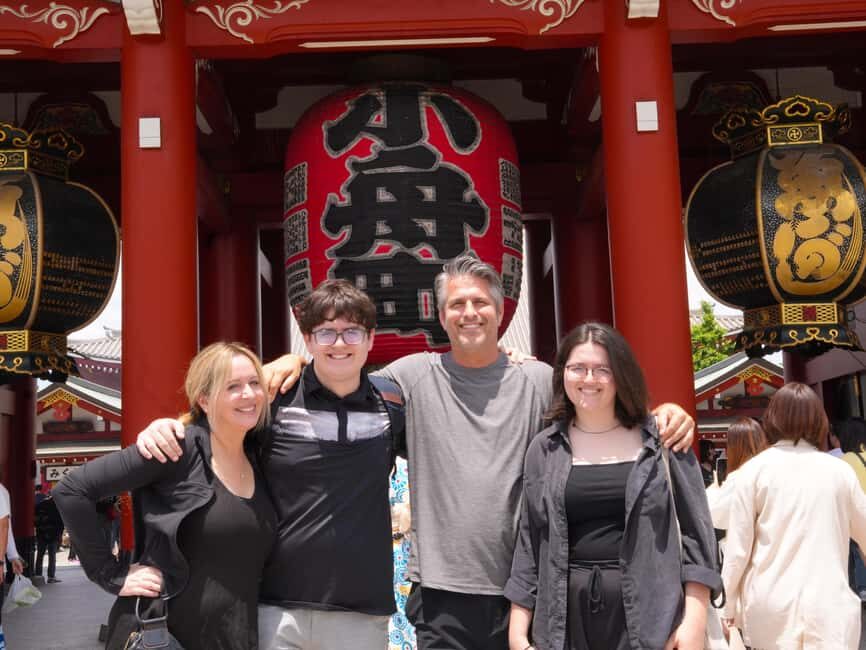
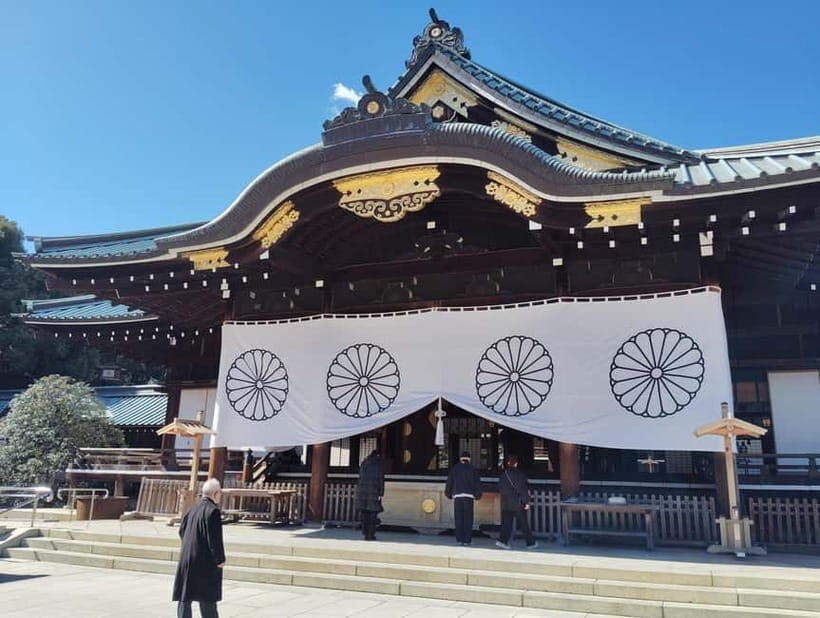
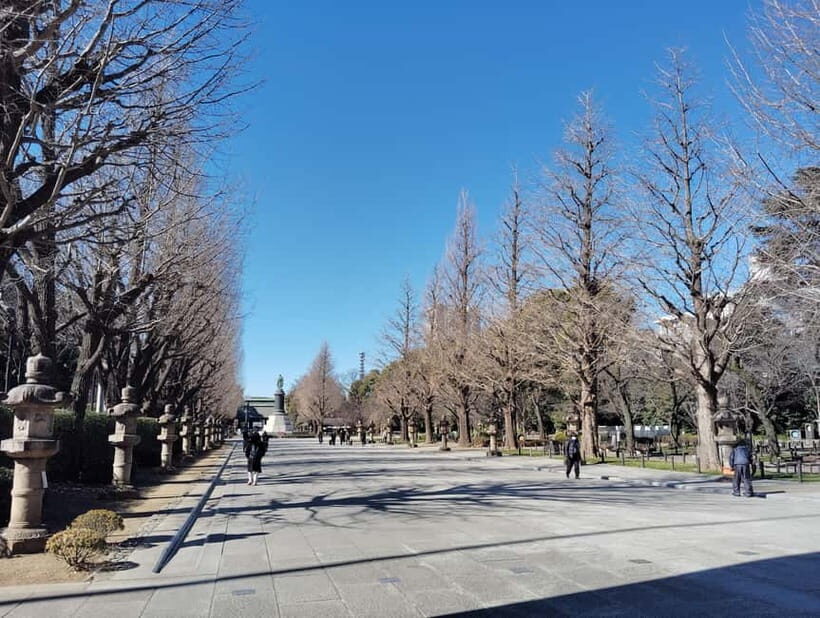
Your tour starts at a very recognizable spot: the first torii gate at Yasukuni Shrine, including the big Ōtorii. From there, you walk through the grounds with your guide, and you’re expected to follow basic shrine etiquette. Even if you’re not a ritual expert, these small practices slow you down and make the place feel less like a photo stop and more like a living space.
What you’ll hear here goes beyond dates. You’ll connect the dots from samurai-era moral ideas to imperial ideology and then to the modernization process that helped drive Japan’s military evolution. The goal is not to flatten the story into a single moral lesson. It’s to help you understand the logic people were working under at different times, and how those ideas can echo into the present.
Here’s the practical benefit: a good guide helps you see patterns. When you understand how societies justify sacrifice, you stop treating war memory as something abstract. You start seeing it as something that gets built—through rituals, institutions, and what gets highlighted or left out.
You’ll also get a sense of how war memorial practices can mean something different to different people. For some Japanese families, it’s personal mourning. For others, it’s a public statement. That tension is part of why this stop is so important—and why a guided explanation helps you stay grounded.
Yushukan War Museum: a distinct narrative you can question with help
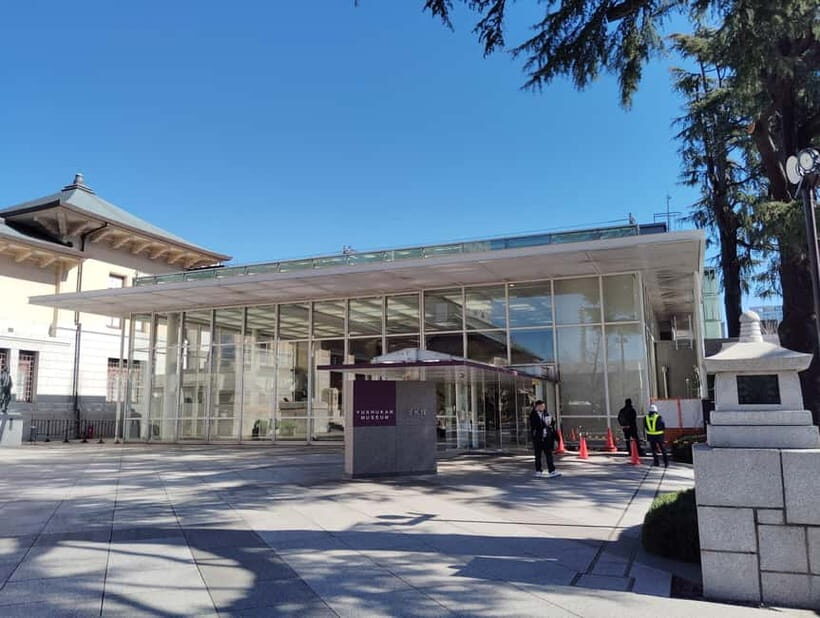
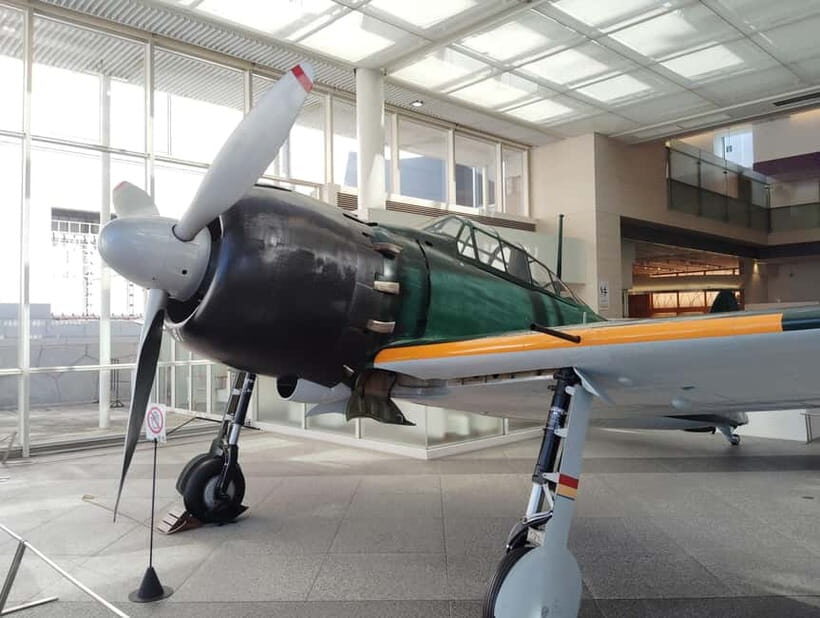
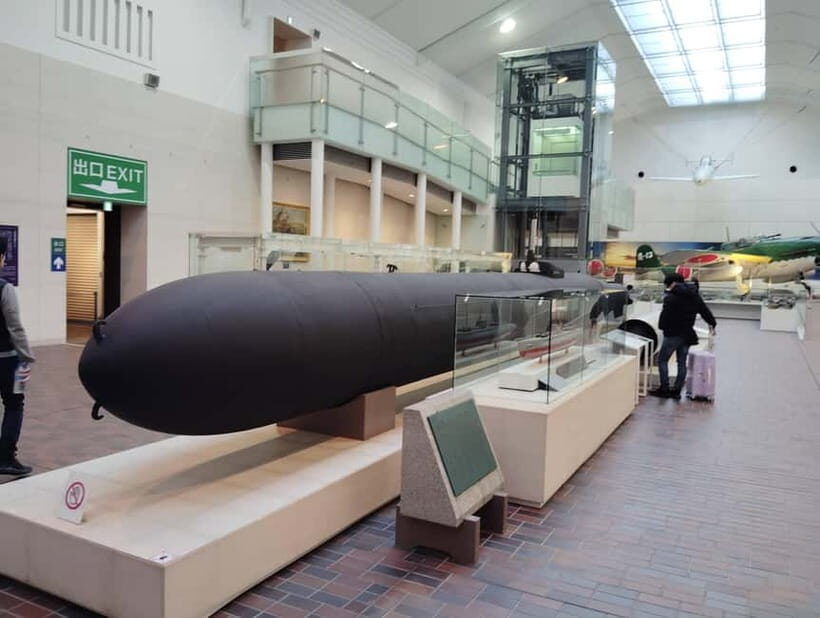
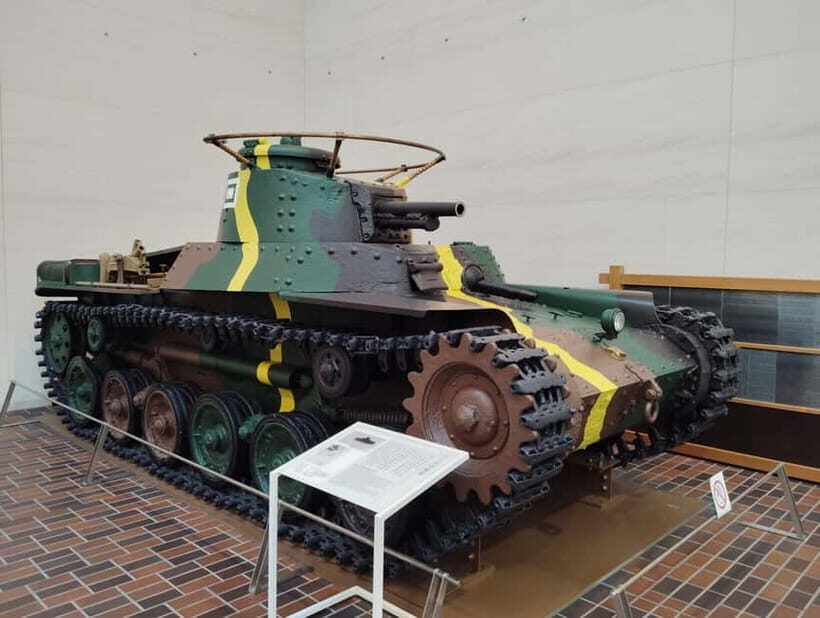
Next comes the Yushukan War Museum, and the timing is generous: about 110 minutes inside. The museum covers Japan’s military history from the late Tokugawa period through World War II. You’ll see exhibitions that treat conflicts such as the Pacific War and the era often referred to domestically as the Greater East Asia War. That naming alone is a clue: framing matters here.
I like how your guide handles this. The museum presents a distinctive narrative, but the tour is designed to give you historical context and encourage critical engagement. That means you’re not just walking through a storyline; you’re learning how wartime events were presented and how that presentation affects remembrance.
You’ll also notice the kind of evidence the museum uses—artefacts, photographs, and documents. Even if you’re not a museum person, this kind of material tends to make history feel less like a textbook and more like contested reality. And because this tour is private, you can ask your guide what to pay attention to, rather than hoping a group tour schedule will let you stop for the questions you actually have.
Two small rules worth remembering:
- No flash photography
- Some areas may limit photography, so keep your eyes open and follow staff instructions
Also, don’t skip the less obvious parts of your guide’s explanations. One review highlight (the kind of detail I love on serious tours) was how the guide explained practical Japan etiquette that many people never think about. For example, you may learn why you walk on the left side of the pavement and stand on the left side of the escalators—even though it has nothing to do with cars. That kind of detail ties into the broader theme: societies develop habits over time, and those habits can look unrelated until you understand the history behind them.
Extended option: Chidorigafuchi National Cemetery as a contrast study
If you choose the extended option, you’ll add Chidorigafuchi National Cemetery for about one hour. This is where the tour gets especially interesting if you like comparing systems, not just places.
Chidorigafuchi is described as a secular, state-administered memorial established in 1959. It honors unidentified war dead repatriated from overseas battlefields. That matters because you’re no longer looking at remembrance through a shrine framework. You’re looking at remembrance through a government memorial framework.
So you end up with a rare, clear contrast:
- Yasukuni Shrine uses religious enshrinement of war dead
- Chidorigafuchi uses a secular memorial approach for unidentified victims
That comparison can help you understand postwar Japan in a concrete way. Instead of treating war memory as one single national attitude, you see it as multiple methods of honoring, naming, and arranging remembrance. Even if you feel emotional at both sites, the “how” is different, and that difference is exactly what this extended stop is designed to teach you.
Price and timing: what $87 really buys you
The price is listed at $87 per person, for a private guided tour lasting 150–210 minutes. On paper, that might sound like a lot for two main stops. In practice, the value is in what you’re paying for: an English-speaking, licensed guide plus museum admission and guided entry inside the Yushukan War Museum.
This is also not a quick drop-and-go setup. You’re walking the shrine grounds, spending meaningful time in the museum, and (if you pick it) adding time at Chidorigafuchi. That structure gives your guide room to explain context, and it gives you room to ask questions without feeling like you’re holding up a bus.
What’s not included is also straightforward: food and drinks, and transportation to and from the meeting point. If you’re planning meals, build in time nearby rather than assuming the tour will include something easy.
One more value point: because the tour is private, you can match the intensity to your interests. If you want more about modern Japanese identity and how memorials affect society, you can steer that way. If you want practical clarity—what you’re seeing, what terms mean, what differences are important—you can steer there too.
You can also read our reviews of more museum experiences in Tokyo
What to bring, how to act, and how to handle heavy topics
This tour is respectful, but it’s not designed to be light. The subject matter involves war and modern Japanese history, and some people will find it emotionally or politically sensitive. The best approach is simple: go in with curiosity and calm expectations.
For comfort, bring:
- Comfortable shoes (moderate walking is part of the experience)
- Hat, sunscreen, and water
- A camera if you want one, but plan around museum photo rules
On site, remember the basics: no smoking and no flash photography. If you’re taking photos, be flexible—some museum areas may restrict it, and you’ll want to follow signage and staff instructions rather than trying to beat the rules.
Small etiquette matters too. Since you’ll be walking and doing shrine etiquette, dress in a way that lets you move comfortably and respectfully. You don’t need to dress like you’re attending a ceremony, but you should be prepared to slow down and act like you’re in a place people care about.
Who should book this Tokyo war history tour
This tour is a strong match if you:
- care about war memory and how societies remember conflict
- want a guided, balanced explanation rather than random interpretations
- enjoy museums and primary-looking materials like photos and documents
- are interested in modern Japanese identity and international relations
It’s also ideal for students, researchers, or anyone doing serious personal learning. The structure helps you connect the religious memorial side at Yasukuni with the museum’s historical framing and (optionally) the secular memorial style at Chidorigafuchi.
If your travel style is mostly quick, cheerful, and scenery-first, you might find this tour emotionally demanding. That doesn’t mean it’s wrong. It just means you should pair it with lighter plans so your day doesn’t feel like one long heavy thought.
Should you book this tour or skip it?
Book it if you want a focused Tokyo war history tour with a private guide, and if you’re okay thinking about sensitive history with context. The combination of Yasukuni Shrine, the Yushukan War Museum, and the optional comparison at Chidorigafuchi is built for understanding how memory works—not just collecting facts.
Skip it if you want a purely recreational sightseeing day or if museum narratives that feel different from your expectations would throw you off. In that case, you’ll probably do better choosing a less emotionally loaded cultural tour.
FAQ
How long is the Tokyo War History Tour?
The duration is listed as 150 to 210 minutes, depending on which option you book.
Is this tour private?
Yes. It’s a private group tour, so only your group participates.
What sites are included in the standard tour?
The standard tour includes a guided visit to Yasukuni Shrine and a guided visit inside the Yushukan War Museum.
What does the extended option add?
The extended option adds a visit to Chidorigafuchi National Cemetery.
Is there an English-speaking guide?
Yes. The tour includes a licensed English-speaking guide.
Is Yushukan War Museum admission included?
Yes. Yushukan War Museum admission fee is included.
Are meals included?
No. Food and drinks are not included.
What should I bring?
You should bring comfortable shoes, a hat, camera, sunscreen, and water.
Are there any restrictions on photography or smoking?
Yes. Smoking is not allowed, and flash photography is not allowed. Photography may also be restricted in certain areas of the museum.
If you want, tell me what dates you’re looking at and whether you’d do the extended Chidorigafuchi stop—I can help you plan a calm day around this.