REVIEW · TOKYO
Walking Tour: Yanaka,Nezu& Sendagi: Tea Ceremony & Old Tokyo
Book on GetYourGuide →Operated by Machinovate Japan Ltd. · Bookable on GetYourGuide
Yanesen is Tokyo, but quieter. This 1-day walking tour threads Shitamachi old-city streets with a real tea ceremony using antique bowls. Two things I like a lot are the way the route mixes temples, parks, and neighborhood lanes, and the feel of the day moving like a conversation rather than a script. One consideration: it’s a full-paced day with multiple guided segments and limited free time, so comfortable shoes matter.
You’ll start in the rail-smart area of Nippori and end back there, with a museum stop and rooftop views thrown in at the middle. I also appreciate that the tour is built around three distinct neighborhood moods—Yanaka’s artsy streets, Sendagi’s temple-and-park energy, and Nezu-jinja’s refined shrine setting. If you’re hoping for long, unscheduled wandering, you’ll want to plan extra time before or after.
In This Review
- Key things you’ll notice on this Yanaka, Nezu & Sendagi tour
- Yanesen: why this old Tokyo pocket feels different
- Meeting at Nippori West Exit at 10:30: the easy start that matters
- Yanaka Cemetery: quiet Shitamachi and a guided walk with meaning
- The Yanesen “secret stop” and food tasting hour you’ll actually remember
- Yanaka District free time: use your 80 minutes for the streets, not the stress
- Asakura Museum of Sculpture: a one-hour art stop with rooftop views
- Lunch in Yanaka: how to make your 1-hour break count
- Sendagi: temples and a park that changes the pace
- Nezu-jinja Shrine: finishing with one of Tokyo’s prettiest shrine moments
- Tea ceremony with antique tea bowls: the highlight that makes it real
- Price and value: why $135 can make sense for this one-day mix
- Who should book this one-day Yanesen itinerary?
- Should you book the Yanaka, Nezu & Sendagi walking tour?
- FAQ
- Where does the tour meet and what time does it start?
- How long is the tour?
- What’s included in the price?
- Which neighborhoods and sites are visited?
- Is the tour guide available in English?
- What is the cancellation policy?
Key things you’ll notice on this Yanaka, Nezu & Sendagi tour
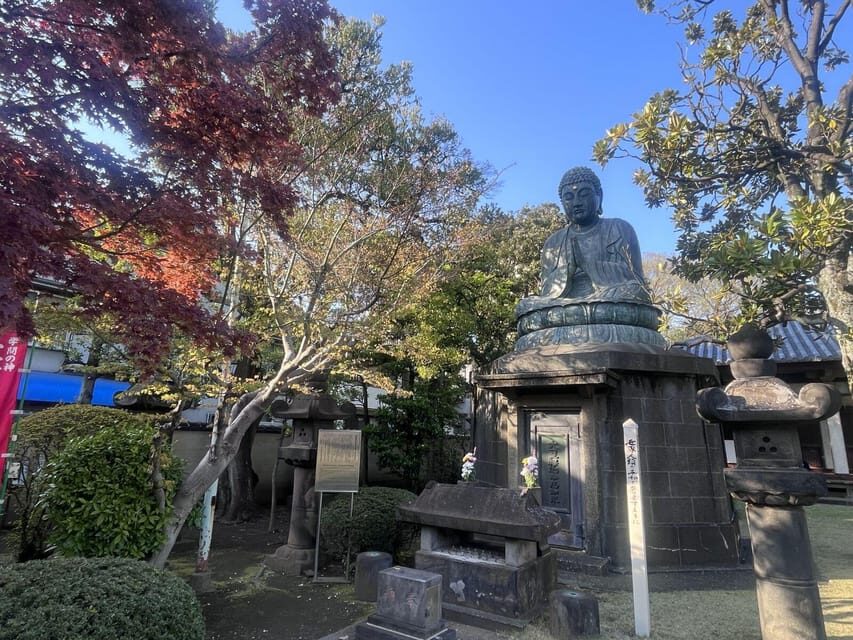
- Yanesen (Yanaka, Nezu and Sendagi) without the heavy tourist crowd feel
- Tea ceremony with antique tea bowls, plus wagashi during the experience
- A “conversation pace” style with guides like Jeff and Beth, who make explanations feel human
- Asakura Museum of Sculpture with a rooftop terrace viewpoint
- A mix of shrines, temples, parks, and local lanes in one efficient route
Yanesen: why this old Tokyo pocket feels different
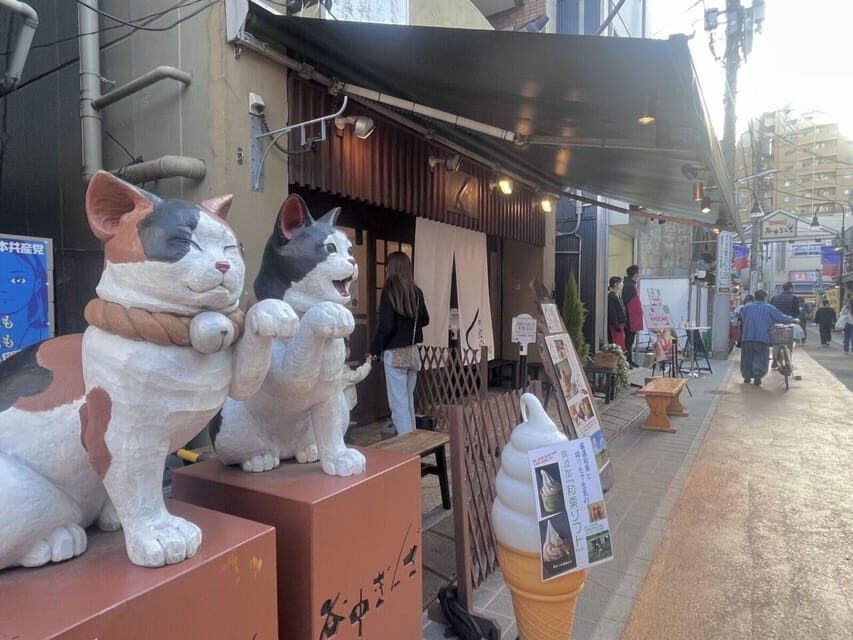
Tokyo can feel like it runs on speed. Yanaka, Nezu, and Sendagi are different. This trio is commonly grouped as Yanesen, a slice of the city that kept more of its old Shitamachi character—the lower-city atmosphere where daily life has an older rhythm.
On this tour, you’re not just looking at postcards. You’re walking through neighborhoods where you can still sense how people used to live: smaller streets, neighborhood temples, and that calm, local rhythm that gets crowded out elsewhere. The best part is the balance—this isn’t only temples and scenery. It’s also art culture and a hands-on ritual.
And because the day is one route connecting three areas, you avoid the common Tokyo problem: seeing only one neighborhood and missing the contrasts. You get a sense of how Yanaka’s creative side differs from Sendagi’s more temple-and-green feel, then Nezu’s shrine elegance.
You can also read our reviews of more walking tours in Tokyo


Meeting at Nippori West Exit at 10:30: the easy start that matters
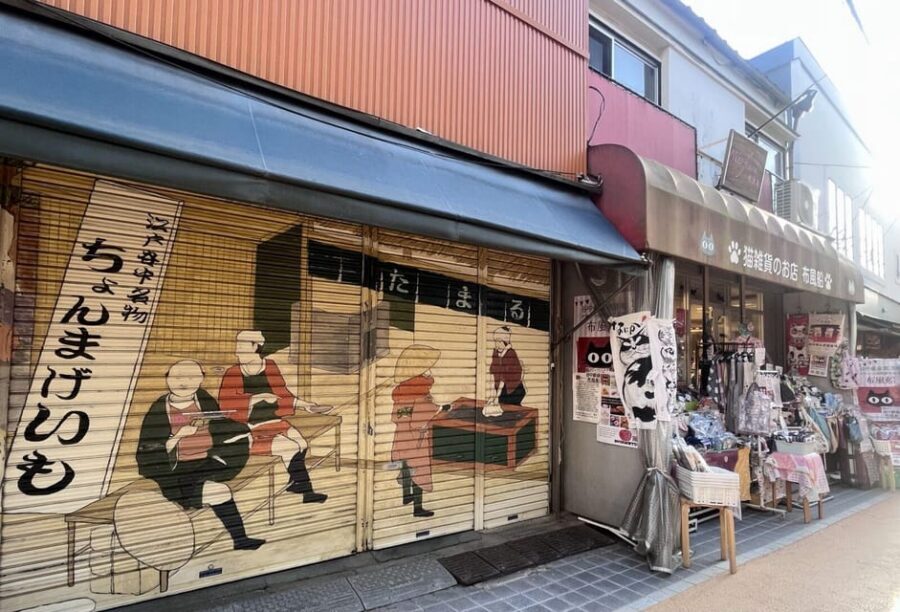
The tour meets at 10:30 outside Nippori Station, West exit. You’ll want to arrive at Nippori Station—not Nishi-Nippori. If you come out at the wrong exit, you’ll waste time before the day even starts.
Look for the red information board and a post box right out front. This small detail matters because you don’t want to spend your first ten minutes of Yanesen sprinting around a rail hub. Once you’re with the guide, the day falls into place quickly.
Also keep in mind the whole outing is designed as a single loop on foot. That means your day planning should assume you’ll be walking on and off throughout, even during museum and temple segments.
Yanaka Cemetery: quiet Shitamachi and a guided walk with meaning
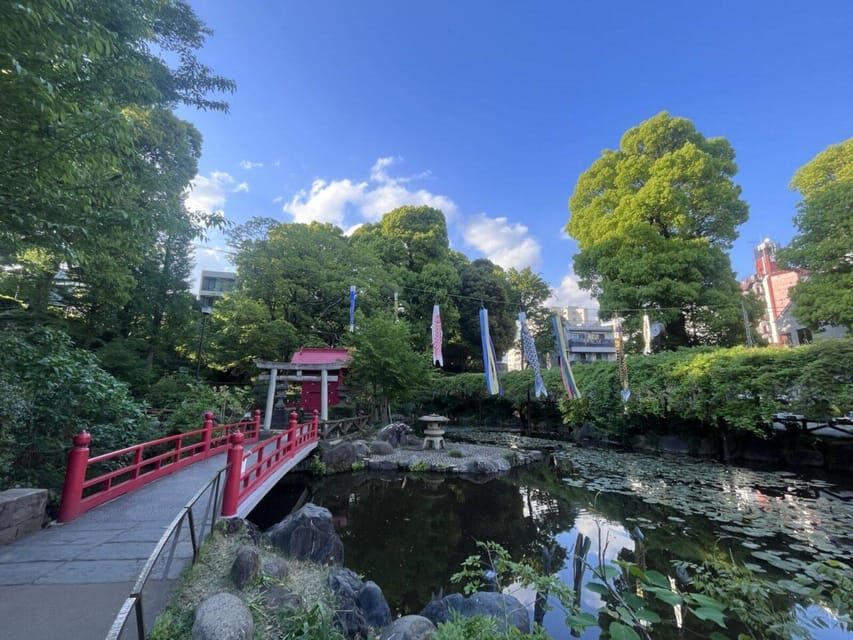
The first big stop is Yanaka Cemetery, with a guided visit and time to pass through the area. Cemeteries in Japan aren’t just places you rush through. They often sit inside the landscape of everyday neighborhoods, which means you see a different kind of Tokyo calm—one that feels older than the train-and-skyline version.
What you’ll likely enjoy most here is the pacing. A guided approach helps you connect what you see—stonework, layout, and the way the cemetery fits into the district. Even if you’re not a cemetery person, this stop works because it sets the tone: Yanesen is about atmosphere first.
Practical tip: even if you’re only there for about half an hour, this is still part of the “open your senses” phase of the day. Give it your attention and you’ll enjoy the later neighborhood streets more.
The Yanesen “secret stop” and food tasting hour you’ll actually remember
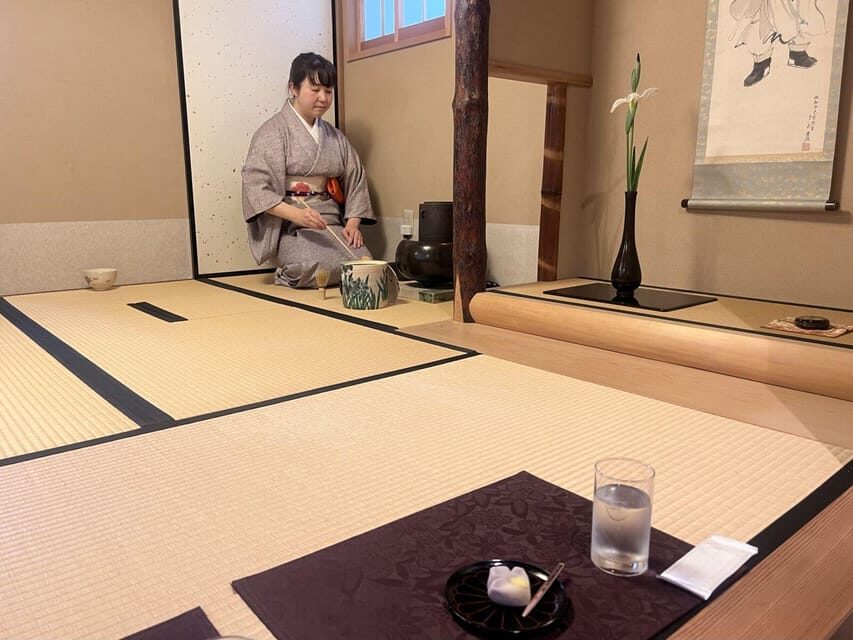
Next comes a secret stop, with a guided visit and food tasting. The schedule gives this a full hour, which tells you it’s meant to be a real pause—not a quick snack-and-go.
This is the kind of moment that turns a photo walk into a Tokyo experience. You’re not only learning what Yanesen is, you’re tasting something tied to the neighborhood. And because it’s guided, you’re more likely to understand what you’re eating and why it fits the area.
One drawback to consider: if you have dietary restrictions, you’ll want to think ahead. The tour includes a tasting, but the details of what’s served aren’t listed here. If your diet is strict, you may want to message the operator or check with your guide in advance.
Yanaka District free time: use your 80 minutes for the streets, not the stress
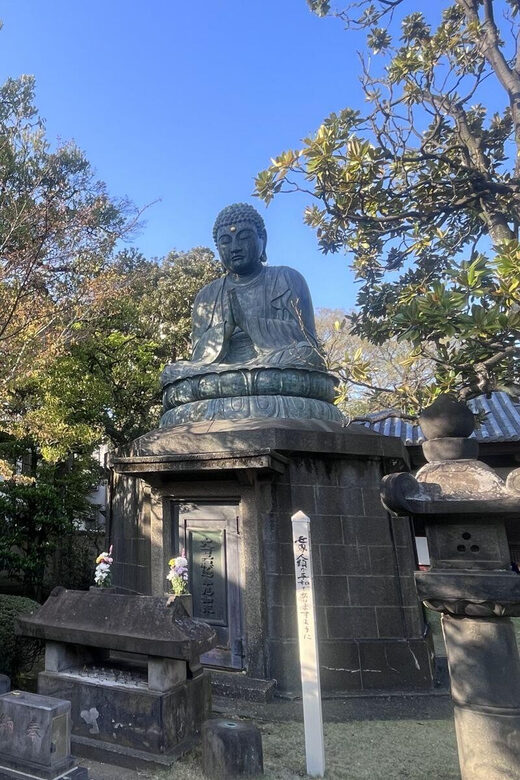
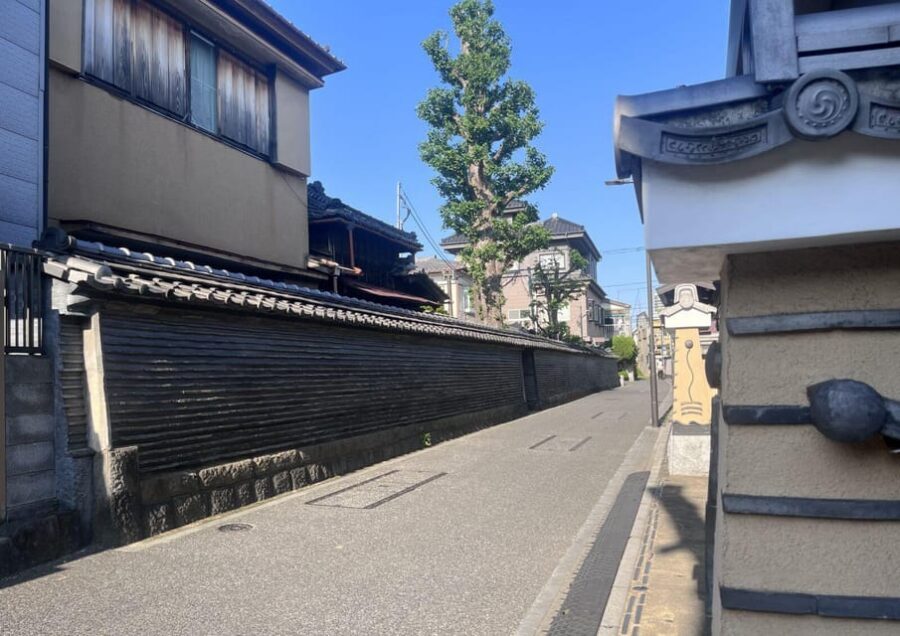
After the tasting, you’ll move through the Yanaka district with a guided segment, then you get 80 minutes of free time. This is your chance to do what guided tours can’t: follow your feet based on what catches your eye.
Yanaka is known for its artsy feel and old-street layout, so this free time is ideal for:
- finding a small side street that looks more local than main-road
- popping into casual shops if you see something that fits your interests
- taking a slow coffee break without feeling like you’re behind schedule
A helpful mindset: treat this block as scouting time. If you’re the type who likes to photograph details—doorways, shop signs, temple approach paths—this is where you can slow down without dragging the rest of the tour.






Asakura Museum of Sculpture: a one-hour art stop with rooftop views
The itinerary then includes the Asakura Museum of Sculpture, with admission included and a guided visit of about one hour. If you like sculpture, craftsmanship, and looking carefully, this is a strong middle-of-the-day anchor.
What makes this stop more than a typical museum pause is the view. The tour highlights rooftop terrace views of Tokyo, so you get a change in perspective after walking through dense neighborhoods below.
This stop also adds variety to the day. Up to this point, you’re mostly in neighborhood rhythms and cultural spaces. The museum gives you a different kind of context for Japanese aesthetics—more modern artistic focus, but still tied to design and texture.
If museums aren’t your thing, you might want to plan that this is your “sit and reset” hour. But with rooftop views included, it tends to work even for people who don’t normally chase sculpture.
Lunch in Yanaka: how to make your 1-hour break count
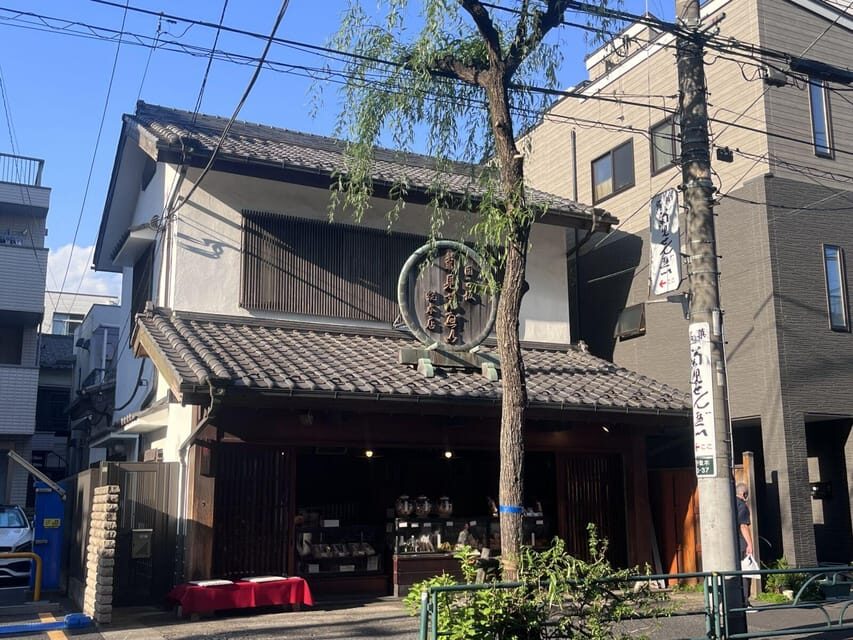
Lunch is scheduled with about one hour of free time in Yanaka. That’s enough time to eat without turning it into a frantic hunt, especially because you’re already in a neighborhood with shops and casual spots.
Use this hour in one of two ways:
- Eat close to where you are. The tour ends up back in walking distance zones, and you don’t want to lose momentum.
- Try something simple. When you’re in an older Tokyo area like Yanesen, you often get better value from straightforward local choices than from chasing long menu descriptions.
No lunch details are specified here, so you’ll want to use your own preferences. But the timing is good: you’re not shoved into the break too early, and you’re not left waiting too long after the museum.
Sendagi: temples and a park that changes the pace
Then you shift to Sendagi, with a guided visit and a walk segment. Sendagi is known for temples and a park, and that combination is a nice change from Yanaka’s street feel.
This is where you’ll feel the tour’s “three-neighborhood logic” become real. Yanaka gives you narrow streets and artsy atmosphere. Sendagi gives you a more open green-and-spiritual mood—less tight, more space to breathe.
A guided component matters here because temple areas can look similar if you don’t have a framework. The guide helps you read what you’re seeing so it doesn’t blur into a generic set of gates and halls.
Even better: after the museum and lunch, this part of the day feels like a natural reset. It keeps the tour varied without asking you to sprint from one intense stop to another.
Nezu-jinja Shrine: finishing with one of Tokyo’s prettiest shrine moments
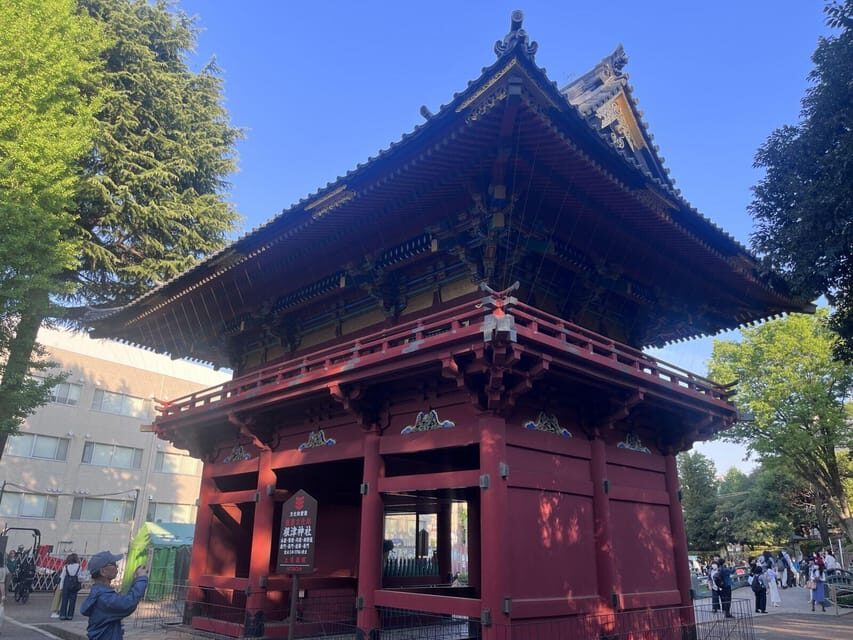
The final major cultural anchor is Nedu-jinja Shrine in the schedule. After that, the day connects you toward the finish point back at Nippori Station.
Shrine visits are where Tokyo can feel the most graceful. Nezu-jinja is singled out in the tour’s highlights as one of Tokyo’s most beautiful shrines, so you’re ending with a visual payoff. The guided visit is set at about one hour, which is long enough to actually slow down and notice details rather than just moving along.
This is also a good point to reflect on the day. By now you’ve seen:
- Shitamachi-style atmosphere in Yanaka and Yanesen
- a cultural ritual through the tea ceremony (earlier)
- art and design context at the museum
Now the shrine helps tie the theme together: Japanese culture isn’t one thing. It’s daily life, craft, and devotion, side by side.
Tea ceremony with antique tea bowls: the highlight that makes it real
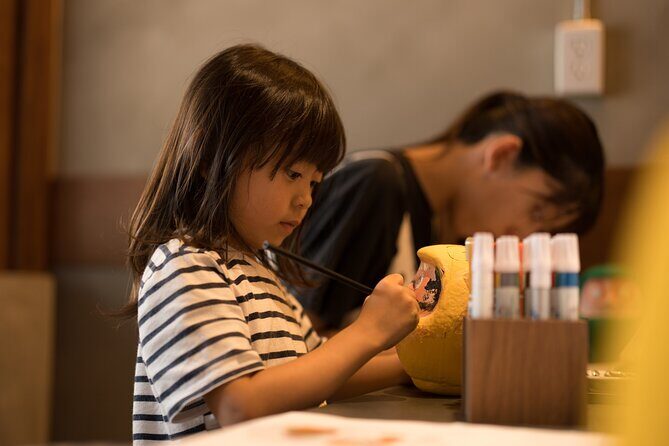
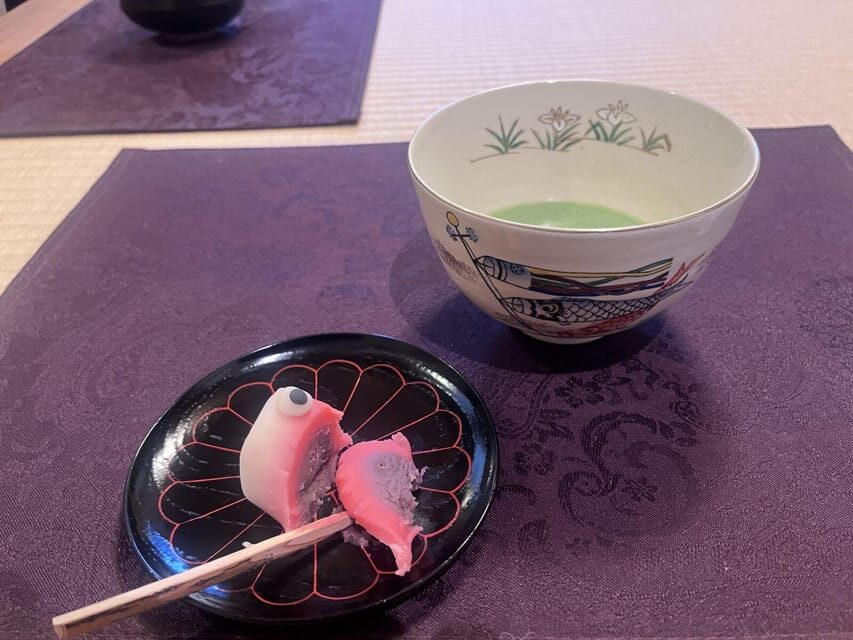
The tour includes a tea ceremony experience, and it’s one of the headliners. The big detail here is that you drink from antique tea bowls, which turns a standard cultural show into something with real material history behind it.
You’ll also have wagashi, the traditional sweets served with tea. That matters because the flavor and texture are part of the ritual, not an add-on. The pace is likely calm and structured, which gives you a break from walking while still feeling fully engaged.
One thing I especially like about how this tea stop has been described is the personal touch in the setting. In at least one instance with the guide Beth, the tea ceremony atmosphere included a sketch portrait by the tea house owner—an image that captured the selected antique tea bowls. That kind of detail is exactly what you want in Tokyo: cultural moments with human care, not just a performance.
If you enjoy quiet experiences and you like the idea of learning how objects and tradition connect, this is the part that can make the whole day click.
Price and value: why $135 can make sense for this one-day mix
At $135 per person for a 1-day tour, this isn’t a budget add-on. But it can be good value if you price what’s actually included: tea ceremony, tea ceremony experience, Asakura Museum of Sculpture admission, and a local English-speaking guide.
In Tokyo, you can easily pay a similar amount when you combine guided access, museum entry, and a curated cultural activity—especially when the guide coordinates timing between multiple neighborhoods. This itinerary also gives you more variety than most single-area walks: cemetery, food tasting, museum, temples and park time, and a shrine finish, all connected into one day.
The best value angle here is that you’re buying context. Walking Yanesen on your own would be enjoyable, but you’d lose the structure that links each stop to the bigger picture: Shitamachi atmosphere, local neighborhoods, and Japanese ritual culture. That’s what turns a “nice day out” into a day you remember.
Who should book this one-day Yanesen itinerary?
This tour suits you if:
- you want old Tokyo character without spending hours researching where to go
- you enjoy cultural activities where you’re not just watching, you’re participating
- you like a balanced day: streets, temples, museum art, and a ritual tea experience
It also fits well if you’re staying in the city for a limited time and want a concentrated Yanesen introduction. The route is built for seeing three neighborhoods efficiently in one shot.
If you hate structured schedules or you want lots of long, unguided wandering, this might feel tight. The free time blocks exist, but they’re timeboxed.
Should you book the Yanaka, Nezu & Sendagi walking tour?
I’d say book it if you want a structured, culturally focused day in Yanesen that includes more than just sightseeing. The tea ceremony with antique bowls is the kind of stop that gives the day its heart, and the museum plus rooftop views gives you a smart contrast.
If you’re on the fence, decide based on one question: do you want your Tokyo day to be guided by someone who can connect what you see—streets, shrines, and ritual—or do you prefer pure DIY wandering? If the first sounds more like you, this tour is a strong choice.
FAQ
Where does the tour meet and what time does it start?
The tour starts at 10:30 outside Nippori Station’s West exit. Come out of the ticket gates and look for the red information board and post box.
How long is the tour?
It’s a 1-day walking tour.
What’s included in the price?
Admission fees for the Asakura Museum of Sculpture, the tea ceremony experience, and a local English-speaking guide.
Which neighborhoods and sites are visited?
You’ll visit Yanaka (including Yanaka Cemetery and Yanaka district time), Sendagi, and Nezu (including Nedu-jinja Shrine). You’ll also stop at the Asakura Museum of Sculpture.
Is the tour guide available in English?
Yes, the tour includes a live English tour guide.
What is the cancellation policy?
You can cancel up to 24 hours in advance for a full refund.