REVIEW · KYOTO
[2.3km / 1.43mi] Kyoto East Early Morning Walking Tour
Book on GetYourGuide →Operated by Oh! Oh!kini Tours · Bookable on GetYourGuide
Kyoto looks different before the crowds. This 2-hour Kyoto East Early Morning Walking Tour threads through Higashiyama on foot with an English-speaking local guide, plus stories that make famous places feel personal. I like the small group size (max 6), and I also like that you cover key East Kyoto stops like Kiyomizu-dera, Yasaka Shrine, and Sannenzaka on a route that fits morning energy. The main drawback is simple: you’ll deal with slopes and steps, so comfortable shoes matter.
The value here is in the way a local guide helps you read what you’re seeing, and in the practical tips you get at the end for food and shopping. From what I’ve learned from experiences with guides like Akari, the explanations are clear and the recommendations are specific to your interests. The other consideration: this isn’t a sit-in-your-hotel tour, and it’s not a low-movement option, so plan to walk at least 2.3 km.
In This Review
- Key things that make this tour worth your morning
- Why the Kyoto East early start works better than you think
- Your 2-hour route: a focused walk through Higashiyama streets
- Kiyomizu-dera Temple in the morning: what to watch for
- Yasaka Shrine: where the stories connect to Kyoto’s everyday life
- Sannenzaka: the charming streets that make Kyoto feel real
- Group size and pace: small is good, but check the walking reality
- Price and value: $20 for a story-led morning, not just a checklist
- What’s included vs. what you’ll need to handle
- Tips to make your early start feel easy
- Who this Kyoto East walking tour is best for
- Should you book it? My decision guide
- FAQ
- How long is the Kyoto East Early Morning Walking Tour?
- How far do you walk?
- How much does it cost?
- Is this a Gion geisha walking tour?
- What main places are visited?
- What language is the guide?
- What is included in the price?
- Are entrance fees included?
- FAQ
- Is pickup from my hotel included?
- Do I need to bring anything?
Key things that make this tour worth your morning
![[2.3km / 1.43mi] Kyoto East Early Morning Walking Tour - Key things that make this tour worth your morning](https://images.thejapantraveler.com/wp-content/uploads/2-3km-1-43mi-kyoto-east-early-morning-walking-tour-1.jpg)
- Max 6 guests keeps questions easy and the pace manageable
- English guided walk with local stories, not just photo stops
- Higashiyama hits: Kiyomizu-dera, Yasaka Shrine, and Sannenzaka
- Morning timing helps you see Kyoto before your day gets crowded (and before heat spikes)
- Ask-for-it local tips on where to eat and what to shop for after the walk
Why the Kyoto East early start works better than you think
![[2.3km / 1.43mi] Kyoto East Early Morning Walking Tour - Why the Kyoto East early start works better than you think](https://images.thejapantraveler.com/wp-content/uploads/2-3km-1-43mi-kyoto-east-early-morning-walking-tour-2.jpg)
Kyoto has a way of making people over-plan. You arrive, you see a map, you cram in temples, shrines, and old lanes, then you end up exhausted. This tour cuts through that chaos with a simple goal: see Kyoto East the walkable way in the morning.
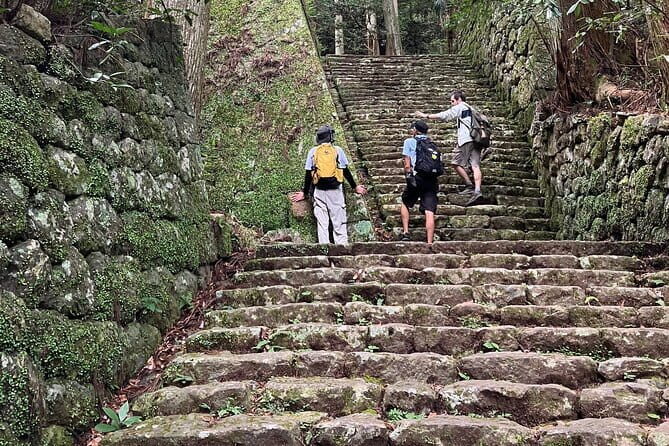
The distance is only 2.3 km (1.43 miles), but it’s not flat sightseeing. You’ll climb slopes and steps, and that changes how the experience feels. It’s not a casual stroll where you never break a sweat. It’s more like a guided route that helps you get your bearings fast while Kyoto is still waking up.
And because it’s a small private-group setup (max 6 guests), you’re more likely to get answers to the questions you actually have, like how to read what you’re looking at or where to go next. One guide’s strong English and patience came up repeatedly in feedback from people who’ve done similar Kyoto tours, and that matters on a walk—small misunderstandings turn into big frustrations when you’re moving.
You can also read our reviews of more walking tours in Kyoto



Your 2-hour route: a focused walk through Higashiyama streets
![[2.3km / 1.43mi] Kyoto East Early Morning Walking Tour - Your 2-hour route: a focused walk through Higashiyama streets](https://images.thejapantraveler.com/wp-content/uploads/2-3km-1-43mi-kyoto-east-early-morning-walking-tour.jpg)
This tour is designed as an efficient East Kyoto loop. You’ll be walking about 2 hours through charming streets, with short stops for context and photos. You’ll also be navigating steps, slopes, and the kind of uneven pavement you often find in older neighborhoods.
That’s why this experience works best if you like motion and short explanations. If your ideal day is long bus rides and slow museum pacing, this won’t match your style. But if you enjoy walking, hearing why a place matters, and then continuing on immediately, you’ll like the rhythm.
Also, note what you’re not doing: this is not a Gion geisha tour. So if you’re searching for Gion nights and geisha lore as the main storyline, you should choose something else. Here, the emphasis is on Higashiyama Kyoto East and the religious and historic landmarks that shaped everyday life in this district.
Kiyomizu-dera Temple in the morning: what to watch for
![[2.3km / 1.43mi] Kyoto East Early Morning Walking Tour - Kiyomizu-dera Temple in the morning: what to watch for](https://images.thejapantraveler.com/wp-content/uploads/2-3km-1-43mi-kyoto-east-early-morning-walking-tour-4.jpg)
Kiyomizu-dera is one of those Kyoto names that shows up everywhere, but a guided morning visit changes the experience. You’re not just taking in big views; you’re getting the background that helps the details make sense.
During the tour, you visit Kiyomizu-dera Temple as one of your main stops. I love this early placement because Kiyomizu-dera often becomes a time sink if you arrive later in the day without a plan. With a guide, you can focus on the most meaningful parts and learn what to pay attention to while you’re there.
Practical reality check: entrance fees are not included. So factor that into your budget. Also, temples like this typically involve walking and stair climbing, so pack for movement, not convenience. Comfortable shoes aren’t a suggestion on a tour like this—they’re how you keep your morning fun instead of turning it into an ankle test.
What you’ll get most is context. You’ll hear stories tied to each highlighted spot, which helps you understand why the place looks the way it does and what local tradition surrounds it. Even if you’ve seen photos before, that explanation helps your brain lock onto details instead of floating past them.
Yasaka Shrine: where the stories connect to Kyoto’s everyday life
After Kiyomizu-dera, the tour shifts to another core East Kyoto landmark: Yasaka Shrine. This is a great pairing because it changes the mood from temple scale and sweeping views to shrine atmosphere and local ritual.
What makes this stop valuable is the guide’s storytelling approach. You’re guided through the experience with history and culture explained in a way that’s meant for real people, not just history students. If you like understanding what you’re seeing—why something matters to locals—this is the moment where the tour starts feeling more like a guided conversation than sightseeing.
There’s also an emotional payoff. When you know a few key points before you stand in the space, you notice more: the meaning behind the setting and the way people behave there. You’re still there for the sight, but you’re also learning how Kyoto’s traditions live beyond the tourist photo.
Like Kiyomizu-dera, plan for walking. You’re on foot for the whole experience, and this stop happens inside a morning route where you’re already climbing. If you’re someone who gets sore quickly, bring water and pace yourself—your guide will keep things moving, and you don’t want to burn out early.
Sannenzaka: the charming streets that make Kyoto feel real
![[2.3km / 1.43mi] Kyoto East Early Morning Walking Tour - Sannenzaka: the charming streets that make Kyoto feel real](https://images.thejapantraveler.com/wp-content/uploads/2-3km-1-43mi-kyoto-east-early-morning-walking-tour-5.jpg)
If Kiyomizu-dera is the headline, Sannenzaka (San-nen-zaka) is the flavor. This street section is one of the highlights people remember because it feels like Kyoto’s past is still in the stones. During the tour, you get to explore this area as part of your Higashiyama walk, not just glance at it from across the street.
Sannenzaka works well in the morning because it’s the part of Higashiyama where atmosphere matters as much as scenery. You’ll be walking among the layers of the neighborhood—streets, slopes, and that old-street vibe that makes you slow down without anyone telling you to. And because it’s part of a guided route, you’re more likely to understand what you’re looking at and not just pass by.
A quick note: food and drinks are not included, so this street might tempt you. If you want snacks afterward, you’ll have a plan. The tour includes local tips and recommendations, and the most helpful advice isn’t always about famous places—it’s often about what’s good and where to go when you have a little hunger and limited time.
Also, expect more steps. Even if the distance is short, old streets don’t care about modern comfort. This is one reason the tour is best for people who like to be on their feet.
A few more Kyoto tours and experiences worth a look

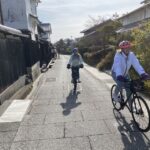
Group size and pace: small is good, but check the walking reality
A max group size of 6 is the big operational advantage. In a small group, the guide can slow down for questions, spot confusion fast, and keep the walk from turning into a herd movement. It also makes the tour feel friendly. One common compliment is that the guides are patient, and that’s exactly what you want when you’re learning in real time while walking through a dense area.
The tradeoff is that you still have to move. This is a walking tour with a 2.3 km route and slopes and steps included. The listing also doesn’t allow baby strollers, luggage or large bags, and it isn’t suitable for mobility impairments or wheelchair users. If any part of your group has mobility limits, this is the point where you should seriously reconsider.
If you’re physically able to walk and you have good footwear, the pace usually feels rewarding. You’ll get structure—stops, stories, and then walking again. It’s the kind of format that makes morning hours feel productive without feeling rushed.
Price and value: $20 for a story-led morning, not just a checklist
At $20 per person, this tour is priced like an experience built around guidance and access to local knowledge. What you’re paying for is not transportation (there’s no hotel pickup) and not included entry fees. You’re paying for an English-speaking guide, a small-group route, and explanations that help you appreciate places you’d likely see anyway.
Here’s how I’d think about value:
- If you want someone to help you understand Kiyomizu-dera, Yasaka Shrine, and Sannenzaka instead of walking through them clueless, this price is fair.
- If you love planning your day around guide-led structure, the cost makes sense because you’re saving time deciding what to do next.
- If you only want pretty photos and you hate stair climbing, you might find the experience less efficient.
Also, the guide’s local recommendations can raise the value quickly. The tour includes local tips for food and shopping, and that’s often what turns a good sight day into a great experience day. People noted strong, practical suggestions tied to the guide’s local knowledge, and that’s the kind of thing you can actually use after the walk ends.
What’s included vs. what you’ll need to handle
Included:
- Small group experience (max 6)
- English guided walking tour
- Visits to Kiyomizu-dera Temple, Yasaka Shrine, Sannenzaka, and other highlighted points in the area
- Local tips and recommendations
Not included:
- Entrance fees
- Food and drinks
- Transportation to/from the meeting point (since it’s a walking tour)
- Hotel pickup and drop-off
My practical advice: budget a little extra for temple entry where needed and keep water handy. Also, think about how you’ll reach the meeting point. Since this is a walking format without pickup, you’ll want to be near Kyoto East or able to get there easily.
Tips to make your early start feel easy
This is an early morning tour for early birds, so set yourself up for success.
Bring comfortable shoes and water. The tour includes slopes and steps, and staying hydrated matters even if you’re only walking 2.3 km. Plan on footwear you can trust on stone and uneven ground.
Wear light layers. Morning weather can feel different than midday, and you’re on foot for most of the time. If you run hot or get sweaty easily, a morning route still demands effort.
Finally, set your mindset. This is not a checklist tour. It’s a story tour. If you listen closely, ask questions, and show up with curiosity, you’ll get more out of the short 2-hour window.
Who this Kyoto East walking tour is best for
I think this tour is a strong match if you:
- Are in Kyoto for a short time and want a focused East Kyoto introduction
- Love walking and don’t mind stairs
- Want an English-speaking local to add meaning to the sights
- Are a first-timer in Kyoto, or even a repeat visitor who wants your second pass to feel deeper
It’s less of a fit if:
- You want a gentler, flat walk
- You need wheelchair access or stroller support
- You’re hoping for a Gion geisha-focused itinerary
Should you book it? My decision guide
Book this tour if you want a small-group, story-led morning in Kyoto East and you’re okay with walking up and down. The price makes sense when you treat it as guided context plus local recommendations—especially if you’ll use those tips later for food and shopping.
Skip it if your biggest priority is comfort over movement, or if you’re specifically hunting for Gion geisha culture. This is a Higashiyama-focused route, and it’s built for people who enjoy being on their feet early.
If you can handle comfortable shoes, water, and stairs, this is the kind of tour that makes Kyoto feel more readable fast.
FAQ
How long is the Kyoto East Early Morning Walking Tour?
The tour runs for about 2 hours.
How far do you walk?
You’ll walk about 2.3 km (1.43 miles) during the tour.
How much does it cost?
It costs $20 per person.
Is this a Gion geisha walking tour?
No. This tour is not a Gion geisha walking tour.
What main places are visited?
The tour includes visits to Kiyomizu-dera Temple, Yasaka Shrine, and Sannenzaka, along with other highlighted spots in Kyoto East.
What language is the guide?
The tour is guided in English.
What is included in the price?
The price includes a small group experience, an English guided walking tour, visits to the listed attractions, and local tips and recommendations.
Are entrance fees included?
No. Entrance fees are not included, and food and drinks are also not included.
FAQ
Is pickup from my hotel included?
No. Hotel pickup and drop-off are not included, and you’ll need to get to the meeting point on your own since it’s a walking tour.
Do I need to bring anything?
Yes. Bring comfortable walking shoes and water, since the tour includes slopes and steps.