REVIEW · TOKYO
Asakusa: Beginner-Friendly Japanese Dance Workshop
Book on GetYourGuide →Operated by YUKI YOSHIDA · Bookable on GetYourGuide
Somehow, dance class in Asakusa feels old-school magic. This beginner-friendly Nihon Buyo workshop pairs a live kimono performance, a short fan-dance lesson, and photo time with the pro dancer, Yuki Yoshida. It’s a smart way to see Tokyo’s traditional performing arts without needing skills or fancy gear.
I especially love the mix of watching first and trying right after. You get to understand the style through shironuri white makeup and story-driven movement, then you practice simple fan gestures with guidance. The second thing I liked: the experience stays gentle and welcoming, with staff who can explain things in English and Japanese.
One consideration: the welcome matcha is served only until a few minutes before the performance. If you show up late, you’ll miss that drink moment, so plan to arrive early.
In This Review
- Key Things You’ll Notice Right Away
- Why Nihon Buyo in Asakusa Feels Like Time Travel
- Matcha Before the Music: Arrival Timing Near Kaminarimon Gate
- Watching the Pro in Kimono and Shironuri Makeup
- Fan Dance Basics: Easy Moves with an Instructor
- Photo Time with Yuki Yoshida (and Why It’s Not Just a Souvenir)
- What the 45 Minutes Really Includes (So You Know What You’re Buying)
- Price and Value: Is $25 Fair for Tokyo Culture?
- Who This Workshop Suits Best (and Who Might Want Something Else)
- Practical Tips Before You Go
- Should You Book This Asakusa Dance Workshop?
- FAQ
- How long is the Japanese dance workshop in Asakusa?
- How much does the workshop cost?
- Where is the meeting point?
- Do I need dance experience or special clothing?
- What exactly is Nihon Buyo?
- Is there a welcome drink, and when is it served?
- What do I learn during the hands-on part?
- Are photos with the dancer included?
- What languages are supported?
- Can I cancel, and do I need to pay right away?
Key Things You’ll Notice Right Away
- Matcha welcome served before the show, with a strict cutoff a few minutes prior
- Live Nihon Buyo performance by a professional dancer in a kimono
- Shironuri white makeup tradition during the performance climax
- Beginner fan-dance lesson with supportive instruction
- Photos with Yuki Yoshida after the workshop
- Asakusa location near Kaminarimon Gate, easy to pair with sightseeing
Why Nihon Buyo in Asakusa Feels Like Time Travel
Asakusa already has that classic Tokyo feel: old streets, lanterns, and the famous Kaminarimon Gate nearby. This workshop tucks you into a quieter kind of culture—one that lives in posture, gestures, and timing rather than just scenery. You’re seeing a performance style called Nihon Buyo, a refined classical dance that goes back to the Edo period.
What makes it especially satisfying for beginners is the pacing. You watch a pro dancer communicate emotion through slow, controlled movement, then you get a chance to copy the basics. That structure turns what could be intimidating into something you can actually do in one short session.
A few more Tokyo tours and experiences worth a look


Matcha Before the Music: Arrival Timing Near Kaminarimon Gate
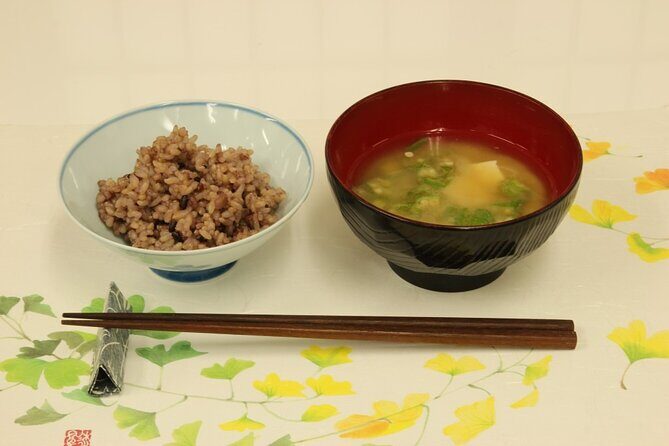
Before anything starts, you’re welcomed with a complimentary cup of matcha. It’s a nice pre-show reset. You sip something familiar in Japan while you settle in, and it puts you in the right mood for the performance.
Here’s the practical part: matcha service ends 5 minutes before the performance starts. Due to prep timing, the team can’t provide drinks after that point. So if you want the full experience, don’t treat this like a casual drop-in. Give yourself extra buffer time so you’re not rushing.
Your meeting point is on the 6th floor—6階へ直接お越しください. Even if you’re already walking around Asakusa, that detail matters because you’ll want to climb up and check in early enough to catch the drink.
Watching the Pro in Kimono and Shironuri Makeup
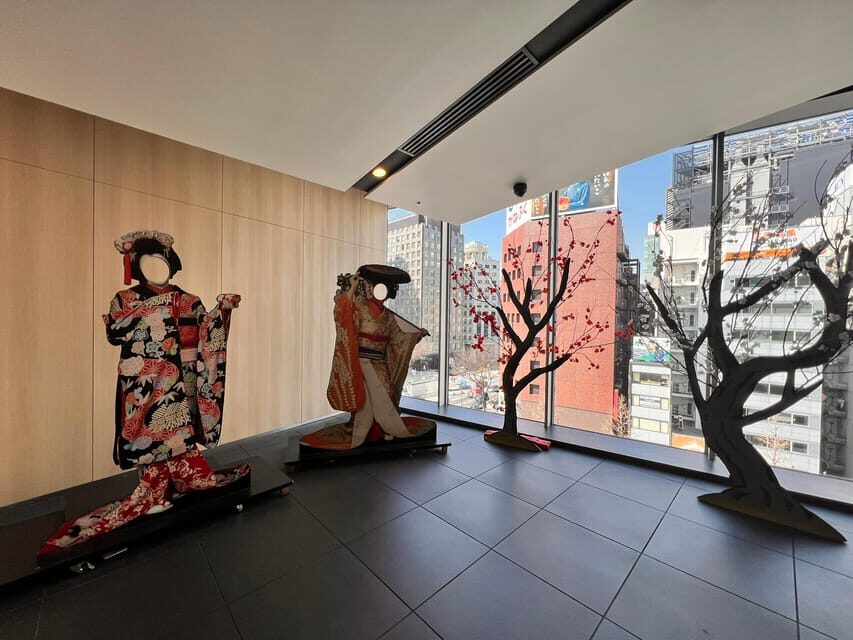
The main event is a live performance by a professional Nihon Buyo dancer in a kimono. This matters because Nihon Buyo isn’t just choreography—it’s a full-body language. You see how the dancer uses careful arm positions, controlled pacing, and deliberate facial expression to tell a story.
A highlight is the traditional white makeup stage style called shironuri. At the climax, the dancer appears in this look, which is used in Japanese theater and dance and has been passed down for generations. From a viewer’s perspective, it’s striking because it makes every movement read even more clearly. From a beginner’s perspective, it gives you a visual reference point for what “classical theater” style looks like.
Another detail worth noting: the performance can express themes like Japan’s seasons. That’s the kind of storytelling element that helps you understand why the movements matter, even if you’re not trying to memorize technical terms.
Fan Dance Basics: Easy Moves with an Instructor
After the performance, you shift from watching to doing. The workshop is a beginner-friendly introduction to fan dance movements—graceful gestures using a folding fan—guided by an experienced instructor. The good news is that you don’t need dance background to participate.
You also don’t need a costume. The program specifically tells you no kimono required. The idea is simple: show up as you are, learn the basics, and enjoy the experience. That lowers the barrier and keeps the focus on movement and fun, not on getting dressed up correctly.
The fan itself becomes your tool for learning. Fan gestures help organize your arms, timing, and transitions. The instructor gives cues that make it easier to feel the rhythm of the style instead of just copying random hand motions. And because the session is designed for first-timers, the pace stays manageable in the real world—45 minutes isn’t long, so you’ll be doing fewer, better basics.
Photo Time with Yuki Yoshida (and Why It’s Not Just a Souvenir)
The experience ends with a photo session with the dancer. Yuki Yoshida is the named performer for this workshop, and you’ll take commemorative photos with her after the performance and workshop.
This part is more than a quick tourist snapshot. It’s your chance to connect with the person who brought the dance to life—someone who’s trained in a tradition that takes years to master. If you keep your photos time respectful and relaxed, it feels like meeting a real artist rather than grabbing an object.
You’ll also enjoy the atmosphere of conversation after the performance. One of the best parts of short cultural activities like this is that they create a real human memory: the image of you in front of traditional makeup and kimono, plus the moment you can exchange a few words about what you just tried.





What the 45 Minutes Really Includes (So You Know What You’re Buying)
The workshop is listed as 45 minutes total, and it’s built around three core segments:
1) A matcha welcome before the performance
2) A live Nihon Buyo kimono performance by a professional dancer (including the shironuri white makeup tradition)
3) A beginner fan-dance workshop, followed by a photo session with the performer
Because the timeline is tight, you shouldn’t expect a long lesson plan. What you should expect is a clean introduction that gives you enough understanding to appreciate what you saw and enough practice to feel like you participated.
That’s why the structure works. In most cultural shows, you watch and go. Here, you watch, learn the basics, and leave with a memory you made with your own body.
Price and Value: Is $25 Fair for Tokyo Culture?
At $25 per person for 45 minutes, this is priced in the category of “short experience with an actual performance and teaching.” If you’ve spent time around Asakusa, you know costs add up quickly—especially when you’re paying for convenience and access.
So what makes the value feel solid here is that you’re not only paying for a show. You’re also paying for:
- a professional live performance
- guided fan-dance practice for beginners
- photos included with the dancer
- a complimentary matcha welcome
When I look at value, I ask a simple question: would you spend this amount to do something you can’t easily DIY? For Nihon Buyo basics plus pro-level performance plus a photo moment, the answer is yes. You’re paying for guided cultural access with a real instructor and a performer who can make the movement readable in a short time.
Who This Workshop Suits Best (and Who Might Want Something Else)
This is an ideal fit for:
- first-timers in Japanese traditional performing arts
- families looking for a cultural activity that isn’t all waiting
- people who want hands-on learning but don’t want a full-day commitment
- travelers who like structured experiences near major sights like Kaminarimon Gate
It’s also a good choice if you’re traveling with someone who isn’t into museums. This is physical, visual, and easy to follow. The instructor support matters, and the format is designed so you don’t need to be confident with dance.
Who might want something else? If you’re expecting a long, technical class with deep choreography repetition, this won’t be that. The workshop is beginner-friendly and short. You’re getting an introduction and an experience, not a full training program.
Practical Tips Before You Go
A few small choices can make the experience smoother:
Arrive early enough to catch the matcha. The cutoff happens 5 minutes before the performance, and you don’t want to miss it just because you got momentarily side-tracked by Asakusa streets.
Plan your camera approach. Since there’s a photo session with the dancer at the end, it helps to bring a phone you can unlock quickly and hold steady. This is a photo moment with a performer in full kimono and makeup, so treat it like a polite opportunity, not a frantic photoshoot.
Wear comfortable shoes. You’ll likely move around and climb to the 6th floor. Nothing complicated is required, but you’ll feel better if your feet are happy.
If you’re bringing a child, this workshop is designed to welcome beginners. One of the experience’s reported strengths is how it works for a parent-and-child format, because it gives you both a clear show and a simple way to participate.
Should You Book This Asakusa Dance Workshop?
If you want a fast, meaningful introduction to Nihon Buyo with real instruction and a pro performance, I’d say book it. The combination of shironuri white makeup on stage, a fan-dance practice for beginners, and included photos with Yuki Yoshida makes this more than a quick show.
Skip it only if you know you hate structured timing or you’re likely to arrive late. The matcha service ends shortly before performance time, and the 45-minute format doesn’t leave wiggle room.
For most people spending time in Asakusa, this is a good use of an hour. It adds depth to your sightseeing day, and you leave with something memorable you helped create.
FAQ
How long is the Japanese dance workshop in Asakusa?
The experience runs for 45 minutes.
How much does the workshop cost?
The price is $25 per person.
Where is the meeting point?
The meeting point is on the 6th floor. Please come directly to 6階へ直接お越しください.
Do I need dance experience or special clothing?
No dance or costume experience is needed, and you do not need to wear a kimono.
What exactly is Nihon Buyo?
Nihon Buyo is a refined form of Japanese classical dance that originated in the Edo period.
Is there a welcome drink, and when is it served?
You’ll receive a complimentary cup of matcha. Matcha will be served until 5 minutes before the performance starts, and drinks aren’t provided after that point.
What do I learn during the hands-on part?
You’ll learn basic fan dance movements with guidance from an instructor.
Are photos with the dancer included?
Yes. There is a photo session with the professional dancer after the performance.
What languages are supported?
The instructor speaks English and Japanese.
Can I cancel, and do I need to pay right away?
You can cancel up to 24 hours in advance for a full refund, and you can reserve first and pay later.