REVIEW · KAMAKURA
Authentic Japanese Tea Ceremony Experience in Kamakura
Book on GetYourGuide →Operated by 株式会社ノアダンスアカデミー · Bookable on GetYourGuide
Tea time feels like a reset button. This Japanese tea ceremony in Kamakura is a real introduction to sadō, with a hands-on matcha moment and clear lessons on how to behave in a tea room. You’ll learn the etiquette and manners behind the ritual, not just the steps.
I love two things right away: the chance to whisk matcha yourself, and the way the session teaches you the meaning behind the movements. You also get served two rounds of freshly made matcha with seasonal wagashi, so it’s not only a show—it’s a tasting experience too.
One practical heads-up: you’ll be in a tatami-style room, so shoes off is non-negotiable. If kneeling is tough, chairs are available if you request it in advance, and this experience isn’t suitable for wheelchair users or pregnant women.
In This Review
- Key things I’d put on your radar
- Why choose Kamakura for a Japanese tea ceremony
- Finding the tea room near JR Kita-Kamakura Station
- Inside a sukiya-zukuri tea room: what you’ll notice immediately
- Sadō, omotenashi, and what you learn before you taste
- Matcha and wagashi: two servings you actually get to enjoy
- Your turn: whisking matcha and serving tea step-by-step
- Photos, modest attire, and small details that help
- Price and value: what $36 really buys you
- Who should book this tea ceremony (and who should skip it)
- Tips to get the most out of your 60 minutes
- Should you book this Japanese tea ceremony in Kamakura?
- FAQ
- How long is the Japanese tea ceremony experience in Kamakura?
- How much does the experience cost?
- What is the group size limit?
- Where do I meet for the tea ceremony?
- What should I bring?
- Do I need to remove my shoes?
- Can I whisk and make matcha myself?
- What food and drink are included?
- Are photos allowed during the session?
- Is the experience suitable for wheelchair users or pregnant women?
Key things I’d put on your radar
- Small group max 6 keeps the pace calm and personal
- Sukiya-zukuri tea room sets the tone before you even start
- Certified tea master teaching explains sadō and the spirit behind it
- Two matcha tastings + seasonal wagashi are part of the session
- Hands-on practice: you whisk and then make tea yourself step-by-step
- Designated photo moments let you capture key parts without disrupting the flow
Why choose Kamakura for a Japanese tea ceremony
Kamakura is a smart choice if you want the feeling of Japan’s traditions without cramming your day full of stops. Even though it’s only about an hour from central Tokyo, Kamakura’s slower rhythm makes a tea ceremony feel extra appropriate—like it belongs here.
This tea session is built around sadō (the way of tea), which is more than a drink. It’s a set of manners, attention, and timing. You learn what each gesture is meant to communicate, and that changes how you experience matcha: it becomes something you pay attention to instead of something you just consume.
The pacing also helps. In 60 minutes, you go from room etiquette to a live demonstration, then to your own practice. You don’t need to know anything in advance, and you don’t need to fake confidence. Your instructor guides you through each move.
You can also read our reviews of more tours and experiences in Kamakura.

Finding the tea room near JR Kita-Kamakura Station
You’ll meet at 茶室「竹翠庵」 (Chashitsu Takeisuian), near the restaurant 「航」. The walk is short—about 7 minutes from JR Kita-Kamakura Station—but it’s the kind of place where it helps to arrive a few minutes early so you’re not rushing while removing your shoes.
A quick practical note: this is one of those experiences where the first five minutes matter. You’ll want clean socks and calm energy. If you’re the kind of person who likes to get your bearings, you’ll appreciate how simple the meeting is compared to maze-like streets.
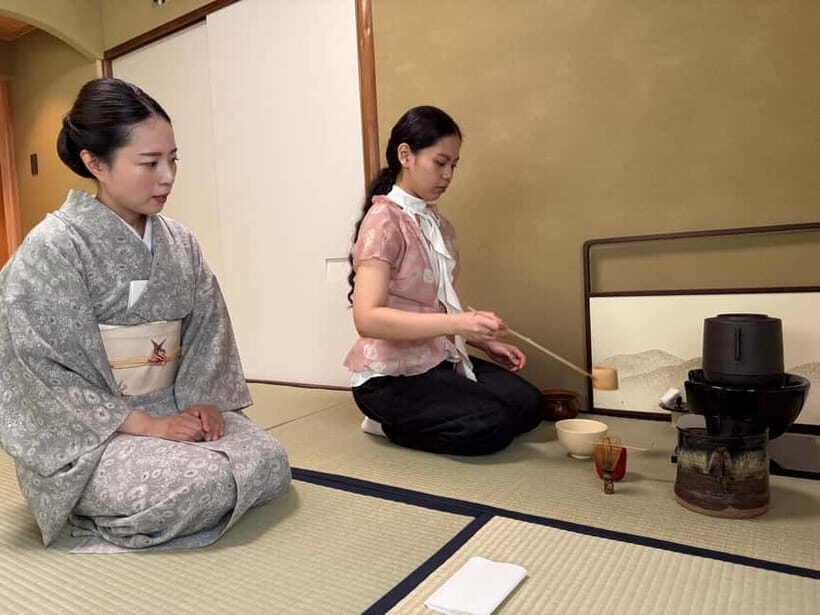
Once you’re there, the setting does the work. The ceremony takes place in a traditional sukiya-zukuri-style tea room. That matters because the etiquette you learn isn’t abstract. It’s tied directly to the space, the seating, and the way you move in and out.
Inside a sukiya-zukuri tea room: what you’ll notice immediately
When you enter, the room rules become real fast. You must remove your shoes, and the tea room uses a tatami-style setup. That means you’re not just watching from the sidelines—you’re stepping into the same environment that shapes the ceremony.
Seating is also part of the story. If kneeling is difficult, chairs are available, but you need to let the team know in advance. That’s a big deal because it keeps the experience comfortable without turning it into a separate activity for people who have mobility limits.
The session is designed for a small group—maximum 6 participants—so the room stays quiet and the instructor can correct details. You won’t feel like you’re in a crowded show. Instead, you get a steady tempo where you can actually learn.
And yes, you’ll probably catch yourself slowing down. The ceremony’s structure nudges you to sit properly, handle utensils carefully, and pay attention to the order of everything. That’s the real value of the tea room itself.
Sadō, omotenashi, and what you learn before you taste
Before you start whisking, you’ll get context. A certified tea master explains the history and meaning behind sadō (茶道). This isn’t delivered like a lecture that swallows your time. It sets you up for why the ritual is so precise.
Then comes the heart of the emotional tone: omotenashi, often described as hospitality from the spirit level. You’ll watch a live demonstration of tea-making where the movements look slow, but everything has a purpose.
This is where you start understanding what the etiquette is doing. It’s not rules for the sake of rules. It’s about respect—toward the tea master, toward the people sharing the room, and toward the moment itself.
You’ll also learn the manners rooted in traditional Japanese customs. That can include how you receive and handle things, and how you treat the utensils during and after use. When you later whisk and serve, those instructions make sense immediately.
Matcha and wagashi: two servings you actually get to enjoy
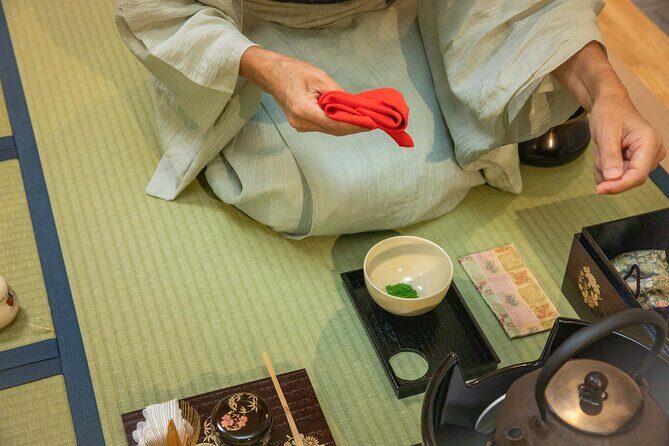
The fun part lands at the right time: you get two servings of freshly whisked matcha, and each one comes with seasonal Japanese sweets, wagashi. That pairing matters because wagashi isn’t just dessert. It’s part of the flavor balance and the seasonal feeling of the ritual.
What I like about the way this is set up is that you’re not stuck doing only one thing. You’re introduced, you observe, you taste, and then you practice. The matcha isn’t a one-off sip. You get a second chance to notice flavor and texture after your learning has sunk in.
Also, since the matcha is freshly whisked, you’re tasting something closer to how it’s meant to be enjoyed. That freshness helps you connect what you learn (like whisking technique and attention) to what you taste.
If you’re a first-time visitor, this part alone is worth it. If you already like matcha, it’s still a good upgrade, because the ceremony teaches you how to slow down and judge the bowl with more awareness.

Your turn: whisking matcha and serving tea step-by-step
The experience isn’t just watching. You’ll make and serve tea yourself, guided step-by-step. No prior experience is needed, which is important, because tea ceremonies can feel intimidating if you think you have to be perfect.
The instructor helps you with the mechanics—how to whisk the matcha and how to handle the utensils properly. But the lessons don’t stop at technique. You’ll also learn the manners of serving, which is a huge part of why this isn’t just a cooking class with tea.
When you serve, you’re doing it within the rhythm of the room. That means you need focus and a bit of patience. If you’re the type who wants to rush, you’ll learn quickly that the ceremony doesn’t reward speed.
And honestly, that’s the charm. Your work isn’t about producing a flawless bowl on camera. It’s about practicing respectful attention. That’s how the ritual turns into something personal, not a performance you’re trapped inside.
Photos, modest attire, and small details that help
You can take photos, but only at designated times during the session. This is common in tea rooms, and it’s actually a kindness to the group. It keeps the atmosphere calm so everyone can learn and participate without interruptions.
There’s no strict dress code, but you’re advised to wear modest attire. Since you’ll be removing shoes and sitting in a traditional setup, comfort matters. Also, consider that you’ll want to move calmly and without fuss when you’re asked to follow the ceremony order.
One more practical requirement: bring socks. Since shoes come off, socks are part of your basic readiness. If you forget them, you’ll have a stressful start.
If kneeling is difficult for you, don’t leave it to chance. Request a chair in advance so your body is comfortable enough to stay present through the whole 60 minutes.
Price and value: what $36 really buys you
At $36 per person for about 1 hour, the value comes from what’s included. You get matcha, seasonal wagashi, rental utensils, and a traditional tea ceremony performance. But the bigger value is the instruction: you learn etiquette, you get guided practice, and you understand the meaning behind the ritual from a certified tea master.
This isn’t a passive tasting where you sit down, sip, and leave with a souvenir cup. You get a chance to participate. For many first-time visitors, that’s the difference between a nice activity and a memorable cultural lesson.
Also, the experience keeps the group small—max 6 participants. With a crowd, teaching becomes harder and the atmosphere gets louder. Here, the limited size supports personal coaching and calmer pacing, which makes your whisking and serving feel achievable.
So, if you’re choosing between a quick matcha stop and a structured learning session, this is usually the better deal for your time. You’re paying for the full “how and why,” not only the taste.
Who should book this tea ceremony (and who should skip it)
This experience is a strong fit if you want hands-on cultural practice. It works especially well for first-time visitors, couples who want a quiet shared activity, and families (recommended for ages 7 and up).
If you enjoy mindfulness-style experiences—slow steps, attention to small actions—you’ll probably feel at ease here. The instructor teaches the philosophy and etiquette rooted in traditional customs, so it’s not just entertainment.
On the other hand, this tea ceremony is not suitable for wheelchair users and is also listed as not suitable for pregnant women. If either applies to you, you’ll want to choose a different activity that matches your needs.
Tips to get the most out of your 60 minutes
Here are the practical moves that help your session go smoothly:
- Bring socks and expect shoes-off rules in the tea room.
- If you may need help with kneeling, request a chair in advance.
- Plan to arrive near the meeting point with a few extra minutes so you can settle without rushing.
- Wear modest, comfortable clothing since you’ll be in a traditional space.
- Remember photos are possible, but only at designated times, so don’t hold your camera up during teaching.
One smart mindset: treat it like a short lesson, not a race. You’re learning etiquette and technique at human speed. If you focus on doing your part carefully, the ceremony will reward you with a calm, satisfying experience.
Should you book this Japanese tea ceremony in Kamakura?
I’d book it if you want a real introduction to sadō etiquette plus the chance to whisk and serve matcha yourself. The small group size, the certified tea master context, and the structured step-by-step practice make it feel like you’re learning something you can carry with you.
I’d skip it if you’re not comfortable with tatami-style seating and shoes-off rules, or if the activity being listed as not suitable for wheelchair users or pregnant women affects you.
If you’re on a Japan trip and you want one hour that feels quiet, respectful, and genuinely cultural, this is a strong choice. The $36 price makes sense because you’re paying for participation, not just a drink.
FAQ
How long is the Japanese tea ceremony experience in Kamakura?
It lasts about 60 minutes.
How much does the experience cost?
The price is $36 per person.
What is the group size limit?
The group is limited to a small group of up to 6 participants.
Where do I meet for the tea ceremony?
Meet at 茶室「竹翠庵」 near the restaurant 「航」. It’s about a 7-minute walk from JR Kita-Kamakura Station.
What should I bring?
You should bring socks.
Do I need to remove my shoes?
Yes. Shoes must be removed because it is a tatami-style tea room.
Can I whisk and make matcha myself?
Yes. You’ll have the chance to whisk matcha and you can also make and serve tea yourself with step-by-step guidance.
What food and drink are included?
Matcha is included, along with seasonal Japanese sweets (wagashi). Rental tea ceremony utensils are also provided.
Are photos allowed during the session?
Yes, photos are allowed at designated times during the experience.
Is the experience suitable for wheelchair users or pregnant women?
No. It is listed as not suitable for wheelchair users and not suitable for pregnant women.