REVIEW · TOKYO
Beauty Vegan Dessert Cooking Class + Sake Kasu Hand Mask Trial!
Book on Viator →Operated by Coji Life Cooking · Bookable on Viator
Tokyo can be a lot. This 2-hour class is focused. You’ll learn how amazake and sake kasu fit into Japanese cooking, then put it to work making vegan desserts. I like that it connects food to Japanese culture, plus it includes a beauty moment with the sake kasu hand mask trial. One thing to consider: sake kasu contains alcohol (about 8%), and the mask trial may not suit sensitive skin or hands with cuts.
The setting is practical too. It’s in central Tokyo near Akasaka-Mitsuke Station, about 10 minutes from Shibuya, so you won’t waste your afternoon on long transit or bad weather. I also appreciate that the class keeps a small group size (max 6), and you’ll leave with a lecture handout and recipe-style materials to keep the ideas going at home.
In This Review
- Key Points You’ll Care About
- Fermented Desserts and Beauty Tea in Central Tokyo
- What You’ll Make: Vegan Sweets Built Around Amazake
- Sake Kasu Hand Mask Trial: Where Beauty Meets a Real Ingredient Note
- Japanese Tea Time with Sakura Tea
- Culture, Health Tips, and the Why Behind the How
- Price and Logistics: Does $64.09 Really Deliver?
- Location, Timing, and What to Do Before You Go
- Extra Credit: The 11am Fermented Food Lunch Option
- Who This Class Fits Best (and Who Should Skip)
- Should You Book This Beauty Vegan Dessert + Sake Kasu Class?
- FAQ
- How long is the class?
- Where do I meet for the activity?
- What time does it start?
- Is the class vegan?
- What fermented ingredients are used?
- Is a hand mask included?
- What if I’m under 20 or I don’t drink alcohol?
- Does the menu stay the same all year?
- Is it suitable for young children?
- Can I join if I have cuts or wounds on my hands?
Key Points You’ll Care About
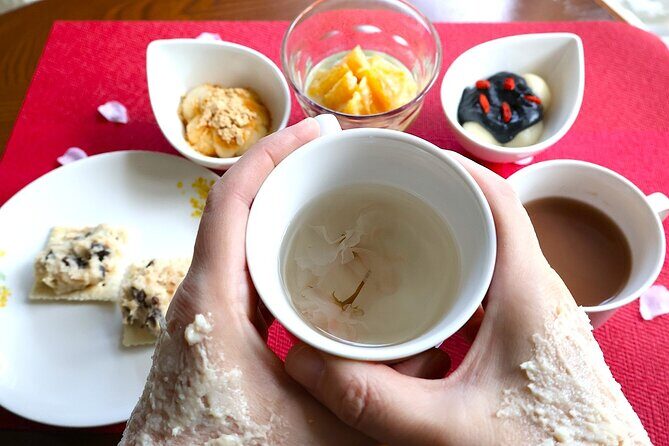
- Amazake-based vegan desserts: sweet fermented rice flavor without sugar added (per the class notes)
- Sake kasu hand mask trial: beauty-focused practice using sake lees, with a clear alcohol/sensitivity note
- Sakura tea and Japanese tea included: a beauty afternoon tea setup, not just a cooking demo
- Central Tokyo location: near Akasaka-Mitsuke Station, handy even if you’re staying around Shibuya
- Seasonal menu changes: you’re cooking what’s currently in the lineup, not the same template every time
- Max 6 people: more time for questions during a 2-hour session
Fermented Desserts and Beauty Tea in Central Tokyo
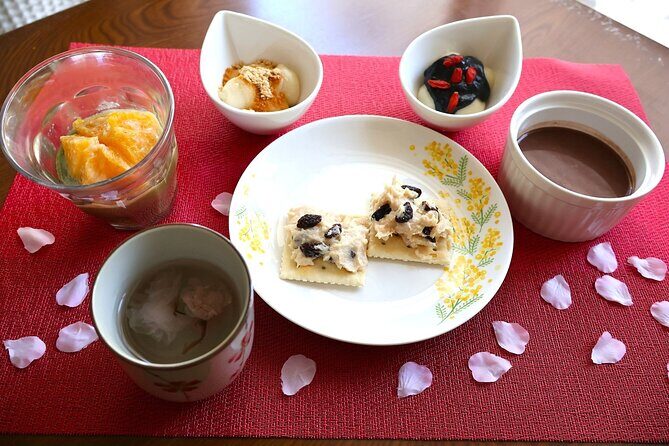
If you want a Japan food experience that feels different from the usual sushi or ramen loop, this one is built around fermentation. You don’t just hear about it; you use fermented ingredients to create desserts, then you pair that with a beauty trial using sake kasu.
I like that the class frames fermentation as more than a food trend. The format connects it to Japanese history, culture, and health tips, so your kitchen creations come with context you can actually use. It’s also vegan throughout, so you get the full Japanese angle without hunting for substitutions.
The timing is another big plus. You’re booked for about 2 hours starting at 2:00 pm, which fits neatly into a busy Tokyo day. And with the venue in central Tokyo, you’re not gambling on long walks or complicated connections if weather shifts.
You can also read our reviews of more food & drink experiences in Tokyo
What You’ll Make: Vegan Sweets Built Around Amazake
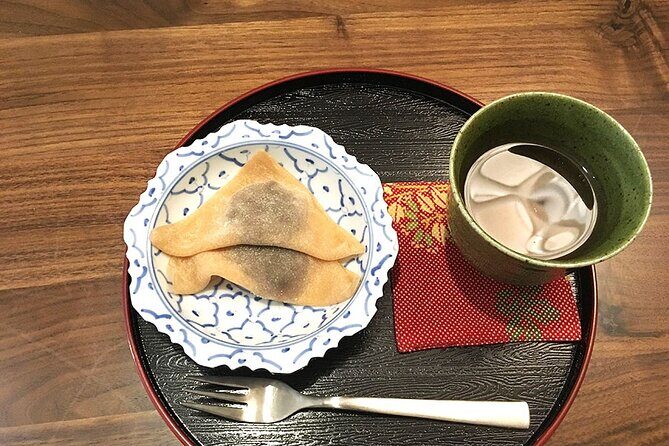
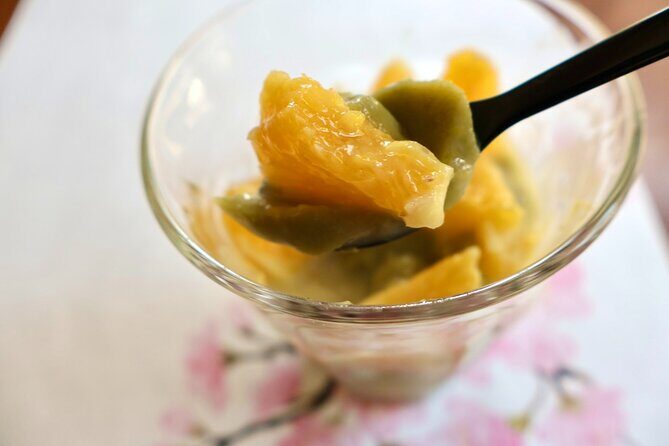
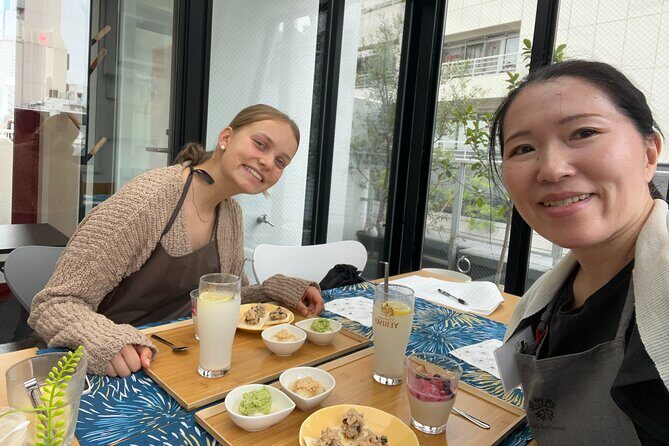
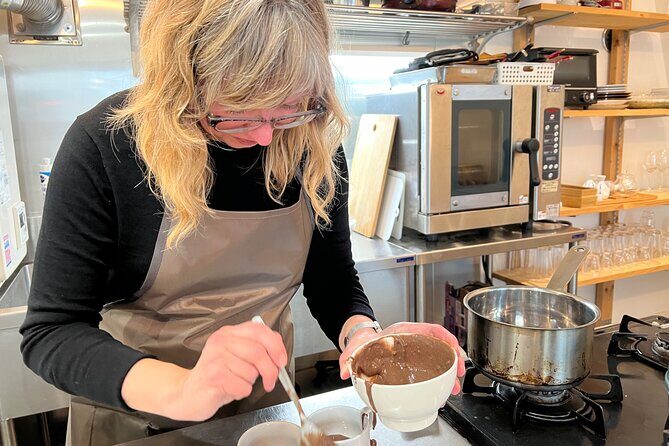
The heart of the class is dessert cooking using fermented Japanese staples: amazake and sake kasu. Amazake here is described as a traditional fermented rice paste that’s very sweet without sugar, which matters because it changes what “sweet dessert” means in the session. Instead of relying on added sweetness, the flavor comes from fermentation.
You’ll also get a lesson-style approach, not just hands moving fast. The class explains how these ingredients connect to health and beauty goals—specifically gut health and glowing skin—while you make snacks and desserts together.
One practical detail: the menu changes depending on the season. That’s good news for two reasons. First, it prevents the class from feeling stale if you’re booking at different times of year. Second, it means you should expect slight variation in what you’ll actually cook, even though the core ingredients and format stay the same.
Value-wise, the included items help you get more out of the 2 hours. You don’t just taste; you cook with guidance, get the snacks and desserts made during the class, and take home a lecture handout with recipe-style materials.
Sake Kasu Hand Mask Trial: Where Beauty Meets a Real Ingredient Note
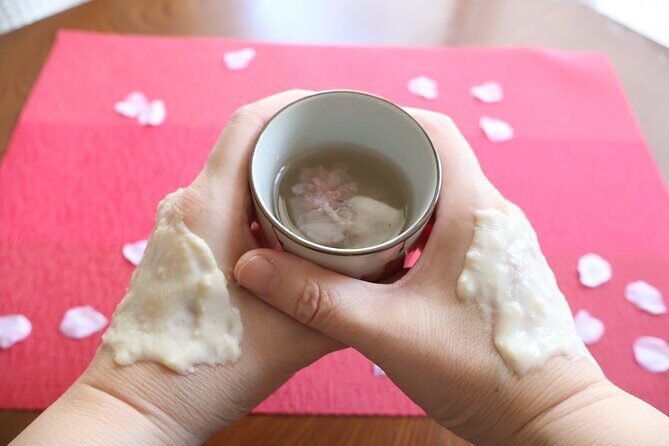
This is the signature twist. After the dessert-focused part, you try a sake kasu hand mask. Sake kasu are the sake lees—the nutrient-rich byproduct left after pressing sake—used in the class ingredients and also for the mask trial.
Now for the practical part you should take seriously: sake kasu contains around 8% alcohol. The class notes say not to drive after the class, which is a straightforward safety instruction. It also says that for participants under 20 and for people who do not drink alcohol, they use banana instead. If you fall into either group, you’ll want to flag it ahead of time so the experience fits you.
Sensitive skin and hands matter too. The class is not available if you have cuts or wounds on your hands, and sake kasu may not suit everyone’s skin and could cause irritation for those with sensitive skin. That doesn’t mean it’s risky for everyone—it just means the class is hands-on and beauty-focused, so you should be honest about your skin and any open spots.
If you’re the kind of traveler who likes beauty experiences that use real food ingredients (not just gimmicks), this is a strong match. If you’re dealing with skin sensitivity, you’ll want to plan carefully and use the provided banana option if eligible.
Japanese Tea Time with Sakura Tea
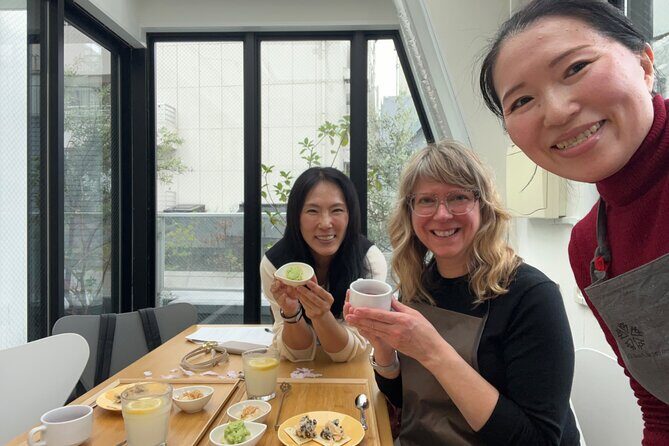
You’ll also have an included tea moment as part of the experience. Alongside coffee and/or tea (the class lists green tea or other Japanese tea), there’s sakura tea as part of the lineup.
This matters because it changes how the class feels at the end. It stops being only about cooking and becomes more like an afternoon break where you can digest what you learned—literally and figuratively. And since the experience includes both snacks/desserts and a tea setup, it can feel like a complete meal-adjacent stop, not just a workshop.
Expect this to pair naturally with the fermentation theme. The sweetness and aroma from amazake-style flavoring and the tea experience help tie the session into something you could recreate in your own rhythm once you’re home.
Culture, Health Tips, and the Why Behind the How
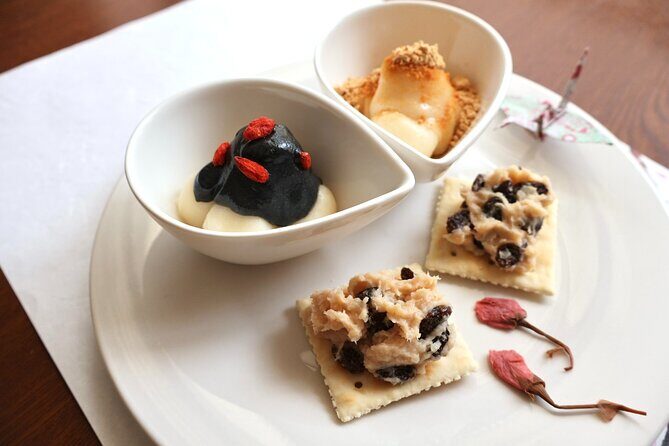
One reason food classes can disappoint is that they teach technique but skip the meaning. This one tries to fix that by giving you a lecture component that covers Japan through fermentation.
The class uses ingredients tied to Japanese cooking foundations and also talks about health tips connected to fermented foods. In the session notes, the focus is on gut health and glowing skin. It’s not just “try this because it’s trendy.” You’re given reasons—framed around how fermentation is used in Japanese cuisine and how those ingredients are thought to support wellness.
You’ll also get a lecture handout with recipe/presentation materials during the lecture. That’s handy when you’re trying to remember what you mixed, what worked, and how the flavor profile was supposed to behave in a dessert.
A small thing that can make a difference: the class is designed to run smoothly in about 2 hours. So you’re not stuck in a long classroom block. It’s more like: short teaching, hands-on work, then the mask trial and tea—so the time feels productive.
A few more Tokyo tours and experiences worth a look

Price and Logistics: Does $64.09 Really Deliver?
At $64.09 per person for about 2 hours, this sits in the “good value” range for a Japan cooking class that includes more than just food. Here’s why the price is easier to justify:
- You’re getting ingredients and production time. You make the snacks/desserts together, not just taste.
- Hand mask trial is included. That’s a separate experience element, and it’s baked into the same price.
- Tea/coffee and dessert output are included. The experience is meal-adjacent, not a tiny sample.
- You get recipe-style materials. The lecture handout is part of what you’re paying for.
Where value can vary by traveler is your comfort with the unique ingredient. If you’re mainly looking for a standard vegan baking class, fermentation plus sake byproducts may be a harder sell. But if you want Japanese-specific food culture and a beauty angle, the $64.09 price feels more aligned with what makes this class different.
Also check the group size. Maximum 6 travelers means the teacher can likely support you more than in larger groups, which often matters for questions and for hands-on tasks like dessert shaping and mask trial comfort.
Location, Timing, and What to Do Before You Go
The meeting point is Akasaka-Mitsuke Station, with the specific address listed as 3-chōme-1-6 Akasaka, Minato City, Tokyo. The session starts at 2:00 pm and ends back at the meeting point.
This location choice is more than a convenience detail. Central Tokyo scheduling is tough. When a class is near a major station, it makes it easier to keep your day from turning into a metro relay. The class notes say it’s about 10 minutes from Shibuya Station, which fits many itineraries.
For weather: the experience requires good weather, so you should expect some rescheduling risk if conditions are poor. That said, the venue is stated as being convenient indoors/central enough that you’re less likely to struggle with travel time during the session itself.
One more timing note: because the class uses sake kasu with alcohol content around 8%, the instructions say not to drive after the class. If you’re using transit, that’s usually fine. If you’re planning a car day, you’ll want to adjust.
Extra Credit: The 11am Fermented Food Lunch Option
There’s a special promotion if you want to make it a full day theme. The class listing includes another option called Fermented Food Lunch Class starting at 11am. If you join both classes on the same day, you receive a special gift: rice koji amazake, the same one used in the dessert class.
If you’re the type who really likes learning one topic in depth, this is a smart way to get more repetition and more chances to ask questions. Just keep your schedule realistic: you’re stacking two food learning blocks and then dealing with the hands-on mask element.
Who This Class Fits Best (and Who Should Skip)
This class is ideal if you want:
- A vegan cooking experience with a distinctly Japanese ingredient focus
- A dessert class that actually teaches the why behind fermented foods
- A beauty add-on that uses sake kasu in a practical way
- A small-group workshop in central Tokyo that’s easy to fit into a tight itinerary
You should be cautious or consider alternatives if:
- You have sensitive skin or you’re worried about irritation from cosmetics/food-derived ingredients
- You have any cuts or wounds on your hands
- You’re traveling with requirements around alcohol, since sake kasu contains about 8% alcohol (banana is available for eligible participants)
Kids: it’s noted as not suitable for children 6 and under due to the difficulty of the lecture, so plan accordingly if you’re traveling as a family.
Should You Book This Beauty Vegan Dessert + Sake Kasu Class?
If you’re looking for a straight-up vegan dessert class, there are plenty of options in Tokyo. This one earns its keep by being Japan-specific and hands-on in two ways: you work with amazake and sake kasu and you try a sake kasu hand mask.
I’d book it if you want something memorable that’s not just another meal stop. The combination of fermented food culture, dessert-making, and the beauty trial makes it feel like a theme you can carry into your next days of eating in Japan. The 2-hour schedule and central meeting point make it practical for a busy trip.
I’d skip it if you know fermentation ingredients or beauty masks won’t work for you, especially if you’re dealing with sensitive skin or any hand injuries. But if you can handle the notes around alcohol content and you’re comfortable trying a mask made from sake lees, it’s a strong value buy.
FAQ
How long is the class?
It runs for about 2 hours.
Where do I meet for the activity?
You meet at Akasaka-Mitsuke Station, with the address listed as 3-chōme-1-6 Akasaka, Minato City, Tokyo 107-0052, Japan.
What time does it start?
The class starts at 2:00 pm.
Is the class vegan?
Yes. All dishes are vegan.
What fermented ingredients are used?
You’ll work with amazake and sake kasu. Sake kasu is described as sake lees and contains around 8% alcohol. Amazake is described as a traditional fermented rice paste that is very sweet without sugar.
Is a hand mask included?
Yes. You get a sake kasu hand mask trial as part of the experience.
What if I’m under 20 or I don’t drink alcohol?
The class notes that for participants under 20 and people who do not drink alcohol, they use banana instead. You should write this preference when booking.
Does the menu stay the same all year?
No. The menu changes depending on the season.
Is it suitable for young children?
It may not be suitable for children age 6 and under due to the difficulty of the lecture.
Can I join if I have cuts or wounds on my hands?
No. The mask trial is not available if you have cuts or wounds on your hands. The class also warns that sake kasu may irritate sensitive skin.