REVIEW · KYOTO
Private Ramen or Gyoza Cooking Class in Kyoto with Chef Midori
Book on Viator →Operated by Traveling Spoon · Bookable on Viator
Cooking in a real Kyoto home wins.
This private Japanese cooking class near Gion feels like visiting a friend who happens to be a ramen and gyoza-obsessed pro, with a welcoming start and one-on-one guidance. Two things I love: you get personal attention from Chef Midori (not a factory-style group lesson), and you finish by eating what you made, while she shares practical Kyoto tips for food shopping and where to go next. One possible drawback to consider is that this is a home studio experience, so the space is cozy—great for chatting, but not the kind of place where you want to rush around or expect a big, commercial setup.
Chef Midori has taught Japanese cooking for 30+ years, and the lesson focuses on the basics that actually matter at home: soy sauce, mirin, sake, and miso, plus the techniques behind them. The class runs about 1.5 hours of cooking, then there’s a shared meal, so the timing works well if you want something more meaningful than a quick dinner. Also, if you have allergies or specific needs, you’ll want to flag them early—dietary options like vegetarian and vegan are available, but it’s best to confirm your menu choice during booking. And yes, there’s a cat in the home; it stays upstairs and doesn’t enter the kitchen or dining area.
You’ll meet near the Gion area, and it’s close to public transportation, which helps if you’re juggling temples, markets, and dinner reservations. For me, the biggest value isn’t just learning a dish—it’s learning how to think like a Japanese home cook, then getting Midori’s real-world recommendations while the food is still warm.
In This Review
- Key things that make this class worth your time
- A Kyoto home studio setup that feels far more human than a cooking school
- Chef Midori’s teaching style: basics first, then the confidence to recreate it
- Choosing your set menu: where ramen or gyoza can fit into a bigger meal plan
- What happens during the class (and why the timing works)
- Dietary needs are handled, but your advance choice matters
- The cat upstairs: small detail, worth knowing
- Logistics that actually matter in Kyoto: location, transit, and meeting point
- Price and value: is $169 per person fair for a private cooking lesson?
- Who should book this (and who might not love it)
- So, should you book Chef Midori’s private ramen or gyoza class?
- FAQ
- How long is the cooking class?
- Where does the class take place?
- What do I cook?
- Can the class accommodate vegetarian or vegan diets?
- Are kosher or halal options available?
- Is this a private class or shared group activity?
- Is there a cat in the home?
- What happens after the cooking?
- What is the cancellation policy?
- Do I receive a ticket on my phone?
Key things that make this class worth your time
- Chef Midori’s 30+ years of teaching: clear steps, lots of back-and-forth, and practical technique
- Private lesson for your group: you can ask questions instead of waiting your turn
- Pick from 5 set menus: your dish shapes the whole experience, and veg/vegan options are available
- Hands-on cooking plus demonstration: you’ll actually make the food, not just watch
- Eat together at the end: you enjoy the meal you helped create right in the studio
- Kyoto shopping and restaurant tips: she shares where to buy ingredients and what’s worth seeking out
A Kyoto home studio setup that feels far more human than a cooking school
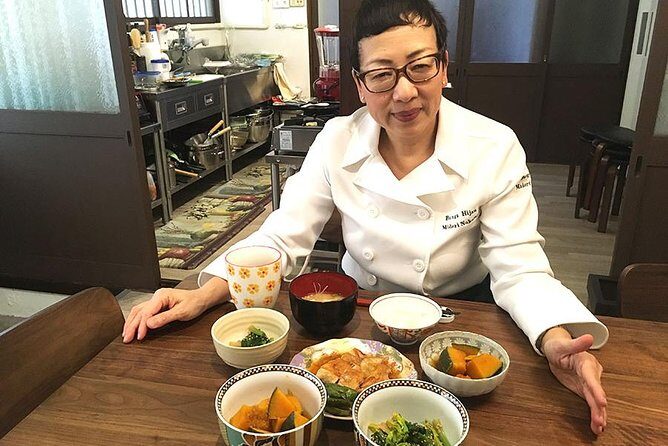
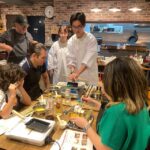
This class is held in a local cooking studio near Gion, which is exactly the sweet spot for visitors who want Kyoto flavor without the usual tourist bottleneck. Instead of a crowded kitchen with a dozen people and one loud teacher, you’re in a cozy space with your own rhythm. That matters more than you might think, because good cooking is mostly about timing, heat control, and tiny adjustments—and Midori is able to guide you through those in real time.
The vibe is relaxed. One of the reasons people love Midori’s classes is how quickly she makes it comfortable to speak up with questions. You’ll start with a traditional cup of Japanese tea, then shift into ingredients and methods at a pace that lets you actually retain what you learn.
One practical note: since it’s a home environment, don’t expect high-end restaurant theatrics. Do expect real kitchen habits, real conversation, and a setting that helps you focus.
You can also read our reviews of more private tours in Kyoto



Chef Midori’s teaching style: basics first, then the confidence to recreate it
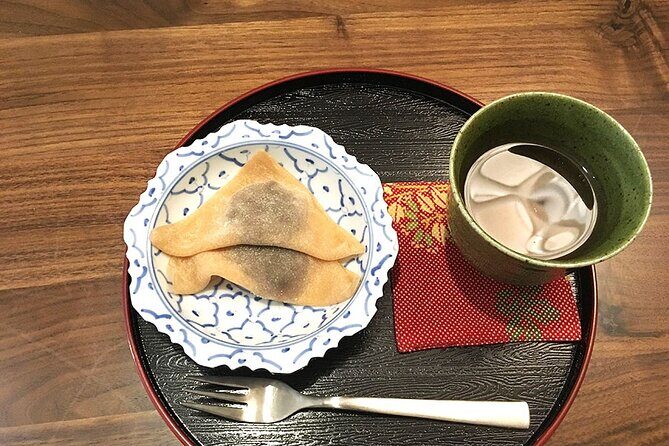
Midori teaches Japanese cooking for over 30 years, and it shows in how she explains the core building blocks. Early on, you’ll work through the essential sauces and flavor anchors—soy sauce, mirin, sake, and miso—and you’ll learn why each one matters. That’s the kind of knowledge that helps beyond your specific menu, because Japanese home cooking often starts with the same flavor toolkit.
From there, the lesson blends demonstration with hands-on work. So you’ll see the technique, then you’ll do it. That structure is especially useful if you’re the type who learns by doing (or if your travel companion is more adventurous than you are).
Midori is also known for being warm and engaging—people describe her as funny, welcoming, and attentive in the moment. The result is that the class doesn’t feel like a script. If you’re curious about substitutions, ingredient choices, or how Japanese kitchens handle timing, you’re likely to get an answer that’s useful, not generic.
Choosing your set menu: where ramen or gyoza can fit into a bigger meal plan

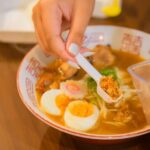
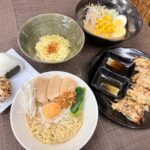
This experience is designed around set menus, and you choose among five options when you book. If the listing theme pulls you in with ramen or gyoza, you should still plan to treat this as a full Japanese meal experience, not a single-dish crash course.
Based on the menu options offered, you might cook:
- Tonkatsu (breaded cutlet)
- Miso soup
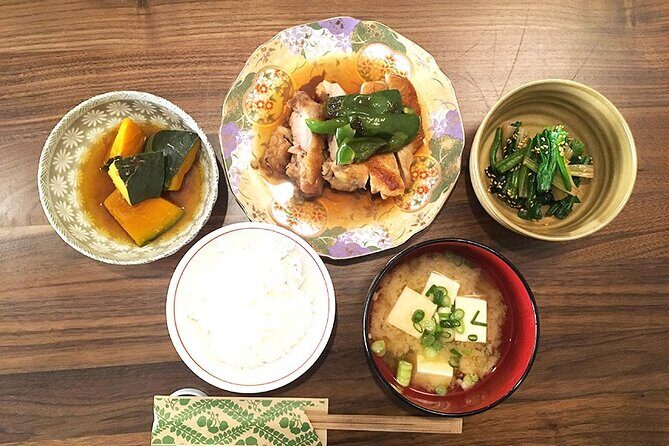
- Teriyaki chicken
- Sushi
- Kansai-style street snacks such as gyoza (dumplings), takoyaki (octopus balls), or okonomiyaki (savory pancakes)
Here’s how that helps you as a traveler: you’re not just learning one trick. You’re learning how dishes connect—sauces, textures, and how different items fit into the same table.
Important consideration: because you choose the set menu in advance (through your booking requirements), you’ll want to pick based on your comfort level. If you’re excited about dumplings, choose the menu that includes gyoza. If you want a broader spread, a menu with sides or soup can be more satisfying for your trip meal memory—and it gives you more to recreate back home.
What happens during the class (and why the timing works)
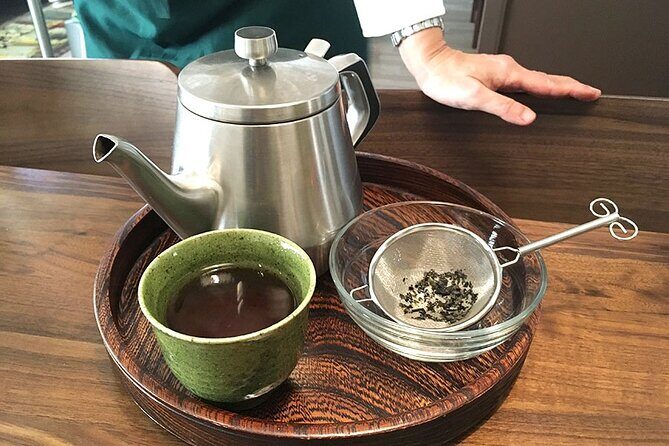
Total duration is about 2 hours 30 minutes. The cooking portion lasts about 1.5 hours, followed by a shared meal.
A typical flow goes like this:
- Welcome and tea
You’ll be greeted in the studio and offered a traditional cup of Japanese tea before cooking starts.
- Core ingredients and quick technique briefing
Midori walks you through the fundamentals—how flavors are built using soy sauce, mirin, sake, and miso.
- Hands-on cooking with guidance
You’ll prepare your selected menu dishes, with Midori guiding you as you go. Expect a mix of demonstration and doing.
- Shared meal
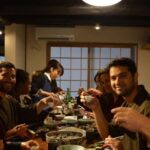
You eat what you helped make. During this part, Midori shares recommendations for local restaurants and insider tips on where to shop for food and souvenirs in Kyoto.
This structure is great for two reasons. First, you learn while you’re still fresh, not after you’ve already gotten hungry. Second, you get the meaning of the meal immediately—food that tastes good in your own hands sticks in your head.
Dietary needs are handled, but your advance choice matters
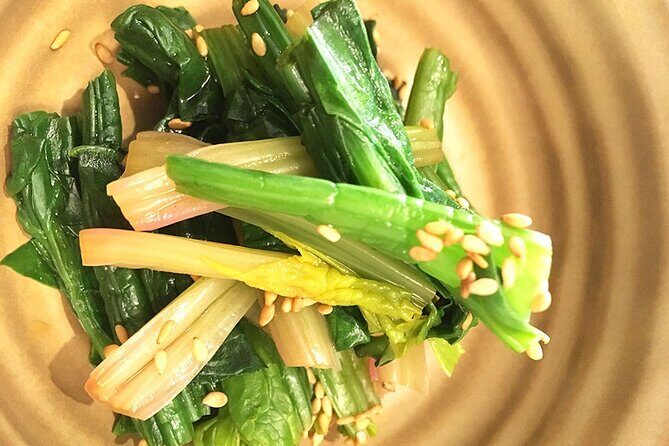
One of the strongest practical benefits here is that dietary options are available. The experience can accommodate vegetarian, vegan, kosher, and halal options, as long as you advise at booking.
That’s a big deal in Kyoto, where menus often assume fish stock, soy ingredients, or cross-contact. The cooking class setup helps because you’re not trying to guess your way through side dishes—you’re choosing a menu that fits you, then cooking it.
My advice: don’t wait until the day-of to clarify needs. If you have dietary restrictions, include them clearly during booking and make sure they align with your set menu selection. That’s the simplest way to avoid last-minute confusion.
You can also read our reviews of more cooking classes in Kyoto


The cat upstairs: small detail, worth knowing
Yes, there’s a cat in the home. It stays upstairs and does not enter the kitchen or dining area. If you’re sensitive to pet dander, this is the kind of detail that helps you decide with confidence. For most people, it shouldn’t affect the class, but it’s good you know the rule before you commit.
Logistics that actually matter in Kyoto: location, transit, and meeting point
This class is near Gion and is close to public transportation, which helps if you’re building a day around multiple neighborhoods. You’ll meet at the Traveling Spoon meeting point, and the activity ends back at the meeting point.
Why I care about that: Kyoto days can balloon fast. A class with an easy transit connection makes it easier to avoid the end-of-day scramble.
Also, the experience uses a mobile ticket, which is convenient when you’re moving between temples, markets, and train stations.
Price and value: is $169 per person fair for a private cooking lesson?
At $169 per person, this isn’t a cheap activity. But in Kyoto, private food experiences often cost real money—and what you’re buying here is not just instruction. You’re paying for:
- A private, personalized lesson (your group only)
- Time with Chef Midori, who’s teaching for 30+ years
- A full cooking session with hands-on work
- A shared meal afterward
For a couple or a small group, that can feel like great value compared with paying for multiple meals plus a class somewhere else. And because the dishes are designed to be recreated at home, the class isn’t just entertainment—it’s a skill package.
That said, if you’re on a tight budget or only want one quick snack, you might find other food activities cheaper. But if you’re the type who loves cooking, or you want an experience that changes how you eat in Japan, this price makes more sense.
Who should book this (and who might not love it)
I’d especially recommend this if you:
- Want something more personal than a group cooking class
- Love Japanese food and want to learn why sauces and techniques work
- Have a dietary preference (veg/vegan/kosher/halal), because menus can be adjusted
- Are traveling as a couple, family, or small group and value conversation time
You might think twice if:
- You prefer large, high-energy experiences and hate any calm, home-based pace
- You’re looking for a quick one-dish tasting event rather than a lesson plus meal
- You strongly dislike small indoor spaces (it is a cozy home studio)
So, should you book Chef Midori’s private ramen or gyoza class?
If your ideal Kyoto moment is learning real technique, eating what you made, and getting Midori’s practical Kyoto advice, then yes—book it. The class has a rare mix: serious food instruction plus a friendly, human atmosphere. The private setup is the key. You’ll get more out of the experience because you can ask questions and adjust as you cook.
My decision rule: if you’re excited about gyoza, miso, tonkatsu, sushi, or Kansai-style snacks—and you want to bring those skills home—this class is a smart spend.
FAQ
How long is the cooking class?
The experience lasts about 2 hours 30 minutes (approx.), with about 1.5 hours of cooking and then a shared meal afterward.
Where does the class take place?
It’s in Kyoto at a local cooking studio near Gion. The meeting point address is listed as Japan, 600-8806 Kyoto, Shimogyo Ward, Chūdōji Mibukawachō, 713-7番地13, and it ends back at the meeting point.
What do I cook?
You choose one set menu option among five different choices when booking. Options include dishes like teriyaki chicken, sushi, tonkatsu, and Kansai street snacks such as gyoza, takoyaki, and okonomiyaki.
Can the class accommodate vegetarian or vegan diets?
Yes. Vegetarian and vegan options are available, and you should advise your dietary needs at the time of booking.
Are kosher or halal options available?
Yes. Kosher and halal options are available as well. You’ll want to note your requirements during booking so the host can prepare appropriately.
Is this a private class or shared group activity?
It’s private. Only your group participates.
Is there a cat in the home?
Yes, a cat resides in the home but remains upstairs during the class and does not enter the kitchen or dining area.
What happens after the cooking?
After cooking, you share a meal and eat the dishes you helped make. During the meal, Chef Midori also shares local recommendations and shopping tips.
What is the cancellation policy?
Free cancellation is available up to 24 hours in advance for a full refund. If you cancel less than 24 hours before the start time, the amount paid is not refunded.
Do I receive a ticket on my phone?
Yes. The experience uses a mobile ticket. Confirmation is received at the time of booking.