REVIEW · KYOTO
Factory Tour and Goshuin Book making workshop
Book on GetYourGuide →Operated by 株式会社 西川紙業 · Bookable on GetYourGuide
Paper craft beats another temple selfie. This one-hour factory tour and workshop shows how a Kyoto-style goshuincho temple stamp book is made, then lets you design the cover with Yuzen washi paper. I love that it is hands-on, not just watch-and-clap sightseeing, and I love seeing how a real factory turns materials into something you’ll actually use on your Kyoto shrine stops. One heads-up: it’s a short experience, so you’ll want to have a plan for the rest of your day once your book is finished.
The experience is run in a small group format, and the people guiding you make a big difference. In particular, Saori and Ayaka are described as helpful and patient, even when you are not “crafty.” A possible consideration is practical more than artistic: you handle getting to the company shop yourself, since transportation isn’t included.
In This Review
- Key highlights worth your time
- Why a Goshuincho workshop feels more Kyoto than another “checklist” stop
- Nishikawa’s factory tour: watching the craft behind the paper
- Yuzen washi paper choices: designing your cover like it’s your own stampbook
- Guides that keep it smooth: English, Japanese, and patient hands
- Pairing it with Kyoto sightseeing: make your shrine stops feel connected
- Price and value: $70 that you actually get to use
- Who should book this goshuincho factory tour
- Should you book it
- FAQ
- What is included in the Factory Tour and Goshuin Book making workshop?
- How long does the experience last?
- How big is the group?
- What languages are available for the tour?
- Where is the meeting point?
- Is transportation to the site included?
- Is this suitable for young children?
Key highlights worth your time
- Factory-to-finish access to see craftsmanship made in-house, not outsourced.
- Your own goshuincho cover design using Yuzen washi paper you choose yourself.
- Small group pacing (up to 10 participants) that keeps the workshop from feeling rushed.
- Friendly English support with live guidance in English and Japanese.
- A take-home book for shrine collecting, so the experience continues after the workshop.
Why a Goshuincho workshop feels more Kyoto than another “checklist” stop
Kyoto is famous for shrines, but the fun isn’t only looking. The fun is participating. A goshuincho is a temple-stamp book, and it’s made for collecting ink impressions from shrines and temples across your trip. So instead of doing Kyoto as a photo loop, you’re doing it as a personal collection.
What makes this workshop special is that you start with the object itself. You choose the look of your book first, then you can carry it through Kyoto like it belongs to your trip. That changes your mindset. When you later visit a shrine, you are not just standing there hoping it’s a good angle. You’re thinking about the next page, the next stamp, the next place.
And there’s another “Kyoto beyond ordinary sightseeing” angle. You’re stepping into paper craftsmanship, which is a daily-life skill in Japan, not a staged performance for tourists. Even if you are only there for an hour, you’ll see how much care goes into materials and finishing.
A few more Kyoto tours and experiences worth a look

Nishikawa’s factory tour: watching the craft behind the paper
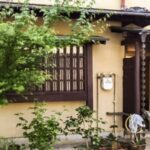
This is a factory tour inside the company premises, where you can see how the craftsmanship connects from production to final items. Since the provider produces everything in-house, you are not walking through a random warehouse. You’re seeing a working process and listening to guided explanations while you watch skilled artisans at work.
From a value standpoint, the factory part matters because it adds context to what you make later. When you see how materials are handled and prepared, your workshop feels less like a souvenir class and more like learning a small slice of real production. It’s also one of the few ways to get inside a manufacturing environment in Kyoto’s wider region without making complicated arrangements.
What to expect during the tour:
- A guided walkthrough with explanations as you move through the factory area
- Close-up moments where you can see craft details you would miss from the outside
- A fast pace that fits the one-hour total timing, so you get a “yes, I understand” overview rather than a long lesson
The trade-off is the obvious one: with only an hour total, you’re not getting a full day of manufacturing education. If your goal is deep technical knowledge, you might want to pair this with other paper-related stops later in your trip. But if your goal is to leave with a book and a real sense of how it’s made, the length works well.
Yuzen washi paper choices: designing your cover like it’s your own stampbook
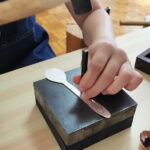
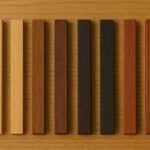
The workshop is where the experience becomes personal. After the factory tour, you head into a hands-on making session where you select from a variety of beautiful Yuzen washi papers. Yuzen is known for richly patterned designs, and here it becomes your design palette.
In practical terms, the structure is:
- Choose the paper you want for your goshuincho
- Work through the steps to assemble or set up your original goshuincho
- Finish with a take-home book you can use for collecting goshuin throughout Kyoto
The best part is that you don’t need prior skill. One review specifically notes that even a non-skilled participant could complete it, which matters. This is a workshop built for visitors who want an authentic Kyoto craft experience without needing to “be good at crafts” first.
Also, because your materials are included in the price, your choices feel low-pressure. You’re paying for the tour, the guide, the materials fee, and the finished goshuincho, so you don’t have the awkward souvenir-class feeling where you’re constantly asked to upgrade or add-ons.
A small tip: go in with a mindset of choosing patterns you’ll still like after the novelty wears off. You might think you want the flashiest paper, but your goshuincho is meant to travel with you. Choose something that feels like your trip story, not just the most eye-catching option.
Guides that keep it smooth: English, Japanese, and patient hands
This experience runs with a live tour guide in English and Japanese, and it stays small with a maximum of 10 participants. That matters more than it sounds. In short workshops, small group size keeps instructions clear and gives you time to ask for help.
What I like most about how this is set up is the tone people describe: friendly and supportive. Saori and Ayaka are mentioned by name in reviews as helpful and informative, with assistants who keep things moving. That kind of staff energy changes the whole feel of the workshop. It turns “Do I look like I’m doing this right?” into “Cool, I can do this.”
If you are traveling in Japan and you worry about language barriers, you’ll probably appreciate that English support is part of the plan, not something you have to negotiate on the spot. You’re also not stuck with just hand gestures; the guidance is structured enough for visitors to follow along.
One more practical detail: the tour includes you receiving an original goshuincho (the finished stamp book), not just a component. That’s important for value and for the emotional payoff. The result is complete and ready to use.
Pairing it with Kyoto sightseeing: make your shrine stops feel connected
The workshop is designed for the day after you make your book. The experience is explicitly about getting your handmade goshuincho so you can sightsee Kyoto afterward using something you crafted yourself.
That gives you an easy storyline:
- Start with craft and creation
- Move into Kyoto’s shrines and temples with the book in your bag
- Collect stamps as part of your trip memory
Timing is your main constraint. The duration is only 1 hour, so you’ll want to treat it like a “focused block” early or mid-day, then leave room for shrine hopping after. If you try to cram it during a hectic commute window, you might end up stressed instead of excited.
Also note the meeting point: it’s at the provider’s shop located within their company premises. Transportation to the site is not included, so build in time to get there and find the entrance without rushing. In Kyoto, “I’ll just figure it out” often turns into “I’m late and embarrassed.” Plan your route and you’ll enjoy it more.



Price and value: $70 that you actually get to use
At $70 per person, this isn’t a budget souvenir class, but the value is tied to what you walk away with. Your price includes:
- The factory tour
- A guided tour with a live guide
- An original goshuincho (temple stamp book)
- Material fee / cost of materials
So you’re paying for an entire package: guided access to a factory plus a guided hands-on creation plus the supplies that let you finish the book.
The best way to think about value here is not the workshop alone. The true payoff is that the goshuincho becomes your collection tool for Kyoto. Many travel experiences end when you leave the building. This one continues, because you can keep adding pages through the rest of your trip.
The small-group size (up to 10) also supports the value. Short workshops can feel chaotic when there are too many people. Here, the format is limited, which makes instructions more practical and improves the odds that you’ll actually finish what you start.
Who is this a good deal for?
- People who like craft but don’t want to spend half a day on it
- Travelers who already plan to visit shrines and want a stamp book to match
- Anyone who wants a Kyoto experience that’s not just temples and streets
- Couples or small groups who want a guided, friendly activity
Who might hesitate?
- If you only want “major cultural sites” and don’t care about handmade objects
- If you’re trying to pack in too many activities right at the start of a travel day
- If you need transportation fully handled end-to-end (because it is not included)
Who should book this goshuincho factory tour
I think this is a great fit if you want your Kyoto trip to have one strong, hands-on thread. You’ll come away with something usable, personal, and tied directly to the shrine-collecting tradition.
It is also a good option if you like talking to locals and watching skilled work up close. Reviews highlight that participants enjoyed speaking with staff and that the process feels welcoming even if you are not experienced.
A couple of boundaries to keep in mind:
- Minimum 2 participants per booking
- Not suitable for children under 5 years
If your group meets those requirements and you are okay handling your own transport to the meeting point, you’re set up for a smooth experience.
Should you book it
Book this if you want a short, high-reward Kyoto activity that ends with a take-home book you can use immediately. The combination of a real factory tour, English/Japanese live guidance, and a guided workshop with Yuzen washi paper choices makes it feel authentic rather than touristy.
Skip or rethink it if you are only interested in long, site-based temple visits and don’t care about collecting goshuin. Also, if you hate navigating on your own, remember transportation isn’t included, and the meeting point is at the company shop within the premises.
If you can handle the logistics and you want something you can carry through Kyoto, this is one of the more practical “do it today, enjoy it all week” experiences.
FAQ
What is included in the Factory Tour and Goshuin Book making workshop?
The price includes the factory tour, a live guided tour, an original goshuincho temple stamp book, and the material fee for the items used in the workshop.
How long does the experience last?
The duration is 1 hour.
How big is the group?
It’s a small group limited to 10 participants.
What languages are available for the tour?
The live tour guide is available in English and Japanese.
Where is the meeting point?
You meet at the provider’s shop located within their company premises, and staff will be waiting there.
Is transportation to the site included?
No. Transportation to the site is not included.
Is this suitable for young children?
It is not suitable for children under 5 years.