REVIEW · TOKYO
From Tokyo: Private Motorcycle Tour – Fuji, Hakone, Onsen
Book on GetYourGuide →Operated by HavenJapan · Bookable on GetYourGuide
A motorbike day out of Tokyo can feel like Japan’s best cheat code. This one layers Mount Fuji viewpoints, Hakone onsen time, and some of the world’s best curve-filled roads into a single 10-hour run. I like that it’s genuinely private and flexible, so you can adjust for your pace. The main thing to watch is that weather can hide Mt Fuji, and you’ll be in motorbike gear all day, so hot-weather discomfort is real.
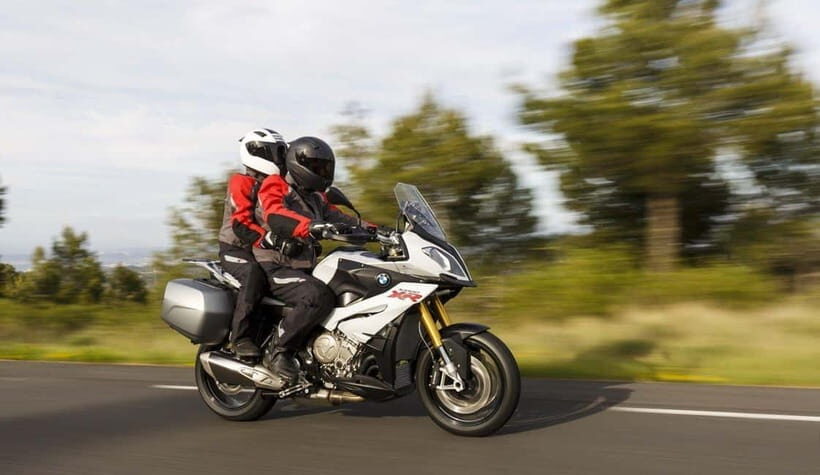
Here’s why this tour works: you’re not stuck in slow traffic with a camera-bag shuffle. You get an English-speaking guide (with French, Japanese, or German available too), plus helmet and gloves, and you spend the day doing the scenic parts the way they’re meant to be experienced—on two wheels, with planned stops that actually make sense.
In This Review
- Key highlights to look for on this Fuji-Hakone motorbike day
- Tokyo to mountain roads: what makes this day trip feel special
- Riding it right: helmets, pacing, and the guide’s job
- Stop-by-stop: Fuji viewpoints and Lake Ashi’s quiet contrast
- Getting your Fuji fix (even when it’s moody)
- Lake Ashi: the calm break in the middle
- Hakone Shrine and Shakushi Pass: where driving becomes part of the story
- Tenzan Onsen: tattoo-friendly soak, lunch, and a real recovery break
- Museums after the soak: Open-Air Museum and Pola Museum of Art
- Hakone Open-Air Museum (about 2 hours)
- Pola Museum of Art (about 1.5 hours)
- The value question: why $548 can feel fair (or not)
- Practical tips that make the day easier
- Should you book this private Fuji and Hakone motorcycle tour?
- FAQ
- What is the total duration of the tour?
- Is this tour private?
- Where is pickup available?
- Do you need to pay extra for pickup outside Tokyo’s 23 wards?
- What’s included in the price?
- Are the onsens tattoo friendly?
- Can I request a private onsen bath?
- Are museum entry fees included?
- Is food included?
- What happens if Mt Fuji has poor visibility due to weather?
- What are the cancellation terms?
Key highlights to look for on this Fuji-Hakone motorbike day
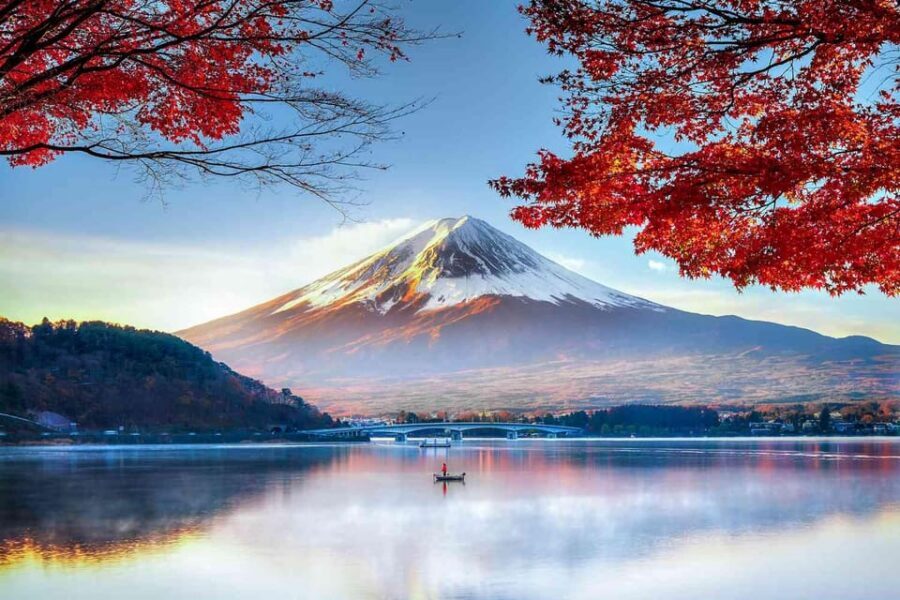
- Fuji and Hakone views from the road: you’ll hit major viewpoints without wasting the day waiting around.
- Tattoo-friendly onsen stops: all onsens you visit are tattoo friendly, and private baths are possible on request.
- Guides who tailor the pace: you’re not locked into a rigid script.
- Road quality is a feature: expect long stretches of sweeping, rider-famous roads and regular breaks for comfort.
- Museum options after soaking: the day can include the Hakone Open-Air Museum and the Pola Museum of Art, if you want them.
- Small group size (up to 6): more personal than a big bus day.
Tokyo to mountain roads: what makes this day trip feel special
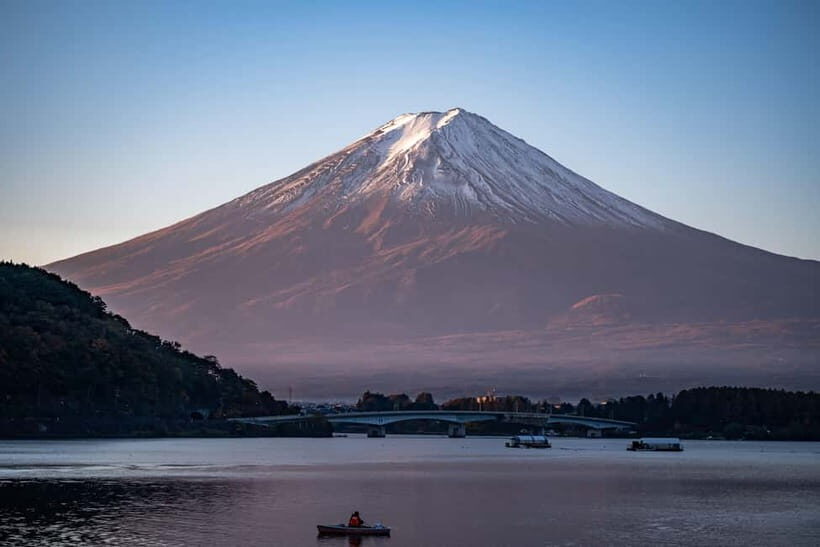
Getting out of Tokyo is the hard part. Once you’re moving, this tour turns the day into a ride with viewpoints built in. You start with hotel pickup within Tokyo’s 23 wards (with an extra surcharge possible outside that zone). Then you head out toward Hakone and Mt Fuji-area sights along scenic routes that riders talk about for a reason: they’re designed by nature for curves, sightlines, and momentum.
The vibe is practical, not fancy. You’re given the gear basics—helmet and gloves—and you follow an English-speaking guide who can switch into French, Japanese, or German depending on what you book. In the real world, that matters. If you’re a confident rider, you want a smooth day. If you’re newer, you want someone who slows down, explains the customs, and keeps you from overreaching.
One more detail I appreciate: this tour is fully flexible. If you want extra roadside views, you can usually ask for it. If you’d rather spend more time stretching or soaking than walking museums, the guide can adjust the flow.
You can also read our reviews of more private tours in Tokyo

Riding it right: helmets, pacing, and the guide’s job
You’re on a motorbike for the heart of the day, so the guide’s role is bigger than navigation. They help with safe driving, route timing, and choosing breaks that keep you from arriving stiff and tired. The schedule includes rider-friendly pauses—coffee and stretching-style breaks show up naturally in how the day runs.
If you prefer to be a passenger rather than ride, the operation can adapt. One of the guide stories includes a setup where a second guide was brought along so a couple could switch up riding time. That’s a good sign that the team pays attention to comfort and skill level, not just logistics.
What you should assume: you’ll get hot. One rider noted that on hotter days, you can sweat through motorbike gear. Wear breathable layers under your jacket if you can, and plan to drink water during stops. Heat plus motorbike movement plus photos is a tricky combo—your guide should slow things down when needed, but you’ll still want to dress smart.
Stop-by-stop: Fuji viewpoints and Lake Ashi’s quiet contrast
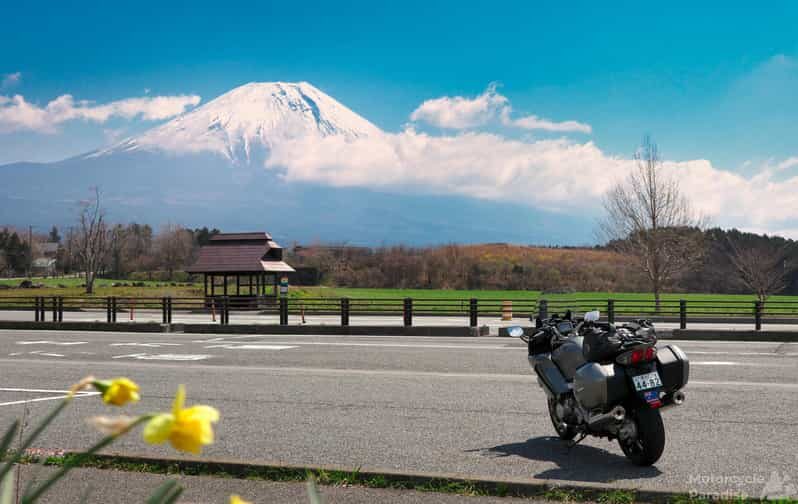
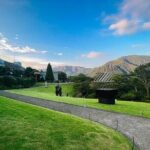
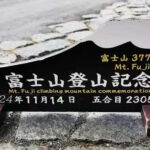
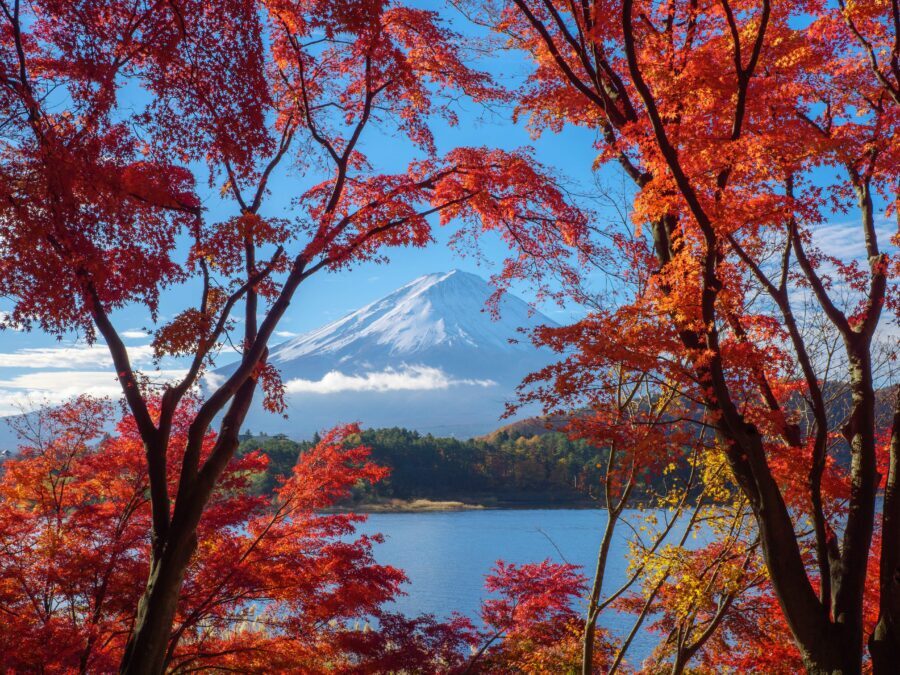
The day is built like a set of scene changes. Early on, you’re rolling from Tokyo and getting into the mountain rhythm. There’s time set aside for a viewpoint stop (about an hour), then a shorter Mount Fuji sightseeing moment (around 20 minutes). It’s not a long museum-style visit. It’s more like: arrive, look, feel the scale, then keep riding while the light is still good.
Getting your Fuji fix (even when it’s moody)
Mt Fuji visibility isn’t something anyone can control. Still, this itinerary treats Fuji as a priority stop, not an optional detour. That’s valuable. If the weather plays nice, you get that classic silhouette moment. If it doesn’t, you still come away with the satisfaction of having targeted Fuji rather than spending the day only in foggy distance.
A good strategy is to arrive camera-ready and mentally flexible. Watch for brief breaks in clouds. Your guide can also adjust where you’re positioned, within reason, to give you the best shot.
Lake Ashi: the calm break in the middle
After Fuji, you move into Hakone-area water scenery. Lake Ashi gets about an hour. This is one of those moments where the motorbike day slows down. You can take in the view, walk at a relaxed pace, and reset before the onsen portion of the day.
Lake Ashi also helps the day feel balanced. You get big mountain energy, then a quieter horizon line. It’s a nice contrast that makes the later soak feel earned.
A few more Tokyo tours and experiences worth a look
Hakone Shrine and Shakushi Pass: where driving becomes part of the story
Hakone’s most famous shrine stop is Hakone Shrine, scheduled for about an hour. It’s cultural, calm, and not rushed in this plan. You’re not just taking a quick glance; you get time to understand what you’re seeing and how people move through the space.
Then comes Shakushi Pass (about an hour). Think of this as the “ride reward” segment. Pass roads usually mean wider sightlines, stronger mountain wind, and that feeling of being on the right road at the right moment. If you’re here for motorcycle driving above all, this is one of the places you’ll appreciate most, because the scenery and the road work together.
One small practical note: wind at elevation can change fast. If you’re dressed for warmth near Tokyo, you might still want a layer that handles cooler stretches.
Tenzan Onsen: tattoo-friendly soak, lunch, and a real recovery break
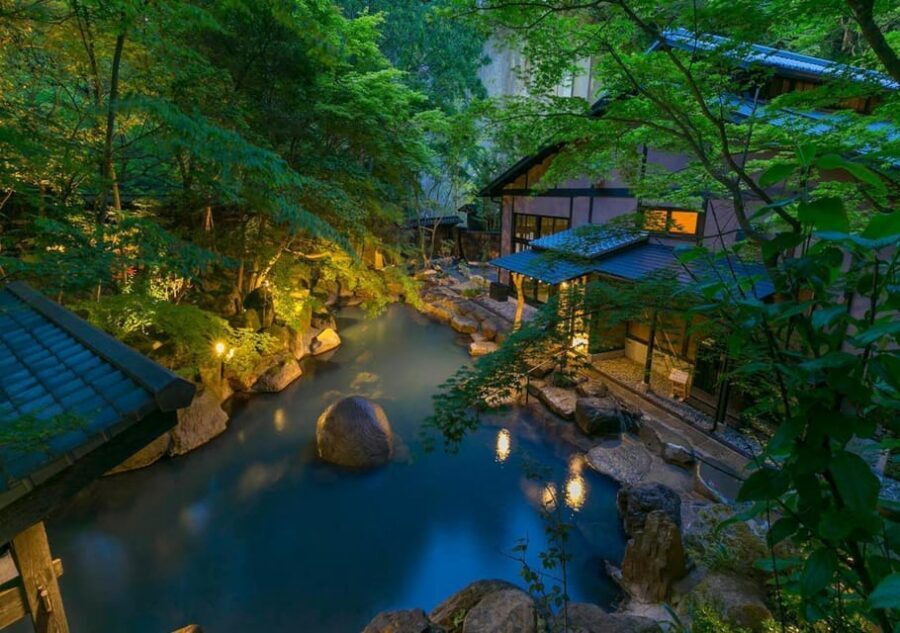
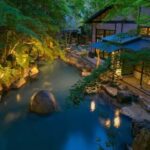
The day’s emotional reset is Tenzan Onsen. You get a lunch block (about an hour), then another hour of onsen time with free time built in. In plain terms: this is where you go from riding mode to human mode.
Two key facts make this stop easier to plan:
- All onsens visited are tattoo friendly.
- Private baths can be reserved on request (around 13,000 JPY for two hours, subject to availability).
That private-bath option is worth knowing because it changes the experience. If you want a quieter, more personal soak after a full day of riding, private time can be a big comfort upgrade.
Also, plan like a grown-up: I’d bring some cash if you can. One rider called out that cash at the onsen is a must, so don’t assume every billable add-on is card-friendly.
How the onsen fits the rest of the day matters. After Lake Ashi, a shrine stop, and mountain driving, your body will be happy you’re not forcing another long walk. You’ll come back to museums later with legs that still work.
Museums after the soak: Open-Air Museum and Pola Museum of Art
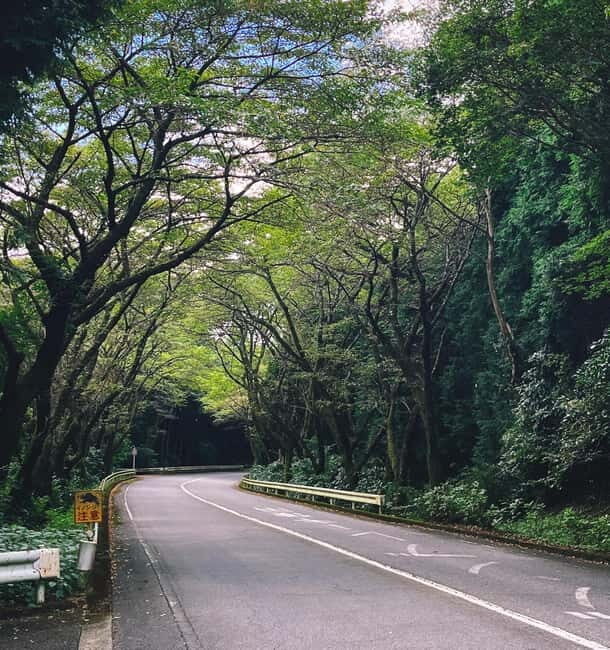
After Tenzan Onsen, the itinerary gives you two museum options, with scheduled time to actually see things—not just “pass through and glance.”
Hakone Open-Air Museum (about 2 hours)
This is time set aside for art outdoors. With a day like this, two hours is a reasonable length. You can pace yourself, sit when you need a break, and still feel like you did more than check a box.
If you’re riding-focused, you’ll likely treat the museum as a pleasant stretch. If you’re art-focused, it becomes a main event that cools you down after the heat.
Pola Museum of Art (about 1.5 hours)
The Pola Museum of Art is another scheduled block. Together, the museum time is a helpful counterweight to the sensory overload of riding and the onsen. And you can often shape how much you want—one rider mentioned they skipped museums to spend more time at the onsen, and that worked out well for them.
So here’s the practical takeaway: don’t assume you need to “complete” every stop. If your priorities are driving and soaking, you can likely trade some museum time for more rest.
The value question: why $548 can feel fair (or not)
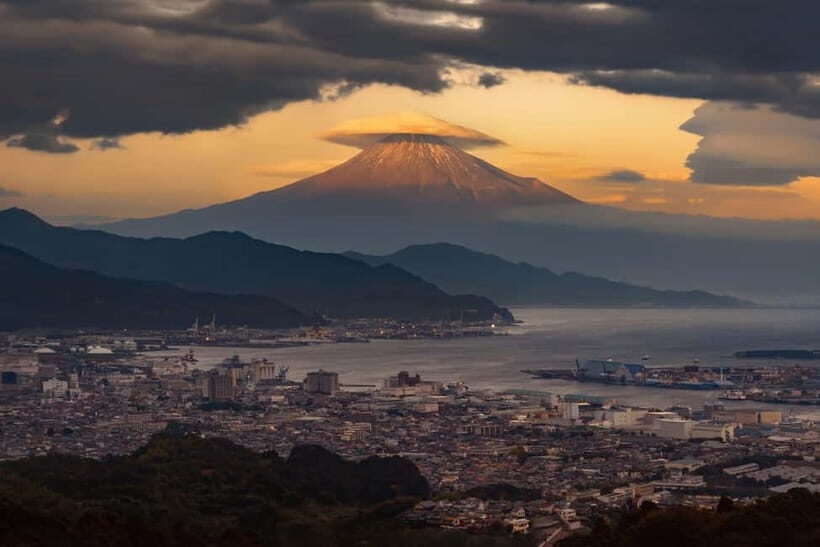
At $548 per person for roughly 10 hours, you’re paying for more than transportation. You’re paying for:
- A private motorbike experience with a guide
- Hotel pickup and drop-off within Tokyo’s 23 wards
- Helmet and gloves
- Fuel and tolls
- Authentic Japanese cuisine
- Onsen experience
- And the language coverage (English, French, Japanese, German)
Where the value lands best is when you compare it to the real cost of doing this yourself: renting a bike, dealing with the paperwork, arranging safe routes, and then still trying to stitch in onsen time plus Fuji and Hakone viewpoints. Doing it solo can feel like a logistics puzzle. Doing it with a guide is paying to remove friction.
That said, $548 isn’t “cheap.” It’s a premium day because it includes the parts that usually cost time and brainpower. If you love motorcycles and you want a smooth, structured route with real breaks, it can feel like money well spent. If you’re mostly chasing museums or only want a quick Fuji stop, you might decide a simpler day trip is enough.
Practical tips that make the day easier
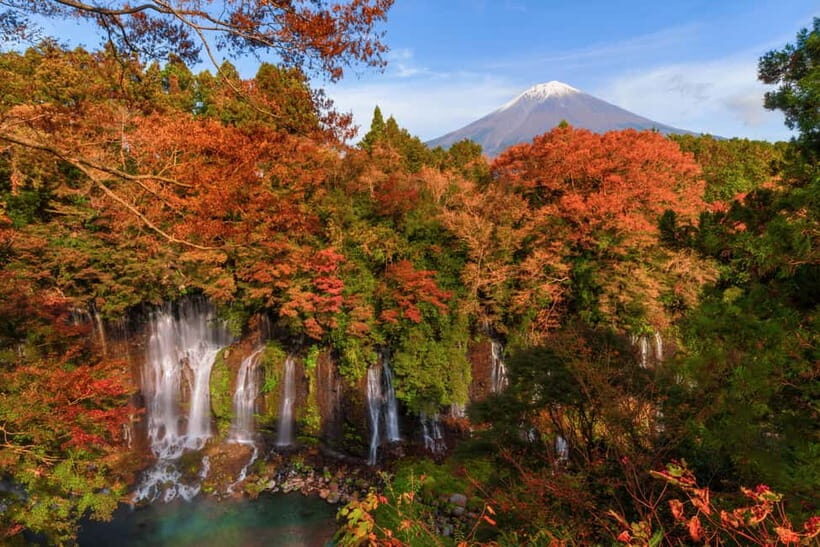
A few details will help you get more out of the ride and less out of frustration:
- Dress for heat and wind. Motorbike jackets help, but they trap warmth. Plan layers and drink during breaks.
- Carry essentials for the onsen. Some onsen-related payments may be cash-based, so keep a bit on hand.
- Expect short Fuji time. The tour hits Fuji as a key moment, but it’s not a half-day excursion. If you want a long hike, this won’t match that style.
- Use the flexibility. If you want more onsen time, ask. If you want a museum skip, ask. This is built for adjusting to rider preferences.
- Pick the right day to ride. Visibility and comfort matter most. If you’re going on a day with poor weather, set expectations for Fuji.
One more mindset tip: this is a day where “arriving and seeing” often beats “trying to do everything.” The itinerary is packed, but the guide’s job is to keep the pace workable.
Should you book this private Fuji and Hakone motorcycle tour?
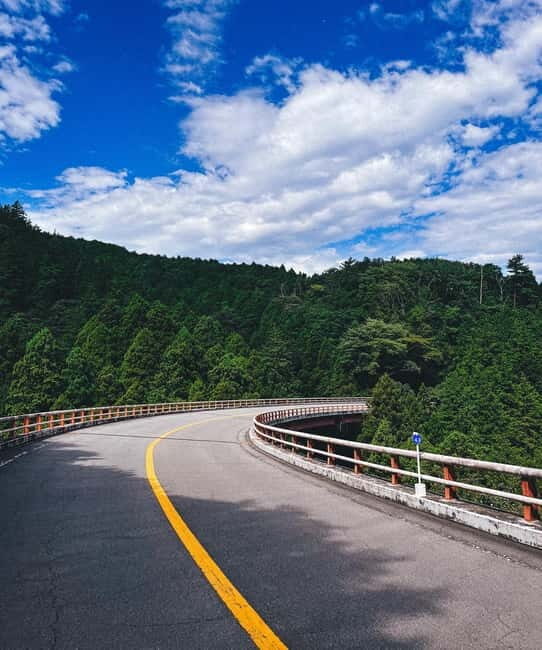
You should strongly consider booking if you want:
- Motorcycle roads as the main event
- A guided day that handles routes, stops, and onsen logistics
- A tattoo-friendly onsen with real recovery time
- A trip that can be adjusted for your comfort and interests
You might skip it if:
- You’re not comfortable in motorbike gear for long stretches
- You’re expecting an all-day, long-walk hiking style
- You’re only interested in museums and don’t care about riding
If you’re the kind of traveler who likes clean organization and hates wasting hours figuring out connections, this tour earns its price. It turns the Tokyo-to-Fuji-Hakone region into one coherent day, with the best payoff coming from the road and the onsen break.
FAQ
What is the total duration of the tour?
The tour runs for about 10 hours.
Is this tour private?
It’s described as a private motorcycle tour with a guide who can tailor the experience. It also lists a small group size limited to 6 participants.
Where is pickup available?
Pickup is included from any hotel, Airbnb, or train station within Tokyo’s 23 wards.
Do you need to pay extra for pickup outside Tokyo’s 23 wards?
The information says there may be an additional surcharge for pickup at locations other than the Tokyo 23 wards zone.
What’s included in the price?
Included items are private motorcycle, hotel pickup and drop-off (except if motorcycle rental applies), scenic drives, authentic Japanese cuisine, onsen experience, helmet and gloves, fuel and tolls, and an English-speaking guide (plus other language support).
Are the onsens tattoo friendly?
Yes. All onsens visited are tattoo friendly.
Can I request a private onsen bath?
Yes. Private baths can be reserved on request for around 13,000 JPY for two hours, subject to availability.
Are museum entry fees included?
Entry fees are listed as not included, so you should budget for any museum admissions if required.
Is food included?
Authentic Japanese cuisine is included, but food and drinks are listed as not included overall, so you may want to plan on covering extra drinks or personal snacks.
What happens if Mt Fuji has poor visibility due to weather?
Mt Fuji sightseeing is part of the plan, but weather can affect visibility. The schedule includes short stops designed to give you a chance to see Fuji, while the rest of the route still offers Hakone scenery and onsen time.
What are the cancellation terms?
You can cancel up to 24 hours in advance for a full refund.