REVIEW · TOKYO
From Tokyo: Round-Trip Fare to Kawagoe City
Book on GetYourGuide →Operated by LINKTIVITY Inc. · Bookable on GetYourGuide
Kawagoe is Tokyo’s quieter twin. I love the Little Edo (Koedo) feeling you get just by walking, especially the black-plaster storehouse-style houses and tiled roofs. I also like the straightforward round-trip train fare designed for foreign visitors, so you spend less time figuring out tickets. The main catch: if you only have a short window, this can feel like less exciting use of time than staying in Tokyo.
You can start your day from Seibu-Shinjuku, Takadanobaba, or Ikebukuro, then head straight to Kawagoe and return at the end of the day with your pass. I appreciated how simple it is—this is more about going and exploring than following a complicated plan. One consideration is that stopovers aren’t allowed between your departure station and Kawagoe, and the pass must be picked up and used on the exact date you select.
If you want an easy day trip with real old-town texture, Kawagoe is a strong choice. Just go in knowing it’s a focused experience: one town, one trip, no detours.
In This Review
- Key points to know before you go
- Kawagoe from Tokyo: a calm day trip with old-town visuals
- Koedo on foot: Edo-period architecture you can actually see
- Choosing your Tokyo starting station (and why it matters)
- How the foreign-visitor pass works in practice
- On the ground in Kawagoe: how to pace a Koedo wandering day
- Returning to Tokyo: when the timing is part of the appeal
- Price and value: what $4.51 per person really means
- Who this Kawagoe round-trip fare suits best
- Should you book this Kawagoe round-trip fare pass?
- FAQ
- Do I need a passport to use this pass?
- Who is this experience for?
- Where can I start from in Tokyo?
- Is round-trip train fare included?
- Can I add stopovers between Tokyo and Kawagoe?
- How long is this option valid after booking?
Key points to know before you go
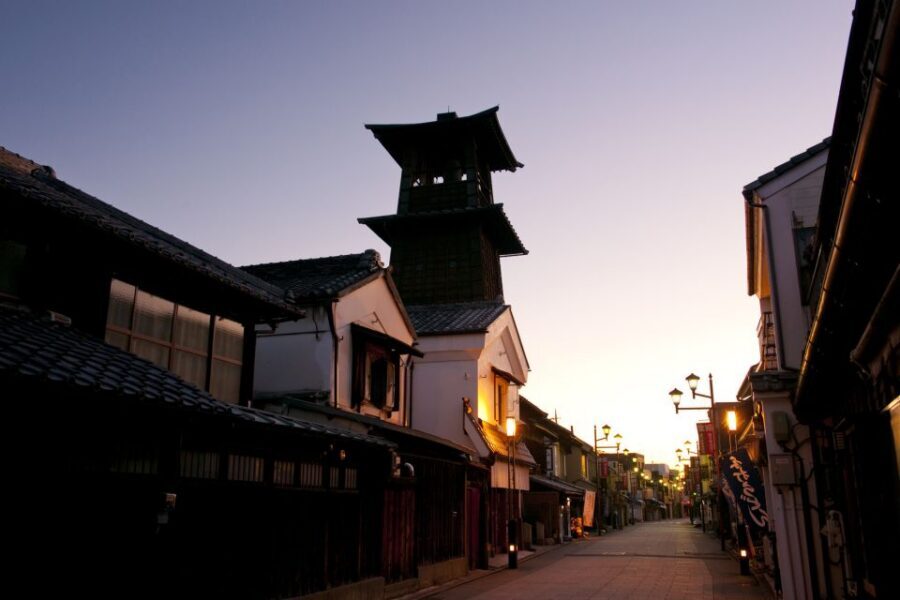
- Koedo’s Edo-era streets give you that old-storehouse look on foot, without needing a museum ticket.
- Foreign-visitor-friendly pass helps simplify transport when you’re not using Japanese-only ticket options.
- Three Tokyo departure stations (Seibu-Shinjuku, Takadanobaba, Ikebukuro) let you choose what’s easiest for your lodging.
- No stopovers rule means the ride is point-to-point between Tokyo and Kawagoe.
- Pick-up and use on your selected date locks in timing, so pick a day you’re truly free.
- Wheelchair accessible makes it easier to plan for mobility needs.
Kawagoe from Tokyo: a calm day trip with old-town visuals
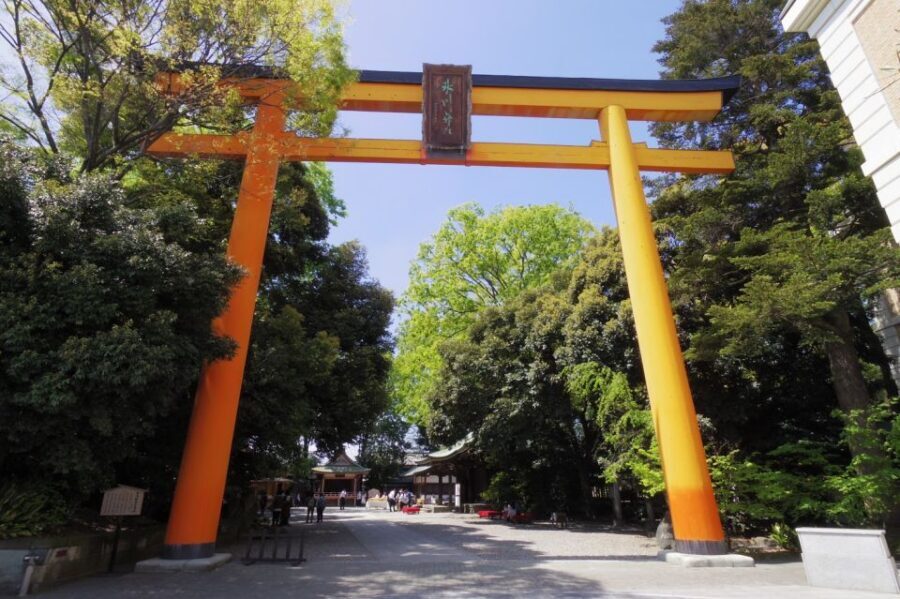
A Tokyo day trip usually lives or dies on one thing: can you get there without turning your whole day into logistics? This Kawagoe option answers that with a round-trip train fare that’s clearly built for non-Japanese passport holders. That matters because it lowers the mental load. You don’t need to wrestle with the question of whether you’ll be able to buy the right ticket in time.
I like that the goal is simple. You go from Tokyo to Kawagoe, spend time absorbing the town, then head back. Kawagoe is commonly called Koedo, or Little Edo, and the appeal is immediate. When you arrive, the atmosphere feels different—more “old streets” than “modern city.” Even before you read anything, you can see the architecture style that gives the town its identity.
The tone here is practical: this is not about stacking a dozen activities. It’s about taking one day, stepping into an Edo-period vibe, and returning to Tokyo without the stress of planning a full itinerary.
You can also read our reviews of more city tours in Tokyo


Koedo on foot: Edo-period architecture you can actually see
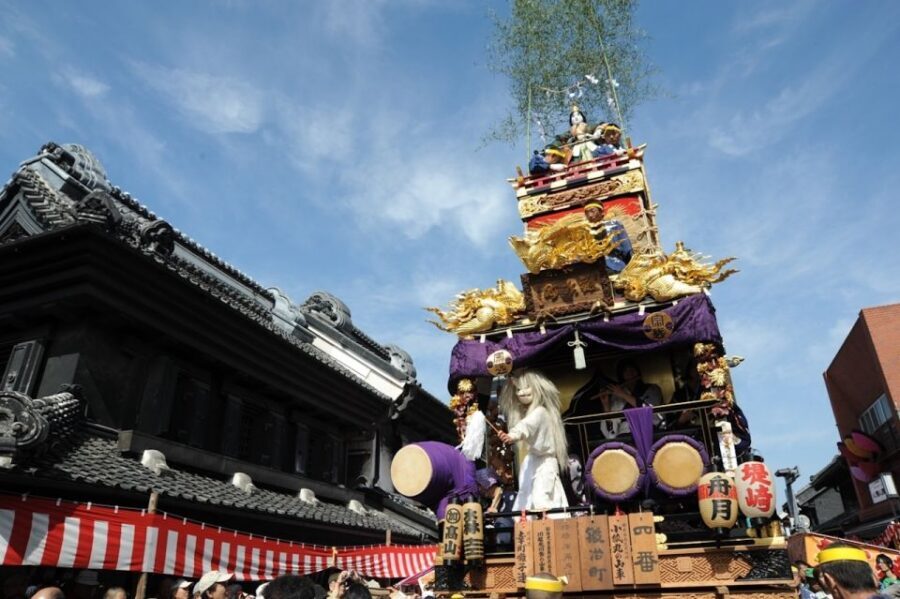
Kawagoe’s biggest selling point is the walking experience. The town is known for its Edo-period architecture, and the visuals are the hook: black plaster walls and tiled roofs that resemble the storehouse look people associate with older Japan.
When a place is designed like a living museum, it changes how you travel. Instead of checking off stops, you stroll, notice details, and let the streets do the work. Here, the “learning about the Edo period as you wander the streets” idea is practical because you don’t need to plan a complex route to feel it. The town’s character is the lesson.
Do note what that means in real-life terms. If you expect a packed, action-heavy schedule, Kawagoe might feel more gentle than you hoped. That’s not a flaw—it’s just the type of day trip it is. If you’re the sort of traveler who enjoys atmosphere, architecture, and slow wandering, you’ll likely feel rewarded quickly.
Choosing your Tokyo starting station (and why it matters)
This pass lets you start from one of three stations in Tokyo: Seibu-Shinjuku, Takadanobaba, or Ikebukuro. That choice is more important than it sounds.
First, station location affects your morning. If you pick the start point that matches your hotel area, you save time and reduce transfer stress. Second, starting from a familiar hub can make the whole day trip feel less intimidating—especially if you’re dealing with a foreign-visitor pass rather than buying multiple tickets on the fly.
You should also plan for the rule that there are no stopovers permitted between your departure station and Kawagoe. In plain terms: your route needs to be direct for that segment. If you were hoping to tack on another town or station on the way, this pass won’t support that.
How the foreign-visitor pass works in practice
This experience includes round-trip train fare to Kawagoe City, with a pass specifically designed with foreign visitors in mind. That’s the “value” part, because it reduces uncertainty. Instead of spending your time hunting for the right ticket option, you’re working from a setup meant to be used by non-Japanese passport holders.
There are two rules you should treat like guardrails:
- The pass is only available for non-Japanese passport holders.
- You must bring your passport.
Also, the pass has a date limitation. It can only be picked up and used on the date selected when booking. That means you can’t casually delay or change the day at the last minute without potentially breaking the plan. If your Tokyo schedule is flexible, great. If it’s tight and you might get delayed, consider building in buffer time.
One more point that affects how you experience it: since this is a fare-focused setup, you’re essentially planning a self-paced exploration in Kawagoe. The pass gets you there and back. The time you spend in town is up to you.
On the ground in Kawagoe: how to pace a Koedo wandering day
The heart of your day is simply exploring Kawagoe as Koedo. You’re there to enjoy the charming atmosphere and the Edo-period architecture, and you’ll do that by wandering the streets.
Here’s how I’d pace it so it feels worth the trip:
- Arrive with a slow first hour. Don’t rush straight into “photo mode.” Let your eyes adjust to the old-town look—the building shapes, rooflines, and dark plaster walls make the place feel cohesive.
- Switch from landmarks to texture. Instead of chasing an exact route, look for repeating visual themes. Koedo’s identity comes from the consistency of the architectural style.
- Treat it as a living neighborhood. That’s part of what makes it feel like a step back in time. You’re walking through a real place, not just a theme-park street.
If you like to learn while you walk, you’ll probably enjoy the “learn about the Edo Period as you wander” aspect. But I wouldn’t expect this to replace a deep historical tour. The value is the atmosphere and the visual context.
Potential drawback to plan for: this kind of day trip can feel too short or too “one-note” if your expectations are broader than a single-town visit. One of the cautions from people who didn’t love it is that they would have preferred to spend that day staying in Tokyo. If you’re a “do more cities” traveler, Kawagoe might not scratch that itch.






Returning to Tokyo: when the timing is part of the appeal
At the end of your exploration time, you return to Tokyo using your pass. The description is straightforward: you head back at the end of the day after enjoying Kawagoe.
This matters because it makes the whole experience low-risk. Instead of committing to an overnight stay or coordinating a complicated next-day route, you get a clean break: old streets in the morning/afternoon, Tokyo life again later.
It also changes how you pack your day. Since the round trip is built in, you can plan your day around your personal comfort pace—slow wandering if you’re enjoying it, or a quicker pass-through if you’re not. The pass supports the idea that this trip is flexible inside Kawagoe, even if the transit rules are fixed.
Price and value: what $4.51 per person really means
The price listed is $4.51 per person, and the big value claim here is that it covers round-trip train fare to Kawagoe City.
That’s incredibly cheap by typical day-trip standards, but you should still think about what the price implies. This fare is paying for transport, not for a guided program or extra sightseeing components. So the “return on investment” depends on what you want most:
- If you want an easy way to reach an Edo-style town and you like walking, the value is excellent.
- If you expected a fuller activity package, the price can feel like a tease because you’ll mainly be responsible for turning transit into an experience once you arrive.
Also remember the constraints. The pass is for non-Japanese passport holders only, stopovers between Tokyo and Kawagoe aren’t allowed, and the pass must be picked up and used on the selected date. Those restrictions don’t make it bad—they just shape who it fits.
If you’re traveling on a budget and you want a classic “Japan old-town feel” day trip, this kind of fare deal can be hard to beat.
Who this Kawagoe round-trip fare suits best
This is best for travelers who want a simple, self-paced day trip from Tokyo and don’t want to overcomplicate transport.
You’ll probably like it if:
- You enjoy architecture and street atmosphere more than structured tours.
- You’re traveling with a non-Japanese passport and want transport that’s arranged for you.
- You’d rather add one calm town day to your Japan trip than build a multi-city itinerary.
- You’re looking for wheelchair accessibility in the transit experience (it’s listed as wheelchair accessible).
You might reconsider if:
- You want a high-energy schedule or multiple stops in a single day.
- You’re torn between Kawagoe and keeping your time in Tokyo. In that case, it could feel like you didn’t choose the more exciting option for your personal preferences.
If your travel style is “slow down and enjoy what’s in front of you,” Kawagoe is a strong candidate.
Should you book this Kawagoe round-trip fare pass?
Book it if you want an affordable, low-stress way to experience Koedo’s Edo-period street look. The included round-trip train fare is the core value, and the pass design for foreign visitors reduces the friction that can come with ticketing.
Don’t book it if you’re expecting a packed guided outing or if your schedule is so tight that picking an exact date matters a lot. The rules around selected-date pick-up/use and the no-stopover transit segment mean you’re committing to a specific flow.
A good way to decide: if you’d happily spend hours wandering in one old-town setting, this is likely worth it. If you’re chasing variety every day, you may be happier using that time elsewhere in Tokyo.
FAQ
Do I need a passport to use this pass?
Yes. The activity lists passport as a required item. It also notes that the pass is only available for non-Japanese passport holders.
Who is this experience for?
It’s only available for non-Japanese passport holders. If you have a Japanese passport, you won’t be eligible for this option.
Where can I start from in Tokyo?
You can depart from Seibu-Shinjuku, Takadanobaba, or Ikebukuro.
Is round-trip train fare included?
Yes. The included item is the round-trip train fare to Kawagoe City.
Can I add stopovers between Tokyo and Kawagoe?
No. Stopovers between your departure station and Kawagoe are not permitted.
How long is this option valid after booking?
It’s listed as valid for 2 months, with starting times depending on availability. The pass also must be picked up and used on the date selected when booking.