REVIEW · TOKYO
Ginza: Traditional Musubi-Making Class with Japanese Grandma
Book on GetYourGuide →Operated by GRAN-MUSUBI · Bookable on GetYourGuide
Three musubi, one old-school lesson.
In Ginza, this 90-minute musubi-making class pairs hands-on technique with the warmth of an 80-year-old Japanese grandma, plus an English-speaking host to keep you moving. I like how it starts with the basics (like hand-washing and a quick musubi rundown) and then gets practical fast, so you leave knowing what you just made and why. You also finish with teishoku—a full homemade set meal, not just a snack.
My other big plus is the clear structure: you’ll learn the difference between musubi and onigiri, choose from 6 filling options, and then make 3 musubi yourself with step-by-step guidance. One drawback to plan around: it’s not suitable for vegans or vegetarians, and it’s also not intended for children under 6.
In This Review
- Key things I’d circle before you book
- Why This Ginza Musubi Class Feels Like Visiting Obaa Chan
- Musubi vs Onigiri: The Handy Lesson for Your Next Rice Snack
- Your 90 Minutes: From Hand-Washing to Shaping Three Musubi
- Choosing Fillings and Getting Step-by-Step Translation
- The Teishoku Lunch: Miso Soup, Salad, Dessert, and a Beverage
- Price and Value: Is $38 Fair for This Much Food and Instruction?
- Who This Class Best Suits (And Who Should Skip It)
- Logistics in Plain Terms (So You Don’t Lose Time)
- Should You Book This Musubi Class in Ginza?
- FAQ
- How long is the musubi-making class?
- What do I make during the workshop?
- Is there English help during the class?
- What food is included with the class?
- Is this class suitable for vegans or vegetarians?
- Is it okay for children?
Key things I’d circle before you book
- Small group size (up to 6): more attention while your hands learn the motions.
- 80-year-old grandma teaching: the class feels like a family method, not a demo for tourists.
- Musubi vs onigiri lesson: you get context you can use the next time you see rice snacks.
- Pick your fillings (6 options): you’re not stuck with whatever the kitchen chose.
- Homemade teishoku meal included: miso soup, salad, dessert, and a beverage after you cook.
- English translation support: instructions are explained while you work, not just read out loud.
Why This Ginza Musubi Class Feels Like Visiting Obaa Chan
There’s a certain kind of cooking class that teaches you technique, and another kind that teaches you people. This one does both.
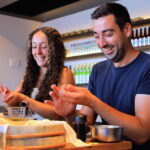
You’re in a small group limited to 6 participants, which changes the whole tone. Instead of watching from the side, you’re right in the flow of the workshop—hands busy, questions easier, and explanations less rushed. And at the center of it all is an 80-year-old Japanese grandma, the kind of instructor whose method feels passed down through daily life, not packaged for performance.
The experience is also set up to feel welcoming from the start. You begin with simple, practical cues like washing your hands and a quick overview of what musubi means in everyday Japanese eating. Then you get guidance as you shape rice and choose fillings. It’s casual, but not vague.
A few more Tokyo tours and experiences worth a look

Musubi vs Onigiri: The Handy Lesson for Your Next Rice Snack
One of the best parts is that this class doesn’t just tell you how to form rice—it also gives you a clearer mental category.
You’ll learn the difference between musubi and onigiri during the workshop. Even if you’ve seen both terms around Japan, this kind of explanation helps you spot what people are actually referring to when they talk about rice snacks.
Why this matters: musubi and onigiri show up constantly in Japan, from casual meals to convenience-style foods. When you understand how the terms connect, you can order with more confidence and stop second-guessing menus. You’ll also be less likely to treat them like the same thing, which makes your future food walks smoother and more fun.
Your 90 Minutes: From Hand-Washing to Shaping Three Musubi
The timing is tight and friendly: you’re looking at 90 minutes, with starting times you can check for availability.
Here’s the rhythm of what you can expect:
First, you’ll wash your hands and get a quick summary about musubi. This isn’t theater—it’s part of setting you up to work comfortably and neatly while you handle rice.
Next comes the key lesson moment: you’ll hear about musubi vs onigiri, then you’ll move into the hands-on stage. You’ll have a choice from 6 filling options for your musubi.
Then the work begins. The grandma demonstrates how to make one right in front of you. You don’t have to “already know how to do it.” Your assistant helps translate the instructions as you follow along, and you’ll build the skills step-by-step with your own hands.
By the end, you’ll make 3 musubi. That’s enough to learn the technique and feel proud without turning this into a full-day cooking course.
Choosing Fillings and Getting Step-by-Step Translation
Food classes often fail at one point: you pick something and then you’re left guessing what’s next. This one tries hard to prevent that.
You’ll choose from 6 filling options, so you can match your musubi to your taste. The exact fillings aren’t listed here, but you can at least expect choice rather than a single set plan.
The other reason this works is the English translation support. The class is taught with English and Japanese instruction, and there’s an assistant helping explain what’s happening as you go. If you’re not fluent in Japanese, this matters a lot: you can focus on the technique in front of you instead of splitting your attention between your hands and a struggle with instructions.
In the same spirit, the workshop keeps the pace realistic for a beginner. You watch the grandma make a musubi, you follow the steps, and you correct course while the process is still fresh in your mind.
The Teishoku Lunch: Miso Soup, Salad, Dessert, and a Beverage
This is not a class where you make a bite-sized snack and call it lunch.
After you finish making your 3 musubi, you enjoy a homemade Japanese teishoku meal. A teishoku set is designed to be complete and satisfying, not just a single dish.
Included in your meal:
- Miso soup
- Salad
- Dessert
- A beverage
- And, of course, your homemade musubi
Why I like this format for visitors: you’re not only tasting what you made, you’re also experiencing the structure of a traditional meal. Teishoku-style dining is a big part of how Japan keeps meals balanced and comfortable, and this gives you a simple, practical taste of that idea.
One important planning tip: it’s a real, filling lunch. Come hungry. If you start the class after a full meal, you may find yourself too full to enjoy everything.





Price and Value: Is $38 Fair for This Much Food and Instruction?
At $38 per person for 90 minutes, you’re paying for a lot more than hands-on time. You’re getting:
- a small-group musubi-making class
- 3 musubi (with chosen fillings)
- a full homemade teishoku meal with miso soup, salad, dessert, and a beverage
- step-by-step instruction with English translation support
Value is about what you actually receive, not just the hourly rate. Here, the class includes the full food experience, so the cost is tied to something tangible: you leave with skills and you also leave fed.
Also, small group size (up to 6) tends to raise the practical value. More attention while you work means you’re more likely to finish with musubi you feel good about.
And yes, you’ll still handle some logistics on your own: transportation to the venue isn’t included. So treat that like your usual city-travel cost.
Who This Class Best Suits (And Who Should Skip It)
This is a great fit if you want a hands-on cultural food experience that feels personal and unforced.
Best matches:
- food lovers who want to understand the basics behind Japanese rice snacks
- travelers who like learning by doing, not by watching a screen
- people who appreciate traditional home-style cooking taught by someone who’s been doing it for decades
- families with older kids (the experience is noted as having worked well for children ages 10 and up)
It’s not a fit if:
- you’re vegan or vegetarian (the activity is not suitable for vegans/vegetarians)
- you’re traveling with a child under 6
Also, if you’re the type who gets stressed when instructions are fast or details are technical, lean on the translation support. The class is designed for non-Japanese speakers, but you’ll get the best experience if you stay present and follow the steps in order.
Logistics in Plain Terms (So You Don’t Lose Time)
Here’s the straightforward setup:
- Duration: 90 minutes
- Group type: small group, limited to 6 participants
- Languages: English and Japanese
- Instructor: an 80-year-old Japanese grandma, with translation assistance
- What you make: 3 musubi using your selected filling
- Meal included: homemade teishoku, plus miso soup, salad, dessert, and a beverage
Plan to arrive with enough room in your stomach. This isn’t a quick bite; it’s a full lunch set after the workshop.
If you’re sensitive to certain ingredients, this is also where you’ll want to think ahead. The meal and fillings are not described as vegan/vegetarian-friendly in the provided info, so you’ll need to match it to your dietary needs accordingly.
Should You Book This Musubi Class in Ginza?
If you want a cooking experience that’s genuinely traditional and not just a novelty, I’d book it. The combination of small-group hands-on shaping, instruction that explains musubi vs onigiri, and a full teishoku meal is exactly the kind of “do it and eat it” value that makes a short class memorable.
I’d especially recommend it if:
- you like learning from an experienced local teacher
- you want a cultural food lesson you can carry forward during your trip
- you’re planning for a rainy afternoon or a slower day and want something purposeful
Skip it if:
- you need vegan or vegetarian options
- you’re traveling with a small child under 6
- you don’t want a substantial meal afterward
Bottom line: for $38, you’re paying for both skill-building and a proper homemade lunch. That’s the sweet spot.
FAQ
How long is the musubi-making class?
The class runs for 90 minutes.
What do I make during the workshop?
You’ll make 3 musubi during the class, and you’ll choose your fillings from 6 filling options.
Is there English help during the class?
Yes. The class includes English and Japanese, with step-by-step instructions and translation assistance.
What food is included with the class?
You’ll receive a homemade Japanese teishoku meal, including miso soup and salad, plus dessert and a beverage.
Is this class suitable for vegans or vegetarians?
No. The experience is not suitable for vegans or vegetarians.
Is it okay for children?
It’s not suitable for children under 6 years.