REVIEW · TOKYO
Kamakura Temples Private Guided Tour from Tokyo
Book on GetYourGuide →Operated by Nippon PLUS · Bookable on GetYourGuide
Temple day in Kamakura feels like history class. I like the private, licensed English guide who keeps the story clear and practical, and I love the sheer scale of the 13-meter Great Buddha at Kotoku-in. The main catch is cost creep: public train fares and temple entries are not included, and pickup/drop-off is done on foot.
This is an 8-hour, full-day loop built around three big spiritual stops, with time to refuel and browse on Komachi Street. You start with a hotel pickup option (Tokyo Station or Shinjuku area), take the train to Kamakura, and return to Tokyo around 4 or 5 pm, with some walking that can add up if you’re in flip-flops. If you plan for the extra fees and wear comfortable shoes, the day runs smoothly.
In This Review
- Key things to know before you go
- Why Kamakura is ideal for a full-day visit from Tokyo
- Getting to Kamakura: the train ride and how the day starts
- Hase-dera (Hase-dera Temple): the 11-faced Kannon and the Jizo-do Hall
- Kotoku-in: seeing the 13-meter Great Buddha up close
- Tsurugaoka Hachimangu Shrine: Shinto at the heart of Kamakura
- Lunch on Komachi Street and how to use your free time
- Price and logistics: what you really pay for a smooth day
- Guide quality: why the private format can feel worth it
- Crowds, timing, and the walking reality
- Who this tour is best for
- Should you book the Kamakura Temples Private Guided Tour?
- FAQ
- How long is the Kamakura Temples private guided tour?
- Is this tour private?
- Where does pickup happen?
- How do you get to Kamakura?
- Are entrance fees included?
- What about transportation costs?
- Do I need to pay for lunch?
- What should I bring?
- Can I cancel?
- Is reserve now and pay later available?
Key things to know before you go
- Private licensed guide, English-speaking: You get context for Hase-dera, Kotoku-in, and Tsurugaoka Hachimangu without guessing.
- Kamakura’s must-see trio in one day: Hase-dera (flowers and statues), Kotoku-in (Great Buddha), then the city’s main Shinto shrine.
- 3–4 km of walking total: It’s manageable, but it’s real, and temple steps are part of the deal.
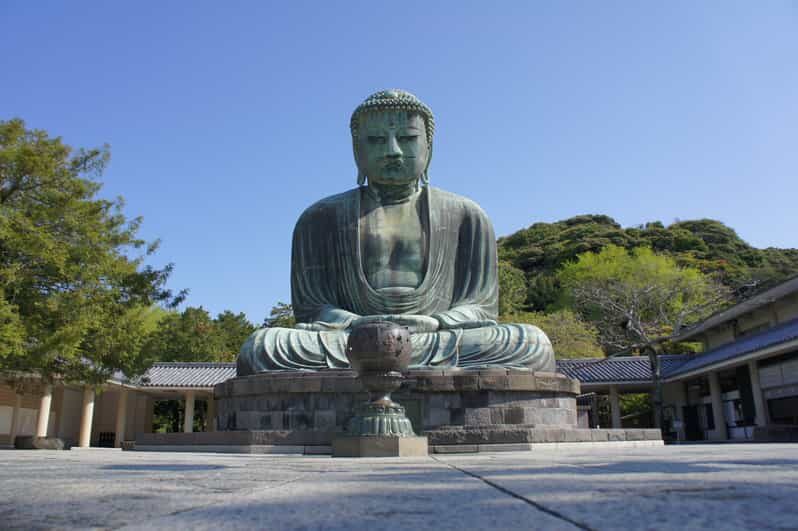
- Kotoku-in Great Buddha is the headline: The statue’s size and old roots (dating to 1292) are part of what you’ll hear about.
- Extra costs are expected: You’ll pay transport and entrances on the tour day (plan around the given yen amounts).
Why Kamakura is ideal for a full-day visit from Tokyo
Kamakura works because it concentrates different Japan flavors in a compact area. In one day, you can move from Buddhist temple grounds to Shinto shrine rituals, then finish with street-level life on Komachi Street.
A guided format helps here. If you go DIY, you spend time figuring out routes and guessing what matters most at each stop. With a guide, you can focus on what you’re seeing: the meaning behind the statues, why certain halls exist, and how the shrine fits into Kamakura’s layout.
And the schedule is built for a long but efficient day. You’ll travel to Kamakura by train, hit the big sights in a sensible order, then return before evening without feeling like you’re rushing every two minutes.
You can also read our reviews of more guided tours in Tokyo

Getting to Kamakura: the train ride and how the day starts
Your day begins with hotel pickup from one of the Tokyo Station or Shinjuku-area options, and the pickup/drop-off is on foot. Then you take the train into Kamakura (about 70 minutes).
That first leg matters more than you might think. It’s long enough for your guide to set expectations and get your bearings before you step into temple crowds. It also helps you avoid the common problem of arriving in Kamakura late and fighting for position at the biggest sites.
Once you arrive, the first stop is Hase-dera. You’ll start with the visual shock of temple architecture and statues, which is a great way to get your head into the day’s theme early.
Hase-dera (Hase-dera Temple): the 11-faced Kannon and the Jizo-do Hall
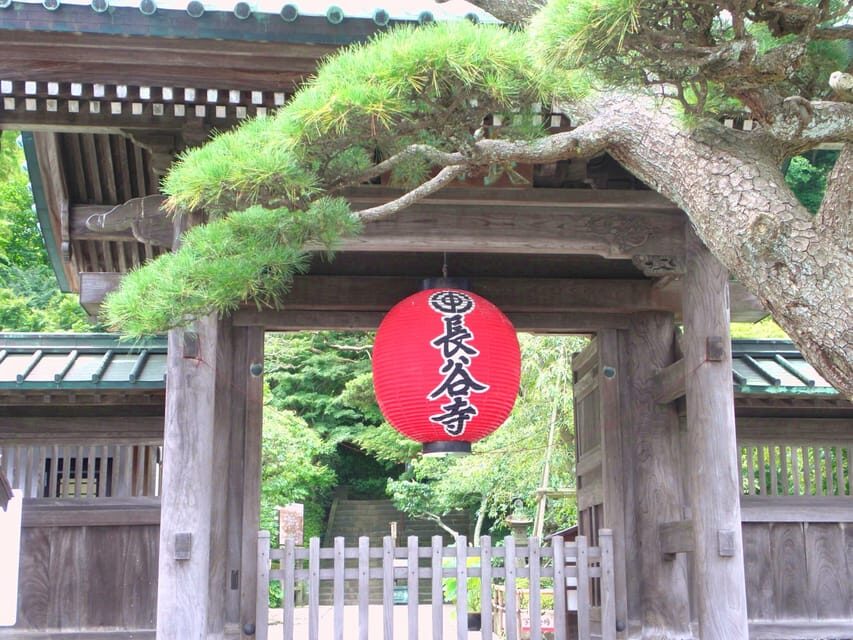
Hase-dera is often called the Temple of Flowers, and for good reason: the grounds feel designed for slow looking. You’ll have a guided visit and photo stops, with time to explore the hall areas and gardens.
The big draw is the Hase Kannon, a Buddhist statue associated with Kannon, the Goddess of Mercy. Your guide will explain the idea of the eleven-faced Kannon and how those different faces represent phases in the search for enlightenment. Even if you’re not a religion expert, that context changes how you read the statue and the symbolism around it.
Outside the main focus, look for the Jizo-do Hall. This hall is known for housing hundreds of small Jizo Bodhisattva statues. The effect is simple but powerful: you’re not just seeing one object, you’re surrounded by many small expressions of care and protection. It’s the kind of thing that can feel confusing on your own because you don’t know where to look first.
A practical tip: at Hase-dera, take a moment to slow down away from the busiest photo spots. The halls and pathways have enough angles that you can find quieter viewing moments without losing the key sights.
Kotoku-in: seeing the 13-meter Great Buddha up close
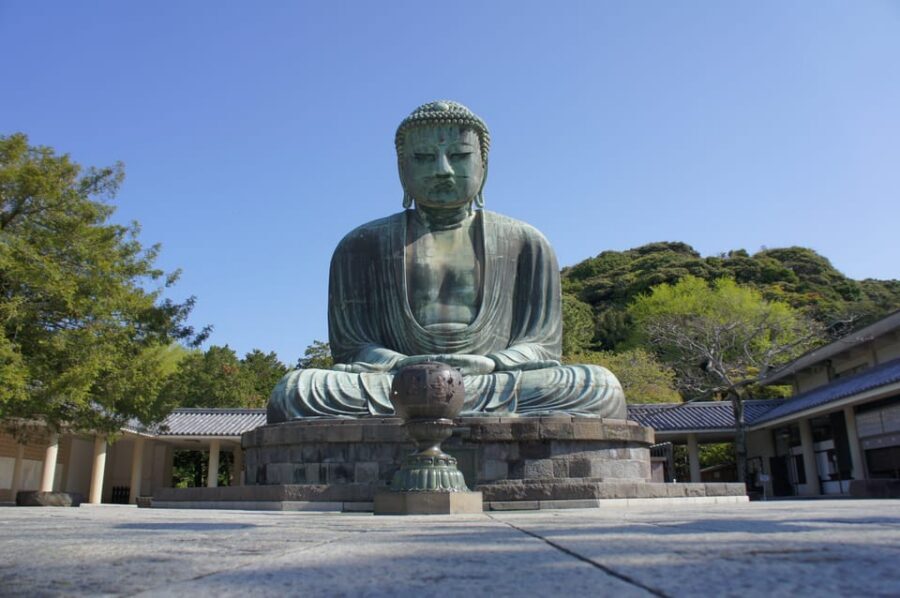
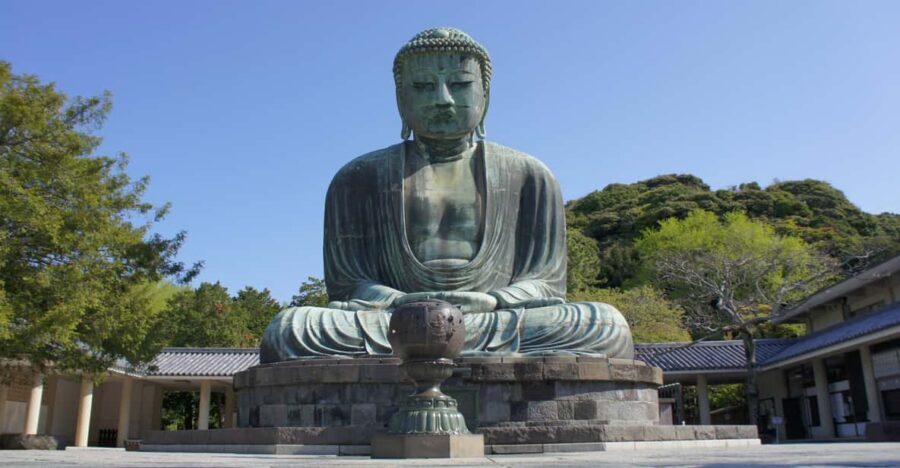
Next comes Kotoku-in, where the centerpiece is the Great Buddha statue. The height is the headline here: this is a 13-meter-high figure, and the day’s storytelling ties it to history going back to 1292.
That scale is hard to understand until you’re standing there. With a guide, you get more than the size. You also hear why it matters and what makes this version of the Great Buddha so famous. The statue isn’t just an Instagram subject. It’s part of Kamakura’s identity, and the way it’s presented explains that.
You’ll get time for photos and a guided tour (about 30 minutes). Then you’ll move on and regroup for lunch afterward.
One consideration: this is a top attraction, so it can be crowded. The private format helps because your guide can steer you toward the best flow for what you want to see without wasting time standing in the wrong spot.
Tsurugaoka Hachimangu Shrine: Shinto at the heart of Kamakura
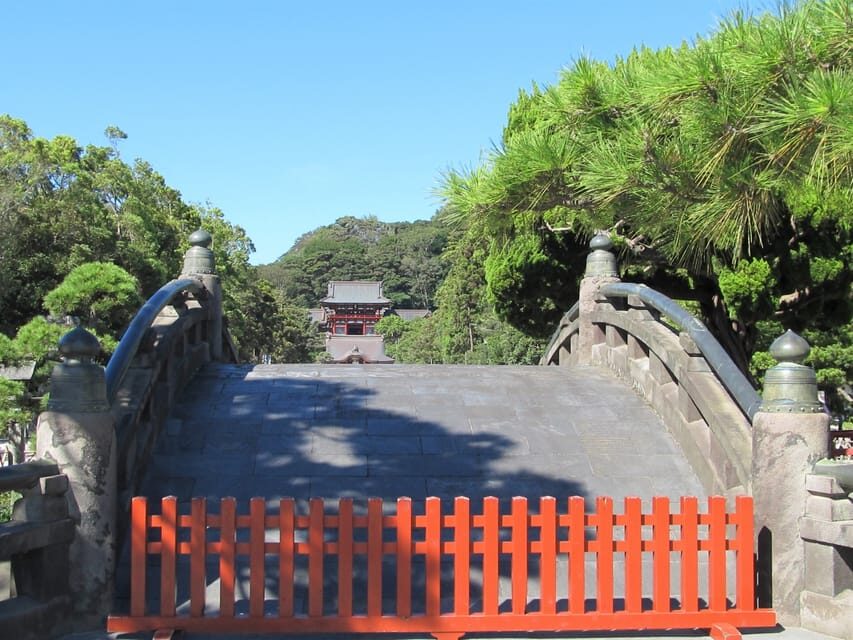
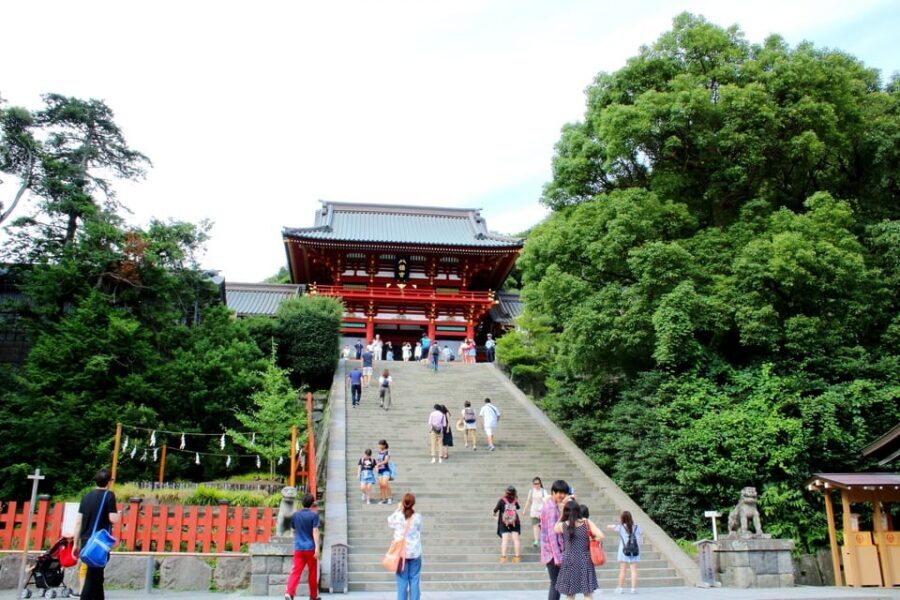
After lunch time, the day shifts back to Shinto at Tsurugaoka Hachimangu Shrine. The shrine was built in 1063 and is dedicated to Emperor Ojin, also known as the God of War.
Tsurugaoka is the most important Shinto shrine in Kamakura, and it sits at the geographical center of the city. That matters, because as you walk through the complex, you’ll feel how the shrine anchors Kamakura’s space and timing. Your guide will point out the historical links and help you understand what you’re seeing.
Expect a guided visit with photo stops and time to explore at a calmer pace (about 30 minutes). The main value here is interpretation. Shrine grounds can look similar at first glance if you don’t know what to watch for, so having a guide makes the differences click.
This is also a good “reset” stop in the itinerary. After two Buddhist-focused sights, you’ll feel the shift in atmosphere and symbolism without the day turning into a museum sprint.
You can also read our reviews of more private tours in Tokyo


Lunch on Komachi Street and how to use your free time
You’ll reach Komachi Street after the shrine visit. This is where the day turns more local and less ceremonial. You’ll have lunch options at one of Kamakura’s restaurants (lunch is not included), plus guided context and then free time for shopping.
You get about 1.5 hours here, which is long enough to do something useful: eat without rushing, pick up small souvenirs, and take a breather before the final train ride back to Tokyo.
Here’s how I’d use the time if you want value. First, use the guided portion to get your bearings on where to walk and what to prioritize. Then choose one shopping lane and stick to it. Komachi Street can tempt you into browsing everything, and that can burn time faster than you expect.
If you’re traveling with family, this is the portion that usually feels the most flexible. The sights are fixed, but the lunch and browsing let you match the pace of your group.
Price and logistics: what you really pay for a smooth day
The tour price is $145 per person, and you get two major inclusions: a licensed interpreter guide (English) and hotel pickup/drop-off on foot.
What’s not included is where people often feel surprised later:
- Public transportation for you and the guide to and from attractions (around 2,000 yen per person)
- Entrance fees (Hase-dera 400 yen; Kotoku-in 300 yen)
- Lunch and drinks for both you and the guide
So the “real” total cost depends on what you do for lunch. But even without guessing lunch prices, you can see the pattern: this is a guided experience with transportation and entry fees billed separately.
One more logistics point: you’ll be doing about 3–4 km of walking across temple and shrine areas. That doesn’t mean it’s exhausting, but it does mean shoes matter. If you know you get sore easily, plan for it now rather than hoping for the best.
Also note the pickup/drop-off is on foot. Your hotel should be close to one of the designated pickup areas (Tokyo Station or Shinjuku area options). If it’s not, you may need to walk more before the train portion begins.
Guide quality: why the private format can feel worth it
In a day trip like this, the guide can make or break the experience. The most praised outcomes in feedback for this tour tend to revolve around strong explanations and good crowd management.
Names that show up in positive feedback include Mizuma-san, Steve, Take, and Richie. The common thread is that they explain Japanese history and culture in a way that’s easy to follow, sometimes using maps or pictures to help you place events and ideas. Another highlight is handling busy areas without turning the day into chaos.
That said, not every guiding style lands the same way. If you’re the type who wants lots of detail at each stop, you should feel comfortable asking questions during the day. In a private tour, you’re not locked into one pace or one style of commentary.
My advice: if you care about specific themes (Buddhism symbolism, Kamakura history, architecture, or just photo spots), send those priorities when you book. That’s the fastest way to steer the guide toward what you actually want.
Crowds, timing, and the walking reality
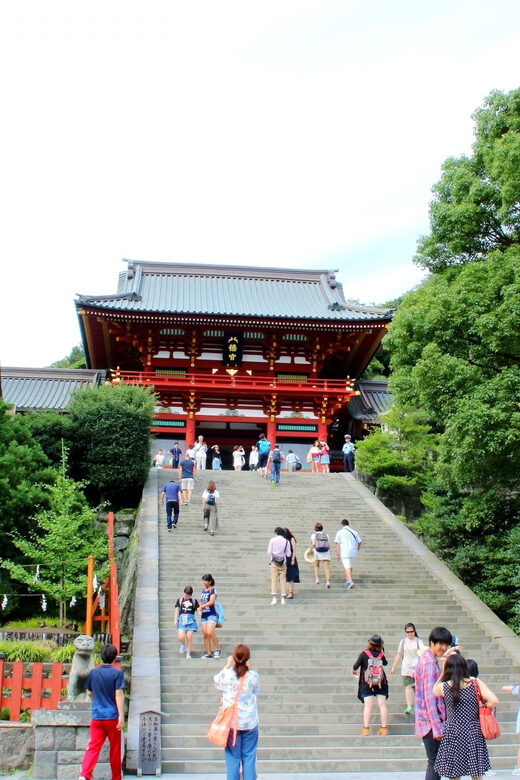
You’re visiting major icons in Kamakura, so expect crowds, especially around the headline sights like the Great Buddha and the busiest temple approaches. Your best protection is order: the itinerary moves from Hase-dera to Kotoku-in to Tsurugaoka, with lunch and free time scheduled so you’re not constantly scrambling.
Timing also helps. You’ll have guided blocks of around 30 minutes at the major sites, plus shorter transfer time by train and on foot. That rhythm prevents the all-day “hike and hope” feeling.
Still, keep expectations realistic: temple stairs, hall entries, and short transfers are part of the plan. If you arrive ready with comfortable shoes, you’ll enjoy the day more because you can focus on the sights, not your feet.
Who this tour is best for
This private Kamakura tour is a great fit if you:
- Want a licensed English guide to explain what you’re seeing at each temple and shrine
- Prefer an efficient schedule over figuring out trains and entry fees yourself
- Like a mix of serious sights and real street time on Komachi Street
- Are traveling with family or a group that benefits from someone else managing logistics
It may be less ideal if you:
- Hate crowds and want totally flexible timing at each stop
- Are looking for a lunch-inclusive package where you don’t pay anything extra
- Want deep architectural or academic detail at every single point (you might still get a lot, but your satisfaction will depend on the guide’s style)
Should you book the Kamakura Temples Private Guided Tour?
Book it if you want a guided, efficient Kamakura highlight day where you can understand the meaning behind the statues and shrine rituals without spending your vacation time on route math. The private format is especially valuable at Hase-dera and Kotoku-in, where context turns “a cool thing” into “I get what I’m looking at.”
Skip or consider DIY if you’re cost-sensitive after adding train fares, entrance fees, and lunch. Also be honest about walking: the tour includes a few kilometers of walking and involves steps and crowded approaches.
If you go in with good shoes and a flexible mindset about extra payments on the day, you’ll come away with a well-structured Kamakura overview: Buddhist art at Hase-dera, the iconic Great Buddha at Kotoku-in, and Shinto gravity at Tsurugaoka Hachimangu, then some breathing room on Komachi Street.
FAQ
How long is the Kamakura Temples private guided tour?
The tour duration is 8 hours.
Is this tour private?
Yes, it’s a private group tour with a live English-speaking guide.
Where does pickup happen?
Pickup is available from one of these options: Tokyo Station, Tokyo (area), Shinjuku City, or Shinjuku Station. Pickup and drop-off are on foot.
How do you get to Kamakura?
You travel by train from Tokyo to Kamakura (about 70 minutes one way, based on the schedule), and you return to Tokyo by train as well.
Are entrance fees included?
No. Entrance fees are not included and are paid on the tour day. Hase-dera is 400 yen per person, and Kotoku-in is 300 yen per person.
What about transportation costs?
Public transportation for you and the guide is not included. The cost is around 2,000 yen per person, and you pay it on the tour day.
Do I need to pay for lunch?
Lunch is not included. You will have time for lunch on Komachi Street, and you pay for lunch and drinks.
What should I bring?
Bring comfortable shoes. The tour includes about 3 to 4 km of walking.
Can I cancel?
You can cancel up to 24 hours in advance for a full refund.
Is reserve now and pay later available?
Yes. You can reserve now and pay later, with the option to pay nothing today.