REVIEW · KYOTO
One Hour Geisha Show in Kyoto
Book on GetYourGuide →Operated by GuideMe Japan · Bookable on GetYourGuide
Kyoto’s Maiko dance rarely comes this close.
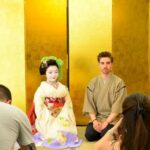
This one-hour show in Kyoto gives you a live look at an actual Maiko (apprentice geisha) in a setting where you can see details up close—the makeup, the kimono styling, and the way she moves. It’s run by GuideMe Japan, and the tone stays respectful: the art is shown in short, intentional pieces rather than a nonstop spectacle.
Two things I especially love: first, you get to meet and talk with the Maiko during a real Q&A window (with an English or Korean guide translating). Second, you’re allowed to take pictures and videos, so you can capture the moment without feeling rushed. In one session I watched unfold with guides like Genki and Chihiro, the Maiko even explained the meaning behind her look before the dances began.
One consideration: don’t plan on a full 60 minutes of continuous performing. The Maiko performs briefly, then there’s Q&A, a traditional game, and photos—so the total time is about the experience, not a nonstop show.
In This Review
- Key highlights worth planning for
- One hour sounds short. That’s the point in Kyoto
- What the timing feels like in real life
- Tea House option vs Gion Theater: choose the room, not just the date
- Tea House option: Kyoto-style house hosting
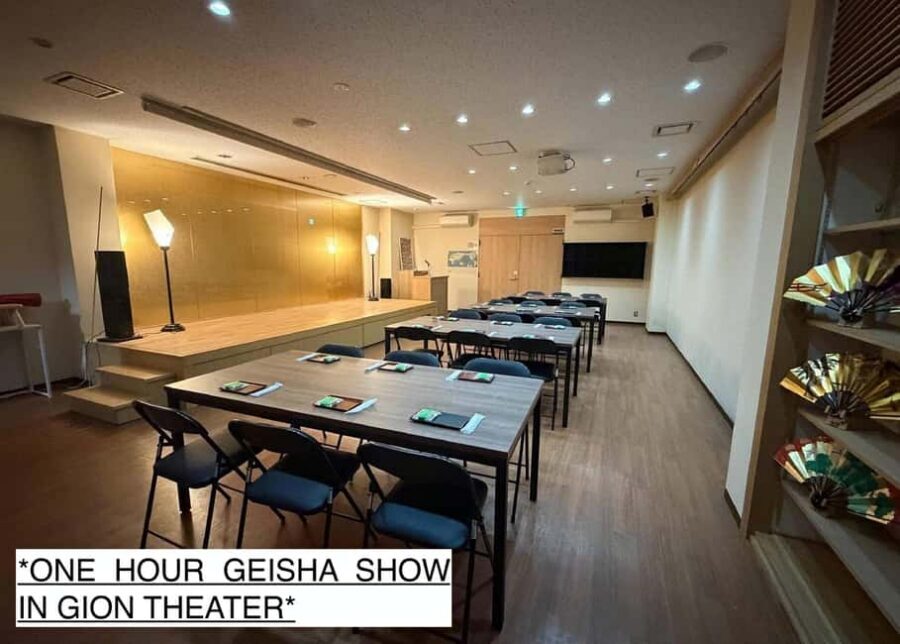
- Gion Theater option: showhouse energy
- The flow before the dances: tea, snacks, and a guided pace
- Inside the show: dance, Q&A, then a traditional game
- The dances: short, precise, and meant to be watched closely
- The Q&A: where you learn faster than a museum label
- The game: playful, human, and memorable
- Photos and videos: how to do it without being distracting
- Price and value: what $50 buys you in Kyoto terms
- Kitano Tenmangū shrine: the bonus that only comes with the tea house option
- Socks, seating, and other practical details that can trip you up
- Who this is best for (and who might want to think twice)
- Should you book the one-hour Maiko show in Kyoto?
- FAQ
- How long is the Geisha/Maiko show?
- Is the Maiko performing for the entire hour nonstop?
- Can I take photos or record videos?
- What are the two tour options?
- Is Kitano Tenmangū Shrine included?
- What is included in the price?
- What should I bring?
- Are there rules about footwear?
- What languages are the guides speaking?
Key highlights worth planning for
- Meet a real Maiko in Kyoto’s geisha apprenticeship world (an uncommon sight, given how few are active here)
- Short dances by design, with time to ask questions and understand what you’re seeing
- Photos and videos are welcome, plus you’ll usually get time for a personal picture at the end
- Choose your setting: a Kyoto-style tea house or a Gion Theater showhouse
- Optional Kitano Tenmangū shrine session with the Maiko (tea house option only)
- Tea and traditional snacks included, so you’re not just watching—you’re hosted
One hour sounds short. That’s the point in Kyoto
If you’ve visited Kyoto, you already know the city runs on “less, but better.” This show fits that mindset. The Maiko performs for brief stretches—then shifts to conversation, questions, and a small game—because geisha and maiko arts are meant to stay precise and graceful, not stretched into something long and performative for tourists.
That’s why the “one hour” title works. You still get enough time to see two dance segments and learn what the performance represents. You also get to humanize the whole thing through Q&A. In practice, it feels less like buying tickets for a show and more like being guided through an intimate cultural moment.
A few more Kyoto tours and experiences worth a look

What the timing feels like in real life
Most of the performance happens in short bursts:
- An opening traditional dance segment (around 10 minutes)
- Then additional dance parts (each about 5 minutes)
After that, the structure turns social: questions, pictures, and a traditional Japanese game.
The upside for you is clarity. You won’t be guessing what’s going on. The downside is simple: if you’re hunting for a long, uninterrupted stage performance, you might feel the clock moving faster than you expected.
Tea House option vs Gion Theater: choose the room, not just the date
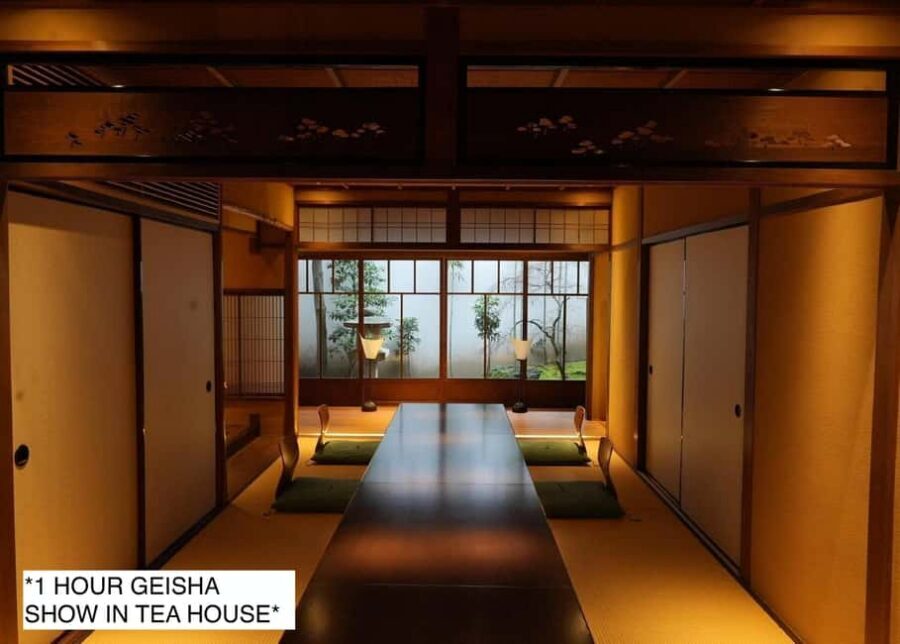
This experience comes in two different formats, and they genuinely feel different once you arrive.
Tea House option: Kyoto-style house hosting
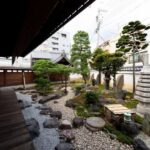
The Tea House option is held in a Japanese Kyo-machi-ya (a Kyoto-style townhouse). You’ll also get the shrine element: a guided visit to Kitano Tenmangū Shrine for about 30 minutes, and that shrine time is only offered with this option.
What that means for you:
- The setting tends to feel like you’re stepping into a Kyoto home atmosphere, rather than a purpose-built show space.
- You can roll from dance → conversation → shrine visit as one connected flow.
One practical note: the Tea House option has a wheelchair restriction listed as not available.
Gion Theater option: showhouse energy
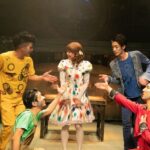
The Gion Theater option happens in a theater-style showhouse. This route is a good fit if you want things to feel more “structured venue” and a bit less like private-house hosting.
Wheelchair information is different here: Wheelchair allowed for the Gion Theater option.
If your goal is simply to see the Maiko dance and handle the rest efficiently (without adding the shrine visit), this option can be the smoother choice.
A few more Kyoto tours and experiences worth a look




The flow before the dances: tea, snacks, and a guided pace
You’ll start at one of the listed meeting points, and the exact starting point can change depending on which option you book. One clearly listed name/address is 梅乃 UMENO (302-2 Daikokuchō, KOHYO Kamishichikenten). From there, the guide keeps the group moving and sets expectations.
Once you settle in, the setup usually works like this:
- You’re briefed about what to look for in the Maiko’s appearance and performance
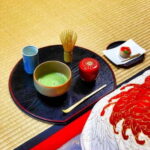
- You’re offered tea and traditional Japanese snacks (and in at least one group experience, it was hot matcha tea or water)
This part matters more than it sounds. Many people arrive knowing the “headline” (Maiko dance!), but not the why behind the details. A good guide helps you watch with the right lens—how the look connects to the role, what you might notice in movement, and how the culture frames artistry.
And yes, the guides are part of the value. I saw names like Genki, Rin, Akari, Ai, Chihiro, and Taira Yoshino show up across different sessions. That’s usually a sign the organizers take interpretation seriously, not just logistics.
Inside the show: dance, Q&A, then a traditional game
This is where the experience earns its 5-star reputation: you’re not stuck on the outside looking in.
The dances: short, precise, and meant to be watched closely
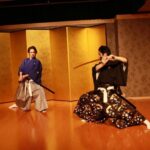
The Maiko dance portion is intentionally structured into distinct segments:
- A traditional dance at the start (about 10 minutes)
- Then two shorter dance performances (around 5 minutes each)
In at least one tea house setup, the choreography was staged so everyone could get a good view—dances were done from each side of the table. That kind of setup is exactly what you want: you’re not craning your neck hoping for a clear angle.
The Q&A: where you learn faster than a museum label
After the dances, the program shifts to questions. This is the moment that changes the whole experience from pretty to meaningful. When the Maiko answers, you’re hearing context you can’t easily guess from photos.
Guides act as translators and interpreters, and in one experience Genki helped bridge communication smoothly. People also mentioned how open the Maiko was with answers, and that the guide ensured everyone could understand what was happening.
The game: playful, human, and memorable
Then comes a traditional Japanese game. One specific game name that shows up in the experiences is Konpira Fune Fune. The funny part is universal: people often lose. But the value isn’t winning—it’s that the Maiko is treating the interaction like a shared moment, not an interview.
After the game, you’re given time for photos. Some experiences also included small personal souvenirs, like a name sticker for luck.
Photos and videos: how to do it without being distracting
You’ll be glad to know that taking pictures and videos is allowed. You’re not in “no cameras” mode. That said, cultural settings still run on respect.
Here’s how to keep it smooth:
- Be ready to follow the guide’s directions on when photos are okay
- Keep your phone steady and avoid blocking anyone’s view
- Treat the Q&A as part of the experience, not a background moment for filming
Because the show is brief, photo timing matters. You’ll likely get picture opportunities during the Q&A/photos segment and at the end. If you’re aiming for great shots, arrive with your camera settings ready.
Price and value: what $50 buys you in Kyoto terms
$50 per person isn’t “cheap,” but for Kyoto, it’s the going rate for something rare and controlled: a short, live Maiko performance with guided context and time for interaction.
What you get for the price:
- A Maiko dance show (around 1 hour, sometimes up to 105 minutes total)
- Tea and traditional Japanese snacks
- A professional guide in English or Korean
- A Q&A and a traditional game with the Maiko
- Time for photos and videos
Two details that improve value:
1) The program is small-group capped (up to 23 for the Tea House option and up to 30 for Gion Theater). That’s not just a number—it affects how much personal attention you get.
2) The dances aren’t continuously performed for the entire time, which sounds like a drawback at first. But it’s exactly what keeps the art respectful, and it’s why you get the learning and interaction instead of only stage time.
And one practical reminder: additional drinks or food aren’t included. If you know you’ll want extra, you can plan on it.
Kitano Tenmangū shrine: the bonus that only comes with the tea house option
If you choose the Tea House option, you also get time at Kitano Tenmangū Shrine. The shrine session is guided and lasts about 30 minutes, and it’s included only with this option.
Why that matters:
- It turns the experience into more than “watch and go.”
- You connect the performance moment to a real Kyoto place people come for, which makes the whole day feel less like a standalone ticket.
If you pick Gion Theater instead, you miss this shrine portion. So make the choice based on whether you want a more complete day with an added cultural stop.
Socks, seating, and other practical details that can trip you up
Small rules here really matter because the show space is set up for comfort and etiquette.
Here’s what you should know:
- Bring socks and wear socks during the experience
- Bare feet are listed as not allowed
- Baby strollers aren’t allowed
- There’s a maximum group size (23 tea house, 30 theater)
- The age note says it’s not suitable for people over 95 years
Also, confirm what kind of footwear you’ll use for walking in Kyoto. You’ll want something easy since you’ll be following the sock/bare-foot rules during the performance.
If you’re traveling with limited mobility, double-check the wheelchair notes:
- Tea House option: wheelchair not available
- Gion Theater option: wheelchair available
Who this is best for (and who might want to think twice)
This is a strong fit if you:
- Want an authentic-feeling Maiko experience in Kyoto, not just a tourist performance
- Enjoy Q&A and learning the “what you’re looking at” part
- Like close interaction and a small group setting
- Care about respectful pacing (short dances, then discussion)
It might not be the right match if you:
- Are expecting a long, nonstop stage show
- Hate structured activities like a guided shrine visit (if you pick the tea house option) or a tightly scheduled theater experience (if you pick Gion Theater)
Also, if you’re very sensitive to group dynamics, note the room holds around 23 to 30 people depending on the option. The cap is there to help, but it’s still a group setting.
Should you book the one-hour Maiko show in Kyoto?
I’d book it if your Kyoto “must-do” list includes seeing a real Maiko and having time to ask questions. The combination of live dance, translation-led Q&A, a traditional game, and photo/video time is exactly what turns this from a pretty evening into a real story you’ll remember.
I’d skip or reconsider if you only want long performances and you dislike guided cultural add-ons. Also, choose carefully between the Tea House and Gion Theater formats based on wheelchair needs and whether you want the Kitano Tenmangū shrine session.
If you’re on the fence, pick the option that matches your style: tea house for a Kyoto-style hosting vibe plus shrine time, theater for a more venue-like experience.
FAQ
How long is the Geisha/Maiko show?
The show runs about 1 hour, with the total experience listed as 1 hour to 105 minutes depending on the option and schedule.
Is the Maiko performing for the entire hour nonstop?
No. The Maiko will not perform continuously for one hour. The program is intentionally short and includes Q&A, photos, and a traditional game.
Can I take photos or record videos?
Yes. The show information says you’re welcome to take pictures and videos.
What are the two tour options?
You can choose either the Tea House option (held in a Japanese Kyo-machi-ya) or the Gion Theater option (held in a showhouse). The walking tour that visits the shrine is only for the tea house option.
Is Kitano Tenmangū Shrine included?
Yes, but only with the Tea House option. There’s a guided 30-minute shrine session with the Maiko.
What is included in the price?
Included are the Geisha show (1 hour), tea and traditional Japanese snacks, a professional tour guide, and (for the tea house option) the 30-minute Kitano Tenmangū Shrine session with the Maiko.
What should I bring?
Bring socks.
Are there rules about footwear?
Bare feet are not allowed. Socks are required.
What languages are the guides speaking?
The live tour guide offers English and Korean.