REVIEW · KYOTO
Kyoto Adventures Private English Tour With Hotel Pick Up
Book on Viator →Operated by Toddyland Travel and tourism · Bookable on Viator
One car day makes Kyoto feel more manageable. This private tour with hotel pickup helps you skip the constant train-and-bus juggling and lets you choose how long you linger at each stop, instead of getting herded on someone else’s timetable.
I like that your route is planned in advance, so you’re not spending your vacation doing research. I also like that the pacing can flex, which matters a lot when Kyoto sites can run busy.
The one thing to watch is that this can feel more like a driver-and-timed-stops setup than a deep guided lecture. A few people flagged limited guidance and even a pickup-point mix-up that delayed the day start.
In This Review
- Key things that make this Kyoto day tour worth considering
- Why a private Kyoto car day beats riding solo
- Price and ticket reality: what $476.24 gets you (and what it doesn’t)
- How the day actually feels: flexible stops with a “car-first” rhythm
- Kinkakuji Temple (Golden Pavilion): the one Kyoto photo you earn
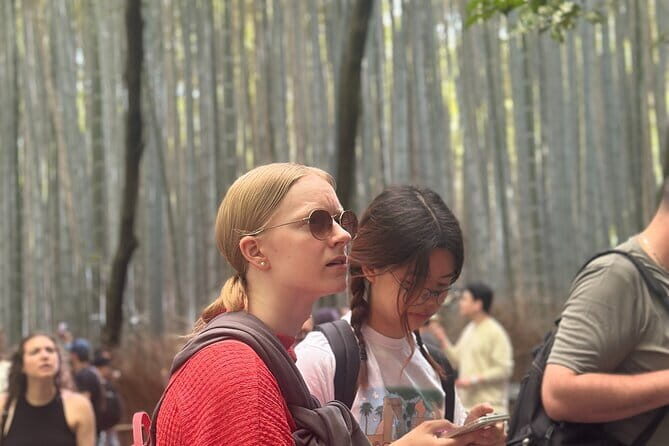
- Arashiyama in two acts: bamboo walk plus Tenryu-ji gardens
- Nishiki Market: lunch-ready, cash-friendly, and full of choices
- Nijo Castle: gardens and preserved historical buildings
- Kiyomizu-dera: views from the wooden stage
- Fushimi Inari-taisha: torii gates and the sacred stair climb
- Gion: geisha district vibes without the lost-in-crowds stress
- Tips to make this flexible Kyoto day work for you
- Who this tour suits best (and who might prefer trains)
- Should you book? My decision guide
- FAQ
- Is hotel pickup included?
- What does the price include?
- Are entry tickets for temples and castles included?
- How long is the tour?
- Can you control how long you stay at each stop?
- Is free cancellation available?
Key things that make this Kyoto day tour worth considering
- Hotel pickup saves time and cuts down on early-morning stress
- Private, air-conditioned car means less crowd friction between neighborhoods
- Flexible time at each stop helps you match Kyoto’s rhythms to your energy
- Big-name hits in one day: Golden Pavilion, Arashiyama, Nishiki Market, Nijo Castle, Kiyomizu-dera, Fushimi Inari, and Gion
- Strong communication shows up when you’re paired with guides like Usama, Aka, Hassan, or Nomi
- Entry tickets aren’t included, so budget for temple/castle fees separately
Why a private Kyoto car day beats riding solo
Kyoto is gorgeous, but it can also be a coordination puzzle. That’s where a private car tour earns its keep. You’re not trying to time transfers, interpret crowded platforms, or stand in line for one more train while your day gets thinner.
This style of tour is built around two ideas: efficiency and control. Efficiency comes from having a planned route that targets major sights in a single stretch. Control comes from the fact that you’re not locked into rigid stop-and-go minutes. You can slow down for photos, take breaks before you burn out, and spend longer where you actually care.
And since it’s a group-up-to-six private setup, it’s also easier to travel with a partner, friends, or a small family without turning your day into a strategy session about who stands where and when.
You can also read our reviews of more private tours in Kyoto


Price and ticket reality: what $476.24 gets you (and what it doesn’t)
The price is $476.24 per group (up to 6) for about 8 to 9 hours. That’s the number you’re paying for the private vehicle experience plus a fuel surcharge. If you fill all six seats, the per-person cost drops a lot compared with paying for multiple smaller arrangements.
But there’s an important catch: entry tickets aren’t included. Based on the stops on this route, you should expect ticket costs at least for:
- Kinkakuji Temple: ¥500
- Nijo Castle: ¥1000
- Kiyomizu-dera Temple: ¥500
Other stops on the plan are listed as free for admission, which helps keep the overall spend reasonable. Still, bring a little cash for snacks at Nishiki Market, and don’t plan on buying zero-day meals—food and drinks aren’t included either.
So the value question is simple: if you want a one-day hit list without transit stress and you’re comfortable paying separate entrance fees, this can be a smart move.
How the day actually feels: flexible stops with a “car-first” rhythm
Even with a “private tour” label, Kyoto days can vary in how guided they feel. In practice, what you get is a private ride that takes you from sight to sight, with time allotted for each location. That can be fantastic if you like exploring with your own eyes and decisions.
It can be less satisfying if you wanted a full-time, commentary-heavy guide all day. Some people describe the experience as more of a private driver with self-guided sightseeing, with limited context at stops. Others praise guides who were friendly, patient, and helpful—people mention names like Usama, Aka, Hassan, and Nomi, and those are the sorts of guides who tend to add real value through explanations and navigation tips.
If you’re hoping for deep cultural storytelling, you’ll want to set expectations upfront when you book—ask how much guiding time you’ll receive versus time at stops. If you just want the comfort of a private car and a plan that gets you from place to place efficiently, you’re likely to be happy.
Kinkakuji Temple (Golden Pavilion): the one Kyoto photo you earn
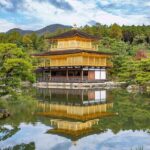
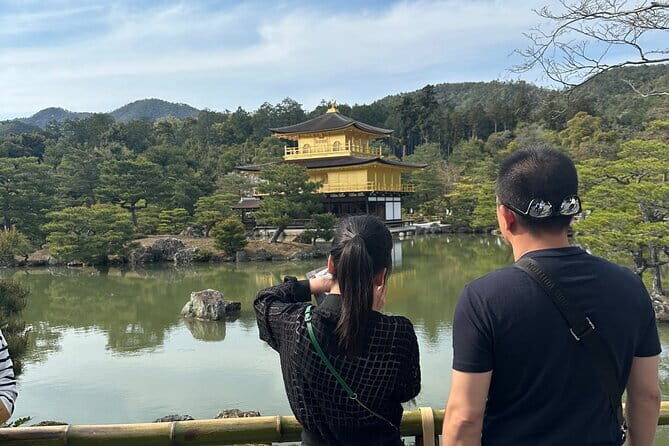
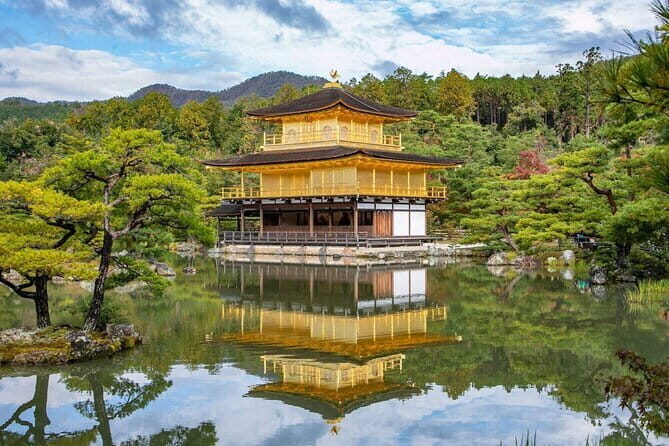
Kinkakuji is the landmark most people picture when they think Kyoto. It’s a Zen Buddhist temple famous for the Golden Pavilion, and the setting makes it feel like you’re walking into an iconic postcard—especially when the day is bright.
Plan for about an hour at this first stop. That’s enough time to see the main views and take your photos without feeling like you’re racing. The listed entry ticket is ¥500, so it’s not free, and it’s worth arriving ready to move.
One practical note: because it’s a must-see, it’s also a high-traffic site. A private car helps you arrive without the extra commute friction, but you still want patience for lines and foot traffic.
Arashiyama in two acts: bamboo walk plus Tenryu-ji gardens
Arashiyama is what you do when you want Kyoto to feel cinematic and calm. The bamboo forest walk is the headline, but the broader area is where the day changes tone.
You get about 1 hour 30 minutes on this stop, including time at Tenryu-ji, which is a UNESCO World Heritage Site known for gardens. This matters: it’s a chance to step away from crowds and get into a slower pace, especially if you time your visit well.
The main consideration here is simple: bamboo walks can be short on space, so even with plenty of time scheduled, you may spend part of it moving rather than wandering. Still, it’s a strong pairing with Kinkakuji because it shifts the mood from polished gold spectacle to quieter natural scenes.




Nishiki Market: lunch-ready, cash-friendly, and full of choices
Nishiki Market is a shopping-and-snacking street that feels like Kyoto in miniature. It’s famous for food stalls and small bites, and the entrance itself is free.
Your scheduled time is about 1 hour 30 minutes, and it’s a great lunch window. The key tip: bring cash, because vendors vary and you’ll want flexibility. You can graze on bite-size options, buy snacks for later, or pick up small items you don’t want to carry for an entire trip.
The drawback is that the market can get crowded, and your time can disappear if you keep stopping at every stall. Still, if you treat it like a menu instead of a mission, you’ll enjoy it.
Nijo Castle: gardens and preserved historical buildings
Nijo Castle gives you the “architecture and atmosphere” side of Kyoto. It’s also tied to UNESCO status and is known for its well-preserved buildings and gardens.
You’ll have about 1 hour here, and there’s an entry ticket listed at ¥1000. That hourly slot is usually just right for seeing the main sections and the surrounding grounds without feeling rushed.
A good way to use the time is to pick one “anchor focus.” For example, spend extra moments observing the structures and the pacing through the spaces, then use the remaining time for photos and garden views. If you’re the type who loves details, you’ll do well here. If you’re more photo-first, the hour still works, but you’ll want to choose key viewpoints quickly.
Kiyomizu-dera: views from the wooden stage
Kiyomizu-dera is the temple stop where the scenery starts doing heavy lifting. The wooden stage setup creates that iconic Kyoto viewpoint feeling, and the site is known for stunning views over the city.
Budget about an hour. The entry ticket is listed at ¥500. This is another site that tends to attract crowds, so think of your time here as a mix of walking, pausing, and waiting a bit for better sightlines.
If the weather is clear, this stop can be the visual payoff of the whole day. If it’s rainy, you’ll still get the atmosphere, but plan on more indoor movement and fewer “stand and stare” moments outside.
Fushimi Inari-taisha: torii gates and the sacred stair climb
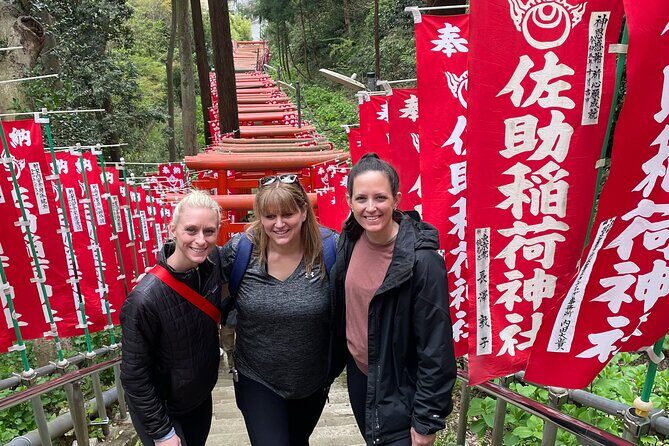
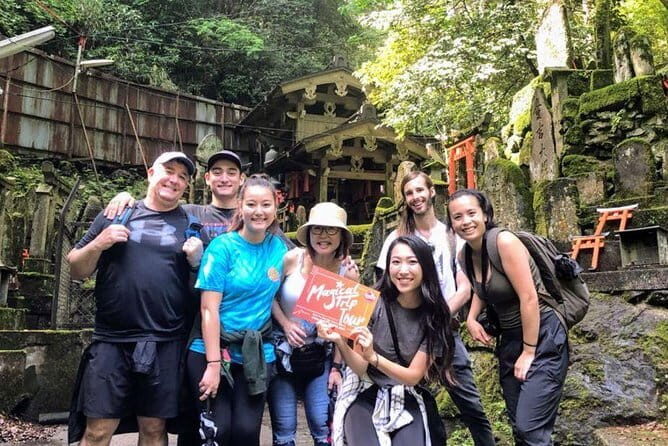
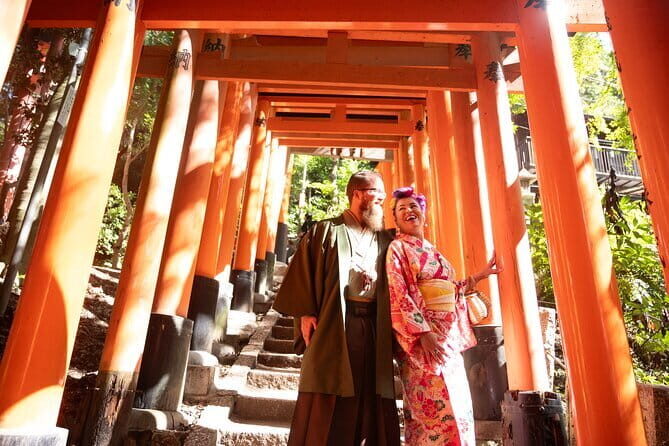
Fushimi Inari is famous for its thousands of red torii gates. It’s a place where you can go as far as you want—short walk, medium hike, or keep going until your legs vote no.
Your schedule gives about 1 hour 30 minutes, and that’s plenty for reaching a good stretch of gates and still having time to return without panic. The route is physically active, so wear shoes you can trust.
Because this site is iconic, crowds are common. A private car doesn’t remove foot traffic, but it does help you arrive when you want and keeps your day from getting swallowed by transit delays.
Gion: geisha district vibes without the lost-in-crowds stress
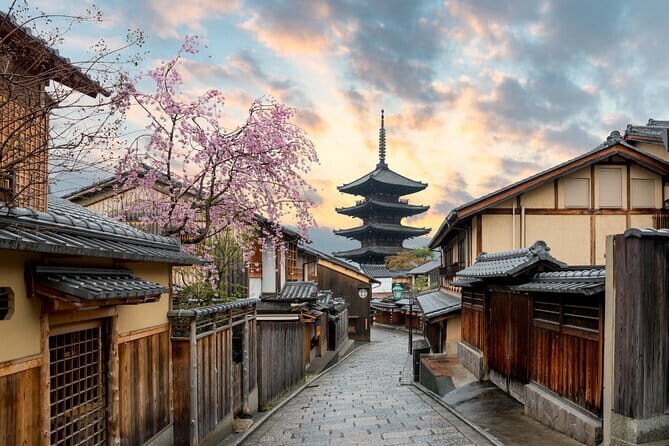
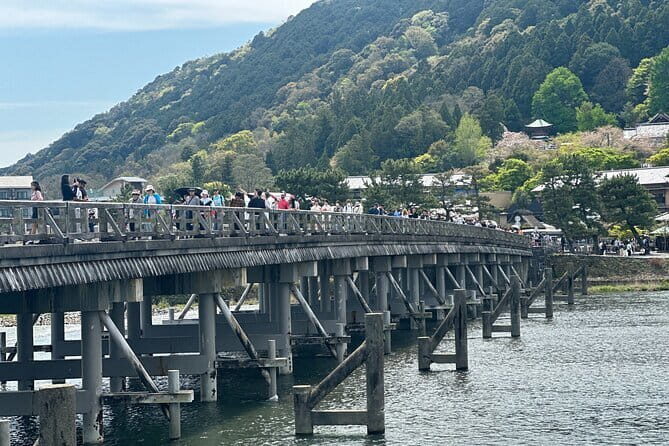
Gion is Kyoto’s well-known geisha district, and it has a distinct mood: lantern-lit streets, traditional wooden bridges, and a lively mix of high-end shopping and restaurants.
The tour includes about 1 hour 10 minutes here, and it’s timed as a late-day atmosphere stop rather than a “learn every detail” lesson. You’ll see areas like the surroundings around Tatsumi Bridge and Hanamikoji Street, plus the plan mentions Gion Corner as part of the experience.
The big advantage of doing Gion last is that the neighborhood often feels more magical as the day cools. The main consideration is logistics: streets can feel crowded, and you’ll do better if you treat it like wandering with purpose rather than trying to locate everything at once.
Tips to make this flexible Kyoto day work for you
If you book this, you’ll get the most value by planning like a local who wants options.
- Decide your priority in advance. If Kinkakuji and Inari are your must-dos, commit those times, then treat Arashiyama and the markets as adjustable.
- Wear walking shoes. The itinerary is manageable, but Inari and temple grounds add up.
- Bring cash for Nishiki Market. It’s the easiest way to avoid running into payment hiccups while you’re hungry.
- Use the flexibility. If you’re enjoying a stop, don’t feel obligated to “hit everything exactly.” With a private setup, you can usually shift time around.
- Ask how guiding will work. The data says tour guide isn’t included, yet some days you’ll get drivers who explain things well (people mention guides like Aka and Hassan). Confirm what level of English help you’ll actually receive.
Who this tour suits best (and who might prefer trains)
This Kyoto private car day is a strong fit if you:
- Want the speed of a car without battling crowded transit
- Prefer to set your own pace at major sights
- Travel in a group of up to six and want one smooth plan for the day
- Value comfort, especially in warmer or rainier months (private air-conditioned vehicle helps)
You might want a different approach if you:
- Want a nonstop, narration-heavy guide at every step
- Prefer to hop around Kyoto using trains on your own schedule
- Have a very strict sightseeing checklist and don’t want any timing flexibility
The “car-first” format works best when you’re happy exploring on your own but want the route, timing, and transportation to be handled.
Should you book? My decision guide
Book this tour if you want a stress-reduced Kyoto sampler that hits the big names with minimal transit hassle. The biggest selling points are the hotel pickup, the private vehicle, and the ability to control how long you stay at each stop.
Skip it or consider alternatives if you’re expecting a guaranteed, deeply guided experience all day. Since the tour guide is listed as not included, you’ll want to confirm what you’ll get in English support beyond driving.
If you match the tour to your style—sight-first, flexible, comfort-focused—this is a solid way to see a lot of Kyoto without turning your day into a logistics problem.
FAQ
Is hotel pickup included?
Pickup is offered, which makes it easier to start your Kyoto day without figuring out trains or navigating from a distant station.
What does the price include?
Your price includes a private air-conditioned vehicle and a fuel surcharge. Mobile ticket is also listed as part of the experience.
Are entry tickets for temples and castles included?
No. Entry tickets are not included for this tour. Some stops have listed fees, like Kinkakuji Temple (¥500), Nijo Castle (¥1000), and Kiyomizu-dera Temple (¥500).
How long is the tour?
The tour duration is listed as about 8 to 9 hours.
Can you control how long you stay at each stop?
Yes. The tour is described as having no fixed schedule, with flexibility to choose your pace and how long you spend at each location.
Is free cancellation available?
Yes. You can cancel up to 24 hours in advance for a full refund, based on local time cut-offs.