REVIEW · KYOTO
Kyoto: Golden Route Sightseeing Tour via Bus with Lunch
Book on GetYourGuide →Operated by H.I.S. Co Ltd(TIC) · Bookable on GetYourGuide
Kyoto gets big fast. This bus tour lines up the best stops without the constant planning. I especially like the English-speaking guide who helps you decide what to prioritize, and the Kyoto-style buffet lunch that keeps the day moving. The main catch: this outing is heavy on walking, so it is not the kind of day you can power through comfortably if your legs need breaks.
You start at Kyoto Station (Hachijo Exit area in front of KYOTO AVANTI) and ride in a comfortable, air-conditioned coach with other guests. Since it is not a private tour, you should expect a shared pace and a bit of “follow the group” energy.
At around $70 per person, the value comes from bundling the bus, guide, lunch, and entrance fees for major sights like Kiyomizu-dera, Tenryuji, and Kinkaku-ji. Just note the exact timing can vary, with the tour listed in a wide duration range depending on the departure.
In This Review
- Key things to know before you go
- Why this Kyoto Golden Route by bus makes sense
- Meeting at Kyoto Station Hachijo Exit: get bearings fast
- Kiyomizu-dera in about 70 minutes: stage views and temple atmosphere
- Fushimi Inari Taisha: torii gates, pacing, and smart footwear
- Coach ride and local restaurant lunch: a real recovery window
- Arashiyama sightseeing: bamboo grove calm plus Tenryuji peace
- Bamboo Grove at Arashiyama
- Tenryuji Temple (UNESCO World Heritage Site)
- Kinkaku-ji (Golden Pavilion): 45 minutes for the pond, gardens, and shine
- Kyoto Handicraft Center stop: souvenirs with craft behind them
- Price and logistics: how $70 stacks up
- Who this tour suits best (and who should skip)
- Quick check: timing, groups, and what could change
- Should you book this Kyoto bus tour?
- FAQ
- What is the meeting point for the Kyoto tour?
- What English support is included?
- What attractions are included?
- How long is the tour?
- Is lunch included?
- Which entrance fees are included?
- Where does the tour end?
- Is the tour private?
- Can I bring my own food and drinks to the lunch restaurant?
- Is wheelchair access available?
Key things to know before you go
- English guidance with choices: you get help navigating the day and deciding where to focus
- Kyoto-style buffet lunch included: a real sit-down break, not a quick snack stop
- Arashiyama time built in: bamboo grove plus Tenryuji in the scenic Arashiyama area
- Golden Pavilion visit (Kinkaku-ji): plan on photos, but also time for the gardens and pond views
- Entrance fees included for big temples: Kiyomizu-dera, Tenryuji, and Kinkaku-ji are covered
- A lot of walking: torii gates and temple grounds add up quickly
Why this Kyoto Golden Route by bus makes sense
Kyoto’s “must-sees” are spread out. If you try to do them solo with transit delays and long walking transfers, your day can turn into a stress test. This tour trades some independence for structure, which is a smart swap when you only have limited time.
The bus part matters more than you might think. Riding in an air-conditioned coach helps you arrive at each stop with enough energy to enjoy it, instead of arriving already tired from getting stuck on trains or sidewalks. And because the guide speaks English, you spend less time figuring out what to see first.
I also like that the guide effectively manages the day flow. Based on how the tour is described, there is room for you to make choices about what to focus on, rather than being herded in a strict line with no flexibility.
A few more Kyoto tours and experiences worth a look
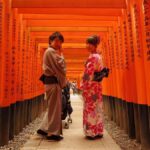

Meeting at Kyoto Station Hachijo Exit: get bearings fast
Your meeting point is Kyoto Station’s Hachijo Exit Tourist Bus Parking Area, in front of KYOTO AVANTI. The meeting place is sent by email about 7 days before your date, which is useful because Kyoto Station signage can confuse even seasoned travelers.
When you meet, arrive a little early. Not because the tour sounds chaotic, but because being early gives you time to check where your group is lining up and use the restroom before the walking starts. Once the schedule starts, it moves.
Also pay attention to luggage size. Bringing large luggage is not allowed during the tour, so travel light if you can. You do not want to spend your day wrestling bags while everyone else is walking comfortably.
Kiyomizu-dera in about 70 minutes: stage views and temple atmosphere
Kiyomizu-dera is the kind of place where you feel the geography instantly. You climb and move through temple grounds that open up into big viewpoints, and the highlight is the famous wooden stage area.
In practical terms, your 70 minutes go toward two things: (1) walking the grounds, and (2) reaching the viewpoint that makes Kiyomizu-dera so iconic. If you want photos, I suggest choosing one good viewpoint and committing to it rather than sprinting for every angle. The best shots come when you stop, look, and let the scene fill your frame.
One consideration: this stop can be crowded depending on the season and time of day. If you are sensitive to crowds, plan to go with a calmer mindset and focus on the architecture and the city views instead of treating it like an exclusive photo line.
Fushimi Inari Taisha: torii gates, pacing, and smart footwear
Then you head to Fushimi Inari Taisha and spend about 70 minutes wandering the thousands of vermilion torii gates. This is not just walking for the sake of it. The gates create a tunnel-like path up the sacred mountain, and the experience changes as you move higher into the complex.
The best practical advice here is pacing. If you try to cover everything at full speed, you will miss the gradual change in perspective. Give yourself time for the gates closer to the entry, then decide whether you want to continue further up based on your energy.
Wear shoes you can trust. Even with a tour schedule, you are still on foot for slopes and uneven temple pathways. This is one of the biggest “walking adds up” moments of the day, so good footwear is a real value-add.
Coach ride and local restaurant lunch: a real recovery window
Between stops you get about 50 minutes by bus/coach. This time matters because your schedule includes multiple major walking zones. Treat the ride as your reset button.
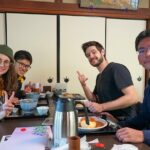
Lunch is a Kyoto-style buffet, set aside for about 50 minutes. Buffet meals are often fast and chaotic in group tours, but the length here is long enough to actually sit, pick what you want, and cool down. If you like variety, buffet lunch is a win because you can build a plate that matches what you feel like eating that day.
Two rules to remember: do not bring your own food and drinks into the restaurant, and follow the no-smoking policy on the vehicle. Small things, but they prevent you from losing time to misunderstandings.




Arashiyama sightseeing: bamboo grove calm plus Tenryuji peace
Arashiyama is where your day shifts from “iconic skyline views” to “quiet nature mood,” and that contrast is a big part of why the route works. You get about 2 hours for sightseeing, including the bamboo grove at Arashiyama plus Tenryuji Temple.
Bamboo Grove at Arashiyama
The bamboo grove is famous for a reason: the vertical poles, the light filtering through, and the gentle rustle you hear when the wind moves the leaves. Even when it is busy, the setting is still calming compared to the urban temple streets.
My suggestion: do not treat it like a checklist. Slow down and walk at a pace that matches what you hear. If you rush, the place can feel like a photo corridor. If you slow down, it starts to feel like a mini escape.
Tenryuji Temple (UNESCO World Heritage Site)
Tenryuji is a historic Zen temple and a UNESCO World Heritage Site, known for landscaped gardens and a peaceful atmosphere. This is not just about seeing buildings. The gardens and layout are part of the viewing experience, and the calm here is a nice counterweight to the earlier intensity of torii gates.
With only about 2 hours in the whole Arashiyama block (including bamboo and Kinkaku-ji timing later), you will want to stay focused. Pick what you want to absorb deeply, rather than chasing every single corner.
Kinkaku-ji (Golden Pavilion): 45 minutes for the pond, gardens, and shine
Kinkaku-ji is the Golden Pavilion, and it’s the kind of sight that lives up to its name. You get about 45 minutes for the visit, which is enough time to see the main pavilion from key angles and also notice the gardens and reflecting pond views.
The big temptation is to spend all your time taking pictures. That is fine, but don’t forget to look with your eyes too. The pavilion sits in a designed environment—water reflections and garden composition are part of the effect. If you only shoot from one spot, you might miss how the scene changes as you move a few steps.
Also, if the pavilion is partially obscured by crowds at your chosen angle, shift locations instead of waiting forever. The gardens give you multiple viewing opportunities, so use your time efficiently.
Kyoto Handicraft Center stop: souvenirs with craft behind them
After Kinkaku-ji, you also have time at a visitor center stop for about 30 minutes. The experience highlights a Kyoto Handicraft Center where you can learn about traditional Japanese crafts and shop for unique souvenirs.
This is one of those stops that pays off later. Instead of generic souvenirs, you have a chance to focus on crafts tied to Kyoto’s artistic tradition. If you like gifts that feel connected to a place, this stop helps you avoid the souvenir guilt.
One practical tip: set a small budget in your head before you enter. Craft shops can pull you into impulse buys quickly, and 30 minutes disappears faster than you think once you start looking closely.
Price and logistics: how $70 stacks up
At $70 per person, you are paying for a bundled day: English guide, air-conditioned bus, lunch, plus entrance fees for Kiyomizu-dera, Tenryuji, and Kinkaku-ji. You would normally spend money separately on transport between sites, guide help (or time you would spend figuring things out), and temple admission.
So where does the value land?
- You pay for time saved on planning and route coordination.
- You pay for comfort during transit, which matters in summer heat.
- You pay for not having to buy multiple admissions on your own.
- You still get meaningful on-foot time at each major highlight.
Where you should be careful:
- This is not private, so you share the pace.
- The schedule includes several walking-heavy sites, so it is not ideal if you need lots of rest stops.
Think of the price as buying convenience plus access to the big names. If that matches your travel style, it is a fair deal.
Who this tour suits best (and who should skip)
This is a good match if you want Kyoto’s top highlights in one day with a guide to keep things organized. The tour also sounds well-suited to travelers who like a bit of guidance but still want to make choices about what to focus on.
I would lean toward booking if you:
- enjoy temple and shrine sites
- want Arashiyama’s bamboo grove as a scheduled stop
- prefer a guided structure over self-planning
- appreciate having lunch built into the route
I would skip or seriously reconsider if you:
- struggle with lots of walking (this tour explicitly involves a lot of it)
- use a wheelchair (the tour is not wheelchair accessible)
- are pregnant (not suitable for pregnant women)
Quick check: timing, groups, and what could change
Your duration can range from about 260 to 570 minutes depending on starting time and schedule, so check availability closely. The tour is also dependent on meeting a minimum participant count: if at least 4 people are not booked by 14 days before your date, the tour on that date might be canceled.
Since it’s not private, you will likely travel with a small group rather than just your party. Expect shared timing between stops, and plan to keep your energy up for walking segments between major sights.
One note that can confuse people: the experience also mentions a half-day plan that may conclude and disband at Arashiyama, with you returning on your own. Your listed finish is Kyoto Station Hachijo Exit area, so for peace of mind, confirm the exact end point for your specific departure in the day’s details sent to you.
Should you book this Kyoto bus tour?
Book it if you want an organized route that hits Fushimi Inari, Kiyomizu-dera, Arashiyama’s bamboo grove, Tenryuji, and Kinkaku-ji, all with an English-speaking guide and lunch handled for you. The $70 price is strongest when you value convenience, comfort, and included temple admissions.
Skip it if walking is a challenge for you, or if you need a fully accessible setup. Also, if you hate group pacing, consider building your own route instead.
If you want Kyoto’s Golden Route without the stress of figuring out every transfer, this tour is a practical way to do it.
FAQ
What is the meeting point for the Kyoto tour?
You meet at Kyoto Station Hachijo Exit Tourist Bus Parking Area, in front of KYOTO AVANTI. Your exact meeting details are sent by email about 7 days before your tour date.
What English support is included?
The tour includes a live English-speaking guide.
What attractions are included?
The tour covers Kiyomizudera Temple, Fushimi Inari Taisha, Arashiyama sightseeing (including the Bamboo Grove), Tenryuji Temple, Kinkakuji (Golden Pavilion), and a stop at the Kyoto Handicraft Center.
How long is the tour?
The listed duration range is 260 to 570 minutes. The exact timing depends on the available starting times.
Is lunch included?
Yes. Lunch is included as a Kyoto-style buffet lunch, with about 50 minutes allocated.
Which entrance fees are included?
Entrance fees included are for Kiyomizudera Temple, Tenryuji Temple, and Kinkakuji (Golden Pavilion).
Where does the tour end?
The finish point is listed as Kyoto Station Hachijo Exit Tourist Bus Parking Area, in front of KYOTO AVANTI. Some half-day plan notes indicate the tour may conclude and disband at Arashiyama with self-arranged return, so check your specific details for your departure.
Is the tour private?
No. It is not a private tour; you join other guests together.
Can I bring my own food and drinks to the lunch restaurant?
No. You are advised not to bring your own food and drinks into the restaurant.
Is wheelchair access available?
No. The tour is not wheelchair accessible, and it is also not suitable for pregnant women. The tour involves a lot of walking.