REVIEW · KYOTO
Matcha Grinding Experience and Walking Tour in Uji Kyoto
Book on Viator →Operated by Tomodachi Tours · Bookable on Viator
Matcha starts with a stone grind. This Uji tour pairs the Byodo-in 10-yen view with a hands-on matcha grinding class, so you’re not just looking at tea culture, you’re making it. One thing to plan for: you need WhatsApp ready before the tour, since the guide uses it to contact you.
I like how the day is paced for real sightseeing, not a rushed checklist. You’re also in a small group (max 6), which usually means more time for questions and clearer explanations as you walk between tea landmarks. The route runs about 4 hours, starting at 9:30am and ending back at the same meeting point near Kyoto Station.
You’ll get an English guide, temple admission for Byodo-in, and a matcha workshop with Japanese sweets or matcha ice cream. You should still expect some temple walking and standing during the workshop, since this is built around moving through Uji’s sights on foot.
In This Review
- Key highlights you’ll actually care about
- Why Uji feels different from most Kyoto day trips
- Byodo-in Temple: the 10-yen coin moment, plus context
- Uji Shrine: a quieter tea-town pause
- Fukujuen Ujicha Kobo: where the tea story becomes hands-on
- The matcha grinding workshop: stone mill, fresh powder, real skill
- What you’ll drink and eat: sweets or matcha ice cream
- Price and what $130.46 is buying you
- Logistics that make or break the morning
- Is this tour for you? (Quick match check)
- Should you book this matcha grinding and walking tour in Uji?
- FAQ
- What is the duration of the Matcha Grinding Experience and Walking Tour in Uji?
- Where does the tour start?
- What time does the tour start?
- Is this tour guided in English?
- What are the main stops on the itinerary?
- What is included in the price?
- What is not included?
- How big is the group?
- Do I need WhatsApp before the tour?
- What is the cancellation policy?
Key highlights you’ll actually care about
- Byodo-in Temple visit, including admission and the UNESCO setting tied to Japan’s 10-yen coin
- Hands-on matcha made right in front of you using a traditional stone mill
- Uji Shrine stop for a calmer, local-feeling break from the main temple area
- Fukujuen Ujicha Kobo tea workshop atmosphere, focused on how Uji tea is made and appreciated
- Small group feel (max 6), with a guide like Vincent often described as friendly and clear
Why Uji feels different from most Kyoto day trips
Uji is close to Kyoto, but it has a different rhythm. Where Kyoto can feel like constant motion, Uji has that slower, tea-town vibe. That matters because this experience is built around tasting and learning, not just photos.
The tour also has a smart structure: you start with a big landmark, then move into the smaller tea-focused stops. That keeps the morning from feeling like a train between attractions. And since the walk portion is limited to the Uji area, you’re less likely to feel like you’re spending the whole time in transit.
If you’re a matcha fan, you’ll appreciate that the day doesn’t treat tea as a prop. It treats tea as the point. You’ll grind, whisk, and drink what you made, which is a very different experience than ordering matcha after the fact.
You can also read our reviews of more walking tours in Kyoto


Byodo-in Temple: the 10-yen coin moment, plus context
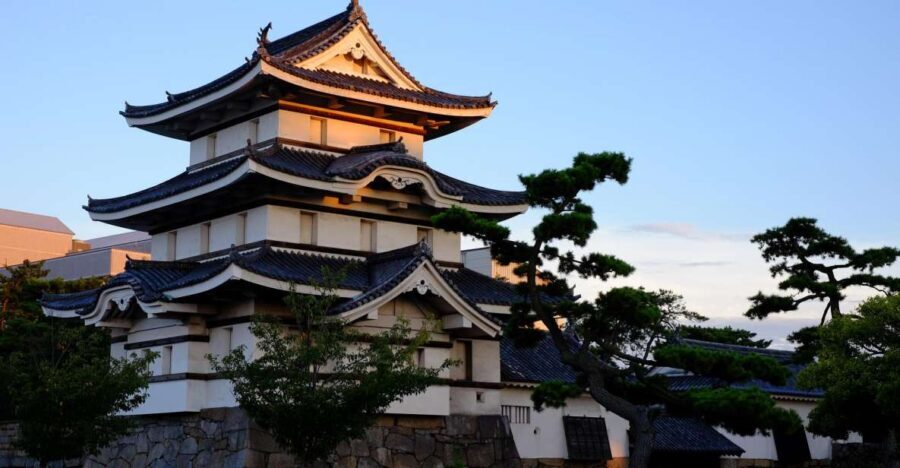
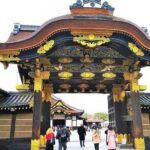
Byodo-in is the centerpiece for a reason. It’s one of the most recognizable temple sites in Japan thanks to its image appearing on the 10-yen coin, and the tour uses that fame as a launch pad into the story of Uji.
In practice, what you’ll get here is more than a quick walk through a famous courtyard. Your guide will connect the architecture and the temple setting to why Uji matters in Japanese culture, especially the long association with tea. If you like travel with meaning, this is where the day starts giving you that “oh, that’s why” feeling.
The main consideration at this stop is simple: it’s a temple, so you’ll want to be ready for stairs, uneven ground, and a bit of standing while you listen. Wear shoes you trust, not fashion sneakers with weak grip. Uji is very walkable, but temple paths are not always flat.
Also note the tour includes Byodo-in admission, so you don’t have to figure out ticket lines or entry rules mid-morning.
Uji Shrine: a quieter tea-town pause
After Byodo-in, the tour shifts gears with a stop at Uji Shrine. This is a good move. It helps break the day up so you’re not only seeing one major site back-to-back.
This shrine stop also makes the walk feel more like being in Uji, not hopping between attractions. You’ll get a sense of how the area functions beyond the main tourist magnets. That’s where the guide’s explanations can really help, especially if you’re curious about how local places connect to tea culture.
The drawback here is that shrine stops can be shorter and more still than temple stops. If you love big, dramatic structures, you might want a little more time at Byodo-in. But the trade-off is you’ll likely appreciate the variety, and it keeps the total tour length reasonable at around 4 hours.
Fukujuen Ujicha Kobo: where the tea story becomes hands-on
The workshop portion happens at Fukujuen Ujicha Kobo. This is the part of the tour that matcha lovers usually talk about long after the walking is done.
Here’s what makes this stop valuable: you’re not just learning a theory about matcha. You’re learning the process. Uji has a reputation for high-quality green tea, and this workshop is positioned around that idea—how you grind tea leaves into powder, and then how that powder becomes your drink.
In other words, your brain gets a full loop: you see a tea-related cultural setting, then you do the work that turns plant material into matcha. It’s the difference between hearing about tea and actually tasting the result.
One more practical note: if you’re sensitive to ritual rules, pay attention to the workshop instructions. The tour requires that you wear a mask during the matcha-making workshop, so plan on bringing one that fits comfortably.
The matcha grinding workshop: stone mill, fresh powder, real skill
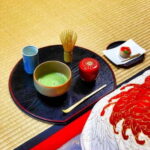
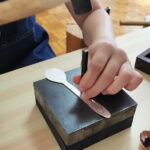
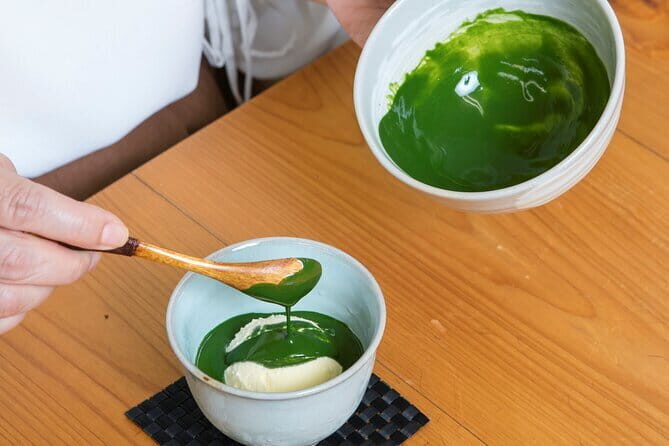
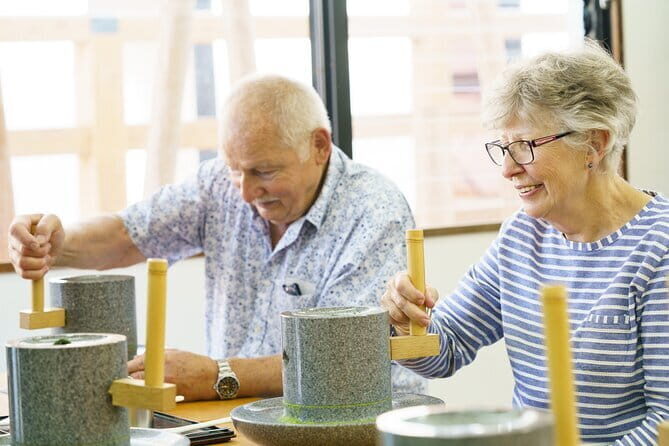
The heart of the tour is the stone grinding experience. The tour has you grind your own matcha using a traditional stone mill, then enjoy your fresh matcha tea.
Why this is so satisfying: matcha powder isn’t a generic powder you can replicate from a store scoop. Grinding changes texture, and the act itself makes you pay attention to the details of the ingredients. You also get to see the pace and effort it takes, which makes the drink feel more intentional.
Your guide will walk you through what you’re doing and what to notice. Guides like Vincent are often highlighted for being friendly and explaining what you see along the way, not only during the workshop. That matters because the matcha experience ties back to the sites you visited earlier.
A small but important detail: you’ll be making something, then tasting it, so try not to show up with a huge caffeine expectation. Matcha can be strong, and fresh ground matcha can taste more intense than the matcha powder you’re used to. You may want to pace your sip and take a moment before deciding if you love it.

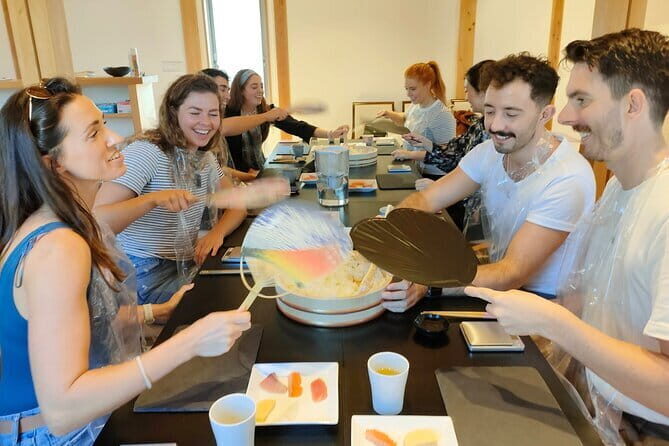
What you’ll drink and eat: sweets or matcha ice cream
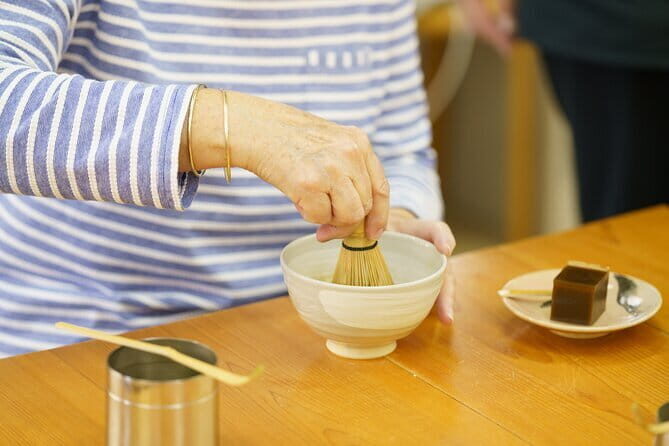
Included with the workshop is a sweet accompaniment: Japanese snacks or matcha ice cream, plus your freshly made matcha.
This is a good value add because it turns the workshop into a complete break, not just a short demonstration. The snack/ice cream also helps balance the intensity of matcha. If you normally find matcha a bit bitter, the pairing can make it easier to enjoy.
Because the option is snacks or ice cream, you can choose what feels most comfortable for your day. If you’re walking a lot afterward, ice cream can be tempting, but it can also feel messy if you’re moving quickly. Snacks are usually easier to manage in the moment.
Either way, you get to keep the tea experience grounded in taste, not just technique.
Price and what $130.46 is buying you
At $130.46 per person, this is not a bargain-basement activity. But it’s also not overpriced for what you actually receive.
You’re paying for several concrete pieces:
- English-guided walking and explanations around Uji’s tea sites
- Byodo-in admission included (not something you’d want to manage separately)
- A hands-on matcha class, including grinding and drinking what you make
- Japanese snacks or matcha ice cream included
The value angle here is the workshop. Private or small-group classes in Japan often cost more than you expect, especially when they include admission to a major landmark and food. Since the group is capped at 6, you’re also less likely to feel like you’re being rushed through a scripted experience.
One thing to plan: there’s no hotel pick-up. You start at Shinshindo near JR Kyoto Station, so factor that into your morning schedule. If you’re staying far from Kyoto Station, you’ll want to plan your transit so you arrive with time to spare.
Logistics that make or break the morning
This tour starts at 9:30am at Shinshindo by JR Kyoto Station (Central Ticket Gate area). It ends back at the same meeting point. That back-to-start detail is helpful, because you won’t need to figure out where to go next.
The maximum group size is 6, and the tour uses a mobile ticket, which is convenient if you don’t want to juggle paper vouchers.
Two practical tips from the reality of how these tours run:
- Get to the meeting point a little early. Temple mornings can be busy around Kyoto Station.
- Before you go, make sure WhatsApp is available, since the guide uses it to contact you.
If you forget WhatsApp or your phone isn’t set up, it can turn a smooth start into an annoying scramble.
Is this tour for you? (Quick match check)
You’ll probably love this if:
- you care about matcha beyond just drinking it
- you want a compact Uji experience with Byodo-in as the anchor
- you like small groups and clearer guide explanations
- you’re happy walking through a tea-town rather than bouncing around Kyoto neighborhoods
It might not be the best fit if:
- you hate structured workshops (since the grinding part is the main event)
- you want only free time with no guidance
- you’re not comfortable with the requirement to wear a mask during the workshop
Should you book this matcha grinding and walking tour in Uji?
If you’re deciding between a quick matcha stop and a real tea experience, this tour leans toward the real thing. The best part is the combination: famous temple setting, local tea spots, then a workshop where you grind and taste your own matcha.
My take: book it if you want a morning that feels meaningful without being too long. The group cap and the fact that admission, workshop, and a snack/ice cream are included make it feel like money spent on the core experience, not add-ons.
Before you commit, double-check two things: you have WhatsApp working, and you’re ready for a few hours of walking and standing in temple areas. Do that, and this is a strong way to experience Uji the way tea lovers actually appreciate it.
FAQ
What is the duration of the Matcha Grinding Experience and Walking Tour in Uji?
The tour lasts about 4 hours (approx.).
Where does the tour start?
The meeting point is Shinshindo by JR Kyoto Station, at the Central Ticket Gate area.
What time does the tour start?
The start time is 9:30am.
Is this tour guided in English?
Yes. It is an English guided tour.
What are the main stops on the itinerary?
You’ll visit Byodo-in Temple, Uji Shrine, and Fukujuen Ujicha Kobo.
What is included in the price?
The price includes Byodo-in admission, the matcha making class, and Japanese snacks or matcha ice cream.
What is not included?
Hotel pick-up is not included.
How big is the group?
The tour has a maximum of 6 travelers.
Do I need WhatsApp before the tour?
Yes. The tour info says you should ensure WhatsApp is available for easy communication, since the guide uses it to contact you.
What is the cancellation policy?
You can cancel for a full refund if you cancel at least 24 hours before the start time. Free cancellation is listed as available, and refunds are not offered for cancellations made less than 24 hours before the start time.