REVIEW · KYOTO
Kyoto Morning Run tour with local guide-Discover new Kyoto-
Book on GetYourGuide →Operated by Kyoto compass tour · Bookable on GetYourGuide
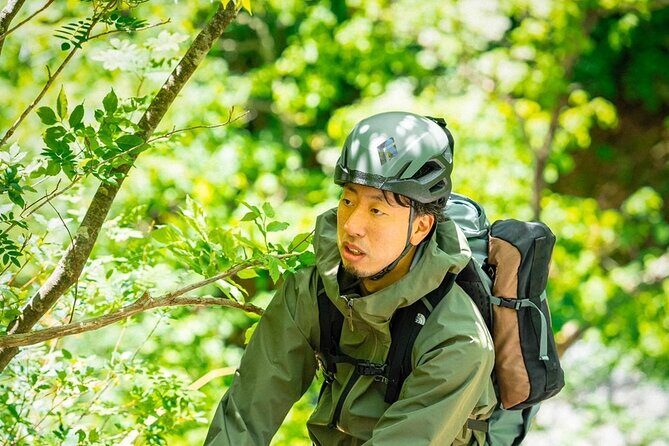
Kyoto before the crowds feels different. This 90-minute sunrise run is a practical way to see Kyoto’s quieter corners with an English-speaking guide (Itsuki is the name you’ll hear in the group). I like the small group size and the low-pressure pace, with short breaks for photos and quick looks inside the places you pass. One thing to consider: you are jogging, so it’s not the best fit if you want a slow sightseeing walk or you struggle with low fitness.
The route variety is the real selling point. You can choose between three different morning themes (Eastern Zen, Riverside Kyoto, or Imperial Legacy), and the tour changes course each day so you can repeat it without repeating yourself. The only catch: temple and shrine entrance fees are not included, so you’ll want a little cash just in case.
In This Review
- Key Points Worth Knowing
- Why a Kyoto Morning Run Beats Regular Sightseeing
- Meeting Point and What the Start Feels Like (Misayama Park)
- Price and Value for a 90-Minute Kyoto Experience
- The Three Sunrise Routes: Pick Your Kyoto Mood
- Eastern Zen Route: Ginkaku-ji and the Philosopher’s Path
- Riverside Kyoto Route: Kamo River and Shimogamo Shrine
- Imperial Legacy Route: Kyoto Gyoen and Shrine Highlights
- The Actual Itinerary Feel: Break, Photos, Visits, Then Back
- What You’ll See Up Close (Temples, Rivers, and Smaller Details)
- Comfort Tips That Make or Break a Sunrise Run
- Who This Tour Fits (and Who It Doesn’t)
- Weather and Rain: How to Think About It
- A Quick Note on Entrance Fees and Sightseeing Timing
- Should You Book the Kyoto Morning Run?
- FAQ
- Where is the meeting point?
- How long is the Kyoto Morning Run tour?
- How much does it cost?
- Is the tour guide English-speaking?
- How big is the group?
- Are there different routes or just one?
- What are the three route options?
- What’s included in the price?
- What’s not included?
- What should I bring?
- Is hotel pickup available?
- Can I cancel for a refund?
Key Points Worth Knowing
- Sunrise start for calmer streets so you spend more time moving and less time stuck in day-tripper lines
- Small group capped at 6 for a more personal pace and easier chatting
- Three rotating routes: Eastern Zen, Riverside Kyoto, and Imperial Legacy
- English live guide (English speaking) to help you understand what you’re seeing
- Short photo and break stops keep the run comfortable, not punishing
Why a Kyoto Morning Run Beats Regular Sightseeing
Kyoto is famous for temples and shrines, but most people see the same photo angles at the same time. A morning run flips that. You’re out early, the air is cooler, and the city feels like it’s waking up instead of performing for visitors.
What I like most is that the tour isn’t just a long loop of landmarks. It’s built around momentum: you jog past Kyoto’s standout scenery and you get just enough context from a guide to make the stops meaningful. It’s a great match for travelers who want movement, fresh air, and actual local rhythm rather than standing around waiting for a crowded bus.
The pacing also matters. The tour includes break time and photo stops, which means you can take in details without turning it into a sprint. You still get the feel of a run, but you’re not out there suffering for your Instagram feed.
You can also read our reviews of more guided tours in Kyoto
Meeting Point and What the Start Feels Like (Misayama Park)
Your morning begins at Misayama park, in front of a cake shop. You’ll also see the start listed as 御射山公園, which is the same place. This is one of those details that sounds minor until you’re searching for the wrong park while Kyoto is still quiet.
From the start, the structure is simple: guided run, with the group staying together and the guide keeping an eye on pace. Since there’s no hotel pickup or drop-off, plan to reach Misayama park on your own. Arrive a few minutes early so you’re not flustered before you start jogging.
Group size is limited to 6 participants, so you’ll quickly fall into an easy conversation mode. This kind of group isn’t about formality. It’s about moving together, sharing small tips, and swapping ideas for the rest of your day.
Price and Value for a 90-Minute Kyoto Experience
At $25 per person for 90 minutes, this is priced like a focused activity rather than a full-day private tour. That makes it a good value if you want a guided introduction to Kyoto’s early atmosphere without paying for transport or expensive add-ons.
Here’s the practical math: you’re paying for a live English guide, a structured morning route, and a small-group experience. What you’re not paying for are entrance fees to temples and shrines, plus meals and drinks. That means your total day cost will depend on what fees you run into and whether you decide to buy breakfast afterward.
If you’re already walking Kyoto on your own, the big advantage is time. The guide helps you move efficiently, so you spend less time figuring out where to go and more time seeing Kyoto while it’s still calm.
The Three Sunrise Routes: Pick Your Kyoto Mood
The tour runs different courses each day, so it’s not just one route you repeat. You get three themed options, each with its own feel.
You’ll want to check the route of the day when you contact the operator. That matters because the stops and scenery shift based on which morning theme you get.
Eastern Zen Route: Ginkaku-ji and the Philosopher’s Path
This route is for the calm Kyoto morning. It moves through the serene district tied to Zen aesthetics and walking traditions.
You’ll run past Heian Shrine and Nanzen-ji Temple, then continue along the Philosopher’s Path area to Ginkaku-ji (Silver Pavilion). The vibe here is slower and softer than the city streets. Even while jogging, you’ll feel surrounded by temple grounds and thoughtful, quiet pacing.
Practical note: places like Nanzen-ji can involve foot traffic zones and photo moments, so the route’s built-in breaks help. You’ll also want to budget for possible entrance fees at the sites you choose to go into.
A few more Kyoto tours and experiences worth a look

Riverside Kyoto Route: Kamo River and Shimogamo Shrine
If you want a Kyoto morning that feels lived-in, this one leans into the city’s daily beat. Running along the Kamo River gives you that steady linear rhythm, and you get to see locals who are already out early.
The route includes Shimogamo Shrine, described as an ancient UNESCO site set in a forest. That forest setting is a big part of the appeal: the air can feel cooler and the atmosphere shifts from urban edge to something more enclosed and quiet.
This is also the route I’d point to if you like casual interaction—seeing how people start their day. The tour is built around greeting early-rising locals, not just passing them.
Imperial Legacy Route: Kyoto Gyoen and Shrine Highlights
This route is for the “Kyoto has layers” feeling. You start with the spacious grounds connected to the Kyoto Imperial Palace and Kyoto Gyoen, then move toward historic shrines.
You’ll run toward Kitano Tenmangu and Seimei Shrine, and the tour ends with a view of Nijo Castle. The flow is classic Kyoto: open gardens, then spiritual sites, then an urban landmark sight at the finish.
This route works well if you want a stronger mix of garden space and shrine atmosphere in one morning, without committing to a long day plan.
The Actual Itinerary Feel: Break, Photos, Visits, Then Back
The day’s basic rhythm is consistent. You start at Misayama park, then you get a guided run with moments built in for break time, photo stops, and visits. It’s not just “run past everything.” The guide helps you pause long enough to make sense of what you’re seeing.
Even the itinerary format reflects that: start, run with guide, then return to the same meeting point at the end. That’s helpful because you don’t need to worry about navigating back to your base.
One more thing: the tour asks you to bring what you need for comfortable running—water, sunscreen, and a hat. This isn’t a casual stroll tour. Even if the pace is friendly, you’re outdoors, and Kyoto mornings can still surprise you depending on season and weather.
What You’ll See Up Close (Temples, Rivers, and Smaller Details)
The heart of this experience is simple: temples, rivers, and lesser-seen corners, explained as you go.
You’ll pass major Kyoto names on the routes—like Ginkaku-ji, Heian Shrine, Nanzen-ji, and Shimogamo Shrine—and you’ll also get guided attention to spots that many first-timers miss. That “you don’t have to hunt for this” feeling is why a local-run morning tour is worth it.
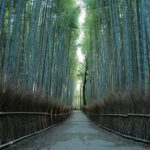
One detail that impressed me from how people describe the experience is the presence of small, unexpected stops along the way. For example, there’s mention of a bamboo forest-type stop that’s hard to stumble into on your own. Even if your specific day’s route differs, the overall approach is clearly about finding those calmer pockets that don’t scream tourist bus.
Comfort Tips That Make or Break a Sunrise Run
This is where you can make the tour feel great instead of stressful.
Bring:
- Comfortable running shoes (no boots)
- Hat
- Water bottle and drinks
- Sunscreen
Dress like it’s cool but not freezing. Bring layers if mornings are chilly, because you’ll warm up as you move.
Also, plan your day around the early energy. After 90 minutes, you’ll likely feel awake and ready to explore. That’s the point: you get Kyoto’s morning atmosphere before you burn your whole day in peak crowds.
Who This Tour Fits (and Who It Doesn’t)
This is best for people who:
- can jog comfortably for a short window
- want a guided route instead of planning every step
- enjoy early starts and outdoor mornings
- like small groups and conversation
It’s not suitable for children under 6, people with mobility impairments, wheelchair users, people with altitude sickness, and people with low level of fitness. Strollers are not allowed, and the tour also lists restrictions for babies (including babies under 1 year). Age is capped at 95+.
If you’re unsure, think of it this way: this is a running tour with sightseeing stops, not a flexible walking tour with frequent waiting.
Weather and Rain: How to Think About It
Kyoto weather can change quickly. The good news is that cooler air can make the run feel easier, especially if rain keeps the temperature down.
Still, don’t show up unprepared. Wear clothing you can run in, bring a water bottle, and check the forecast. If it’s wet, expect slick paths near rivers and temple grounds. That’s another reason comfortable shoes matter.
A Quick Note on Entrance Fees and Sightseeing Timing
Temple and shrine entrance fees are not included. That means you’ll see sights along the route, but whether you go inside depends on what fees apply that day and how your guide manages the time.
If you love going into places (rather than only taking photos outside), bring a bit of extra spending money so you’re not stuck deciding on the spot.
Should You Book the Kyoto Morning Run?
If you want Kyoto in a calmer, more local way, this is a smart booking. The price is reasonable for a guided morning activity, the group is small, and the rotating routes mean you can tailor your mornings around what you care about most—Zen gardens, riverside Kyoto, or imperial-era sites.
Book it if:
- you enjoy early starts
- you like running-friendly pacing with short stops
- you want an English guide to help you understand what you’re seeing
Skip it if:
- you want a relaxed walking tour with no jogging
- you need hotel pickup or step-free access
- you’re likely to skip entrance fees and don’t want to handle optional site costs
FAQ
Where is the meeting point?
The tour meets at Misayama park, in front of a cake shop. You may also see the starting point written as 御射山公園.
How long is the Kyoto Morning Run tour?
It lasts 90 minutes.
How much does it cost?
The price is $25 per person.
Is the tour guide English-speaking?
Yes. The live tour guide speaks English.
How big is the group?
The group is small, limited to 6 participants.
Are there different routes or just one?
Routes differ by day. There are 3 unique routes that you can experience on different mornings.
What are the three route options?
Eastern Zen Route (Ginkakuji & Philosopher’s Path), Riverside Kyoto Route (Kamo River & Shimogamo Shrine), and Imperial Legacy Route (Kyoto Gyoen & Shrines, finishing with a view of Nijo Castle).
What’s included in the price?
Included are the 90-minute guided morning run, different route each day, the opportunity to connect with fellow travelers, and views of temples, rivers, and lesser-known spots.
What’s not included?
Entrance fees to temples and shrines, meals and drinks, and hotel pickup and drop-off are not included.
What should I bring?
Bring comfortable running shoes, a hat, drinks, sunscreen, and water.
Is hotel pickup available?
No. Hotel pickup and drop-off are not included. You’ll meet at Misayama park instead.
Can I cancel for a refund?
Yes. Free cancellation is available up to 24 hours in advance for a full refund.