REVIEW · TOKYO
Mt. Fuji 5th Station Oshino Hakkai & Gotemba, Hot Spring Day Tour
Book on Viator →Operated by TrevoTour Travels · Bookable on Viator
Fuji weather decides everything. That’s why this day tour feels smart: it’s designed to help you see Mount Fuji from classic viewpoints without a strenuous climb. You get a guided plan, a driver for the return to Tokyo, and a good mix of culture, nature, and downtime.
I especially like the flexibility built into the itinerary. Depending on the season, you’ll either head to Mount Fuji’s 5th Station area for shrine-and-culture stops, or to Arakurayama Sengen Park when cherry blossoms are in play. Either way, the timing is set up around taking in wide volcano views.
One thing to keep in mind: visibility can change fast. The tour requires good weather, and the schedule can shift (or some stops may be skipped) because of traffic or conditions outside anyone’s control.
In This Review
- Key Things I Think Are Worth Your Time
- Why This Mt. Fuji Day Feels Easier Than Doing It Solo
- Fifth Station (Spring–Fall) vs Arakurayama Sengen Park (Winter–Early Spring)
- Stop 1: The One-Hour Fuji Viewing Block (And How to Use It Well)
- Stop 2: Oshino Hakkai’s Eight Ponds of Snowmelt
- Stop 3: Gotemba Premium Outlets for Shopping (Or a Break)
- The Hot Spring Finish: Why This Last Stop Changes the Whole Day
- Guides and Pace: What the Best-Day Experience Looks Like
- Price and Value: What You’re Actually Paying For
- Who This Tour Suits Best (And Who Might Want Another Option)
- Booking Checklist: What I’d Confirm Before You Go
- Should You Book This Mt. Fuji 5th Station Oshino Hakkai & Gotemba Hot Spring Day Tour?
- FAQ
- How long is the Mt. Fuji 5th Station Oshino Hakkai & Gotemba hot spring day tour?
- Which Mount Fuji area do I visit, Fifth Station or Arakurayama Sengen Park?
- What stops are included in the itinerary?
- Is admission included for the stops?
- Are meals included?
- Is the tour wheelchair and stroller accessible?
- Does the tour provide child seats?
Key Things I Think Are Worth Your Time
- A driver handles the Tokyo return so you can relax instead of white-knuckling the route home
- Seasonal swap for your #1 Fuji viewpoint: Fifth Station (Apr 26–Nov 30) or Arakurayama Sengen Park (Dec 1–Apr 25)
- Oshino Hakkai’s eight ponds are a calm, photogenic counterweight to the busier day
- Gotemba Premium Outlets as the easy in-between stop, with time for shopping or just taking a breather
- A multilingual guide (English/Chinese/Japanese/Korean) helps the day feel smoother, especially at the stops that require context
- Hot springs at the end of the day make this more than just sightseeing
Why This Mt. Fuji Day Feels Easier Than Doing It Solo
This isn’t a “try to do everything with transfers” kind of outing. The core value is that you’re not spending the day figuring out logistics. A local driver takes care of the drive back to Tokyo, which matters when you’re trying to keep the day fun instead of stressful.
The itinerary also keeps a steady pace. You’re not stuck on long stretches of only one thing. You do a strong Fuji viewing block first, then move to Oshino Hakkai for scenery and atmosphere, and finish with the outlet area and hot-spring time. If you like a plan that keeps momentum without feeling like a sprint, this fits.
There’s another quiet win: group size is capped at 48. That’s large enough for variety, but small enough that you’re not constantly searching for your people.
A few more Tokyo tours and experiences worth a look
Fifth Station (Spring–Fall) vs Arakurayama Sengen Park (Winter–Early Spring)
Your main Fuji stop depends on the calendar.
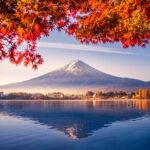
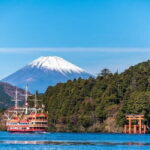
From April 26 to November 30, the tour goes to Mount Fuji’s 5th Station. You’re set up for a one-hour self-guided window that pairs observation with a culture angle, including nearby shrines. Even if you’re not hiking the mountain, this is a classic “Fuji presence” moment—big views, mountain symbolism, and a sense of place.
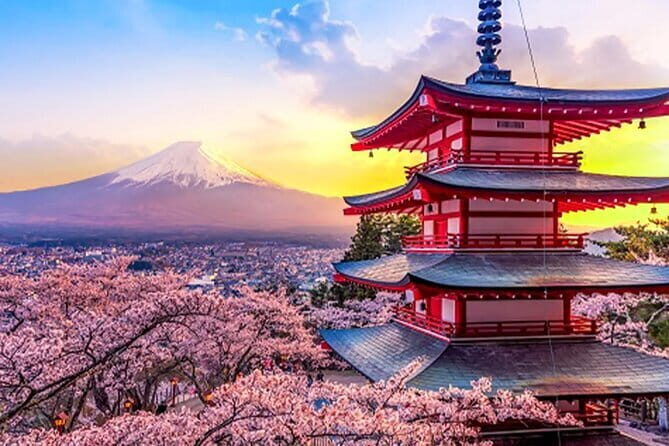
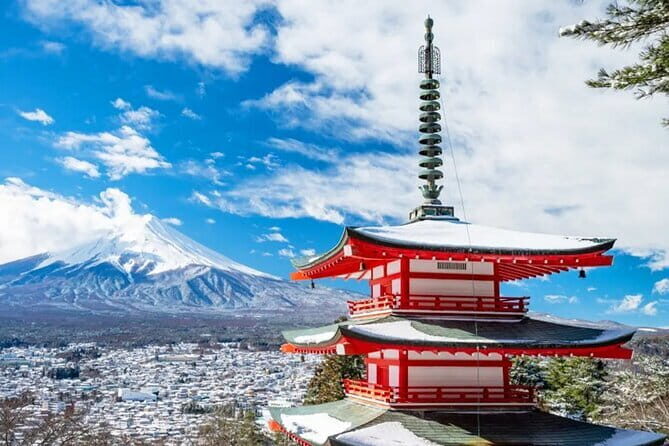
From December 1 to April 25, the tour switches to Arakurayama Sengen Park. During this season you’ll be in the right zone to enjoy the park’s cherry blossoms in springtime. The key idea stays the same: you get sweeping volcano views, but in a different visual setting.
Either way, Stop 1 is built for short attention spans. It’s one hour, and it’s structured as self-guided time. You’ll be able to move at your own pace, without feeling like you’re waiting for someone else’s pace to catch up.
Stop 1: The One-Hour Fuji Viewing Block (And How to Use It Well)
Stop 1 is where you set expectations. It’s one hour, and it’s free for admission, so you should treat it as a “take in what you can” slot rather than a checklist.
If you’re going to the 5th Station, focus on reading the surroundings. The shrines and nearby cultural details help explain why Fuji matters beyond being a scenic background. It’s a different experience from just looking out a window—there’s more meaning in what you’re seeing.
If you’re going to Arakurayama Sengen Park, treat it as an easy walking loop. This is the spot for the view plus seasonal vibe, including cherry blossoms in springtime. If the air is clear, it’s the kind of moment where you’ll feel the mountain’s scale without needing to climb.
Practical note: because the whole day depends on weather and visibility, this first block is your best chance to catch Mount Fuji at its most dramatic.
Stop 2: Oshino Hakkai’s Eight Ponds of Snowmelt
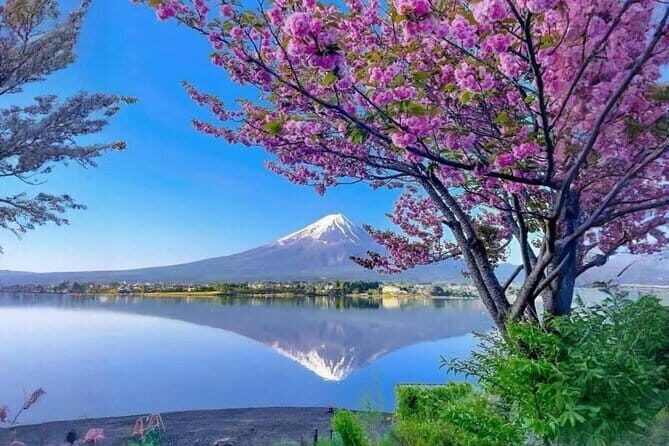
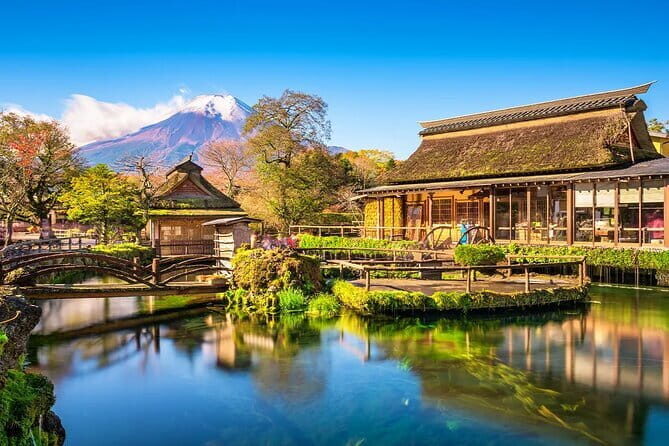
Then comes the calm part: Oshino Hakkai. This is a serene village built around eight crystal-clear spring water ponds fed by Mount Fuji’s snowmelt. That’s the appeal—water quality and stillness—so it feels like a reset after the busier travel rhythm.
You’ll have about one hour here, and admission is free. That timing is useful. Long enough to stroll, short enough that you don’t lose half your day waiting around. I’d use the hour to wander at an unhurried pace along the pond area, then return to your starting point before the group regroups.
One reason I like Oshino Hakkai in a tour like this: it gives you “Fuji that you can touch.” You’re not just looking at the mountain. You’re seeing the effects of snowmelt turning into water you can watch up close.
Stop 3: Gotemba Premium Outlets for Shopping (Or a Break)

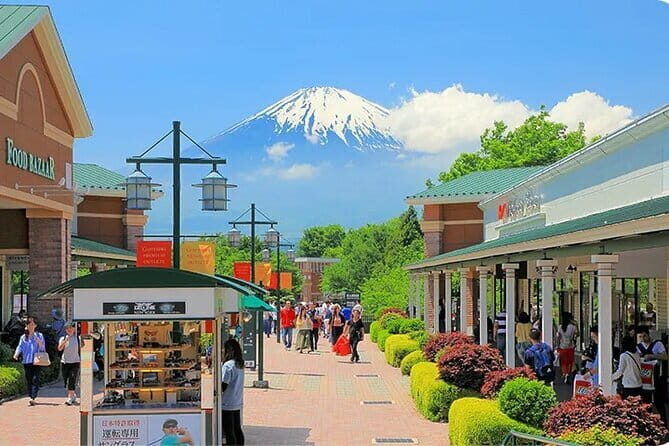
After Oshino Hakkai, the tour shifts into a totally different mode: Gotemba Premium Outlets. You get two hours, and admission is listed as free.
The outlets stop isn’t just about shopping. In practice, it’s also a comfortable, low-pressure reset where you can:
- grab a snack or drink if you need one
- browse at a relaxed pace if shopping is your thing
- take a breather from standing and walking
You’ll appreciate the flexibility here because meals and beverages are not included. If you want control over your food budget and choices, this is one of your realistic windows to handle it.
A useful special case: there’s an annual closure day. The third Thursday of February is the regular holiday closure for the outlets. On that day, you can choose between sightseeing at Lake Yamanaka or Lake Yamanaka Onsen.
So if you’re traveling in February, it’s worth knowing you may get a different kind of finish than the standard outlets plan.






The Hot Spring Finish: Why This Last Stop Changes the Whole Day
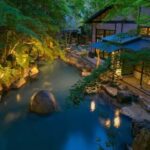
The tour description calls for a soothing hot-spring dip at a nearby onsen to end the day. Even without a lot of extra detail listed, the logic is solid: the day involves travel plus walking time at viewpoints and ponds. A soak gives you that “we actually did something today” feeling, but with recovery built in.
This is also where the day tour format shines. You’re not just transporting yourself between places. You’re also ending in a way that feels like part of the experience, not an afterthought.
If you’ve had a travel day that’s turned into pure commuting, this ending can be the difference between feeling rushed and feeling satisfied.
Guides and Pace: What the Best-Day Experience Looks Like
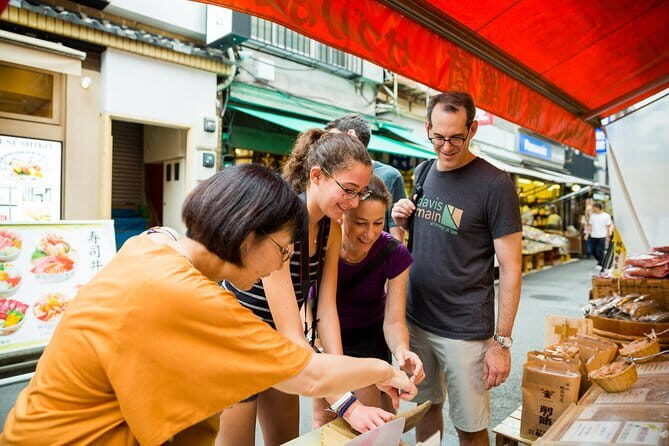
A tour is only as good as the humans running it, and the guide quality really shows here. The tour includes an English/Chinese/Japanese/Korean-speaking guide, and the names you may see mentioned include Anna Lau and Leo.
Anna Lau in particular comes up with a strong theme: she was funny, accommodating, and able to switch languages smoothly—including English and Mandarin, and even Cantonese. That kind of flexibility matters on group days. It keeps instructions clear and reduces the awkward “wait, what did they say?” moments.
Leo is also mentioned as part of the experience—guiding and helping the day run well alongside the driver. In practical terms, that means you’re more likely to keep moving at the right times instead of losing progress to confusion.
The best effect of a good guide in this kind of itinerary: you stop feeling like you’re just tagging along. You start understanding what you’re seeing, even with a self-guided block in the middle.
Price and Value: What You’re Actually Paying For
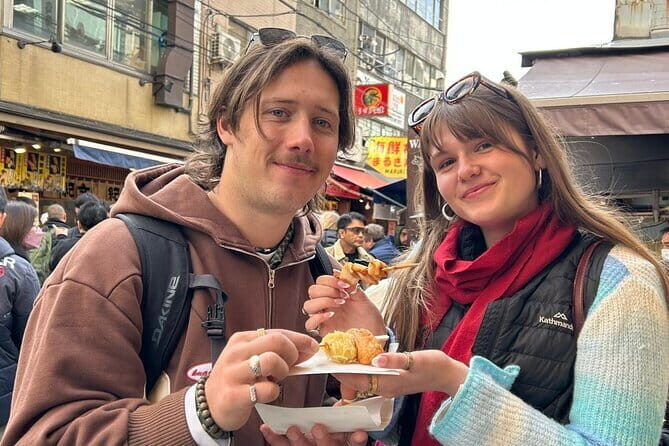
At $79.50 per person, this is positioned as a budget-friendly way to get a full Fuji-focused day without doing the heavy lifting yourself.
Here’s where the value comes from:
- Transportation help: you’re paying for a driver to handle the return to Tokyo
- Guided context: a multilingual guide is included
- Admission-listed stops: Stop 1, Stop 2, and Stop 3 list admission tickets as free
- Time efficiency: the whole outing runs about 8 to 9 hours, with travel time counted
What’s not included is just as important:
- Meals and beverages are not provided
So if you expect lunch to be covered, you’ll be disappointed. If you’re okay handling your own food choices, this price can feel very fair for the day you get.
Also notice what you’re not paying extra for: this is not a high-ticket private charter. It’s a group format, but designed to keep the day organized and keep your Fuji experience front and center.
Who This Tour Suits Best (And Who Might Want Another Option)
This is a strong match if you:
- want to see Mount Fuji without climbing it
- prefer a guided structure with self-guided breathing space
- like the mix of viewpoint + cultural stop + scenic ponds + a relaxed shopping option
- want a hot-spring finish rather than just heading back to the city
It might feel less ideal if you:
- hate shopping areas and outlets
- want a long, slow nature experience instead of shorter timed stops
- are traveling with kids who need child seats (none are available, based on the tour info)
One more factor: because it’s weather-dependent, you should treat this like a “do your best with the day you get” plan. If you’re coming for a single Fuji day, I’d keep your expectations flexible—because clouds happen.
Booking Checklist: What I’d Confirm Before You Go
Before you lock it in, I’d do three quick checks:
- Season timing: confirm whether your dates fall under the Fifth Station schedule or the Arakurayama Sengen Park schedule
- Food plan: remember meals and beverages aren’t included
- Accessibility needs: the tour is listed as wheelchair and stroller accessible, and it’s near public transportation
The tour is also said to require good weather. If poor conditions cancel the outing, you’ll be offered a different date or a full refund, so you’re not left guessing forever.
Should You Book This Mt. Fuji 5th Station Oshino Hakkai & Gotemba Hot Spring Day Tour?
I’d book it if you want a low-stress Fuji day with real variety and a guided framework. The best part is how the day balances a classic Fuji viewing stop with Oshino Hakkai’s calm ponds, then keeps the energy steady with Gotemba outlets and an onsen finish. And when the skies cooperate, the views can be the kind of moment you remember long after the receipts are gone.
I’d hesitate only if you’re coming for one of two reasons: you’re chasing a guaranteed perfect Fuji photo no matter the weather, or you dislike outlet-style shopping stops. This tour is practical, not magical on demand.
If your goal is to see Mount Fuji’s presence and then enjoy a full day that ends with a soak, this is a solid choice.
FAQ
How long is the Mt. Fuji 5th Station Oshino Hakkai & Gotemba hot spring day tour?
The tour runs about 8 to 9 hours, and that total time includes travel.
Which Mount Fuji area do I visit, Fifth Station or Arakurayama Sengen Park?
It depends on the season. From April 26 to November 30, the itinerary goes to Mt. Fuji’s 5th Station. From December 1 to April 25, it goes to Arakurayama Sengen Park.
What stops are included in the itinerary?
The tour includes: Arakurayama Sengen Park Observatory or Mt. Fuji’s 5th Station area (depending on season), Oshino Hakkai, and Gotemba Premium Outlets. It also includes time for a nearby hot spring soak at the end of the tour.
Is admission included for the stops?
Admission tickets are listed as free for the itinerary stops shown: the Stop 1 viewpoint area, Oshino Hakkai, and Gotemba Premium Outlets.
Are meals included?
No. Meals and beverages are not included.
Is the tour wheelchair and stroller accessible?
Yes. The tour is listed as wheelchair and stroller accessible.
Does the tour provide child seats?
No. Child seats are not available.