REVIEW · NARA
Nara: Full-Day Private Guided Tour
Book on GetYourGuide →Operated by Nara Guide · Bookable on GetYourGuide
Nara has a way of slowing you down. On this full-day private tour, you get the big-ticket sights and the quieter streets in one smooth rhythm, starting with a city view and ending in old merchant lanes. Nara and private guided pacing are the real wins here.
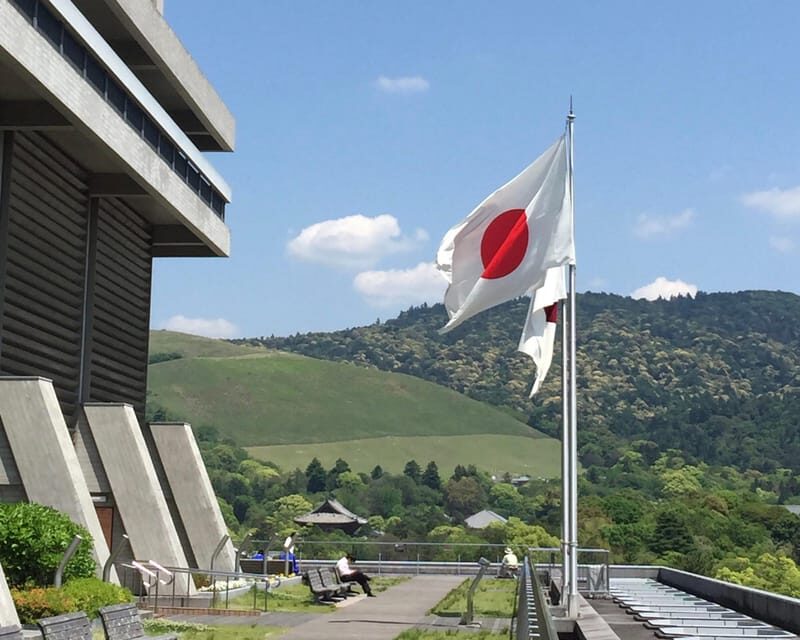
I especially love the rooftop photo stop at the Nara Prefectural Government Office, which gives you an instant sense of where everything sits before you walk. I also love how the day is structured around major landmarks like Todaiji, so you can connect the meaning of the buildings to the lived experience of moving through town.
The main drawback to plan for is cost creep: the tour price covers your guide, but you’ll still pay extra for entrance fees, lunch, and likely transport depending on where you start.
In This Review
- Key things that make this Nara tour worth your time
- Why a private 8-hour Nara day works so well
- Starting above the city: Nara Prefectural Government Office rooftop orientation
- Todaiji: how to appreciate the Great Buddha hall without getting lost
- Lunch time in the flow: keeping your energy for the deer and streets
- Kasuga-taisha and Nara Park: sacred deer, big atmosphere, and smart guidance
- Naramachi old town: Edo-period architecture on foot
- Kōfuku-ji: rounding out the day with another temple chapter
- Price and logistics: what you’re actually paying for
- What to expect from the guide (and why the language options matter)
- Who should book this Nara private guided tour
- Should you book it?
- FAQ
- How long is the Nara private guided tour?
- Is this tour private?
- Where can the tour pick you up?
- Where can you be dropped off at the end?
- Which languages are available for the guide?
- Is lunch included in the price?
- Are temple and shrine entrance fees included?
- How much is transport expected to cost?
- How long do you spend at Tōdai-ji?
- Is the tour wheelchair accessible?
Key things that make this Nara tour worth your time
- Rooftop orientation first, so the rest of the day feels easier to follow
- Todaiji’s colossal Great Buddha with guided context that helps it land
- Kasuga-taisha plus deer time with sacred deer allowed to come and go in the park area
- Naramachi merchant old town and old-house visits that show Edo-period architecture beyond the main drag
- Real off-beat streets—your guide can steer you toward older areas and away from the worst crowd crush
- Private group flexibility with pickup and drop-off options in Osaka, Nara, or Kyoto
Why a private 8-hour Nara day works so well
Nara is one of those places where the sightseeing list can feel simple, but the experience isn’t. You’re mixing giant temple scale, calm park wandering, and older town streets that change the mood fast. A private format matters because it keeps the day from feeling like a sprint or a shopping list.
With a local guide, you also get the useful glue: how each site connects to the Nara period and later Edo-period life. That connection is what turns a set of stops into a story you’ll actually remember when you look back.
The tour runs about 8 hours, with a mix of walking and public transport. That’s a good length for a first real look at Nara, especially if you want both temples and streets without having to plan every turn yourself.
You can also read our reviews of more guided tours in Nara
Starting above the city: Nara Prefectural Government Office rooftop orientation
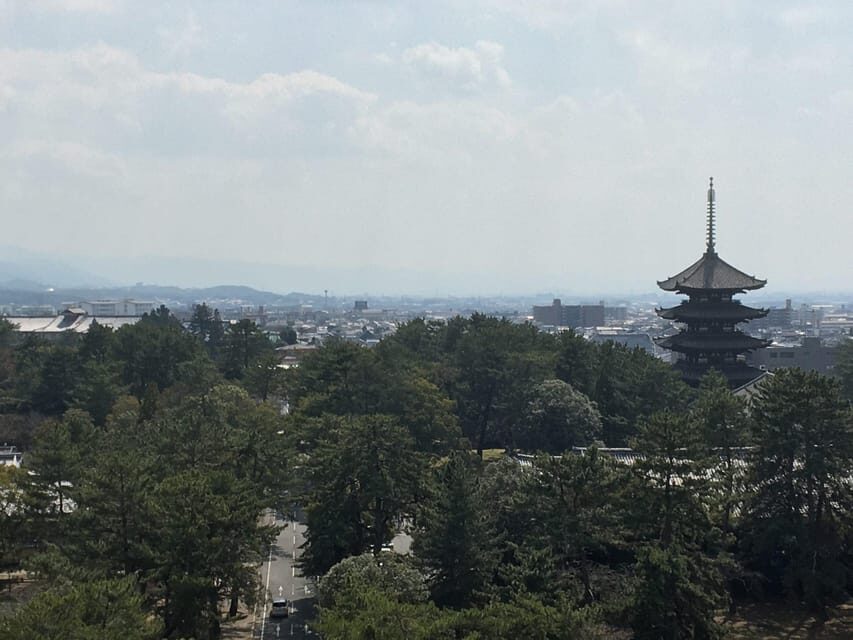
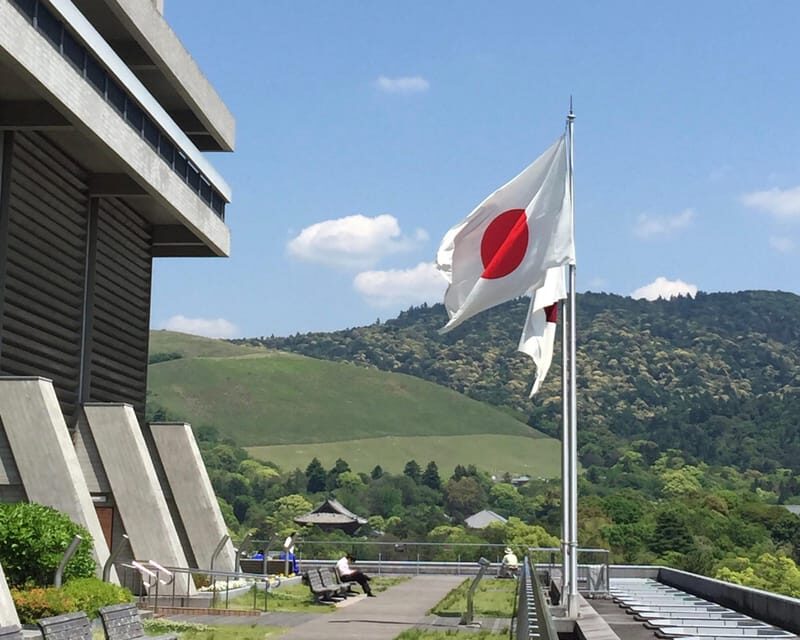
The day begins at the Nara Prefectural Government Office, where you start with a rooftop photo stop and a guided introduction. This is a smart move because it helps you get bearings fast—before you go inside the temples and before the deer and park paths start to blur together.
I like that the schedule gives you about 1 hour here, not just a quick look and go. Your guide uses this moment to set up what you’ll see next, including Todaiji, Kasuga-taisha, and Nara Park. When the rest of the day follows, it doesn’t feel random.
Also, a rooftop stop is one of those small “budget for time” choices that make the walking day easier on your head. You’re not just collecting photos. You’re learning the shape of the place.
Todaiji: how to appreciate the Great Buddha hall without getting lost
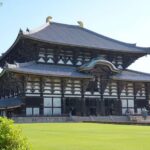
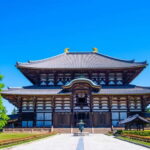
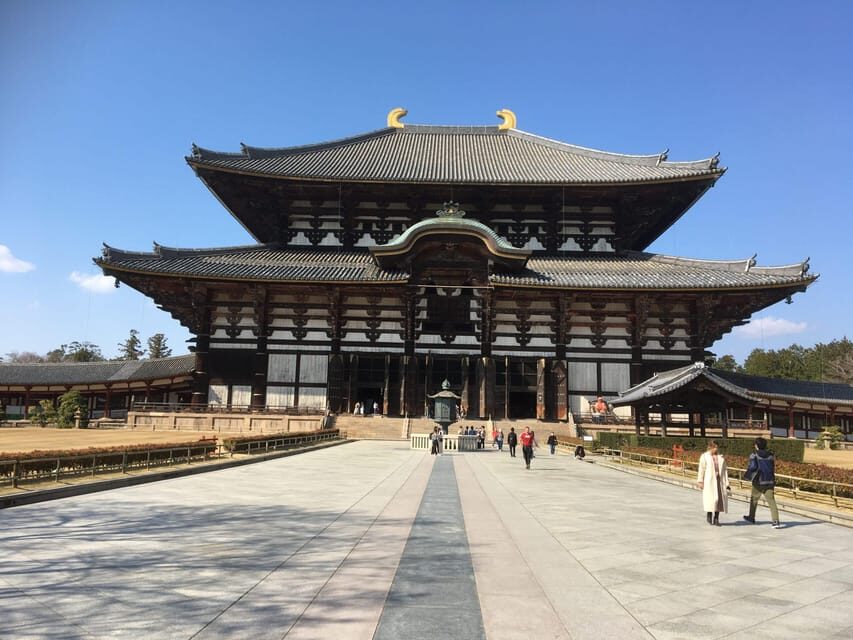
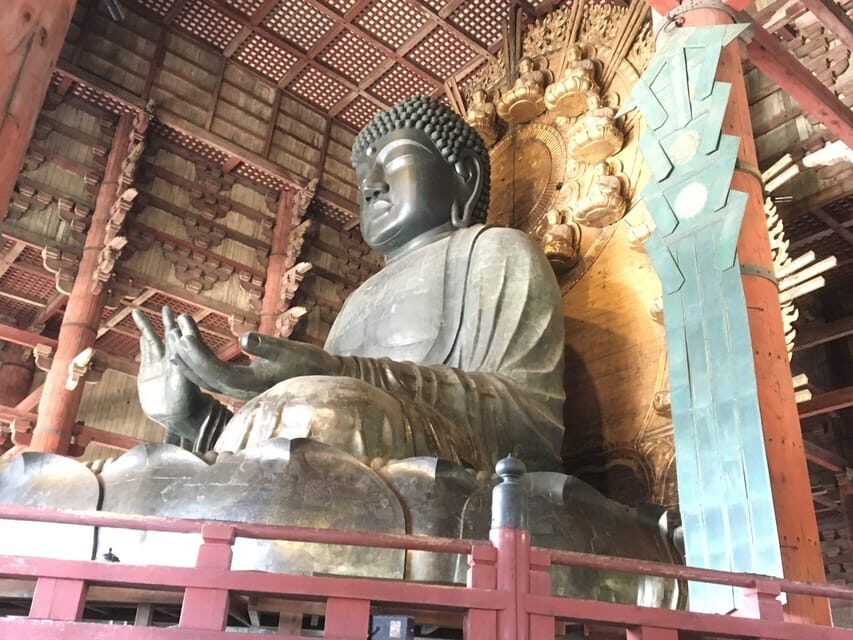
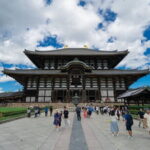
Todaiji is the anchor stop, and the tour gives it the time it deserves. You’ll spend about 2 hours at the temple area with guided visit and walking.
The headline is clear: Todaiji is an 8th-century temple and home to Japan’s largest seated Buddha. Seeing something on that scale is impressive on its own, but the real value of a guided visit is understanding what you’re looking at and why it matters. Even if you’ve read bits before, having it explained in plain terms helps you notice details you’d otherwise miss.
From a practical standpoint, this stop also shapes your whole day. Todaiji sets the tone for what comes next—Kasuga-taisha and the park feel less like separate attractions when you’ve started with a place of such monumental importance.
One more detail that matters: entrance fees are extra here (listed as 800 JPY per person). If you budget for that up front, you won’t hit surprise totals later.
Lunch time in the flow: keeping your energy for the deer and streets
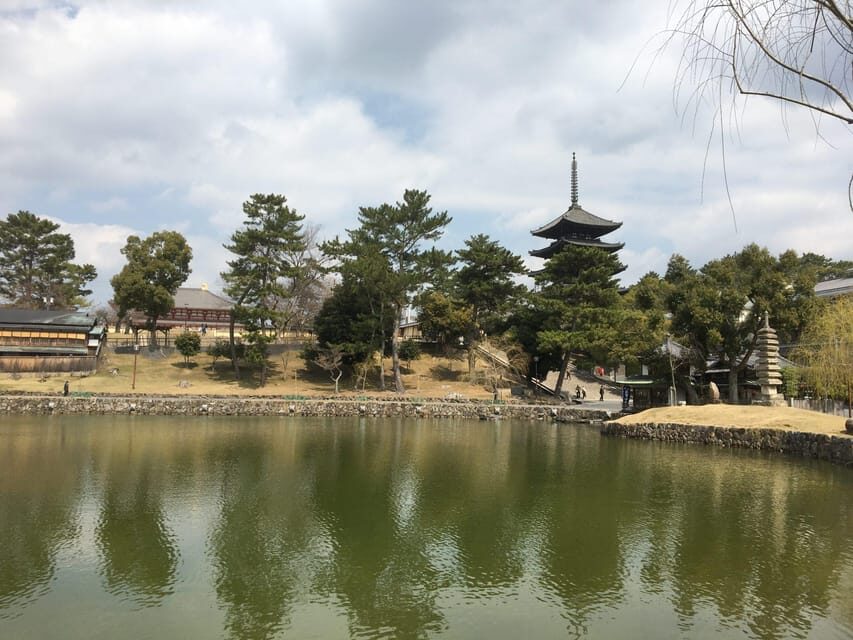
Lunch is scheduled for about 1 hour at a local restaurant. Because the tour is a private group and the pacing is managed, you’re not stuck searching for food while the rest of your day changes around you.
This is also where I think the private format helps most. When you’re coordinating multiple sites around a busy park area, timing matters. A solid lunch break keeps you ready for the afternoon walking and the final older-town streets.
Lunch is not included, with an approximate cost of about 2,000 JPY per person. I’d treat that as part of your realistic “day total,” not an extra you forgot to plan for.
Kasuga-taisha and Nara Park: sacred deer, big atmosphere, and smart guidance
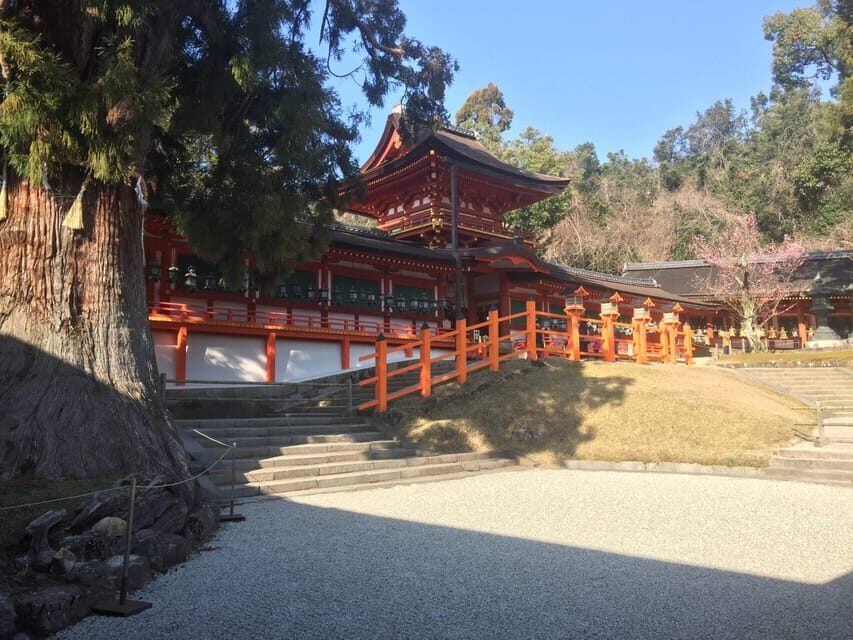
After Todaiji, you head to Kasuga-taisha, with a photo stop and guided visit around 1 hour. Kasuga-taisha is where the day shifts from temple grandeur into a very human scale of interaction with the environment.
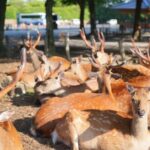
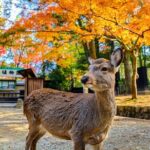
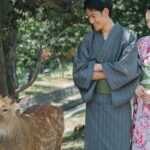
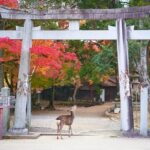
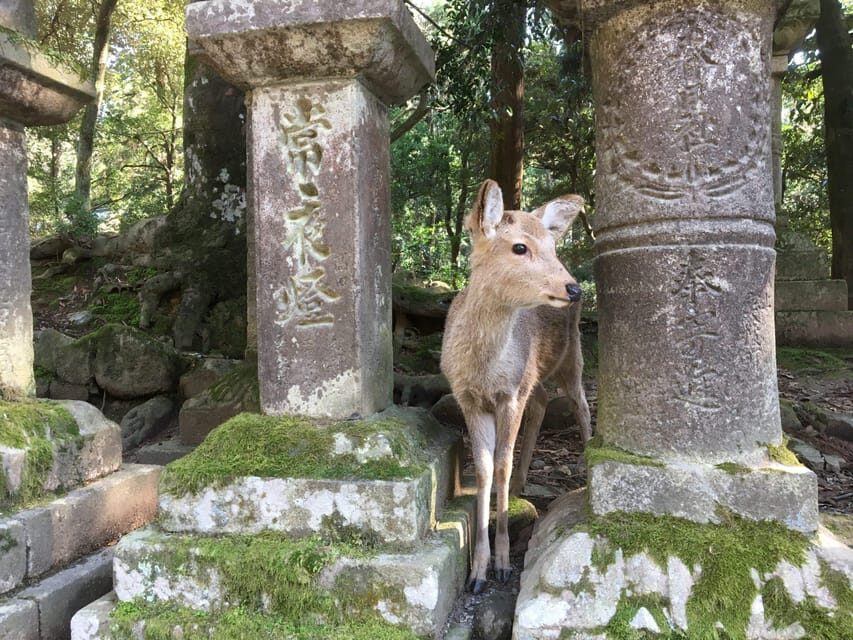
Here’s the key experience detail: sacred deer can come and go freely. That changes how you move. You’re walking through a park setting where the animals are part of the place, not a separate side attraction.
Then you’ll spend about 1 hour in Nara Park itself, walking with the guided group. The tour is built around meeting over 1,200 deer along the way. That’s not a small “hello deer” moment. It’s an experience with atmosphere, and it can be chaotic if you’re unprepared.
This is where a guide earns their fee in a very real way. In particular, the best versions of this tour (the kind your guide can deliver) help you avoid getting tangled in the busiest parts of the deer area and instead focus on the flow of walking and viewing.
One small anecdote from past guests captures the spirit: the guide even has a humorous, practical note about cookies, which is a light reminder to think ahead when deer are around. You don’t need to panic about it—you just need to be aware that this park has its own rules.
Kasuga-taisha also has an entrance fee that’s extra, listed as 700 JPY per person. If you’re budgeting, add it early and you’ll feel better later.
You can also read our reviews of more private tours in Nara
Naramachi old town: Edo-period architecture on foot
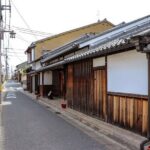
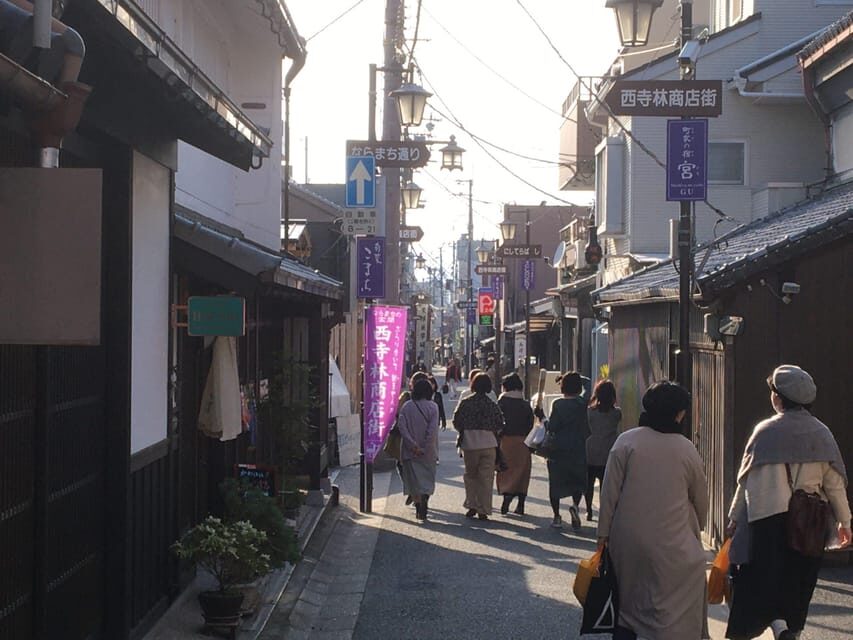
The afternoon includes Naramachi, the merchant old town, with guided visit and about 1 hour of walking. This is the portion that I think many people underestimate when they plan Nara as only temples and deer.
Naramachi is described as rich in traditional Edo-period architecture, and the tour also allows time to visit old houses. That means you’re not just passing storefronts; you’re getting a glimpse at how merchant life and street-level architecture shaped the area.
Why this matters: Nara can otherwise turn into a “monuments parade.” Naramachi shifts you into a slower mode—wood, lanes, and building styles that feel like daily life rather than ceremonial grandeur.
This is also where guides who know the area can make a noticeable difference. One of the strongest pieces of feedback was that the guide took people toward older parts of Nara and off-the-path areas around the deer park, including places with traditional old houses. If you’re the kind of traveler who likes walking streets that feel lived in, this segment is where you’ll feel the value most.
Kōfuku-ji: rounding out the day with another temple chapter
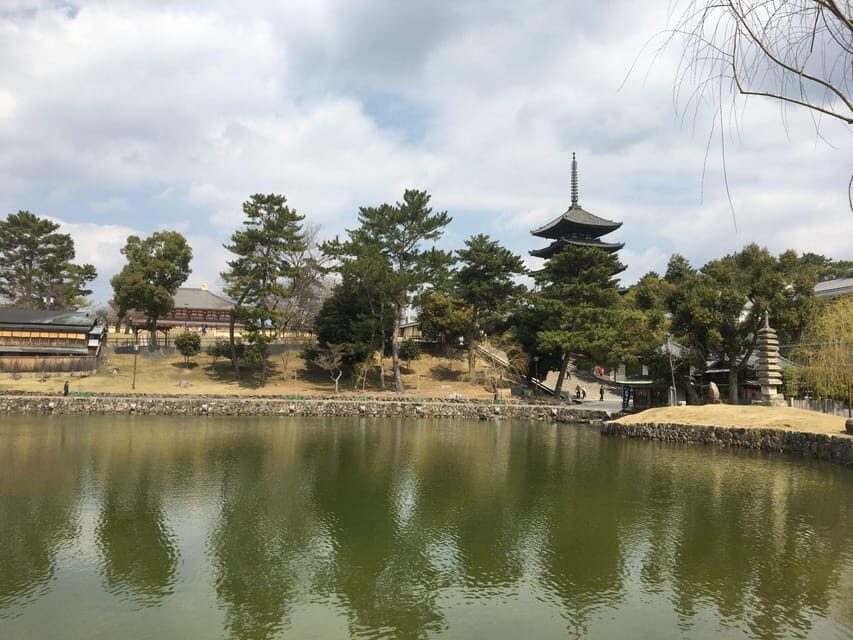
The tour includes a final temple stop at Kōfuku-ji, with guided visit and about 1 hour. Even though the core details provided focus more on Todaiji and Kasuga-taisha, this last stop matters because it closes the day with another piece of the larger Nara story.
You’ll leave the day with more than just photographs of famous buildings. You’ll have a sequence of major religious sites plus park wandering plus a merchant street area, all threaded through the ideas of Japan’s Nara period and later Edo period.
In a well-paced day like this, the last stop shouldn’t feel rushed. The schedule’s structure gives Kōfuku-ji its own moment rather than treating it like a stop-and-snap add-on.
Price and logistics: what you’re actually paying for
At $225 per person for an 8-hour private guided tour, you’re paying primarily for the guide and guide fees. That’s the piece that changes your day from generic sightseeing into a guided flow.
But you should also plan for the add-ons that are not included:
- Transport fee: about 3,000 JPY per person/day if you’re starting from Osaka or Kyoto
- Lunch: about 2,000 JPY per person
- Kasuga-taisha entrance: 700 JPY per person
- Todaiji entrance: 800 JPY per person
So what’s the value? In my view, the value comes from three practical things:
1) You’re not coordinating multiple sites yourself.
2) You get a local pacing that helps you handle the deer park situation without feeling out of control.
3) You get time for the older-town walking segment, including old-house visits, which is often where independent plans feel flimsy.
Pickup and drop-off are flexible with options in Osaka, Nara, and Kyoto. That’s convenient because it reduces the “first and last mile” stress that can otherwise eat up a full day.
The tour is wheelchair accessible, and it’s a private group, which usually means you can move at a comfortable speed and keep the day feeling human.
What to expect from the guide (and why the language options matter)
The tour includes a live guide with language options in French, English, and Japanese. That’s not just about comfort. In a day like Nara, where you’re juggling major historical sites and a park full of deer, you want clear explanations and good communication when timing or movement gets tricky.
One past guest specifically highlighted a guide named Mouloud Hammaduo for taking them to older, less-touristy parts of Nara, including traditional old houses and off-beat paths around the deer area. Another note praised the guide’s English and the way they helped steer around crowded spots.
That kind of guiding is exactly what you should look for in this specific tour. You’re paying for navigation plus interpretation plus pacing.
Who should book this Nara private guided tour
This tour is a great fit if you:
- Want a first-time, high-quality Nara day without having to plan every step
- Like a mix of temples, park life, and older-town streets
- Prefer the comfort of a private group, with pickup and drop-off options in Osaka, Nara, or Kyoto
- Appreciate guidance that can reduce crowd stress while still hitting the essentials
- Want time to see Edo-period street life, not only monumental temples
If you’re the kind of traveler who loves wandering completely on your own with no structure at all, you might find this more planned than you want. But if you’re aiming for a satisfying, connected day, the built-in order works.
Should you book it?
Yes, if you want an organized Nara day with a guide who can connect the dots between major temples and everyday old-town streets. The rooftop orientation at the start, the long Todaiji stop, the deer-and-park experience, and the time in Naramachi are exactly the ingredients that make this feel worth the cost.
I’d book especially if you care about the “how” as much as the “where”: getting around smoothly, avoiding the worst congestion, and spending real time in the older areas rather than staying only in the obvious photo loops.
FAQ
How long is the Nara private guided tour?
It lasts about 8 hours.
Is this tour private?
Yes, it’s a private group.
Where can the tour pick you up?
Pickup options include Osaka, Nara, and Kyoto.
Where can you be dropped off at the end?
Drop-off options include Osaka, Nara, and Kyoto.
Which languages are available for the guide?
The guide is available in French, English, and Japanese.
Is lunch included in the price?
No. Lunch is listed as not included, with an approximate cost of 2,000 JPY per person.
Are temple and shrine entrance fees included?
No. Todaiji and Kasuga-taisha entrance fees are not included (800 JPY and 700 JPY per person, respectively).
How much is transport expected to cost?
Transport is not included. It’s listed as around 3,000 JPY per person/day if you’re starting from Osaka or Kyoto.
How long do you spend at Tōdai-ji?
You spend about 2 hours at Tōdai-ji, including guided touring and walking.
Is the tour wheelchair accessible?
Yes, the tour is wheelchair accessible.