REVIEW · KYOTO
Nara Todaiji Kasuga Taisha Private Full Day Tour From Kyoto
Book on Viator →Operated by TripGuru · Bookable on Viator
Deer, lanterns, and a giant Buddha in one day. This private Kyoto-to-Nara tour puts Nara Park deer and the Todaiji Great Buddha into one smooth day, with an English-speaking guide who makes the sights click fast, often mentioning details like what makes places special. I also like that the day feels flexible inside a set route, so you can actually look instead of rushing from sign to sign.
One thing to plan for: the schedule is tight enough that you’ll do some walking, and hotel pickup isn’t included, so you’ll want to start the day at the meeting point in Kyoto and handle your train ride costs on your own.
In This Review
- Key things to know before you go
- A fast, famous day that still feels personal
- Kyoto to Nara: simple start, no hotel pickup
- Gyoki Statue stop: a quick orientation moment
- Nara Park deer time: charm, photos, and rules of the moment
- Todaiji and the Great Buddha Hall: UNESCO scale with a guide’s help
- Kotoya lunch: good to plan, but not included
- Kasuga Taisha shrine lanterns: a photo stop that feels different
- Naramachi streets and retro museums: the right amount of slow walking
- Kōfuku-ji temple grounds: a quieter closer to the day
- Price and value: when $195 feels fair
- The logistics that matter most for a smooth day
- Who this private Nara day trip suits best
- Should you book this tour?
- FAQ
- How long is the Nara Todaiji Kasuga Taisha private tour?
- Is this tour private?
- What’s included in the tour price?
- Is lunch included?
- What about transportation from Kyoto to Nara?
- Where do we meet, and where do we end?
- Do I need tickets for Nara Park?
- Can I cancel for a full refund?
Key things to know before you go
- English guide included: You’re not stuck guessing what you’re seeing, and guides like Katsuhiko Ishida, Yochee, Gustavo, Richard, and Yossi are specifically praised for clear English.
- Todaiji + Kasuga Taisha entrances are covered: You pay for convenience, not just tickets.
- Deer time is a highlight: You’ll spend real time at Nara Park with the sacred sika deer and photo moments.
- Naramachi is built in: You get a short walk through traditional merchant-house streets plus specialty shops and retro museums.
- Snacks are included: Helpful on a day that runs around 8 hours.
- You return to the meeting point: The tour starts and ends where you meet in Kyoto.
A fast, famous day that still feels personal
Nara is one of those places that’s always on the list. The trick is doing it in a way that doesn’t turn into a stamp-collecting exercise. This tour uses a private format, so your group sets the pace while the guide keeps the route sensible and the language clear.
What makes this day work is the balance: you get the big-ticket spiritual sites in Todaiji and Kasuga Taisha, then you get the lighter, more playful Nara Park deer time. That mix is why people leave with photos that make sense, plus memories that go beyond the obvious.
The guides mentioned in feedback often get credit for their English level and local fluency. Names that came up include Katsuhiko Ishida, Yochee, Gustavo, Richard, and Yossi. When you have a guide who can explain what matters, you spend less time staring at signs and more time noticing details.
You can also read our reviews of more private tours in Kyoto


Kyoto to Nara: simple start, no hotel pickup
You meet at the 7-Eleven Heart-In at JR Kyoto Station Central Entrance Store, 烏丸通塩小路下ル Higashishiokojicho, Shimogyo Ward, Kyoto, 600-8216, Japan. That’s a practical pick because it ties you to one of Kyoto’s easiest transport hubs.
The tour includes an express-train segment to Nara, but transportation isn’t included. The note also says you can use a JR Pass, and it estimates JPY 1280 one way. If you’re traveling without a pass, budget for the train ride and any station-to-station transfers that day requires.
Also notice the tour length: it runs about 8 hours. That’s long enough that you’ll want comfortable shoes and a snack plan, even though snacks are included.
Gyoki Statue stop: a quick orientation moment
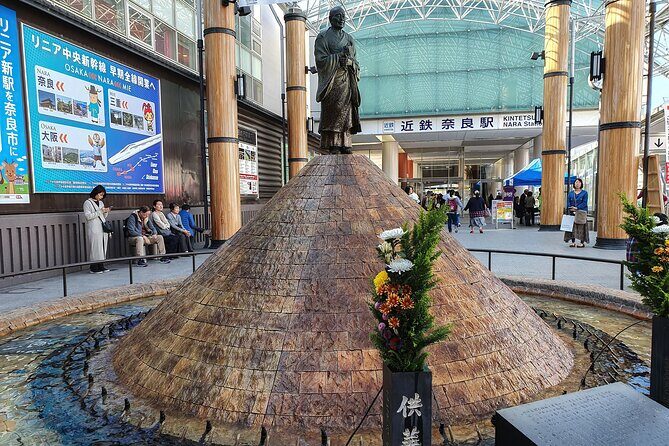
Early in the day, you’ll pass the Gyoki Statue with a fountain. There’s no extra ticket cost for it, and it’s mainly there to help you get oriented as the day transitions out of Kyoto and into Nara.
Since this part is brief, it’s best treated as a warm-up rather than a main attraction. The bigger payoffs come once you reach Nara Park and the main temple and shrine sites.
Nara Park deer time: charm, photos, and rules of the moment
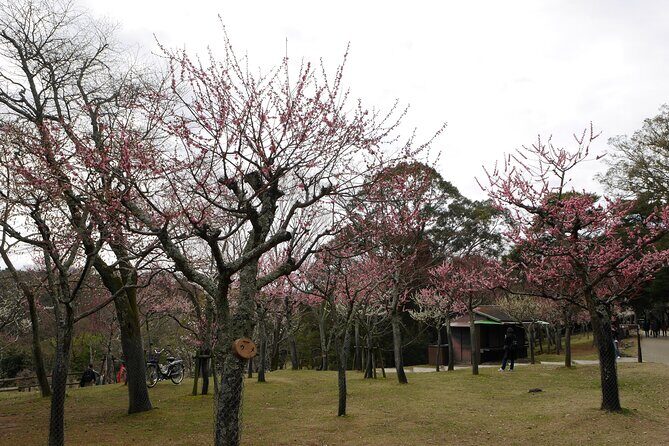
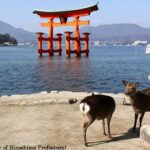
Nara Park is famous for one reason: the sika deer. This tour builds in time there, letting you see the deer in the open spaces and snap photos. In Shinto belief, the deer are considered sacred messengers of the gods, so the mood in the park is respectful even when it’s playful.
What I like about doing Nara Park as part of a guided day is that you get context quickly. The deer are friendly, but you still want to watch your footing and keep your distance when a deer is clearly moving through. Your guide can also help you time your walk so you’re not trapped in the busiest pockets.
This stop is also a great place to slow down. Even if you’re excited for Todaiji and Kasuga Taisha, Nara Park is where the day turns from cultural landmarks into something more human: you’re sharing space with animals that look like they own the park.
A tip from the overall vibe of the day: make time for little food moments too. One guide style described locally also mentioned enjoying mochi while you’re out in Nara.
Todaiji and the Great Buddha Hall: UNESCO scale with a guide’s help
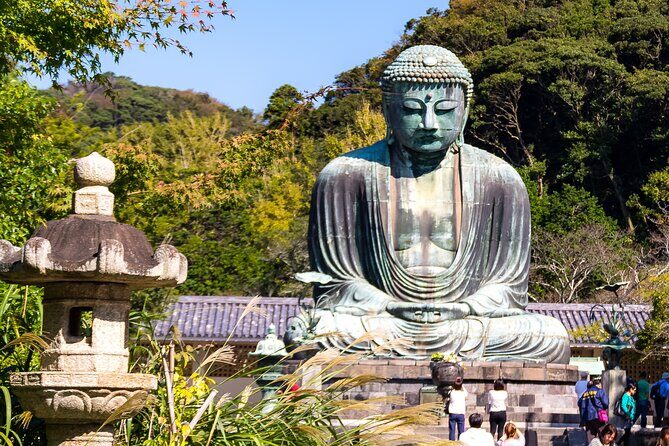
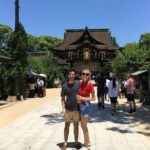
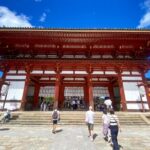
Todaiji (Todai-ji Daibutsuden, Great Buddha Hall) is the heart of the visit. This is a UNESCO World Heritage Site, and it houses the Great Buddha (Daibutsu), described as one of the largest bronze Buddha statues in Japan. Seeing it for the first time is the kind of moment that makes you stop walking and just look up.
This tour includes the entrance fee for Todaiji, so you don’t waste time figuring out tickets while everyone’s energy spikes. You also get a lunch break afterward at Kotoya Restaurant, and it’s listed as a traditional lunch you’d pay for separately (about JPY 2500).
If you care about getting more out of the sight, this is where a strong guide makes the most difference. When the guide has excellent English and can explain what you’re looking at, the hall becomes less about scale alone and more about meaning, setting, and why this spot matters.
A few more Kyoto tours and experiences worth a look


Kotoya lunch: good to plan, but not included
Lunch at Kotoya is part of the day flow, but it’s not included in the tour price. Plan for around JPY 2500. If you want to save money, you might choose a different lunch option near the sites, but the tour’s schedule can make the included route easiest.
Because the tour is about 8 hours total, lunch timing matters. You don’t want to skip it and then burn energy at the shrine and old-street area. Even if you’re not hungry, eat something small so you can enjoy the rest without rushing.
Kasuga Taisha shrine lanterns: a photo stop that feels different
After Todaiji, you head to Kasuga Taisha. This shrine is described as picturesque with thousands of hanging lanterns. That detail matters because it changes the look and feel of the shrine space. You’re not just walking through a historic building area; you’re surrounded by a signature visual.
The tour includes the entrance fee for Kasuga Taisha, which is a nice convenience because it’s one less transaction at a busy time. You’ll also have time to stroll afterward through Naramachi, where the streets are lined with preserved traditional merchant houses.
If you’ve only seen Japan as modern cities and tidy temples on postcards, this part helps round out the picture. It shows the older side of daily life—what commerce looked like, and how narrow lanes carried people through the past.
Naramachi streets and retro museums: the right amount of slow walking
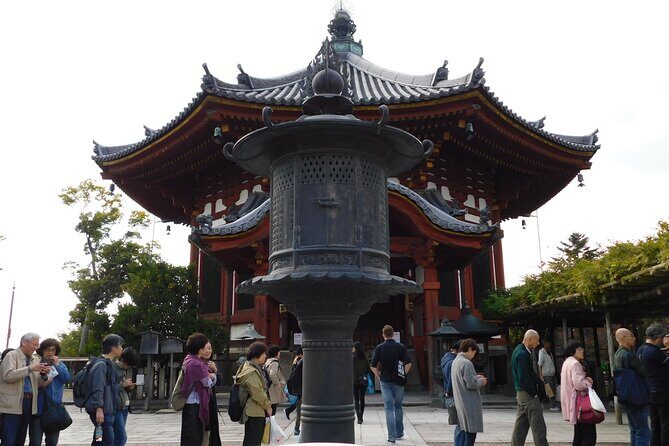
Naramachi is a short stop, about 30 minutes. That limited time is intentional: it prevents the day from turning into a shop marathon, and it keeps you moving toward Kōfuku-ji later.
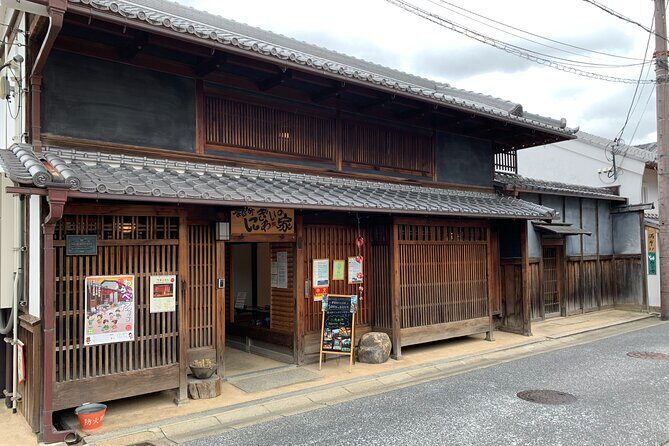
Here’s what you can expect: specialty shops, plus retro museums. Even if you don’t buy anything, it’s a good area to wander and absorb the old-street vibe. You’ll see narrow lanes and traditional merchant houses that give a strong sense of the Edo-period feel described in the day plan.
This is also a good place to pick up small souvenirs that feel connected to the street you walked, not the ones that could come from any airport.
Kōfuku-ji temple grounds: a quieter closer to the day
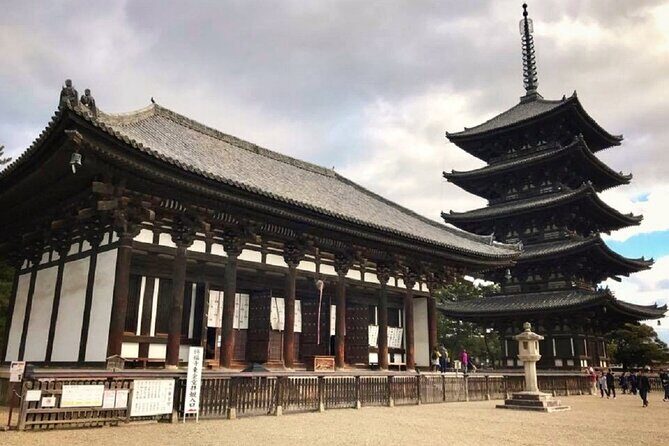
The final temple stop is Kōfuku-ji. You’ll explore the temple grounds and learn about its establishment tied to the Heijo-kyo imperial capital.
This is the kind of stop that works well after you’ve seen the deer park and the big spiritual icons. By now, your brain has context. Instead of only reacting to visuals, you can start connecting the dots between where power sat in old Nara and how major religious sites developed around it.
Also, Kōfuku-ji is listed with admission free in the day flow, which can be helpful for people trying to understand what they’re paying for versus what’s included.
Price and value: when $195 feels fair
The price is listed as $195.00 per person for this private full-day tour.
That sounds steep if you’re comparing it to self-guided day trips. But for a private guide, it starts to make sense when you add up what the tour includes: an English-speaking guide, entrance fees for Todaiji and Kasuga Taisha, and snacks. Then you remove the headache of figuring out which entrances cost what, and you get a route that tries to keep the day smooth.
Transportation isn’t included, and lunch at Kotoya isn’t included either, so you still have two real added costs to plan for:
- Train ride from Kyoto to Nara (around JPY 1280 one way is noted)
- Lunch at Kotoya (around JPY 2500)
When I look at value like this, the tour is best for you if you:
- want an English guide to explain the sites
- don’t want to manage tickets during a busy day
- prefer a private setting over joining a big group
If you’re the type who loves planning every step and enjoys reading signs slowly, you might do it on your own. But if language and timing matter, this tour is priced like convenience plus guidance.
The logistics that matter most for a smooth day
A few practical things can make or break the experience.
First, start point matters. You meet at JR Kyoto Station area at the listed 7-Eleven. Since there’s no hotel pickup, arriving early and getting your bearings fast is worth the effort.
Second, plan for walking. The day includes Nara Park, Todaiji, Kasuga Taisha, and Naramachi streets, then time at Kōfuku-ji. In feedback, people note the walk can be quite long. So bring shoes that don’t punish you after an hour.
Third, use the included mobile ticket if it’s part of your booking. The tour notes say mobile ticket is provided, which typically makes entry smoother at sites where you need to show something quickly.
Who this private Nara day trip suits best
This is a strong fit if you’re:
- traveling with a group that wants a private pace
- hoping to see Nara’s top highlights without language stress
- excited to spend time with the deer, not just glance at them
- interested in old streets and temple-shrine contrasts in one day
It’s less ideal if you want a completely free-form day where you can roam far beyond the route, since the tour is structured around set stops and timing.
Should you book this tour?
If you want an efficient, high-comfort way to do Nara from Kyoto, I’d say yes—especially for first-timers. The combination of English guidance, entry coverage for Todaiji and Kasuga Taisha, and a day that includes both deer park fun and lantern-filled shrine atmosphere is a practical way to get the most out of limited time.
Skip it only if you’re comfortable managing trains, tickets, and translations on your own, and you prefer to spend longer than 8 hours in a smaller area.
FAQ
How long is the Nara Todaiji Kasuga Taisha private tour?
The tour runs about 8 hours.
Is this tour private?
Yes. It’s private, and only your group participates.
What’s included in the tour price?
An English-speaking guide, entrance fees for Todaiji and Kasuga Taisha (Kasuga Shrine), and snacks are included.
Is lunch included?
No. The traditional lunch at Kotoya Restaurant is not included, and it’s listed as around JPY 2500.
What about transportation from Kyoto to Nara?
Transportation is not included. The note says a JR Pass can be used, and it estimates JPY 1280 one way.
Where do we meet, and where do we end?
You meet at 7-Eleven Heart-In at JR Kyoto Station Central Entrance Store. The tour ends back at the meeting point.
Do I need tickets for Nara Park?
The day plan lists admission as free for Nara Park.
Can I cancel for a full refund?
Yes. You can cancel up to 24 hours in advance for a full refund. Changes made less than 24 hours before start time aren’t accepted.