REVIEW · KYOTO
Private Day Trip To Hiroshima from Kyoto or Osaka by Bullet Train
Book on Viator →Operated by MY Travel Consulting · Bookable on Viator
A Hiroshima day trip hits hard, in the best way. I like that this itinerary is built for smooth rail logistics and uses a National Licensed English guide interpreter so the history lands clearly, not just as sightseeing. I also like the mix: Shinto beauty at Itsukushima Shrine on Miyajima, then the sober stop at the Atomic Bomb Dome and Hiroshima Peace Memorial Museum. One thing to consider is the emotional weight of the sites, and that the schedule is long, so you’ll want moderate energy and good walking shoes.
What makes this work is that it’s set up as a true one-day route, not a vague plan. You get hotel pickup, bullet train time between Kyoto/Osaka and Hiroshima, and the public transport plus island access handled for you. The only real drawback is that lunch is on your own, so you’ll need a plan for when you want to eat during breaks.
In This Review
- Key Things That Make This Hiroshima Day Trip Worth It
- How the One-Day Kyoto-to-Hiroshima Route Gets You There and Back
- Kyoto Station to Hiroshima Station: The Bullet Train Part You’ll Actually Enjoy
- Miyajima and Itsukushima Shrine: Why This Stop Changes the Mood
- The Atomic Bomb Dome: Short Visit, Heavy Impact
- Hiroshima Peace Memorial Museum: Where the Story Gets Clear
- The Logistics Gap: What the Tour Handles vs. What You Must Plan
- Price and Value: Is $1,291 Per Person Actually Fair?
- How This Private Day Trip Feels in Real Life
- Who Should Book This Hiroshima Day Trip from Kyoto or Osaka
- Should You Book This Tour?
- FAQ
- How long is the private day trip to Hiroshima?
- Is this tour private for just my group?
- What’s included for transportation?
- Which admission fees are included?
- Does the tour include lunch?
- Are hotel pickups offered?
- Can the guide accommodate dietary restrictions?
- What happens if weather is bad?
- Can I cancel and get a full refund?
Key Things That Make This Hiroshima Day Trip Worth It
- Private tour with a licensed English guide interpreter: you get explanations that help the day make sense.
- Hotel pickup plus bullet train tickets included: you spend your energy on the sites, not navigation.
- Miyajima access handled: public transportation and the island entry tax are included.
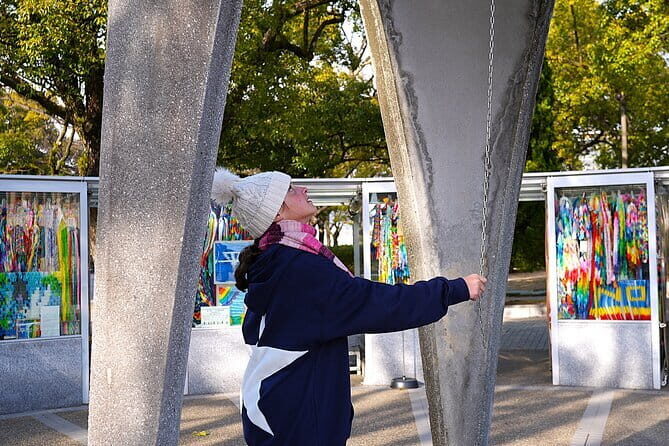
- You hit the big three: Itsukushima Shrine, Atomic Bomb Dome, and Hiroshima Peace Memorial Museum.
- A long but efficient schedule: about 12 hours that feels purposeful rather than rushed.
- Guides like Mark, Akihiro, Jun, and Fumiyo (per past departures): the common thread is clear, caring guidance and quick help with needs.
How the One-Day Kyoto-to-Hiroshima Route Gets You There and Back
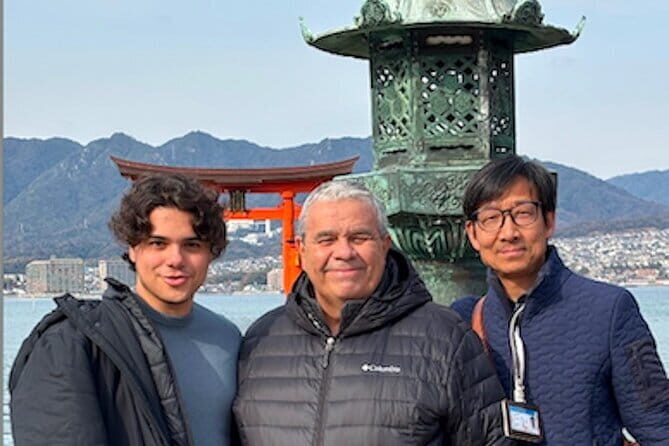
This tour is designed for people who want Hiroshima without turning the trip into a multi-day production. The core idea is simple: you meet your guide at your hotel, then you ride the bullet train to Hiroshima, do the main sights in an organized flow, and return the same day.
The value here is the structure. Hiroshima is not far in travel time terms, but it can feel complicated when you add local trains, ferries, and site timing. With this setup, you don’t have to stitch together a schedule while also processing what you’re about to see.
Also, it’s truly private. That matters because you can move at your group’s pace, ask questions, and avoid the stress of being herded. It’s a small detail, but on a day this emotional, control of your experience is a big deal.
You can also read our reviews of more private tours in Kyoto

Kyoto Station to Hiroshima Station: The Bullet Train Part You’ll Actually Enjoy
The day starts with the meeting point at your hotel, then a transfer to Kyoto Station Building (or the Osaka station option, depending on your starting point). From there, you take the bullet train to Hiroshima Station, with about 3 hours on the rail each way.
This isn’t just a “means of getting there.” The bullet train turns travel time into a calmer runway. You’re not bouncing between connections or waiting around with luggage. The rhythm is predictable, and you can use that time to mentally shift gears: from daily Kyoto life to a city that will ask for your full attention.
One past participant summed up the appeal of the train route as a fast ride across 300+ km in about an hour, and that’s the feeling you’re buying: speed that actually makes a day trip realistic.
Practical tip: bring a layer. Bullet train cars can be comfortable, but temperatures swing between station areas and cars. If you get cold easily, you’ll be happier with a light jacket.
Miyajima and Itsukushima Shrine: Why This Stop Changes the Mood
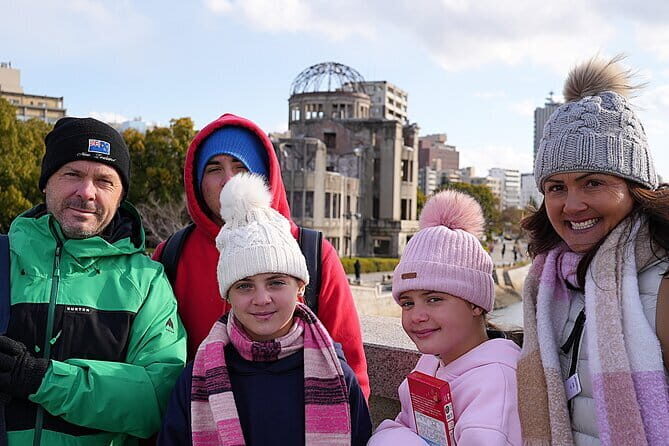
After arriving in Hiroshima, you head to Itsukushima Shrine on Miyajima (Itsukushima Island). This is where the day gets its breath—Shinto symbolism and sea-linked views before you step into the heavier part of Hiroshima.
The shrine is known for its famous floating appearance, and even if you’ve seen photos, seeing it in person changes your sense of scale and detail. The tour allots about 1 hour 30 minutes for this stop, which is enough time to take in the shrine grounds and walk the main areas without feeling like you’re doing a sprint.
The tour also includes the public transportation and the island entry tax, which is exactly the kind of thing that can trip up a self-planned day trip. Miyajima depends on a ferry and local connections, and you don’t want to spend your limited time figuring out schedules. Here, the tour handles it, so your brain stays where it should be: enjoying the shrine setting.
Practical tip for timing: if you care about photos, plan to arrive ready to take your first shots quickly, then slow down after. Early attempts are your best chance before crowds and winds push you around.
The Atomic Bomb Dome: Short Visit, Heavy Impact
Next up is the Atomic Bomb Dome, with about 30 minutes allocated. This is a brief stop on purpose. The dome is not a place for lingering forever; it’s a place that asks for attention and then movement.
Even with a short time slot, you’ll feel the contrast immediately: a single structure that became a global symbol of destruction and survival. You don’t need to be a history buff to understand the meaning. What helps is having context, and this tour’s guide interpreter is there to frame what you’re seeing.
This is also where I think a guided day trip earns its keep. Without guidance, you can end up reading placards and piecing together meaning. With a good guide, your questions get answered in the flow of the visit.
Practical tip: if you’re sensitive to intense topics, it’s okay to take a slow pace. You can also step aside briefly to steady yourself. The tour’s structure gives you time to do that without derailing the whole day.
Hiroshima Peace Memorial Museum: Where the Story Gets Clear
After the Atomic Bomb Dome, you move to the Hiroshima Peace Memorial Museum, about 1 hour. This is where the day stops being about landmarks and turns into understanding.
The museum documents the events and their aftermath, and it’s intentionally emotional. I like that this tour doesn’t treat it like a quick checklist stop. The timing is long enough to absorb key exhibits without forcing you through the whole museum like you’re trying to win a contest.
The value of the guide here is practical: they help you focus on what matters most, explain background, and translate complex ideas into something you can actually carry with you afterward. That’s why multiple past participants praised guides by name—Mark, Akihiro, Jun, and Fumiyo—for being helpful and pleasant while also keeping the experience clear and meaningful.
Practical tip: if you want to remember details, take one or two photos of key exhibit areas only if allowed. Then write a quick note on your phone right after you leave that section. Museum information is dense; your memory will thank you later.
A few more Kyoto tours and experiences worth a look



The Logistics Gap: What the Tour Handles vs. What You Must Plan
A major reason this tour scores well is the division of labor. The tour includes:
- Hotel pickup
- Bullet train between Kyoto/Osaka and Hiroshima
- Admissions for the listed sights
- Public transportation and the island entry tax for Miyajima
That covers the big cost and the big hassle points.
What’s not included is just as important:
- Lunch
- Personal expenses
- Souvenirs
- A personal vehicle if you need one
Because lunch is on you, your best move is to decide what kind of break you want before the day starts. If you prefer a simple meal, look for a convenient option near major transit points when you have a lull. If you have dietary needs, tell the tour team at booking time, since they can accommodate restrictions like vegetarian, vegan, and gluten-free.
Also note the itinerary might change due to weather or other reasons. If weather turns rough, Miyajima conditions can be the most affected part of the day since it involves ferry access. The tour still keeps the overall route moving; just be ready for small schedule shifts.
Price and Value: Is $1,291 Per Person Actually Fair?
At $1,291 per person, this is not a budget outing. It’s priced like what it is: a private day trip built around expensive train tickets, guide time, and admissions, with hotel pickup and ticket handling.
Here’s the value math that matters:
- You’re paying for a private licensed guide interpreter, not a free-for-all.
- Bullet train tickets (Kyoto/Osaka to Hiroshima) are included, and rail time is the backbone of the day.
- Itsukushima Shrine and Peace-related admissions are included.
- The tour also covers the pieces that can blow up a DIY day—public transport and island tax.
You only pay extra for what the itinerary intentionally leaves open: lunch and personal spending. That’s actually a common sign of a well-built tour. They don’t force a canned lunch into the schedule when preferences vary.
So who gets the best value? People who:
- Don’t want to plan rail transfers and ferry connections.
- Want a guide for context, especially at the Peace Memorial sites.
- Prefer one predictable plan over a self-built itinerary.
Who might feel the price is hard to justify? If you already love independent travel, know how to build a Hiroshima + Miyajima day route comfortably, and don’t care much about museum context. In that case, you could cut costs by planning your own transportation and buying tickets separately—but you’d lose the guide framing and the easy day flow.
How This Private Day Trip Feels in Real Life
The itinerary is long, but it’s spaced in a sensible order:
- Rail there
- Miyajima shrine
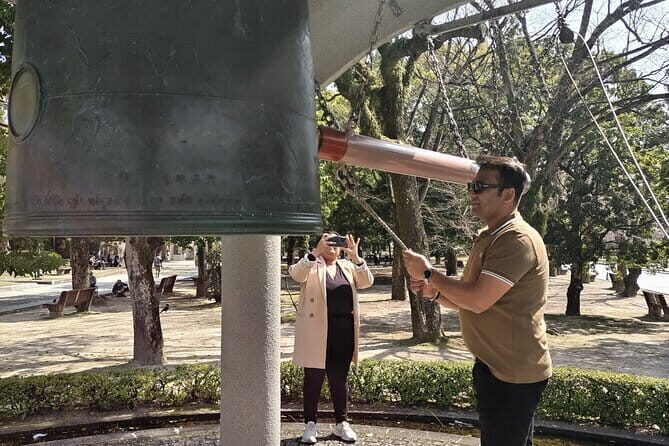
- Atomic Bomb Dome
- Peace Memorial Museum
- Rail back
That pacing matters. It avoids the common mistake of doing the hardest emotional site first, then trying to enjoy a scenic island afterward. Here, you get a mood shift. You start with travel, move into beauty and symbolism at Itsukushima Shrine, then transition into memory and meaning.
Past participants highlighted that the guide didn’t just talk, but helped the day run smoothly and handle requests. That’s a big deal on a private tour. When you’re tired, confused, or just need a quick clarification about timing, a good guide is your pressure release valve.
You’ll also notice the guide names mentioned—Mark, Akihiro, Jun, Fumiyo—show up because people felt supported. That tells me this tour isn’t only about moving from point A to B. It’s about understanding what you’re seeing and not getting stuck when questions come up.
Who Should Book This Hiroshima Day Trip from Kyoto or Osaka
This fits you best if:
- You want a high-structure day trip with minimal stress.
- You’d like a licensed English guide to explain the sites you visit.
- You care about doing Miyajima plus the Hiroshima Peace Memorial locations in one go.
- You value private pacing and the ability to ask questions.
It’s also a reasonable choice if you have only one day to spare and you’re starting from Kyoto or Osaka. The bullet train makes the day feasible, and the tour removes most of the guesswork.
One caution: the sites are emotionally heavy. If you prefer a lighter pace, or if you know you struggle with intense historical material, you may find the museum and dome hard. The tour can still be adjusted in terms of pace, but the subject matter remains what it is.
Should You Book This Tour?
If you want a day trip that feels like it was planned by someone who respects both your time and the sites, I’d lean yes—especially for first-timers to Hiroshima. The guide component is the standout value, and the logistics handling makes the trip practical.
Book it if:
- You want guide-led context at the Atomic Bomb Dome and Peace Memorial Museum.
- You’d rather pay for smooth planning than spend energy on coordinating trains and ferry connections.
- You’re okay with a long day and understand it will be confronting in parts.
Skip it if:
- You already have a comfortable DIY plan for Hiroshima + Miyajima and don’t want to pay for a private guide.
- You mainly want casual sightseeing and plan to skim the museum content.
If you’re on the fence, think about what will stick with you after the day. The bullet train speed will impress you for a minute. What lasts is what you understand about the places you visited—and that’s where this tour earns its price.
FAQ
How long is the private day trip to Hiroshima?
The tour is about 12 hours (approx.), from pickup and bullet train travel through the return to Kyoto or Osaka.
Is this tour private for just my group?
Yes. It’s described as a private tour/activity, and only your group participates.
What’s included for transportation?
Hotel pickup is included, and the bullet train between Kyoto/Osaka and Hiroshima is included. The tour also includes public transportation related to accessing Itsukushima Island.
Which admission fees are included?
Admission fees are included for the listed sites: the bullet train components and the visits to Itsukushima Shrine, the Atomic Bomb Dome, and the Hiroshima Peace Memorial Museum.
Does the tour include lunch?
No. Lunch is not included, so you’ll need to plan your own meal during the day.
Are hotel pickups offered?
Yes. The tour includes hotel pickup, and you meet your guide before taking the bullet train.
Can the guide accommodate dietary restrictions?
Yes. The tour can accommodate dietary restrictions such as vegetarian, vegan, and gluten-free, as long as you indicate your needs at booking.
What happens if weather is bad?
The itinerary might be changed due to weather conditions or other reasons.
Can I cancel and get a full refund?
Yes. You can cancel up to 24 hours in advance for a full refund. If you cancel less than 24 hours before the start time, the amount paid is not refunded.