REVIEW · TOKYO
Private Tour – History, Art and Nature at the Imperial Palace
Book on Viator →Operated by OTOMO Travel Guide · Bookable on Viator
The Imperial Palace feels like a city secret. This private tour blends art and nature in one smooth loop, guided end to end with live commentary. You get a smart first-day itinerary without the guesswork.
I love the private-guide setup. In past tours, guides like Keiko and Yumi have clearly used their one-on-one time to explain what you’re seeing and help you spot the best angles, especially around cherry blossom season.
I also like how the day balances “stop and look” places with breaks that keep it enjoyable. That said, you should plan for a lot of walking, and on some days gardens can be closed for holidays or weather can force route changes.
In This Review
- Key highlights worth your attention
- A private Imperial Palace day starting at Tokyo Station
- Wadakura Fountain Park: a quick, meaningful pause inside the grounds
- East Gardens and Edo Castle ruins: seasonal views with historical weight
- MOMAT inside the palace zone: modern art without the extra transit headache
- Kitanomaru Park lawns and CAFÉ 33: a nature-and-food reset
- Chidorigafuchi: classic photo time and a calmer end to the loop
- What a guide’s undivided attention actually changes
- Price and extra costs: when $90.60 per person feels fair
- Pace, walking, and why weather can change your route
- Who this tour suits best
- Should you book this private Imperial Palace tour?
- FAQ
- How long is the private tour?
- Is this tour really private?
- What’s included in the price, and what costs extra?
- Do I need tickets for every stop?
- Where do we meet, and where does the tour end?
- Can I cancel for a full refund?
Key highlights worth your attention
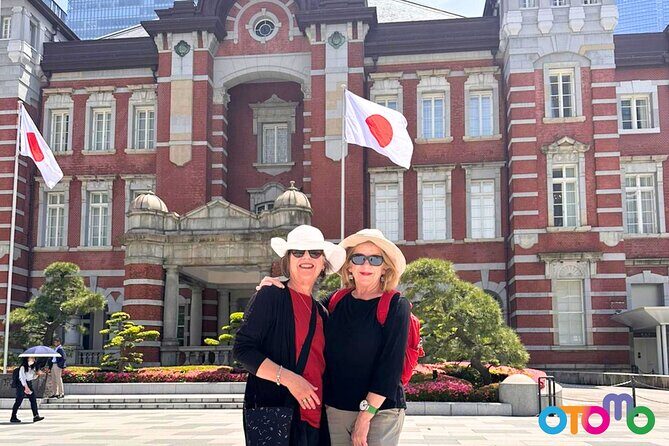
- Imperial Palace art gallery + East Gardens with historical context and seasonal garden views
- Wadakura Fountain Park as a quick, meaningful breather inside the palace area
- National Museum of Modern Art, Tokyo (MOMAT) for 20th-century art without adding extra planning
- Kitanomaru Park and CAFÉ 33 for a nature-and-food pause in the palace grounds
- Chidorigafuchi for iconic riverside photo time and lingering views
- A guide who adjusts: flexibility shows up in guide styles like Fumi, Sonoko, and Jinnosan
A private Imperial Palace day starting at Tokyo Station
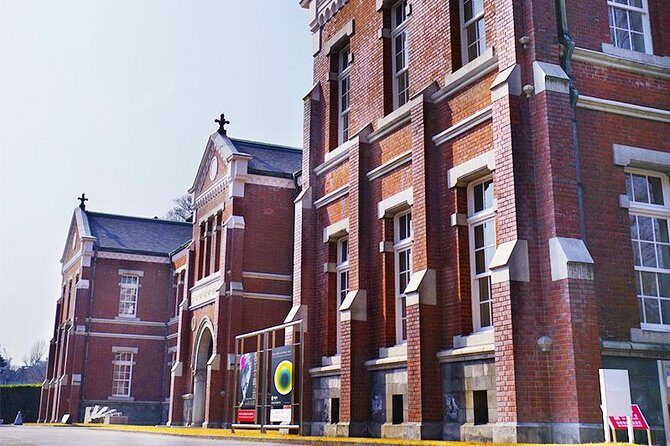
This tour starts at Tokyo Station (Marunouchi area), which is a gift if you’re new to Tokyo. You’re anchored at one of the easiest stations in the city, with the big Marunouchi look right in front of you. There’s even a short, relaxed stop at the Tokyo Station square—no pressure, just a clean way to set your bearings.
The tour runs about 4 hours 30 minutes, and it’s built to feel efficient without feeling rushed. It’s also genuinely private—only your group goes along, so you can ask questions as you walk instead of saving them for the end.
In value terms, this is priced at $90.60 per person, and it’s commonly booked around 45 days in advance. That booking pattern makes sense. If you’re aiming for prime spring dates or you want an easy first day, “private + curated route” is usually the combo that sells out.
You can also read our reviews of more private tours in Tokyo


Wadakura Fountain Park: a quick, meaningful pause inside the grounds
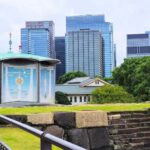
Wadakura Fountain Park is brief on the clock—think around 10 minutes—but it’s a smart early stop. It sits inside the Imperial Palace grounds, so it immediately places you in the quieter, ceremonial side of Tokyo.
You’ll see why this park matters: it was built to commemorate the marriage of the Emperor Emeritus and Empress Emerita. That detail changes the feel of the place. Instead of just taking photos, you’re also getting a story that connects the fountain area to modern imperial history.
This stop is also a useful “reset” after the energy of Tokyo Station. If your feet are fresh, you’ll enjoy it more. If not, it still works because it’s short and calm.
East Gardens and Edo Castle ruins: seasonal views with historical weight
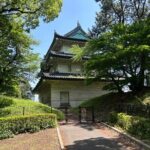
Next comes the East Gardens of the Imperial Palace, including areas tied to the Edo Castle ruins. This is where the tour leans into Japan’s garden rhythm—paths, layouts, and viewing points that reward slow attention rather than speed.
It’s free to enter, and the stop is about 30 minutes. That duration is long enough to notice seasonal differences, but not so long that it turns into a “stand in line for nothing” situation. The East Gardens are known for their seasonal changes, so if you’re traveling outside peak times, you’ll still get variety in texture and plant structure.
One practical thought: imperial grounds can have occasional access issues tied to dates and events. In a recent experience, a guide couldn’t access the garden because it was closed for a holiday. When that happens, a private guide can sometimes reroute you to other meaningful sights. It’s not something you can fully predict, but it’s good to know it can occur.
MOMAT inside the palace zone: modern art without the extra transit headache
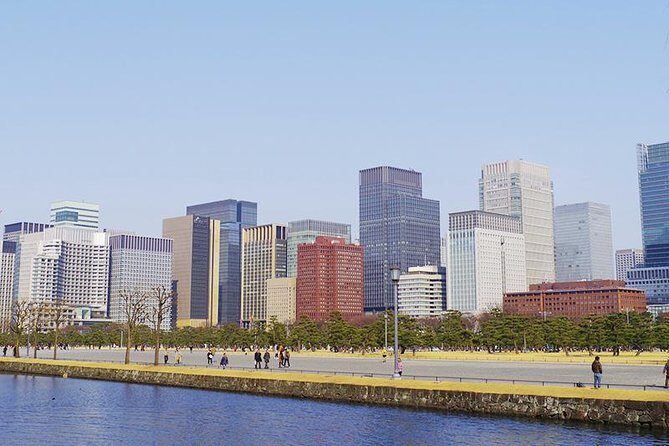
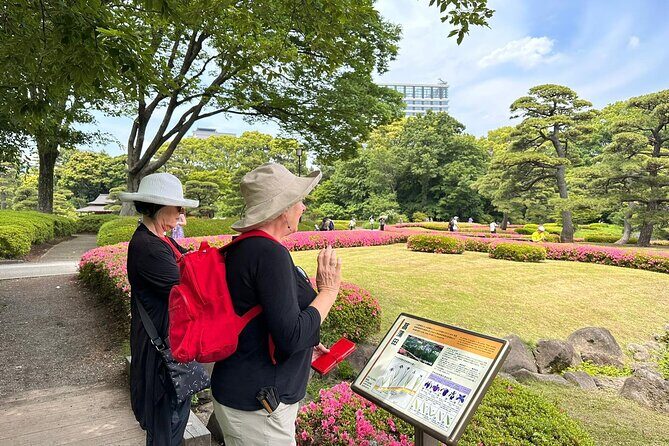
The day then shifts into the art lane with the National Museum of Modern Art, Tokyo (MOMAT). This stop takes about 40 minutes, and it’s the biggest paid element of the route (the admission ticket isn’t included).
Here’s the value angle: you’re not spending time figuring out transit between “palace” and “museum.” You’re already inside the broader Imperial Palace area zone, and the museum is part of that same world. That saves effort and keeps the day coherent.
MOMAT is the first National Art Museum in Japan, and it focuses on artworks from roughly the 20th century in Japan and overseas. If you like context, this blend can be satisfying: you go from imperial grounds and Edo-era remnants into a museum setting that shows how modern culture took shape.
A small caution: one review noted that MOMAT could be skipped if you’re mainly there for gardens. If your travel style is strictly scenery-first, consider that MOMAT may feel like a different mood. Still, for many people, it’s the perfect pivot point in a half-day itinerary.
Kitanomaru Park lawns and CAFÉ 33: a nature-and-food reset
After art, you’ll get something Tokyo does well: green space that still feels connected to the city. The tour spends time at Kita-no-maru Park (around 20 minutes), with an open lawn and a wider plant-and-tree mix that creates its own ecosystem within the palace grounds.
From a pacing perspective, this is smart. After walking through palace paths, an open lawn gives your legs a chance to feel more “done” rather than just “continue walking.” It’s also a great spot for photos without needing to hunt for a specific viewpoint.
Then comes CAFÉ 33, about 40 minutes, located in Kitanomaru Park. This is where the tour becomes more livable. Admission isn’t included here, but the stop matters because it’s built around a meal break, not just a snack stop.
CAFÉ 33 is described as using local fresh ingredients from the Tohoku area and Tokyo. That’s a nice change from the generic quick meals you can end up with when you plan everything yourself. If you do this tour as a first-day activity, the café stop is also a practical way to recharge before heading out from the palace area.
You can also read our reviews of more historical tours in Tokyo
Chidorigafuchi: classic photo time and a calmer end to the loop
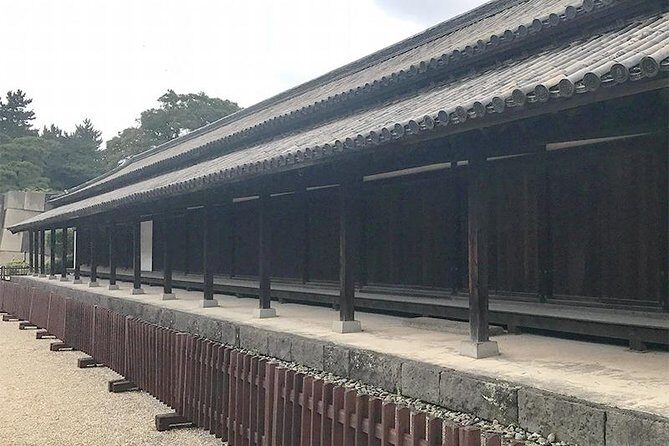
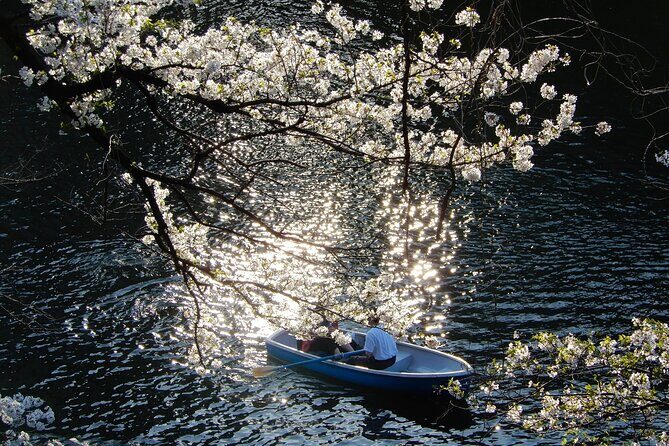
The final outdoor flourish is Chidorigafuchi (about 20 minutes). This is where the tour leans into “Tokyo still has nature in it.” The idea here is simple: you walk the road and enjoy the view, with a reminder to take photos of the spot’s signature scenery.
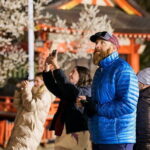
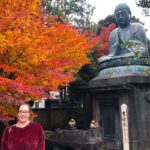
Chidorigafuchi is famous for being photogenic in multiple seasons, and one guide’s approach showed up strongly in reviews: if you’re visiting around cherry blossom season, guides often find the best spots for views. Even if blossoms aren’t your timing, you can still get that sense of a calm, scenic Tokyo moment.
This stop also pairs nicely with the tour’s end point. The tour finishes at Hanzomon Station, so you’re not stuck crossing the whole city on tired legs right after palace walking.
What a guide’s undivided attention actually changes
A private tour is more than “no sharing.” It changes how the day feels.
In guides’ styles shared through prior runs, you can see patterns that matter to your experience:
- Guides like Keiko and Yumi have been praised for giving strong context, including explanations for Tokyo Station and the Imperial Palace setting.
- English communication tends to be solid, which makes the commentary useful rather than background noise.
- Guides have shown flexibility. For example, Fumi helped with navigation after the tour, and Jinnosan adjusted on the fly to match what the group wanted to prioritize.
- Sonoko was specifically noted for finding ways to see the Imperial Palace West Garden, which tells you that guides may work within the accessible area and maximize outcomes when possible.
For you, the big payoff is speed plus clarity. Instead of reading signs that you half-understand while walking, you get explanations as you go. And because it’s private, you can steer small changes midstream: longer on a garden corner, shorter at a museum room, or adding time for photos.
If you’re traveling with family, it’s also easier. Kids (and adults) tire. A guide can read the group and adjust the pace, which is harder in a fixed group tour.
Price and extra costs: when $90.60 per person feels fair
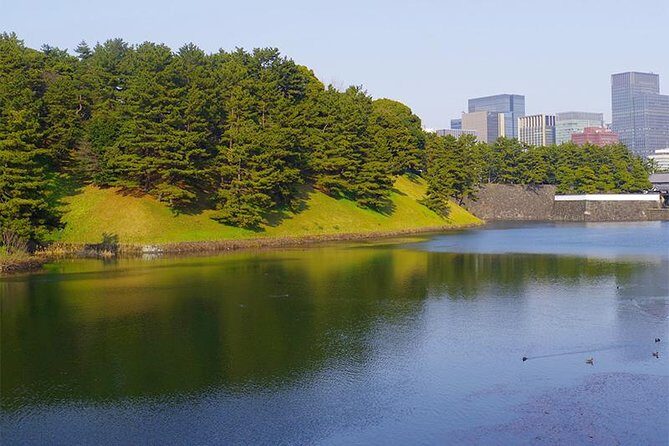
Let’s talk value plainly.
The tour costs $90.60 per person and lasts about 4.5 hours. It’s private, includes a guide, and covers the necessary expenses for the guide. There’s also a feature listed as mobile ticket, which helps keep things simple on the day.
Not included are key extras. The estimated additional spending is about 1500 JPY per person, with:
- Admission fees: 500 JPY
- Meal costs: 1000 JPY
Transportation is listed as 0 JPY in the estimate, but the tour also says transportation costs incurred at visited spots are borne by the customer, so don’t assume that means you pay nothing. Still, in practical terms, you can expect the main extras to be museum admission and your meal.
Does it feel worth it? Usually, yes, if:
- You want a one-day plan that hits Imperial Palace gardens + art + scenic parks.
- You don’t want to coordinate tickets and transit between multiple areas.
- You care about meaning, not just photos.
If you’re a super-budget traveler who prefers free sights only, then the paid museum stop plus meal costs will make this feel pricier than a DIY walk. But if you want your day structured and explained, this price lands in the “reasonable for a private guide” zone.
Pace, walking, and why weather can change your route
This tour includes “a lot of walking,” so comfortable shoes aren’t optional. Think of it as a guided walking day through palace grounds and city edges, not a sit-down museum day.
Weather matters too. The tour notes that if weather is bad, there’s a possibility destinations and routes may change. That’s not a reason to skip—just a reason to stay flexible. On a day like that, a private guide can sometimes shift you to what’s still accessible and keep the timeline working.
Also, note the tour includes free admission at several stops: Tokyo Station square (free), Wadakura Fountain Park (free), East Gardens (free), Kita-no-maru Park (free), and Chidorigafuchi (free). The museum is not included, and your café meal is also not included. That mix is helpful because your “sure things” are mostly free, while the one paid component keeps the itinerary balanced.
Who this tour suits best
This is a strong fit if you:
- Want a first-time Tokyo day that avoids transit puzzles.
- Prefer a route with meaning, not just a checklist.
- Like gardens plus art, and you want them in one half-day structure.
- Appreciate English commentary that helps you understand what you’re seeing without stopping every minute.
It can be less ideal if:
- You dislike museums and would rather spend the whole time outdoors.
- You have limited tolerance for walking on uneven garden paths and long strolls.
Good to know: the tour says most travelers can participate, but the walking note should still guide your expectations.
Should you book this private Imperial Palace tour?
Book it if you want your Tokyo start to feel organized, explained, and scenic. The private guide format is the real engine here, and the route hits a rare combo: palace grounds, Edo-era remnants, modern art at MOMAT, and then green parks like Kitanomaru and Chidorigafuchi.
Skip it or consider a lighter plan if you’re strictly budget-only or if you only care about gardens. MOMAT and your meal break are built into the flow, so this experience isn’t designed to be purely outdoor.
If you’re traveling during prime seasonal windows, I’d lean toward booking. Guides like Keiko and Sonoko have shown how helpful it is to have someone find the best viewing rhythm, and private tours are often the easiest way to make that happen without spending your whole trip scheduling logistics.
FAQ
How long is the private tour?
The tour runs for about 4 hours 30 minutes.
Is this tour really private?
Yes. It’s a private tour/activity, and only your group participates.
What’s included in the price, and what costs extra?
The price includes the tour guide and the private tour, plus necessary expenses for the guide. An estimate for extra costs is about 1500 JPY per person, mainly 500 JPY for admission fees and 1000 JPY for meal costs.
Do I need tickets for every stop?
No. Several stops are listed as free (Tokyo Station square, Wadakura Fountain Park, the East Gardens, Kita-no-maru Park, and Chidorigafuchi). The National Museum of Modern Art, Tokyo has admission not included, and CAFÉ 33 is also not included since it’s a meal stop.
Where do we meet, and where does the tour end?
You start at Tokyo Station (Marunouchi) and end near Tokyo Metro Hanzōmon Station at the Hanzomon Station area (Hanzomon Station 1-chōme-6先, Kōjimachi).
Can I cancel for a full refund?
Yes. There is free cancellation. You can cancel up to 24 hours in advance for a full refund; canceling less than 24 hours before start time doesn’t include a refund.