REVIEW · TOKYO
Tokyo Akihabara Anime walking tour & Maid Cafe option
Book on GetYourGuide →Operated by Planning Japan Inc. · Bookable on GetYourGuide
Akihabara is a full-on pop-culture maze. I like having a guide help me shop Surugaya for pre-owned and rare anime finds, and I really appreciate the way Mr. Cho handles the fiddly details like product conditions and even tax-exemption questions. The main drawback is simple: you will walk a lot, and Akihabara can get crowded fast.
This is a small-group, 2–3 hour walk starting at JR Akihabara Station (Central Gate) with an optional maid café stop that includes a full seating block plus a drink and a meal or parfait. You’ll also get a breather with Kanda Myojin Shrine and the nearby retro Kanda Myojin Omotesando street—so the day doesn’t feel like nonstop electronics.
In This Review
- Key things that make this tour work
- Getting Oriented at Akihabara Station’s Central Gate
- Electric Town Neon Signs and the UDX Building Photo Moment
- Surugaya Shopping: Pre-Owned Finds and Condition-Checking Skills
- Radio Kaikan: 10 Floors of Anime Shops You Can Actually Work Through
- Maiddreamin Maid Café Option: A Themed Break With Food and a Photo
- Kanda Myojin Shrine and Omotesando Street: A Calm Reset
- Price and Value: Why $83 Can Make Sense Here
- Who This Tour Fits Best (and who should skip it)
- Should You Book This Akihabara Anime Walk?
- FAQ
- Where is the meeting point?
- How long is the tour?
- What’s included if I choose the maid café option?
- Is the tour conducted in English?
- Is there a guide for different languages?
- Are transportation costs included?
- Is food and drink included in the standard tour price?
- What stops are included in the walk?
- Is there free time for shopping?
- What should I wear and bring?
- Who should not take the tour?
Key things that make this tour work
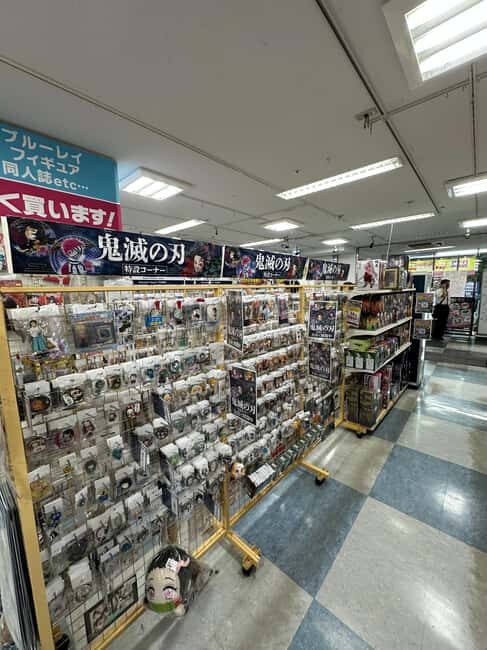
- Small group (up to 10) means you get help choosing stores instead of just following the crowd
- Surugaya is a go-to stop for pre-owned merch and the kind of finds you can miss on your own
- Radio Kaikan packs anime shops into a 10-story complex, so one stop turns into hours of browsing
- A real guide’s store knowledge can help you find what matches your series, figures, or character goods
- Maid café option turns the Akihabara theme-park vibe into an included sit-down break with photo time
- Kanda Myojin Shrine adds a historical pause and a different side of Tokyo after the neon
Getting Oriented at Akihabara Station’s Central Gate
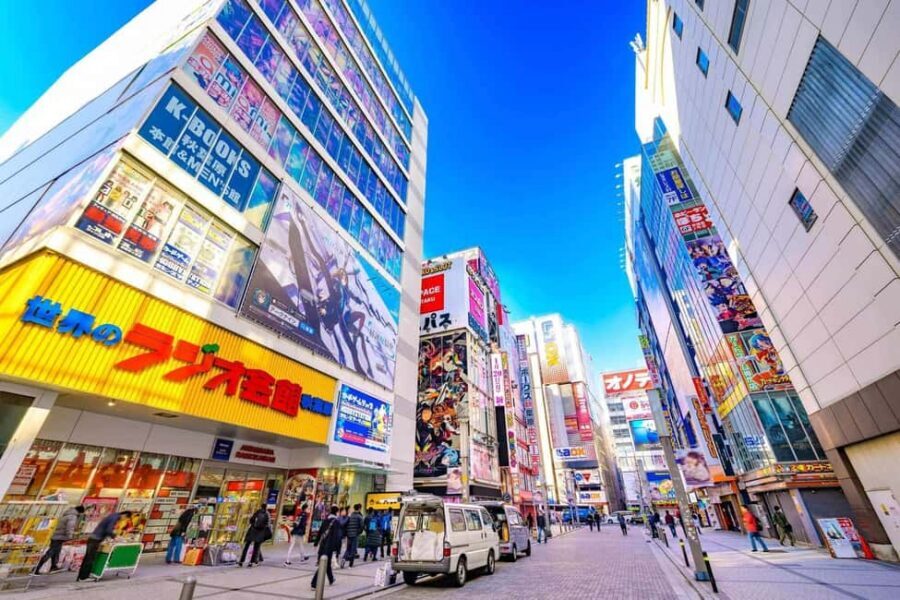
Your tour starts outside JR Akihabara Station at the Central Gate. This matters because Akihabara is confusing on purpose: entrances, underpasses, and long corridors can make you feel like you’re walking in circles. A guide gives you a clean starting point, then you move into Electric Town with purpose.
From there, you’ll spend a chunk of time just getting your bearings—neon signs overhead, tall buildings packed with electronics and anime shops, and streets that feel like they’re designed for photo stops. If you’re the type who wants to see everything but ends up buying nothing, that’s okay here. You’ll get free time at shopping stops, but the guide’s role is to help you shop with less wasted walking.
One practical tip: wear comfortable shoes. This tour is built on moving between dense shop zones. If your feet are unhappy, you’ll rush the places you actually came for.
You can also read our reviews of more walking tours in Tokyo

Electric Town Neon Signs and the UDX Building Photo Moment
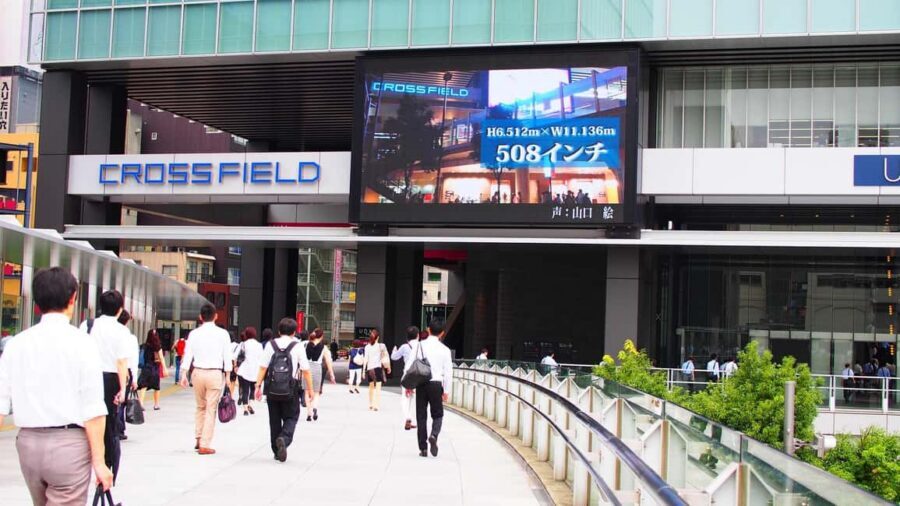
After you get oriented, you’ll wander through Akihabara Electric Town for sightseeing and free time. This is when the area’s energy hits you—bright storefronts, character displays, and electronics stacked like visual wallpaper. It’s not just scenery. This is where you start training your eyes to spot the shop entrances that look similar but aren’t the same.
There’s also a photo stop near UDX Akiba Plaza, a known street-view spot. This is the kind of stop you’ll appreciate even if you’re not a serious photographer. It gives you a landmark so later, when you’re tired and your navigation brain is scrambled, you can still remember where you are.
If you’re visiting on a weekend or during peak hours, expect crowds. Go slow on crossings and stairs. Akihabara foot traffic can be dense enough that you’ll bump elbows without meaning to.
Surugaya Shopping: Pre-Owned Finds and Condition-Checking Skills
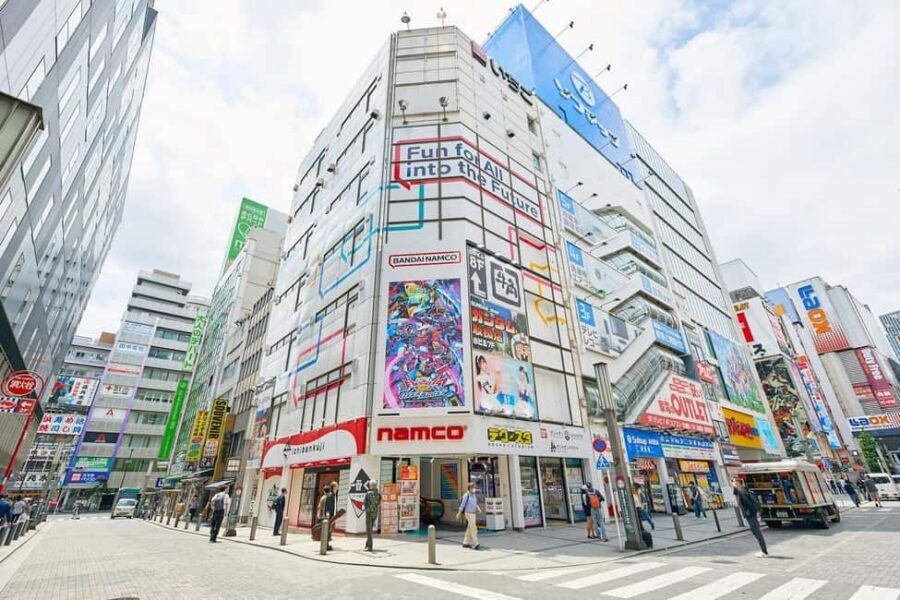
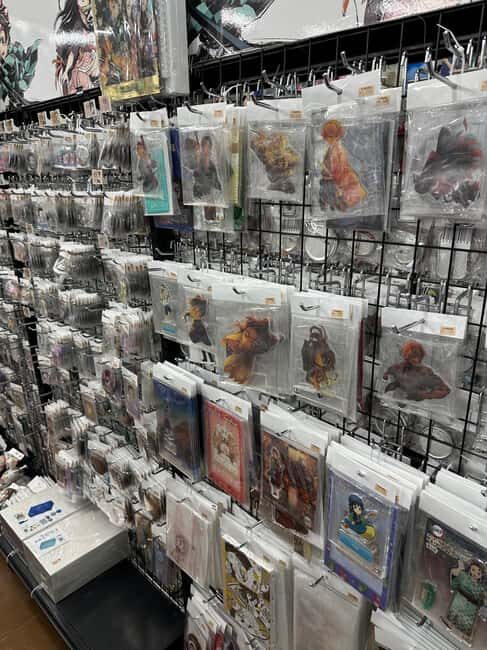
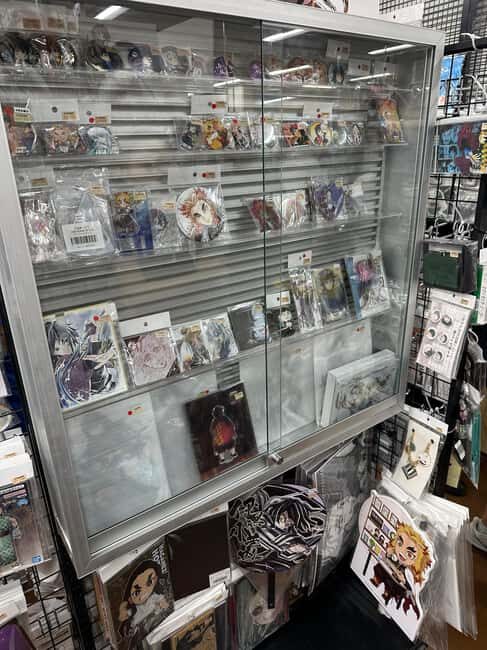
A big part of this experience is targeted anime shopping at Surugaya’s Akihabara area stores. Surugaya is known for pre-owned merchandise, and that’s where the real value often shows up. New items are everywhere in Tokyo. The fun here is hunting for used items in good condition—stuff that feels like a bargain because it is, not because it’s random.
This is also where the guide adds real-world value. Mr. Cho’s support isn’t just pointing at shelves. He’s helped with product specifics such as usage status, and even tax-exemption rules. That combination saves time because you’re not left guessing what a label means or whether a discount applies to your situation.
You’ll also have free time here, which is key. Browsing used collectibles is not a quick task. Figures, manga, and character goods can require careful checking, and you don’t want to feel rushed while comparing similar items.
What to watch for:
- Condition varies with pre-owned goods, so slow down for labels
- Stock changes often, so if you find something you truly want, it’s usually smarter to consider it sooner than later
- Shop hours can shift, so don’t assume every store is open the entire time you’re in Akihabara
If you like hunting and comparing, Surugaya is the stop that often makes the day feel worth it.
Radio Kaikan: 10 Floors of Anime Shops You Can Actually Work Through
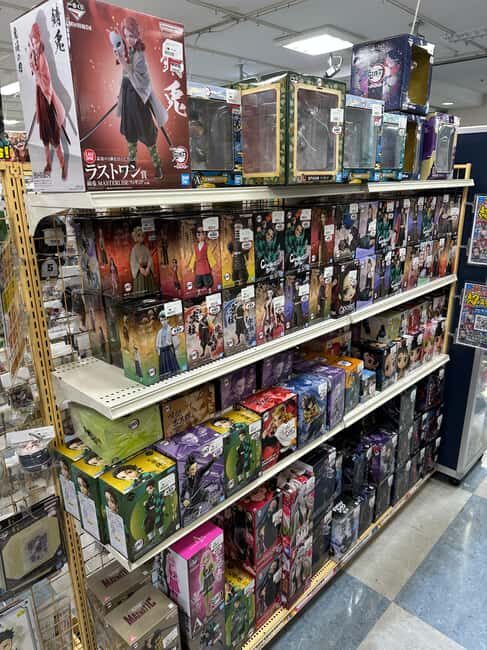
After Surugaya, you’ll head into Akihabara Radio Kaikan, a 10-story building filled with anime shops. This is one of those places where self-guided browsing can go sideways. The floors are dense, the offerings overlap, and you can lose an hour without realizing you didn’t check the areas most likely to have what you want.
That’s why the guide matters. Based on your interests—specific series, rare figures, or character goods—he can help you decide which floors to prioritize and which types of stores to hit first.
You’ll get a solid block of time here to visit and browse. The building’s layout is part of the experience. It lets you compare options side by side without repeating long walks across the neighborhood.
Quick realism check: if you’re only interested in one very specific brand or one kind of collectible, Radio Kaikan can feel like a lot of choices. The flip side is that it’s also where you can find unexpected items you didn’t know you’d want.
Maiddreamin Maid Café Option: A Themed Break With Food and a Photo
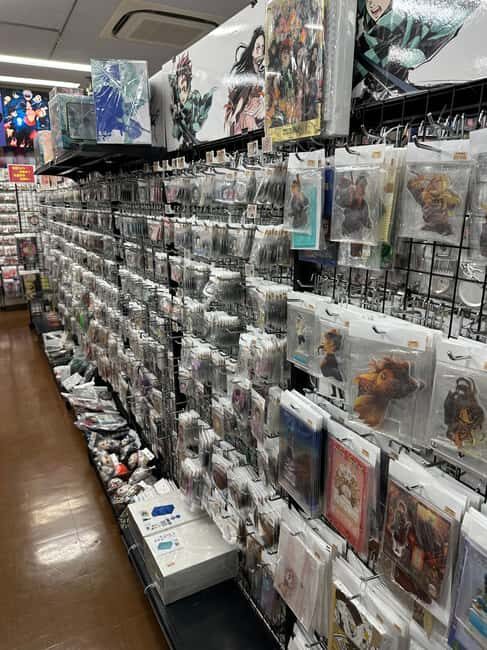
Then comes the playful part: the maid café option. You’ll visit Maidreamin Akihabara Main Store for about one hour, including seating, a drink, and a meal or parfait. There’s also a commemorative photo included.
This isn’t just eating. You’re stepping into an organized slice of Akihabara pop culture where the staff interact in character and the space is designed for fun. If you’ve never done one, it can feel a little surreal at first—in a good way. You’re not doing it because it’s quiet and classy. You’re doing it because it’s Akihabara, and it’s an experience you can’t fully replicate on your own.
Two things to keep in mind:
- You’ll likely want to show up ready to participate politely and follow staff cues
- If crowds outside already exhausted you, this is still a break, but it’s not a silent one
For many people, this stop is the best “memory anchor” of the day: something you can look back on and say, yes, that’s exactly why I came to Akihabara.






Kanda Myojin Shrine and Omotesando Street: A Calm Reset
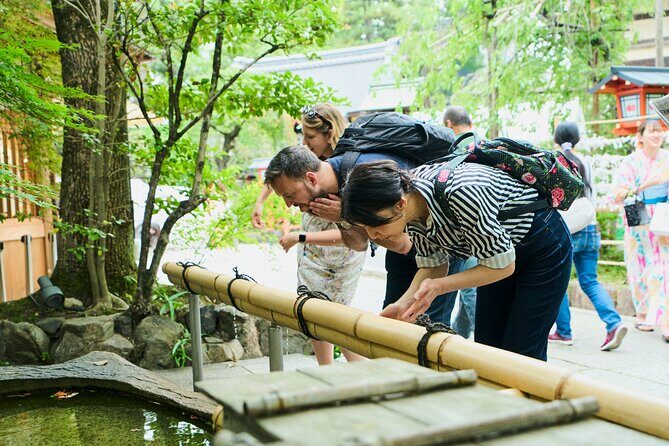
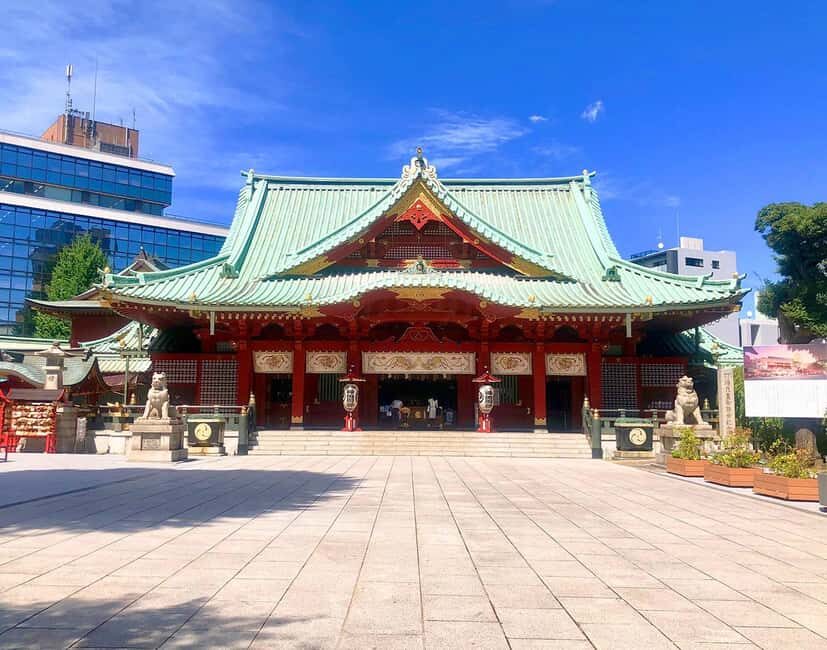
After the anime and electronics intensity, you’ll walk to Kanda Myojin Shrine. It’s a quick change of pace from flashy storefronts to a sacred space with more than 1,300 years of history. If you’ve seen references in pop culture like Love Live!, you might recognize nods, especially if you’re familiar with how Tokyo shrines show up in modern media.
This visit is about reflection and contrast. The shrine area doesn’t ask you to chase collectibles. It lets you slow down.
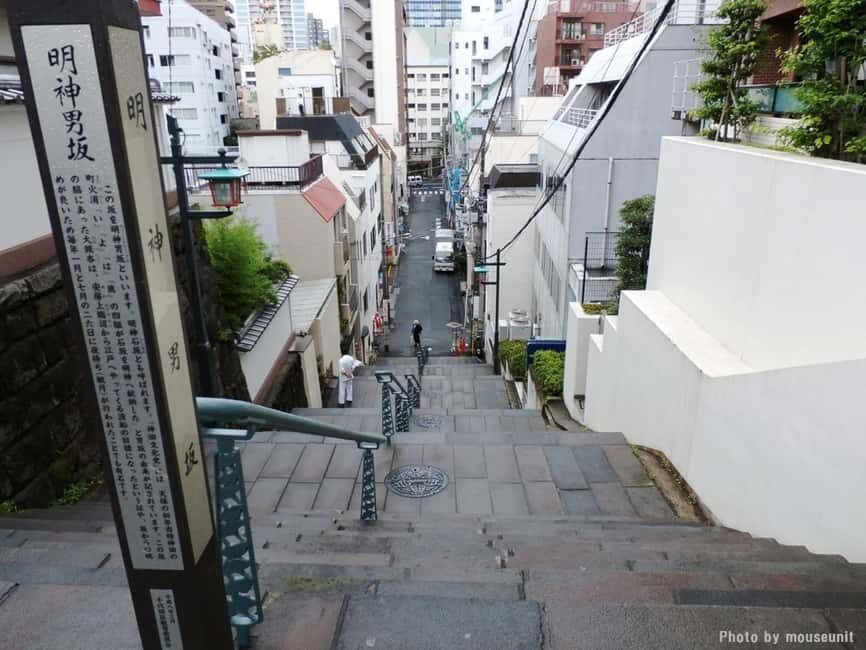
Then you’ll head along Kanda Myojin Omotesando Street, a retro-style lane with traditional sweets shops, vintage toys, and local souvenir options. This is the kind of street where you can buy small, fun items without the rush of deciding within seconds. It also gives your feet a softer landing after hours of dense shop sidewalks.
If you need a moment to recharge, this is usually where it happens.
Price and Value: Why $83 Can Make Sense Here
At $83 per person for 2–3 hours, the value depends on what you want from the day.
If you go solo, you can absolutely wander Akihabara by yourself and look into the same areas. But solo browsing usually means:
- more time spent figuring out which store is best for your taste
- more friction if you’re trying to confirm product condition or details
- more missed opportunities when a store doesn’t clearly explain what you’re seeing
This tour pays for a guide who can do practical problem-solving. Mr. Cho’s help with product specifics and even tax-exemption rules is exactly the kind of support that’s hard to replicate without speaking Japanese. It’s also the sort of help that prevents regret—like buying something you later realize wasn’t what you thought.
And if you choose the maid café option, the included seating time plus a drink and meal or parfait can add value. You’re not piecing everything together yourself, and you also get a commemorative photo.
Bottom line: this is a good deal if you care about shopping efficiently and you want cultural context, not just photos.
Who This Tour Fits Best (and who should skip it)
This tour fits best if you:
- love manga, anime, and figure collecting
- want targeted help finding the right stores instead of wandering randomly
- appreciate explanations about etiquette and how people handle purchases and product details
- want the optional maid café as part of the Akihabara experience
It’s less ideal if you:
- can’t handle a lot of walking
- use a wheelchair (not suitable)
- are traveling with someone over 95 years old (not suitable)
If you’re a serious collector, you’ll like that the guide can adjust based on your interests, including helping you check what you’re actually buying. If you’re a casual fan, you’ll still enjoy the range—shopping stops, photo moments, and that Kanda area reset.
Should You Book This Akihabara Anime Walk?
I’d book this if your goal is simple: go to the right places in Akihabara, shop with confidence, and get a guided experience that reduces the stress of figuring out details alone.
It’s especially worth it if you like pre-owned finds and want help understanding what you’re looking at. The strongest reason to choose it is the combination of shopping guidance and practical support—confirming product specifics, helping with communication, and guiding you based on what you actually want.
If you’re the type who hates guided groups, or you want zero structure and unlimited time, you might prefer a self-guided day. But for a focused 2–3 hour hit of Akihabara culture, this is an efficient, fun plan.
FAQ
Where is the meeting point?
Meet outside the Central Gate at JR Akihabara Station.
How long is the tour?
The duration is 2–3 hours.
What’s included if I choose the maid café option?
The maid café option includes 1 hour of seating, 1 drink, 1 meal or 1 parfait, and 1 commemorative photo.
Is the tour conducted in English?
Yes, the live tour guide is English.
Is there a guide for different languages?
Tour guides are available in Chinese or English, depending on the option you choose.
Are transportation costs included?
No. Transportation to and from Akihabara is not included.
Is food and drink included in the standard tour price?
Food and drinks are not included unless you select the maid café option.
What stops are included in the walk?
You’ll visit Akihabara Electric Town, a photo stop near UDX Akiba Plaza, Surugaya’s Akihabara area, Radio Kaikan, and Kanda Myojin Shrine, with additional walking time between stops.
Is there free time for shopping?
Yes. You’ll have free time at key shopping stops, including the Surugaya visit.
What should I wear and bring?
Wear comfortable shoes because there is a lot of walking, and bring a camera for photos.
Who should not take the tour?
It is not suitable for wheelchair users, and there is an age limit of people over 95 years.