REVIEW · TOKYO
Tokyo: Allstar Food Tour
Book on GetYourGuide →Operated by Arigato Travel KK · Bookable on GetYourGuide
Food tours are the fastest Tokyo shortcut. This one pairs Ginza and Yurakucho so you get upscale shine plus old-school side-alley dining, with the Showa-era izakaya vibe, regional tastes, and a proper dessert finish. I also love that it teaches food customs (so you know what you’re doing when you sit down with locals), but the main drawback is practical: there’s no hotel pickup, and you’ll need to get yourself to the meeting point near Ginza Station.
My second big plus is the mix of flavors and textures in a short window: crisp crackers from a long-running snack tradition, grilled skewers and seafood aromas from the streets, and enough variety to make your first Tokyo night feel like you actually sampled the city. Add in 2 included drinks and a small group capped at 10, and it’s a format that keeps the pace friendly rather than rushed.
One more note for planning: this is a walking tour, and it’s set up around two busy dining districts, so wear good shoes and expect lots of smells, chatter, and quick stops. If you’re picky about timing or want a very quiet evening, that’s worth knowing up front.
In This Review
- Key things to know before you go
- Why Ginza and Yurakucho Belong Together on Your First Night
- Starting at Ginza Wako: Getting Oriented Before You Eat
- The Showa-Era Izakaya Stop: Where You Learn the Rules by Eating
- What You’ll Eat: Regional and Seasonal Flavors in a Tight 3-Hour Loop
- Ginza Luxury Meets Yurakucho Yokocho: Two Moods, One Walking Route
- Drinks Included: How to Pace Yourself Without Killing the Dessert
- Price and Value: What $181 Buys in Tokyo (And What It Doesn’t)
- Practical Planning: Shoes, Allergies, and the Paperwork Detail
- Guides Matter: Why You’ll Feel It in the Explanations
- Should You Book the Tokyo Allstar Food Tour?
- FAQ
- Where is the meeting point for the Tokyo Allstar Food Tour?
- How long is the tour, and is it a small group?
- What’s included in the price?
- Are dietary options available?
- Does the tour include hotel pickup or transportation?
- What documents do I need?
Key things to know before you go
- Ginza + Yurakucho combo: luxury streets meet yokocho alleys in one 3-hour walk
- Showa-era izakaya time: you’ll learn customs, not just eat
- Old-school snack traditions: rice crackers with a secret recipe over 200 years, plus a snack shop with 300+ years of history
- Included drinking: 2 drinks are part of the plan
- Small groups (10 max): better questions, easier pacing, more personal attention
- English guide: local English-speaking guidance throughout
Why Ginza and Yurakucho Belong Together on Your First Night
Tokyo can feel like a lot on day one: trains, neighborhoods, menus, etiquette, and the simple fact that everyone else seems to know where they’re going. I like tours like this because they don’t just feed you. They orient you.
Ginza is where you’ll notice the polished, expensive end of Tokyo: bright storefronts, slick streets, and a sense of history that’s been preserved through luxury retail. Yurakucho, by contrast, brings you into the retro side of the city, especially the yokocho alleys lined with tiny dining spots. Together, they give you a simple mental map: Tokyo has multiple personalities, and you’ll taste that difference on the same evening.
The tour also frames food as culture. The goal isn’t only to try items you might never order on your own. It’s to understand why certain dishes show up in particular places and how people eat when they’re out for a night of conversation.
You can also read our reviews of more food & drink experiences in Tokyo
Starting at Ginza Wako: Getting Oriented Before You Eat
Meeting point matters more in Tokyo than most places. Here, you meet in front of the Ginza Wako Building, about a minute’s walk from Ginza Station. From there, the tour flows into the neighborhoods on foot.
Why I think that’s smart: you start in the exact area where Tokyo feels like it’s moving fast and bright, then you gradually shift into the more intimate, older-district mood. It also helps that the tour runs only 3 hours. That’s enough time to taste multiple stops, but not so long that you start dragging your feet before dessert.
You should also plan for the fact that transportation costs aren’t included, and hotel pickup isn’t provided. If you’re staying far from Ginza, you’ll want to budget transit time so you arrive calmly rather than sprinting to the meeting point.
The Showa-Era Izakaya Stop: Where You Learn the Rules by Eating
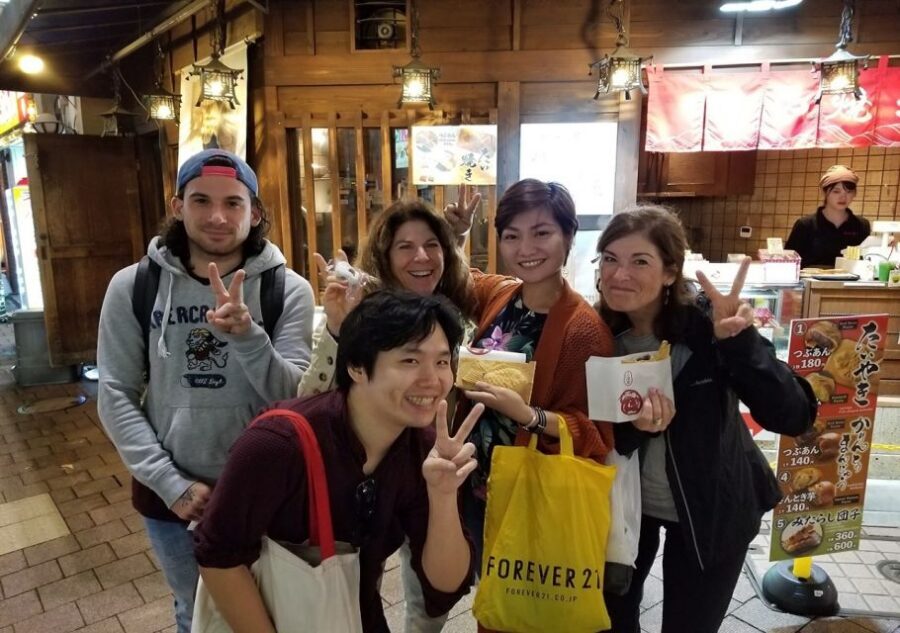
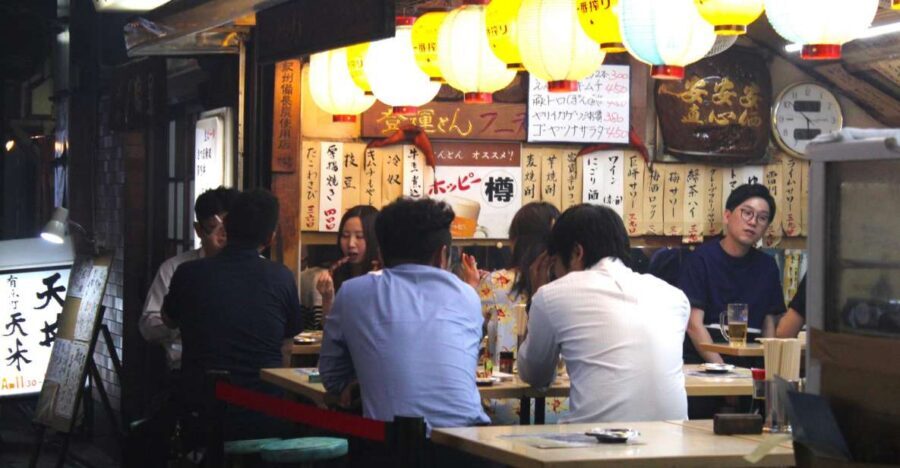
A big promise of this tour is izakaya culture, and it’s one of the most practical ways to learn Japanese dining without feeling like you’re on a test. The tour takes you into a cozy, Showa-era-style setting, where you’ll feel the atmosphere of an older Tokyo nightlife tradition.
You’ll learn cultural and food customs as part of the meal experience. Even if you’re not the type who studies etiquette in advance, this helps you avoid the awkward questions like: What should I do first? How do locals pace their ordering? How do you handle chopsticks and sharing plates naturally in that setting?
I also like that this isn’t just theory. You’ll be tasting as you go. It makes the customs stick, because they connect to what you’re eating right in front of you.
If you’re worried about getting stuck with an unclear menu, this is a good moment to remember the review pattern you’ll see again and again for this tour type: guides are often praised for making the experience fun while staying informative. Some named guides customers praised include Motoko, Josh, Ryan, Satoshi-san, and Anne. You may not get the same guide every time, but it tells you the tour has a track record of solid personality plus explanation.
What You’ll Eat: Regional and Seasonal Flavors in a Tight 3-Hour Loop
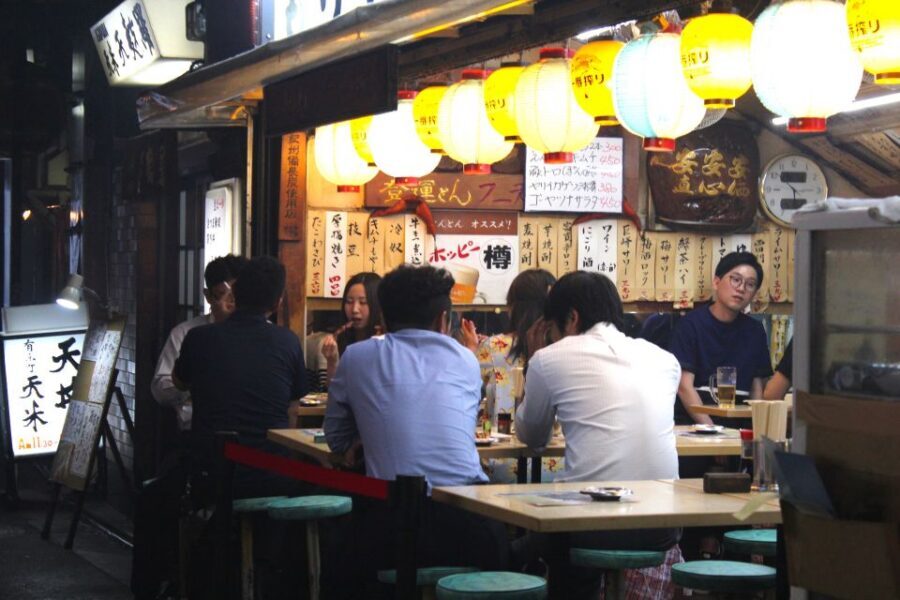
This tour is built around variety. You’re not waiting through one long meal to get the rest later. You’re sampling across multiple food stops, plus 2 drinks included.
Here’s what you can look forward to based on what’s specifically mentioned:
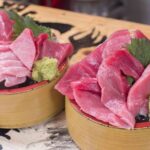
- Regional and seasonal flavors: the menu aims to show off differences across Japan, not just generic “Tokyo street food.”
- Crisp rice crackers with a secret recipe dating back over 200 years: this is the kind of detail that makes you taste more than food. It makes you taste tradition and process.
- A specialty snack shop with more than 300 years of history: you’ll get a sense of how old commerce and food craftsmanship still shapes modern Tokyo snacking.
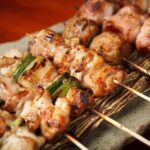
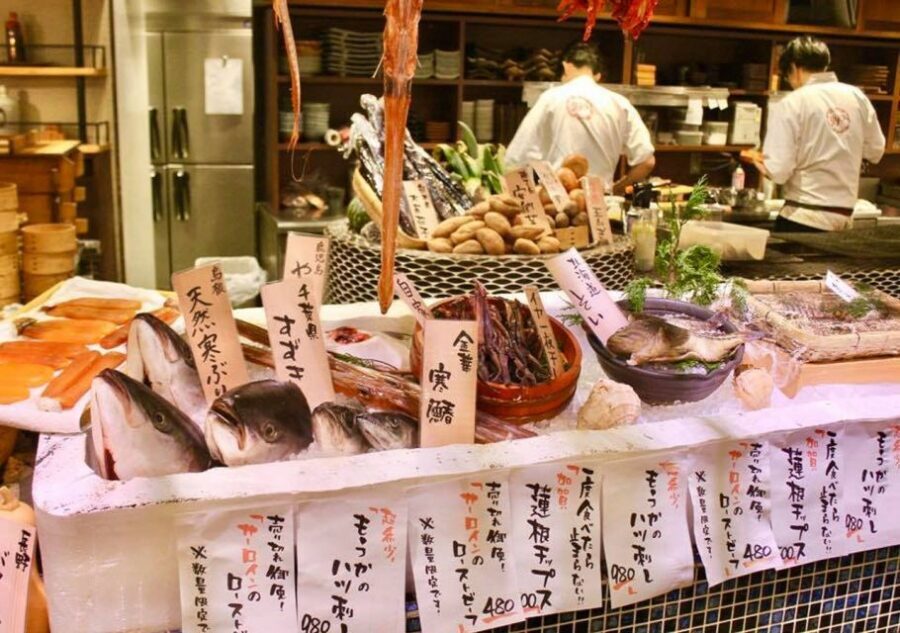
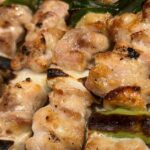
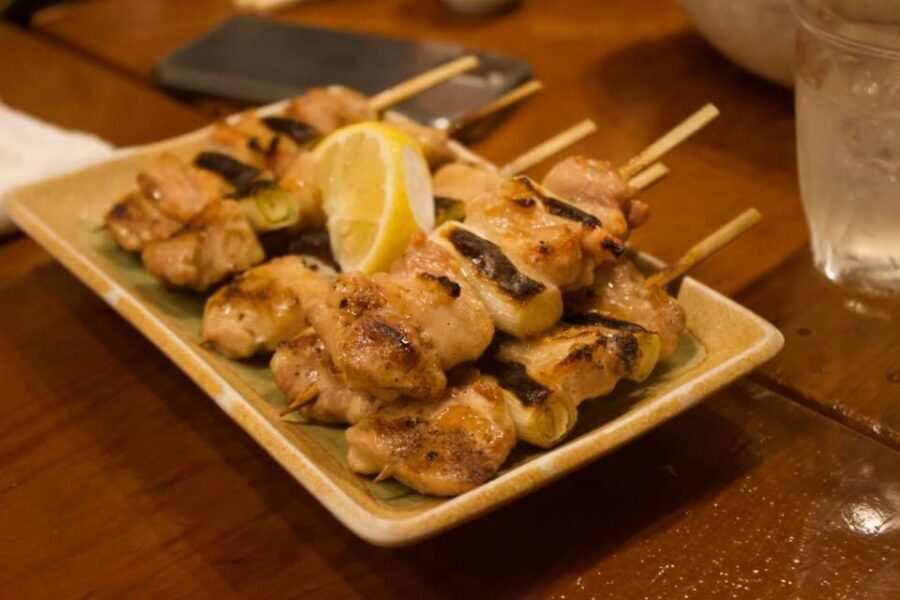
- Street-level aromas and grilled favorites: the description includes the smell of sizzling skewers and freshly grilled seafood as you walk.
Dessert ends the tour. That matters because many food tours cram dessert into the last 5 minutes or skip it entirely. Here, dessert is part of the plan, so you get that final “ok, now I’m done” moment with something sweet.
One more practical angle: the pacing is designed for a real evening out, not a food marathon. In at least some departures, the start time helps you avoid the worst dinner-time rush, which means less time standing in lines and more time actually enjoying each stop.
Ginza Luxury Meets Yurakucho Yokocho: Two Moods, One Walking Route
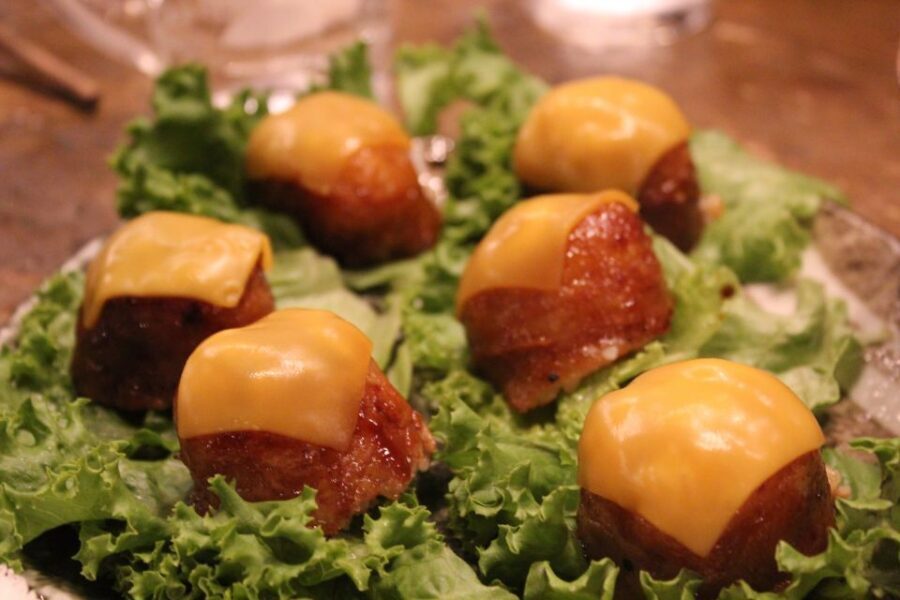
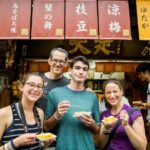
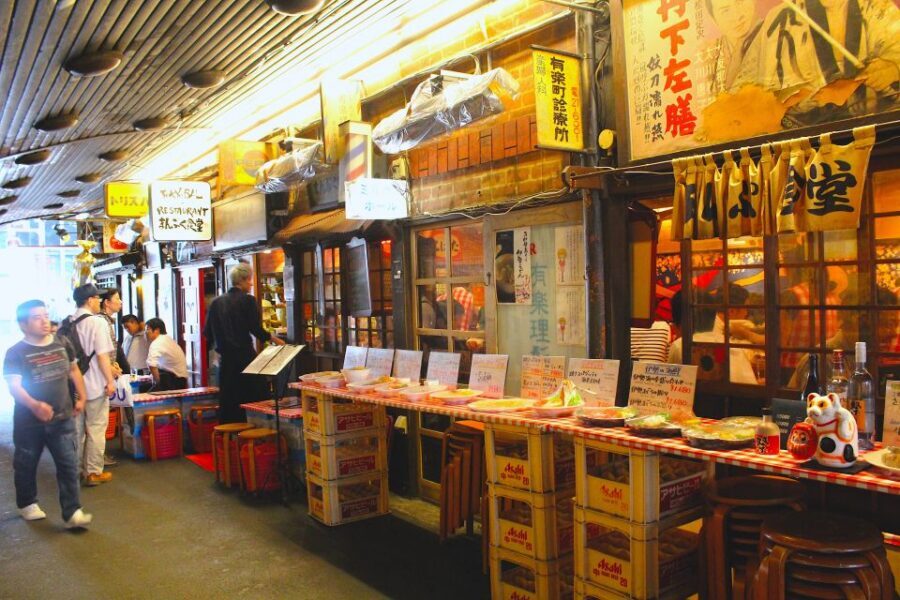
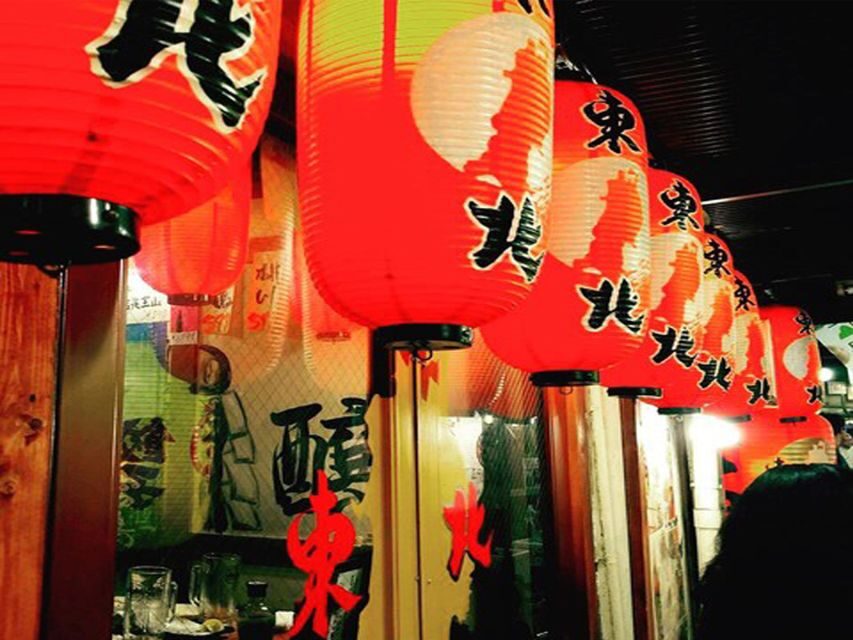
The tour’s atmosphere is a huge part of the value. In Ginza, you get that glow: upscale streets, luxury history, and the feeling that everything is a little more polished. In Yurakucho, you get red lanterns, neon signs, and side alleys that feel built for lingering over skewers and small plates.
These two moods aren’t random. They show you how Tokyo dining changes by neighborhood, even when you’re in the same city. Ginza can be about modern refinement and variety through department-store style eating. Yurakucho tends to be about small spaces, quick intimacy, and conversation-heavy dining.
As you move, your senses do the work. The smell of grilling food and seafood becomes an unplanned “map” that pulls you toward each stop. That’s also why good walking shoes matter. You’ll move between areas that look close on a map but feel different under your feet.
On some departures, diners have mentioned stops that feel tucked under rail lines and side streets, plus murals and compact bar-style settings. Even if your exact route differs slightly, the theme stays consistent: you’re not stuck in one generic restaurant block.
A few more Tokyo tours and experiences worth a look

Drinks Included: How to Pace Yourself Without Killing the Dessert
Two drinks are included, which is a nice perk because it removes one more decision point while you’re learning. But it also affects timing.
My practical advice is to treat the drinks as part of the pacing. If you drink quickly early on, you might feel it by the time dessert arrives. If you sip and keep your bites spaced, you’ll enjoy the flavors more and still feel good enough to wrap up the night on something sweet.
Also, if you have dietary needs, the tour notes that dietary options are available. That’s a key detail, because food tours can be tricky if you avoid certain ingredients. If you want to be extra safe, consider emailing ahead with specifics so the guide can plan substitutions without you having to guess.
Price and Value: What $181 Buys in Tokyo (And What It Doesn’t)
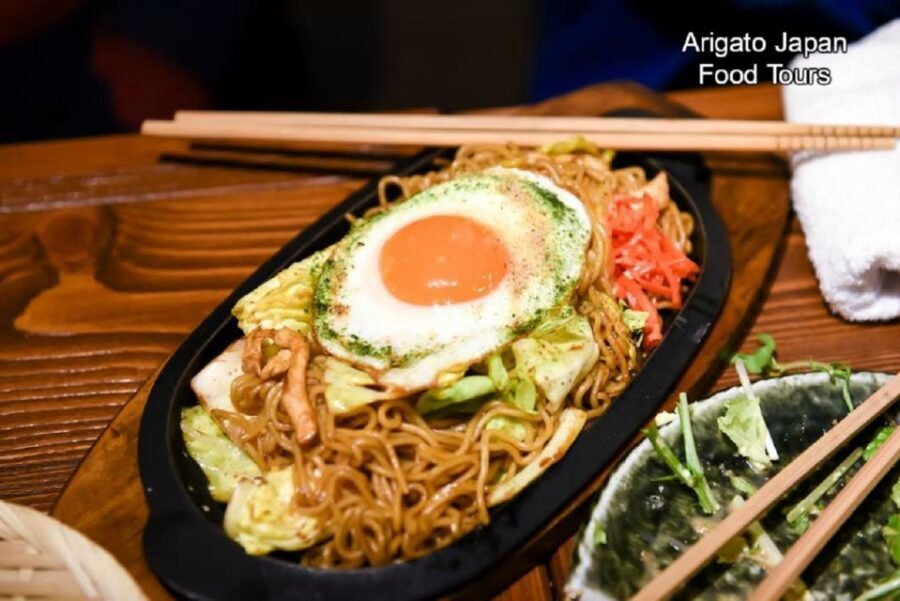
Let’s talk about the money in a realistic way. At $181 per person for 3 hours, this isn’t a budget snack crawl. You’re paying for:
- multiple tasting stops (variety, not just one meal)
- 2 included drinks
- an English-speaking local guide who connects the dots between food and culture
- a small group size (max 10), which usually means better attention and less “herding cats”
What you don’t pay for here:
- hotel pickup
- gratuity
- transportation costs
- extra food or extra drinks if you want more after the included portions
So is it good value? For me, it’s about whether you’ll use the guide effectively. If you’re new to Tokyo and want the cultural context plus practical confidence for your next izakaya visit, the price starts to make sense fast. If you’re already very comfortable ordering and navigating, you might feel the cost more.
The best-fit buyer is the person who wants a guided first-night experience, not a loose self-guided plan.
Practical Planning: Shoes, Allergies, and the Paperwork Detail
This tour is straightforward, but a few details can trip you up if you ignore them.
Wear comfortable shoes. You’ll be walking through two neighborhoods and shifting between alley atmosphere and street-level areas. You’ll also be stopping often, which means you don’t get the “walk only” experience—you get the “walk and taste” experience.
Dietary options are available, which is great. Still, if your needs are more than basic (allergies, specific ingredient avoidance), I’d treat it as something to discuss before the tour so substitutions match what you can actually eat.
There’s also a paperwork note: a copy of your passport information is required for participants aged 10 and over. That’s one of those Tokyo admin details you’ll want handled early.
If you’re traveling solo, the tour says you should email the supplier before booking. That doesn’t mean you can’t go alone, but it does mean your case may need a quick check so you’re properly set up.
Guides Matter: Why You’ll Feel It in the Explanations
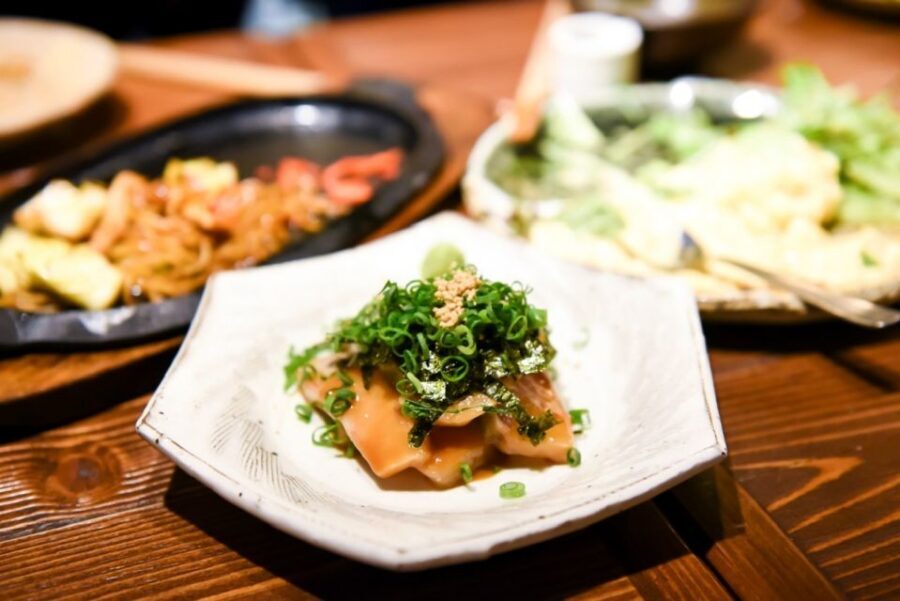
Even with the same menu, guides make or break a food tour. And this one has strong guide feedback patterns: people praise English explanations, humor, and the ability to connect food to history and Japanese life.
You’ll see names like Motoko, Josh, Ryan, Satoshi-san, and Anne highlighted in customer feedback. The common thread is that the guide doesn’t just name dishes. They help you understand why the dish exists, where it fits in Japanese eating culture, and how to order with confidence next time.
That’s the value I’d want you to consider. Food tours can be about quantity. This one is about understanding and atmosphere, with food as the vehicle.
Should You Book the Tokyo Allstar Food Tour?
Book it if you want:
- a first-night Tokyo introduction that mixes Ginza and Yurakucho in one evening
- izakaya culture and food customs explained in a way that helps you order and enjoy
- multiple tastings plus 2 drinks and dessert
- a small group experience (10 max), so you can ask questions without feeling lost
Skip it or think twice if:
- you strongly prefer self-paced exploration without scheduled stops
- you hate walking at night
- you need hotel pickup and you don’t want to manage transit to Ginza Wako yourself
If you’re the sweet spot traveler—new to Tokyo, curious about how food and culture connect, and happy to walk—this tour is a smart way to start your trip with confidence and full taste buds.
FAQ
Where is the meeting point for the Tokyo Allstar Food Tour?
You meet in front of the Ginza Wako Building, about a minute’s walk from Ginza Station.
How long is the tour, and is it a small group?
The tour lasts 3 hours, and it’s limited to a small group of up to 10 participants.
What’s included in the price?
The tour includes a variety of dishes at multiple food stops, 2 drinks, unique desserts and snacks, and a local English-speaking guide.
Are dietary options available?
Yes, the tour notes that dietary options are available.
Does the tour include hotel pickup or transportation?
No. Hotel pick-up is not included, and transportation costs are also not included.
What documents do I need?
A copy of your passport information is required for all participants aged 10 and over.