REVIEW · TOKYO
Tokyo: Mount Fuji Private Tour with Scenic Lunch Experience
Book on GetYourGuide →Operated by Travel On Peaks · Bookable on GetYourGuide
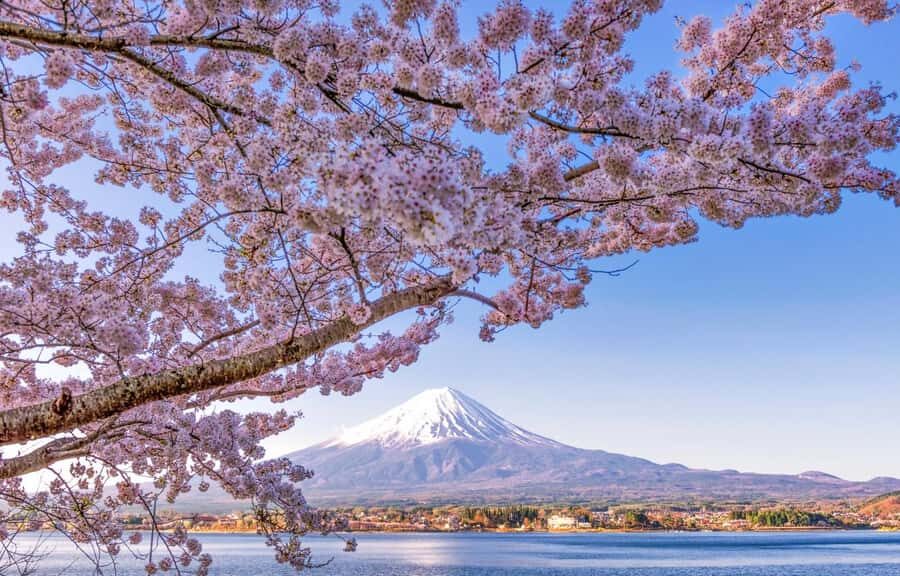
Fuji from Tokyo, minus the tour crush. This private 10-hour day mixes classic photo stops with quieter nature breaks, guided in English, with hotel pickup and a van that keeps you comfortable while you chase the best views.
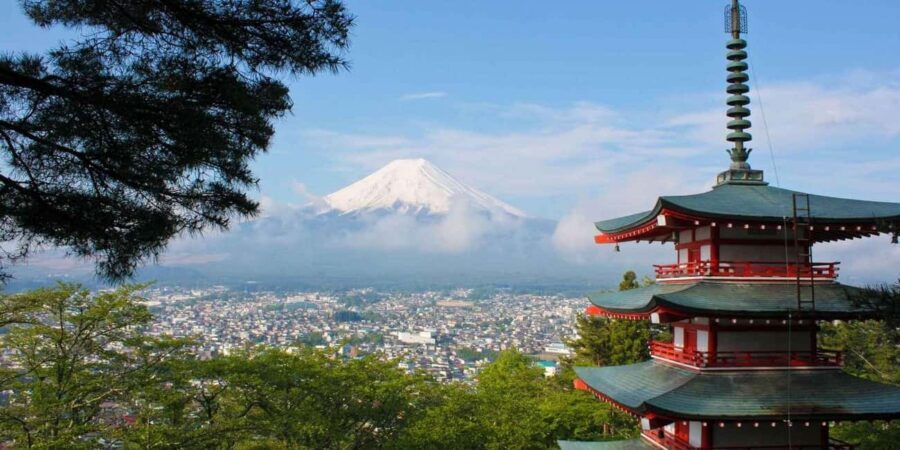
I especially like two things: the scenic lunch in the countryside (served at a spot with Mount Fuji in the frame), and the chance to slow down at viewpoints like Arakura Fuji Sengen Shrine & Pagoda where you get room to take photos.
One thing to consider is the usual Fuji reality: if weather is poor, views can be limited, and the schedule still includes walking and some stair climbs at popular viewpoints.
In This Review
- Key things I’d watch for
- The private-van rhythm: how this 10-hour Fuji day stays manageable
- Iyashi no Sato Healing Village: artisan calm before the big scenery
- Mt. Fuji 5th Station: altitude photos and the real-world souvenir zone
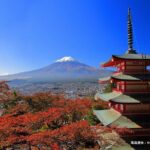
- Chureito Pagoda and Arakura Fuji Sengen Shrine & Pagoda: two ways to get the postcard shot
- Lake Kawaguchi and Saiko Lake: two different Fuji-over-water moods
- Oshino Hakkai and Kitaguchi-hongu Fuji Sengen Shrine: culture at the base of Fuji
- Yamanakako and the hot spring: the break you’ll actually feel later
- Hakone and Lake Ashi: quick photo moments, not a second full tour
- The scenic countryside lunch: where the value really shows up
- What flexibility means in real life: breaks, photo help, and pacing
- Price and value: is $330 per group up to 6 worth it?
- Who this tour suits best
- Should you book Travel On Peaks for your Mt. Fuji day?
- FAQ
- How many people are in a private group?
- Where do you get picked up in Tokyo?
- What’s the total duration of the tour?
- What are the main stops included on the tour?
- Is lunch included, and does it have Mount Fuji views?
- Do you have an English-speaking guide?
- Is there a ticket line skip?
- Should I bring cash?
Key things I’d watch for
- Private van for up to 6 with hotel pickup in Tokyo and onboard Wi‑Fi plus bottled water
- Scenic lunch with Fuji views, either at a countryside restaurant or a family-run farmhouse setting with seasonal dishes
- Arakura Fuji Sengen Shrine & Pagoda for a high-impact viewpoint that’s easier to enjoy than the busiest postcard spots
- Saiko Lake and Bat Cave for a more foresty, nature feel between shrine and lake scenery
- Photography help from your guide, including getting you to the best angles fast
- Flexible timing, so you can adjust for shopping, extra breaks, or personal interests
The private-van rhythm: how this 10-hour Fuji day stays manageable
This tour is built around one big advantage: you’re not squeezed into a loud bus schedule. You get hotel pickup and drop-off within Tokyo 23 wards, then a car/van with Wi‑Fi and bottled water that helps the day feel like a smooth road trip rather than a battlefield of waiting lines.
The timing is designed for sightseeing with breathing room. Most stops are about an hour, with shorter breaks at shrines or scenic stops where you can step out, take photos, and get back in. You also get break flexibility, which matters because Fuji days can get slow from traffic and crowds.
The guide is part of that pacing. You’ll have a private English-speaking guide, plus photography assistance for the moments when the view is perfect and you’re juggling phone/camera + posture + timing. That sounds small until you’re standing where everyone wants to shoot the same angle.
You can also read our reviews of more private tours in Tokyo


Iyashi no Sato Healing Village: artisan calm before the big scenery
I like starting here because it changes the mood. Iyashi no Sato (Healing Village) is a restored thatched-roof hamlet where you can wander and watch artisan-style workshops. It’s the kind of stop where you stop thinking in checkboxes and start noticing details—wood, textures, and the way the village layout frames the broader Fuji countryside.
It also gives you a practical advantage: a gentler start. You’re not immediately climbing stairs or racing to a viewpoint. Instead, you get a quieter cultural warm-up that’s a nice contrast to the more intense scenic stops later.
If you’re traveling with people who don’t want nonstop walking, this village stop is often a good trade: you can move at a comfortable pace and still feel like you’re experiencing something local.
Mt. Fuji 5th Station: altitude photos and the real-world souvenir zone
At Mount Fuji 5th Station, you’ll get both a photo stop and time to visit (about an hour total). This is where the day snaps into the classic Fuji experience—high elevation, big sky, and that very specific feeling of standing near something huge.
You’ll also find the station area has shops and places to look around. In other words: it’s scenic, but it’s also practical if you want postcards, snacks, or small gifts.
A quick consideration: this stop is great for photos, but it can be windy and cool depending on season. Wear layers and plan for quick outfit changes if your body temperature swings between the van and the viewpoint.
Chureito Pagoda and Arakura Fuji Sengen Shrine & Pagoda: two ways to get the postcard shot
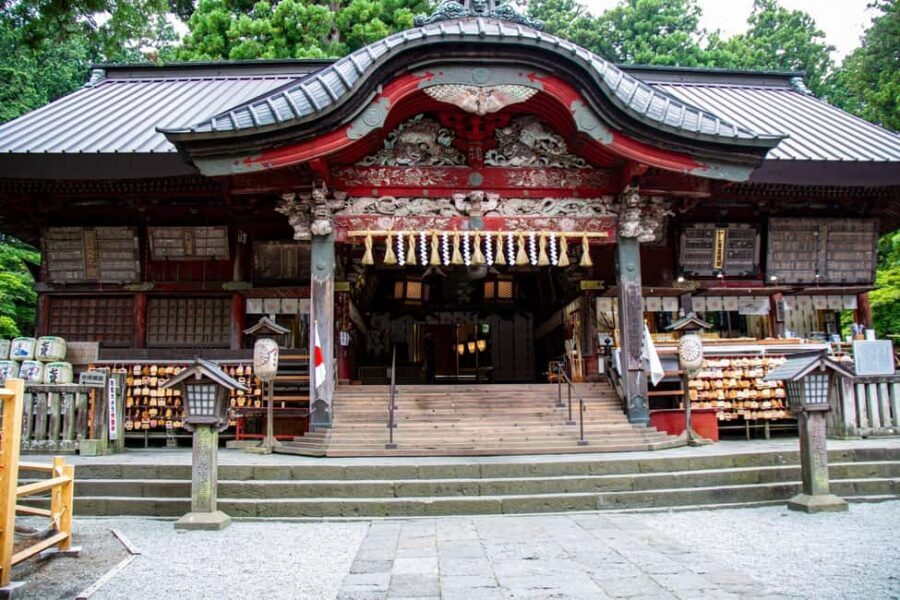
This tour plays two different pagoda/viewpoint styles.
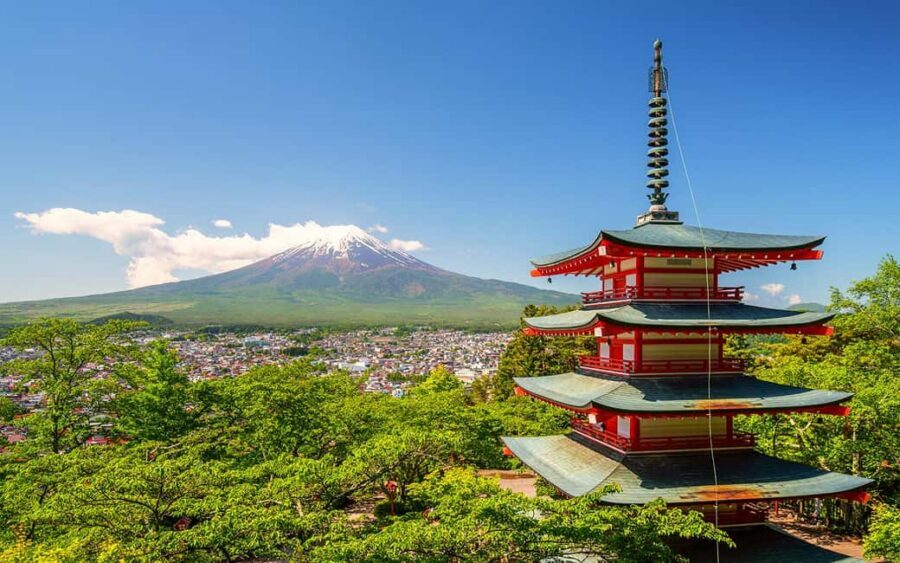
First is Chureito Pagoda, a well-known photo stop (about an hour for photos and visiting). It’s famous for a reason. You’ll get that instantly recognizable composition, but it comes with the tradeoff that many people underestimate: stairs. One guide tip you can take seriously from real experience—bring cash for small, on-site add-ons like gacha if you’re interested, and manage stamina because it’s stair-heavy.
Then there’s Arakura Fuji Sengen Shrine & Pagoda, and this one is about the experience quality. The viewpoint here is often easier to enjoy than the busiest main spots, and you get breathtaking views with enough space to take your time. This is the kind of stop where your guide’s timing matters: get there when the light is good, and you can actually enjoy the view instead of just recording it.
If Fuji is shy that day, these two stops are still worth it because you’ll see the shrine grounds, the pagoda architecture, and the way the scenery opens and closes as you move. It’s not all or nothing.
Lake Kawaguchi and Saiko Lake: two different Fuji-over-water moods
You’ll see Fuji reflected over water in at least two settings, and the mood is different at each one.
At Lake Kawaguchi, you’ll stop for photos and visit time (about an hour). This is where your lunch experience often ties in. Your scenic lunch location may overlook Lake Kawaguchi with Mount Fuji in the background, which is one of those rare sightseeing moments that feels like a reward instead of a break in the schedule.
Then comes Saiko Lake and the Bat Cave area (photo stop + visit time, about an hour). This section feels more like nature exploration than postcard chasing. The cave stop adds variety, and the surrounding forest setting makes the whole area feel quieter and more “walk-around” friendly than some of the more commercial viewpoints.
Practical note: plan for uneven ground and paths. Even if you’re not doing a full hike, you’ll want comfortable shoes that handle changing terrain.
A few more Tokyo tours and experiences worth a look


Oshino Hakkai and Kitaguchi-hongu Fuji Sengen Shrine: culture at the base of Fuji
Between lakes and hot spring time, you’ll get two stops that add texture to the day.
Oshino Hakkai is a scenic area known for water features and a classic Fuji-adjacent atmosphere. You’ll have about half an hour here—enough time to walk, look around, and catch the feel of the area without turning it into an all-day event.
Next is Kitaguchi-hongu Fuji Sengen Shrine, a much quieter change of pace (about 30 minutes including a break/photo time). This shrine has deep age—about 1,900 years old—and it sits at the base of Mount Fuji. That combination matters: it makes the Fuji story feel bigger than scenery. It’s a lived cultural site, not just a photo backdrop.
One of the best ways to enjoy these stops is to treat them like a reset. Take a little slower walk, read a bit if you can, and enjoy the fact that your guide can point out details you might otherwise miss.
Yamanakako and the hot spring: the break you’ll actually feel later
After the shrine and lake stops, the schedule gives you a genuine decompression moment with Yamanakako (about an hour) and then an included hot spring stop with a guided tour plus free time (about two hours total).
This is where I’d recommend you be smart: don’t cram in extra shopping right before the hot spring. Use the free time to relax, get warm, and let the day’s walking catch up to you in a good way.
Because it’s a hot spring stop with guided orientation, it tends to reduce stress. You’ll know what’s going on and can focus on the simple part: soaking, resting, and letting the scenery fade into the background for a while.
Hakone and Lake Ashi: quick photo moments, not a second full tour
The day ends with Hakone and Lake Ashi photo stops (about an hour each, with a one-hour visit block for Hakone and a photo stop/visit for Lake Ashi). This portion gives you variety without forcing you into a full second itinerary.
Lake Ashi is a great closer because it feels like open scenery. If you’re thinking, I want Fuji, but I also want a taste of Hakone style views, this is a helpful match.
The key is to remember this is still a ten-hour day. You’ll appreciate the late-stage stops more if you’re not exhausted. That’s another reason the hot spring matters: it helps you arrive at the end of the day with enough energy to enjoy photos instead of just surviving them.
The scenic countryside lunch: where the value really shows up
The lunch is the centerpiece of this experience, not just a scheduled meal.
You’ll eat at a scenic countryside lunch spot where the point is the view. Depending on the day, your meal may be at a hidden restaurant overlooking Lake Kawaguchi with Mount Fuji in the background, or at a family-run farmhouse eatery serving seasonal Japanese dishes with garden views.
Either way, the value is the same: you get to stop, eat something local, and watch Fuji for a few minutes without rushing. That’s the difference between a checklist tour and a day you remember.
If you’re the type who plans your trip around food, this is one of the strongest reasons to book. The lunch is built to be an experience, not just fuel.
A practical tip: bring some cash in yen. Some countryside shops and restaurants may not accept credit cards, and having yen on hand saves time and stress.
What flexibility means in real life: breaks, photo help, and pacing
This is a private tour, and the big practical benefit is that your route can adjust to you. You get a customizable itinerary and flexible timing for breaks and shopping. If you want extra time at a viewpoint because the light is perfect, your guide can usually work with you.
That flexibility also shows up in how the day is paced. Your guide will help with photography at the best spots, including guiding where to stand and when to shoot. In real terms, this means you’re more likely to leave with photos you like, not just blurry attempts.
One more thing: walking and steps are part of the package. Even if the day feels “easy,” some stops involve stair climbs or uneven paths. Wear shoes you can move in, and don’t plan on using a stiff pair of fashion sneakers for a Fuji stair day.
Finally, there’s a behavior rule: alcohol and drugs aren’t allowed. It’s a sensible guideline that helps keep the day comfortable for everyone.
Price and value: is $330 per group up to 6 worth it?
At $330 per group up to 6, this tour is priced like a true private day, not a shared bus option. The value is in what’s included:
- Private English-speaking guide
- Hotel pickup and drop-off in Tokyo 23 wards
- Private vehicle (with Wi‑Fi and bottled water)
- Parking fees, tolls, and fuel included
- Skip the ticket line
- Several major sites plus the scenic lunch with Fuji views
If you’re traveling with a small group, the math improves quickly: the private vehicle + guide cost gets split among your party. If you’re solo or a couple, it can still be a good use of money if you care about convenience, less waiting, and control over pacing.
The other value is quality control. Guides like Ali, Sarfy, and Rana are mentioned in the available feedback, and the consistent theme is that the best days happen when the guide times stops well and adapts to your needs—especially if weather shifts.
The one caution: English ability can vary by guide. The tour is described as English-speaking, but if language clarity is crucial for you, it’s smart to ask what to expect when you book.
Who this tour suits best
This tour fits best if you want Fuji scenery with less stress and more personalization.
- Small groups of up to 6 who want a private day instead of crowd navigation
- First-timers who want the big-name highlights—5th Station, pagodas, lakes—without feeling rushed
- Families or multi-generation groups that benefit from a guide adjusting the pace to your situation
- Food lovers who care about eating somewhere with a view
- People who want nature variety too, not just shrines and lookout points, thanks to Saiko Lake and the Bat Cave area
If you want a strict, bus-style itinerary with zero flexibility, this might feel too adjustable. But if you want your day to match your comfort level, it’s the right kind of private outing.
Should you book Travel On Peaks for your Mt. Fuji day?
I’d book this if you have one priority: getting a Fuji-view lunch plus real time at viewpoints with help from a guide, not just hopping from place to place. The mix of Iyashi no Sato, shrine-and-pagoda viewpoints, lake scenery, and a hot spring break makes the day feel like more than “just Fuji.”
Book with extra confidence if:
- You can be flexible about the weather and accept that Fuji might vary by day
- You want the photography help and a guide who can adjust stops to your pace
- You’re okay with some stair walking and uneven paths
If you’re very sensitive about language clarity, send a note when booking and confirm your guide’s English comfort level. That’s the main factor that can change your experience.
If you want my simple rule: when you’re spending a full day outside Tokyo, the lunch and pacing should be worth it. This one is designed so that, even on a long day, you end up with more than photos—you end up with moments.
FAQ
How many people are in a private group?
The tour is a private group, up to 6 people per group.
Where do you get picked up in Tokyo?
Pickup is available from your hotel or accommodation in Tokyo 23 wards. You’ll provide your pickup details when booking.
What’s the total duration of the tour?
The tour runs for about 10 hours.
What are the main stops included on the tour?
Included visits cover places such as Iyashi no Sato Healing Village, Arakura Fuji Sengen Shrine & Pagoda, Saiko Lake and Bat Cave, Lake Kawaguchi, Oshino Hakkai, Kitaguchi-hongu Fuji Sengen Shrine, Yamanakako, a hot spring stop, plus photo stops at Hakone and Lake Ashi. Mount Fuji 5th Station and Chureito Pagoda are also part of the experience.
Is lunch included, and does it have Mount Fuji views?
Yes. Lunch is included and is described as a scenic countryside meal with Mount Fuji views. It may be at a hidden restaurant overlooking Lake Kawaguchi or at a family-run farmhouse eatery serving seasonal dishes with garden views.
Do you have an English-speaking guide?
Yes. The tour includes a private live guide and lists English-speaking service (English and Japanese).
Is there a ticket line skip?
The tour indicates you can skip the ticket line.
Should I bring cash?
Yes. You’re advised to bring some cash (yen) because not all countryside shops or restaurants accept credit cards.
![Departing from Takayama [Regular sightseeing bus] World Heritage Sites Shirakawago and Gokayama Ainokura - Stop 1: Ainokura Gassho Community in Gokayama (A Quieter First Impression)](https://images.thejapantraveler.com/wp-content/uploads/departing-from-takayama-regular-sightseeing-bus-world-heritage-sites-shirakawago-and-gokayama-ainokura.jpg)