REVIEW · TOKYO
TOKYO , No1 Yokozuna Stable Morning Practice in Ryogoku
Book on Viator →Operated by Sakura Concierge · Bookable on Viator
Sumo begins before most Tokyo wakes. This Yokozuna stable morning practice in Ryogoku is a rare chance to watch the real work up close, then connect it to shrine rituals and sumo landmarks.
I love the close-up training—you’re watching quietly and respectfully as wrestlers go through Shinto-rooted practice, and the group stays small. I also like the added context from guides such as Rothko and Ryoko, who make the rules and traditions feel easy to understand.
One thing to consider: the pace is brisk. The Sumida Hokusai Museum stop is short and its ¥400 admission isn’t included, and the 7:45 a.m. start can be rough if you’re not an early riser.
In This Review
- Key points to know before you go
- Why Ryogoku’s Yokozuna morning practice feels different
- Getting there: Ryogoku Station and the 7:45 meet-up
- The stable training: quiet respect, close views, and real rhythm
- Nominosukune Shrine: sumo’s deity and Yokozuna memorial stones
- Ryogoku Kokugikan and the sumo arena vibe
- Sumo Museum timing: free, short, and sometimes limited
- Sumida Hokusai Museum: Edo art in a short window (¥400 extra)
- Ryogoku Edo Noren: Edo-style food in an old station setting
- Price and value: is $110 reasonable?
- Who this tour suits best (and who may want a different option)
- Should you book this Yokozuna stable morning practice tour?
- FAQ
- What time does the tour start?
- Where do I meet the guide?
- How long is the experience?
- Is the ticket mobile?
- What does the price include, and what costs extra?
- How big is the group?
- Is it okay if I’m unsure about going last-minute?
Key points to know before you go
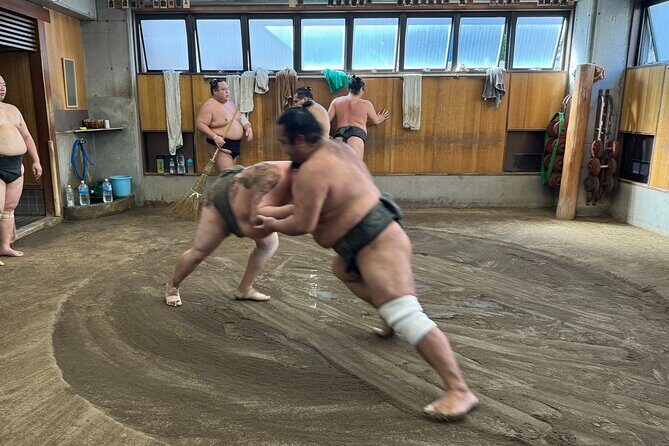
- Yokozuna-led stable morning practice with up-close viewing for about 1.5 hours
- Meet at Ryōgoku Station at 7:45 a.m. near the 7-Eleven by the West Exit
- Quiet-watching etiquette based on Shinto tradition—this is not a shout-and-take-over type of experience
- Nominosukune Shrine with a sumo deity focus and stone monuments tied to past Yokozuna
- Sumida Hokusai Museum is quick (and ¥400 admission is not included)
- Small group (max 14) plus a small gift from the stable
Why Ryogoku’s Yokozuna morning practice feels different
If you’ve ever wanted sumo to feel less like TV and more like a real craft, this is the right kind of morning. You’re heading to a prestigious stable in Ryogoku, where training is tied to older traditions and where only a small number of Yokozuna have ever risen—so when a Yokozuna leads the stable, the setting feels especially meaningful.
I also like that the experience doesn’t stop at the stable. You’re guided through the Ryogoku area so you can connect what you saw—training discipline, ritual, respect—to the places sumo is tied to: shrines, the Kokugikan arena area, and Edo-era culture.
The tour also keeps the group size small (up to 14), which matters for the viewing experience and for hearing what your guide is explaining.
A few more Tokyo tours and experiences worth a look

Getting there: Ryogoku Station and the 7:45 meet-up
You start at 7:45 a.m. at Ryōgoku Station, and the meeting spot is clear: exit at the West Exit and meet in front of the 7-Eleven. The instruction to be punctual is not just etiquette fluff—because the stable practice runs on schedule, being late can compress (or even cut) what you get to see.
This is also one of those tours where arriving early can pay off. If you walk in a little ahead of time, you can get your bearings near JR Ryōgoku Station before the guide herds everyone over to the stable.
The tour uses a mobile ticket, which makes day-of logistics easier. You still want your phone charged, since the ticket is your main proof.
The stable training: quiet respect, close views, and real rhythm
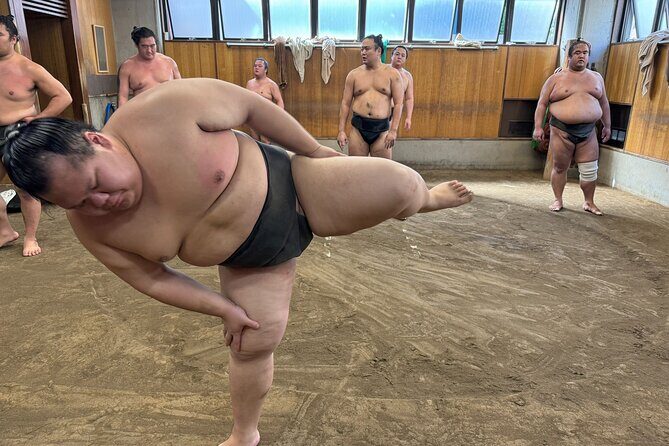
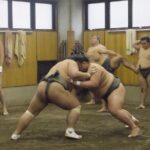
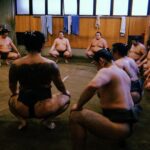
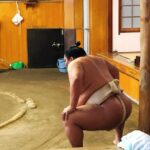
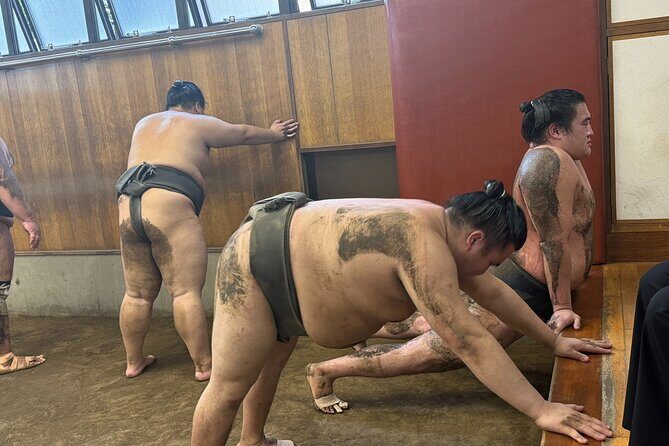
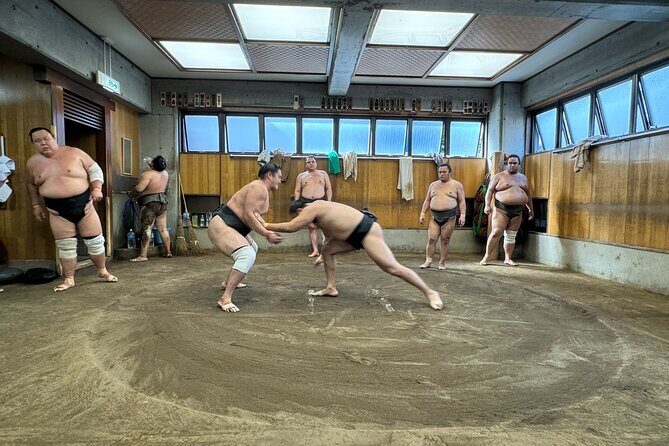
The heart of this tour is the stable practice. You’ll spend about 1.5 hours observing wrestlers as they train, in a setting guided by Shinto tradition. That means the vibe is focused and respectful. Instead of a loud “look at me” atmosphere, you’re there to watch and learn, quietly.
You get the kind of proximity that changes how you understand sumo. When athletes are just a few feet away, you notice details you’d never catch from far seats—stance, intensity, timing, and the physical precision of practice.
Photography is possible in some situations. The format here is that you may get the chance to take photos with a wrestler if luck and timing line up, but it’s not something you can bank on every time. The safe mindset: enjoy the viewing first, and treat photos as a bonus.
And yes, you may see your guide using simple background handouts (the kind that gets passed around so everyone can follow along). That helps if you don’t know the terminology—your guide can translate what you’re seeing into plain context.
Nominosukune Shrine: sumo’s deity and Yokozuna memorial stones
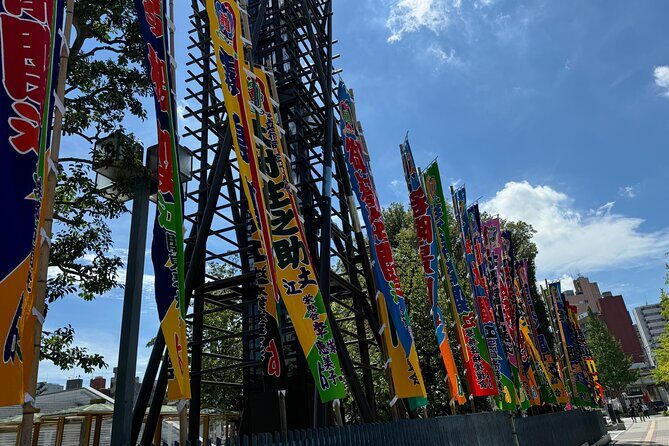
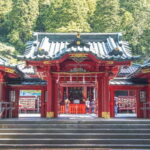
After training, the tour shifts from athletic work to spiritual context with a stop at Nominosukune Shrine. This shrine is dedicated to the god of sumo, so it fits naturally after watching the wrestlers practice.
You also get to see stone monuments of past Yokozuna within the shrine grounds. That’s a grounding detail—sumo isn’t just a sport, it’s treated like a lineage and a tradition with memory.
One neat tradition your guide is likely to point out: when a Yokozuna is newly promoted, there’s a ritual connected to entering the ring for the first time. Even if you just catch the idea briefly, it helps you understand why ceremonies and symbols show up alongside training.
This is the stop where the tour feels less like sightseeing and more like a guided story about why people treat sumo with such seriousness.
Ryogoku Kokugikan and the sumo arena vibe
Then you swing by Ryogoku Kokugikan, Tokyo’s famous sumo arena. The tour doesn’t push you into ticket buying here—it’s more of a “see the place, feel the context” moment.
The arena holds Grand Sumo Tournament three times a year, and even if you’re not there during a tournament, walking past (or near) the arena area gives you a mental picture of what you’ll see in season. It’s a good way to connect training you just watched to the bigger public stage that sumo has.
There’s also a quick chance to stop at related viewing points and walk the surrounding area at a respectful pace—enough to orient you without turning your morning into a long urban hike.




Sumo Museum timing: free, short, and sometimes limited
You may also have time for the Sumo Museum. It’s listed as free, but there’s one timing note to know: it can be closed on weekends. So if you’re booking for a Saturday or Sunday, don’t assume you’ll get this stop.
If you do go, treat it as a quick context booster. It’s an opportunity to fill in what you just saw at the stable and connect it to how sumo is documented and taught.
The tour schedule is tight, so even when the museum is open, the visit is brief. That can be a drawback if you love reading every detail—but it’s also why this tour stays focused instead of turning into a half-day museum marathon.
Sumida Hokusai Museum: Edo art in a short window (¥400 extra)
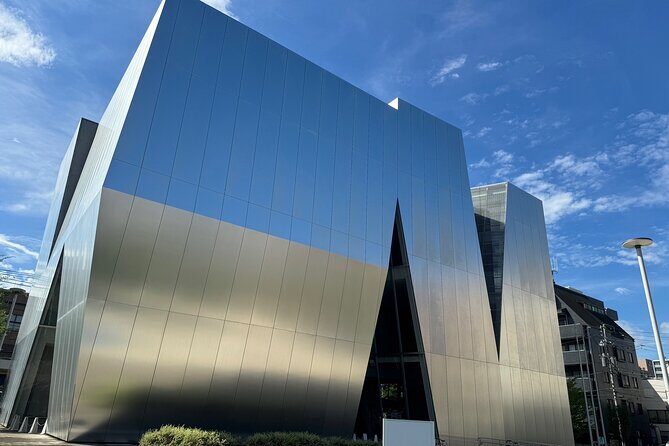
One of the most interesting diversions here is the stop at the Sumida Hokusai Museum for Edo-period art by Katsushika Hokusai. The museum time is short—about 5 minutes in the flow of the tour—so think of it as a quick taste rather than a full gallery visit.
Admission is not included, listed at ¥400 JPY. If you want to spend extra time reading and looking, you’ll probably need to slow down on your own outside the tour window, because the guided portion won’t allow much wandering.
What makes the stop feel connected (not random) is the location story. Hokusai was born in Honjo-Wari-Gesui (today’s Kamezawa area in Sumida Ward) and spent almost his entire 90-year life in Sumida. That’s a small detail, but it helps the museum feel rooted in place rather than like a generic art stop.
Ryogoku Edo Noren: Edo-style food in an old station setting
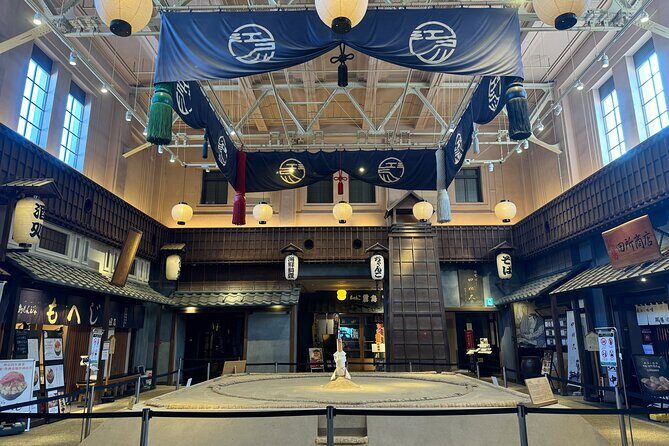
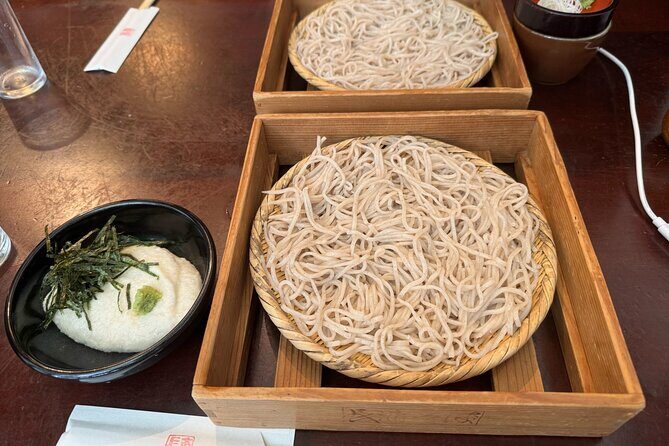
To close the loop, the tour includes a visit to Ryogoku Edo Noren, described as an Edo-style space that connects modern deliciousness with culture in an old Ryogoku Station building. The time here is about 10 minutes, which means you’re likely sampling more than completing a full meal.
Lunch and beverages aren’t included, so treat this stop as an opportunity to grab snacks or a light bite if it fits your plan. If you want a full lunch after the tour, you’ll have to do that on your own, but Edo Noren is a practical place to start—especially because it’s already part of the experience flow.
If you’re traveling with a big hunger, I’d plan for food right after the tour ends. The morning starts early, the stable is active, and the day will likely feel like it has earned that reward.
Price and value: is $110 reasonable?
At $110 per person, you’re paying for a very specific access point: a morning practice at a sumo stable (with the admission fee included) plus a small gift from the stable. You’re also paying for guide time and the structured route connecting the stable to nearby sumo and cultural stops.
Transportation fees, lunch, and beverages are not included, and the Hokusai Museum admission is extra (¥400 JPY). Tips aren’t included either, though gratuities are welcome for excellent service.
So the value depends on what you want most:
- If you want genuine morning stable access plus local context, the included stable admission is a big part of what you’re paying for.
- If you mainly want the art museum and shrine sightseeing, this might feel pricier than a standard walking tour—because the stable portion is what justifies the cost.
One more practical note: this tour tends to book ahead. On average it’s booked about 18 days in advance, so if you have specific dates in August or September, you’ll want to lock it in earlier rather than later.
Who this tour suits best (and who may want a different option)
This is ideal if you like early mornings when they’re worth it. You should be comfortable with a 2.5-hour experience that moves efficiently and prioritizes one main highlight: the stable practice.
It’s also great if you care about respectful viewing and learning basics fast. The training is close, but the expectations are clear: watch quietly and with respect, and follow your guide’s cues.
It might be less ideal if you want lots of free time—especially for the art stop. The Hokusai museum segment is quick, and if you’re hoping for a long gallery session, you’ll probably want to do the museum again on your own later.
Should you book this Yokozuna stable morning practice tour?
I’d book it if you want sumo as a lived tradition, not just a performance you watch from a distance. The biggest reasons are simple: you see the training up close and you get a guided bridge from the stable to the shrine and the arena area.
If you’re sensitive to early start times or you need longer museum time, consider pairing this with a later, self-paced plan. You can treat the tour as the morning story and then spend your afternoon where you’d like more space to wander.
For the best odds of a smooth experience, arrive on time, keep your phone charged for the mobile ticket, and be ready to watch quietly in a place where the ritual matters.
FAQ
What time does the tour start?
The tour starts at 7:45 a.m.
Where do I meet the guide?
Meet the guide outside Ryōgoku Station at 1-chōme-3-20 Yokoami, near the 7-Eleven after exiting the West Exit.
How long is the experience?
It runs about 2 hours 30 minutes (approx.).
Is the ticket mobile?
Yes, the tour uses a mobile ticket.
What does the price include, and what costs extra?
Included: the sumo stable admission fee and a small gift from the sumo stable. Not included: transportation fees, lunch and beverages, Sumida Hokusai Museum admission (¥400 JPY), and gratuities.
How big is the group?
The maximum group size is 14 travelers.
Is it okay if I’m unsure about going last-minute?
You can cancel for a full refund up to 24 hours before the start time.