REVIEW · TOKYO
Tokyo Private Customizable Tour with a Local Guide
Book on GetYourGuide →Operated by Travels on peak · Bookable on GetYourGuide
Tokyo clicks when you go with a local. I like the private, customizable pace and the way guides bring stops to life with temple storytelling (names you may hear praised include Mukkarram, Shomo, and Yoshi). The trade-off is that it’s a full 10 hours with a lot of walking, and the busiest areas like Shibuya and Harajuku can feel crowded.
What makes this tour work well is the flow. You start on traditional streets and temples, move into viewpoints and major landmarks, then finish in the style-and-people-watching zones where Tokyo feels loud, fast, and very real.
If you’re hoping for a slow day with lots of downtime, this probably won’t match your rhythm. Also, double-check how tickets and admission are handled for Tokyo Skytree and how the accessibility details apply to your needs, since the description is a bit mixed.
In This Review
- Key highlights you’ll actually feel during the day
- Private, customizable pacing with an English guide
- Nakamise Street to Senso-ji: the day starts with meaning
- Tokyo Skytree viewpoints and the Imperial Palace outside stop
- Tsukiji Outer Market: snack time that fits a day tour
- Meiji Jingu Shrine and Harajuku: tradition plus trend
- Shibuya Scramble Crossing and the art of handling crowds
- Logistics that matter: walking, photos, and what to bring
- Price and value: $367 for up to 5 people, and what you’re really paying for
- Who should book this Tokyo private custom tour
- Should you book this tour or not?
- FAQ
- How long is the Tokyo private tour?
- What does the tour cost, and how many people can go?
- Where do you get picked up in Tokyo?
- Can the itinerary be customized?
- Is the guide available in English?
- Which main attractions are included on the route?
- Is Tokyo Skytree admission included?
- Is lunch included?
- Is the tour wheelchair accessible?
- What should I bring, and what isn’t allowed?
Key highlights you’ll actually feel during the day
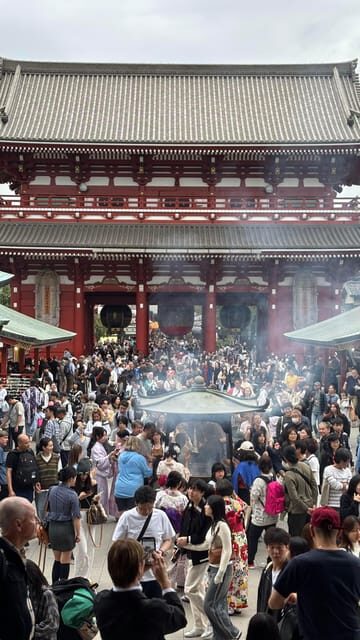
- Senso-ji + Nakamise Street: a guided start that turns a famous temple area into something you understand
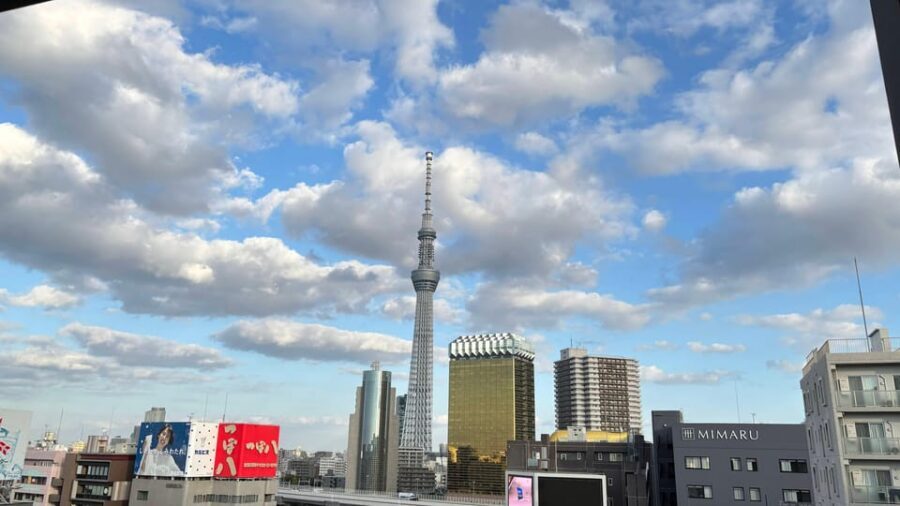
- Tokyo Skytree viewpoint: city-scale views that help you orient yourself fast
- Imperial Palace area photos: a short stop with big symbolism, without wasting half your day
- Tsukiji Outer Market timing: an easy way to add snack time without committing to a full lunch
- Harajuku cafes (including themed options): choose the vibe you want, from classic to quirky
- Shibuya Scramble Crossing: the iconic moment, managed with a guide keeping you on track
Private, customizable pacing with an English guide
This is a private group tour up to 5 people, which matters in Tokyo. You’re not stuck waiting for a big bus group, and you can steer the day toward what you care about: temples and shrines, skyline views, markets, shopping streets, or people-watching.
The best part is the guide presence. The descriptions and ratings focus on guides who explain clearly and stay patient with the group’s pace, including tailoring the day to interests instead of reading from a script. When you have an English-speaking guide/driver, you also save time figuring out transit quirks, station exits, and the simple logistics of where to stand for photos.
Two small notes to keep in mind. First, this is a “10-hour equals a lot of ground” kind of day. Second, even with a private setup, Tokyo crowds don’t care about your itinerary. The tour does a good job sequencing major sights, but you still need a plan for standing, walking, and waiting.
You can also read our reviews of more guided tours in Tokyo

Nakamise Street to Senso-ji: the day starts with meaning
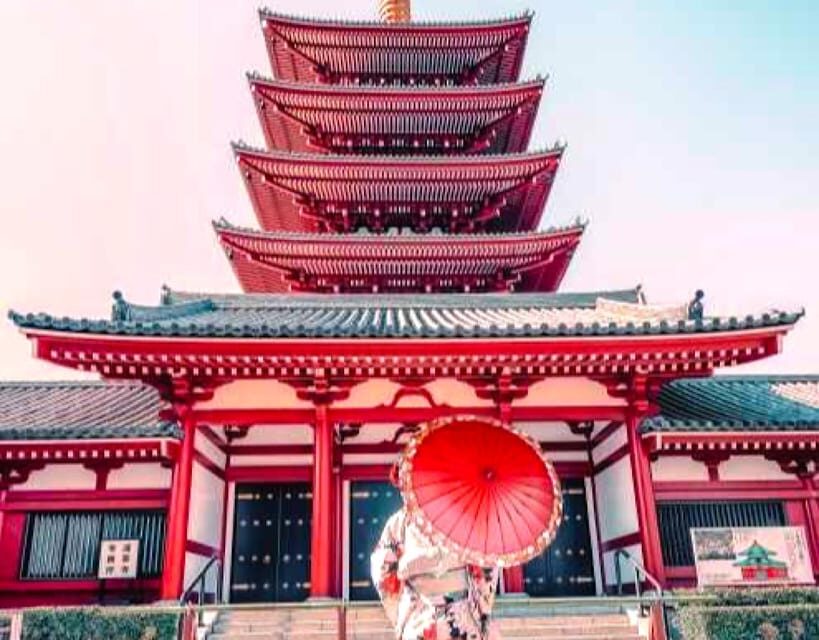
Most Tokyo tours treat Senso-ji as a quick photo stop. This one gives you a guided visit at Sensō-ji Temple, including time to take in the temple grounds and surrounding shrines.
The day kicks off on Nakamise Shopping Street, a classic stretch that runs alongside the temple approach. Expect a mix of souvenir shops and food vendors, with aromas from street snacks as you walk. That early setup is smart because it gets you into the local rhythm before you reach the main temple structures.
Why it’s valuable: Senso-ji is visually dramatic, but it lands better when you understand what you’re seeing. A good guide can connect the architecture and rituals to why the site matters, so the place feels less like a checklist and more like a living spiritual center.
Possible drawback: Nakamise and the temple approach can be crowded, especially when foot traffic is heavy. If you’re sensitive to crowds, go in with comfortable shoes and a patient mindset, and you’ll be fine.
Tokyo Skytree viewpoints and the Imperial Palace outside stop
After Senso-ji and Nakamise, the itinerary moves into two “big Tokyo” stops: Tokyo Skytree and the Imperial Palace area.
Skytree is for orientation. Even if you’ve never been to Tokyo, looking down from a high viewpoint helps you understand how districts relate to each other. You’ll get about an hour for sightseeing there. Also, you should plan on photo time, because once you’re up, you’ll want to grab a few angles before the view changes.
About admission: the details list Tokyo Skytree entry/admission as not included, yet other notes say Skytree admission is included. That mismatch is common in travel listings, and the fix is simple: confirm what’s covered at confirmation so you don’t get surprised at the counter.
Then comes the Imperial Palace stop, focused on exterior viewing and photos. This is a good approach for a day tour because you get the landmark without losing hours to deep research or extended museum time.
A consideration: the palace area can be a contrast to the earlier temple atmosphere. If you want a more hands-on or museum-heavy day, you may later wish you had a dedicated palace add-on. But for a 10-hour sampler, it’s a reasonable balance.
Tsukiji Outer Market: snack time that fits a day tour
A highlight you’ll appreciate is the stop at Tsukiji Outer Market. It’s not the same kind of experience as a formal sit-down meal. You’ll have time to wander and get a feel for the market’s energy, and it’s also a practical place to add quick bites without committing to a full lunch stop.
Even with a guide, markets are still a “move at your pace” environment. If you like food, this timing helps because you can snack when you’re hungry rather than forcing lunch into a fixed window.
One caution: market areas can be busy and narrow. Wear shoes that handle lots of standing and quick turns, because the flow is often tight.
Meiji Jingu Shrine and Harajuku: tradition plus trend
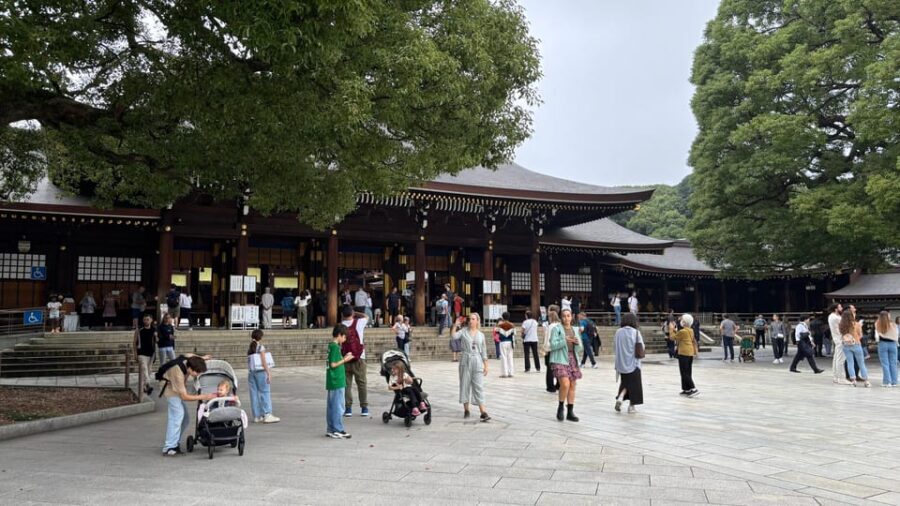
Tokyo does a neat trick when it moves from Meiji Jingu Shrine to Harajuku. You go from a shrine devoted to the divine souls of Emperor Meiji and Empress Shoken into one of Japan’s most famous fashion zones.
At Meiji Shrine, expect a calmer, more respectful rhythm. This stop works well in the schedule because your day has already covered high-energy areas (temples and shopping approaches). The shrine gives you a breather before the youth-culture energy of Harajuku.
Then you hit Takeshita Street in Harajuku for shopping time and browsing. Harajuku is also where the tour’s “customizable” part can get fun. The plan mentions visiting different kinds of cafes, including themed options like owl cafes and cat cafes. If you want quirky and Instagram-ready, that’s your window.
Why this pair is strong: it shows two different Tokyo personalities in one day. You don’t just see a shrine; you understand the contrast with the fashion hub that runs nearby—like the city is showing you both old rituals and modern identity at human scale.
Possible drawback: Harajuku can be crowded, and cafes can mean lines or limited seating. If themed cafes are a must, ask your guide how they want to handle timing so you’re not stuck waiting for long stretches.
You can also read our reviews of more private tours in Tokyo

Shibuya Scramble Crossing and the art of handling crowds
No Tokyo day tour feels complete without Shibuya Scramble Crossing. This itinerary keeps the crossing as a dedicated sightseeing moment, with a short window to take it in.
Here’s how to get the most out of it. Don’t try to sprint to the perfect angle at the last second. Instead, pick a spot, take a few photos, and watch the flow of people crossing from different directions. A guide’s value is partly in timing and positioning, and partly in keeping you moving so you don’t miss the next stop.
Then the day wraps back to Tokyo. If you’re doing this as a first visit, I like finishing near the places that feel most “Tokyo now,” because it leaves you with memories you can compare later when you explore on your own.
Crowd reality check: Shibuya is famous for a reason. If you’re easily overwhelmed, plan to take short breaths, drink water, and keep your camera strap secure. The best days still include small moments of patience.
Logistics that matter: walking, photos, and what to bring
This tour is built around walking and multiple neighborhoods. You’ll want to come prepared. The simple kit list is worth taking seriously: comfortable shoes, hat, camera, sunscreen, and water.
Photo rules are clear: no flash photography, and the description also notes no smoking. Those rules help keep temple and shrine spaces respectful, especially when you’re near other visitors.
Weather is the other big factor. Tokyo can be hot or humid, and long indoor-free walking time is common on this kind of route. Check the forecast and dress accordingly. Even a light layer helps when you move between sun, shade, and buildings.
Accessibility note: the information includes wheelchair accessibility, but it also lists the tour as not suitable for wheelchair users and people with mobility impairments. If that matters to you, don’t assume either way. Confirm specifics directly so you understand what “accessible” means for your route and walking time.
Price and value: $367 for up to 5 people, and what you’re really paying for
At $367 per group up to 5 people, the price isn’t about getting a lower cost per person. It’s about buying a smoother day.
You’re paying for:
- Private transportation with pickup and drop-off
- A dedicated English-speaking guide/driver
- A customizable route across major areas
- The ability to move as a group, not as a crowd
For families or two to three friends, this often becomes good value because you’re effectively combining transit help, guided interpretation, and time-saving routing. The market and landmark stops are also places where local guidance matters. For example, understanding what you’re seeing at Senso-ji and Meiji Jingu can turn a “pretty buildings” day into a “I get why this matters” day.
The one cost you should watch is attraction admission handling. The Skytree line is the tricky one due to the notes mismatch. It’s worth confirming what you’ll pay in advance and what’s already covered.
Who should book this Tokyo private custom tour
This is a strong fit if:
- You want a first-time Tokyo day that hits the major icons without feeling rushed
- You’d rather have context from a local guide than just pictures
- You’re traveling with up to 5 people and want shared logistics
It may not be your best match if:
- You need a very low-walking itinerary
- You’re sensitive to crowds and don’t like places like Shibuya and Harajuku
- You’re relying on accessibility accommodations and haven’t confirmed how the walking and stops work in your case
One more practical tip: pick your priorities before the day starts. If temples are your focus, you’ll want to linger when your guide suggests extra time. If fashion and cafes are the goal, tell them early so they can plan Harajuku timing with your energy level.
Should you book this tour or not?
If you want a well-structured, private Tokyo day that mixes landmark photos, market wandering, shrine context, and Harajuku fun, this is an easy yes. The guide focus stands out, with praise for organization, patience, and flexibility in tailoring the day to your pace, including named guides like Mukkarram, Shomo, and Yoshi.
Book it if you can handle walking and crowds for a full 10 hours. Before you go, confirm Skytree ticket coverage and double-check the accessibility details that apply to you, since the description gives mixed signals.
FAQ
How long is the Tokyo private tour?
It runs for 10 hours.
What does the tour cost, and how many people can go?
It costs $367 per group, up to 5 people.
Where do you get picked up in Tokyo?
Pickup is included, with meeting in the hotel lobby or picking up at a provided address in Tokyo.
Can the itinerary be customized?
Yes, the itinerary is customizable based on your preferences.
Is the guide available in English?
The tour is listed with an English-speaking driver/guide.
Which main attractions are included on the route?
The tour includes Sensō-ji Temple, Nakamise Shopping Street, Tokyo Skytree, the Imperial Palace (outside), Tsukiji Outer Market, Meiji Jingu Shrine, Takeshita Street, Shibuya Scramble Crossing, plus Harajuku cafe options.
Is Tokyo Skytree admission included?
The details list Tokyo Skytree entry/admission as not included, while other notes say Skytree admission is included. Confirm what you’ll need to pay when you book.
Is lunch included?
No, lunch is not included.
Is the tour wheelchair accessible?
The information includes wheelchair accessibility, but it also states it is not suitable for wheelchair users and people with mobility impairments. You should confirm details that match your needs.
What should I bring, and what isn’t allowed?
Bring comfortable shoes, a hat, a camera, sunscreen, and water. Smoking is not allowed, and flash photography is not allowed.