REVIEW · TOKYO
Tokyo: Shinjuku Chopstick Making Class
Book on GetYourGuide →Operated by Traveling Tokyo · Bookable on GetYourGuide
Chopsticks start as a block of wood. In this Tokyo: Shinjuku Chopstick Making Class, you carve and finish your own pair using traditional tools, guided by English-speaking artisans. I love the beginner-friendly pacing and the fact you leave with a take-home souvenir you’ll actually use or gift. The one catch: the wood you pick can feel more stubborn than expected, so go in with patience.
This is a simple, focused 1-hour workshop hidden above street level, at the 10th floor of the Shinjuku West Building (near 617 Bar and the post office). The meeting point is easy to find, and the class is designed to feel relaxing even when Shinjuku is loud below.
In This Review
- Quick takes from this Shinjuku chopstick class
- Shinjuku’s 10th-floor workshop: where the carving happens
- What your hour actually looks like (and why it feels soothing)
- 1) Check in and pick your wood
- 2) Carve the chopsticks with traditional tools
- 3) Smooth and refine the shape
- 4) Finish and wrap so you can take them home
- English-speaking instructors who actually help
- The wood choice and the optional engraving decision
- Included woods: you get two choices in the base price
- Engraving and personalization cost extra
- Is it good value at about $12 for an hour?
- Small room, friendly pace, easy to do in a group or solo
- Practical tips that make your chopsticks come out better
- Who this Shinjuku chopstick class is best for
- Should you book this chopstick class?
- FAQ
- How long is the Shinjuku chopstick making class?
- How much does the class cost?
- Where do I meet the class in Shinjuku?
- Is the instruction available in English?
- What’s included with the ticket?
- Is engraving included?
- Can I cancel and still get a refund?
Quick takes from this Shinjuku chopstick class
- Carve, smooth, and finish: you shape the chopsticks yourself, not just watch.
- Wood choice matters: two wood types are included; other wood options cost extra.
- English support all the way: instructors walk you through each step and help when you get stuck.
- Small-room feel: one review describes a setup with a handful of tables and seats, so you’re not lost in a crowd.
- Optional personalization: engraving is available for an extra fee, and staff handle the details.
- You can take something real home: you get wrapped chopsticks ready to use or give.
Shinjuku’s 10th-floor workshop: where the carving happens
Shinjuku is fast, bright, and crowded. This class gives you the opposite vibe: a quiet workshop space where your hands do the work and your brain finally slows down.
You meet at the 10th floor of the Shinjuku West Building. Use the elevator. It helps to know the building is close to 617 Bar and the post office. If you like pinning things down, the coordinates are 35.6959774, 139.6984349.
The good part for your schedule: it runs about 1 hour. That’s long enough to feel productive, but short enough to fit between big Tokyo plans without turning your day into a logistics project.
A few more Tokyo tours and experiences worth a look

What your hour actually looks like (and why it feels soothing)
This isn’t a performance. It’s a step-by-step making session, where you do the carving yourself under supervision. The class is built around traditional tools and Japanese techniques, which is exactly why it works as a relaxing activity rather than a gimmick.
Here’s the flow you can expect:
1) Check in and pick your wood
You’ll be given a choice of wood. The ticket includes two types of wood, and reviews note that upgraded or different woods may cost extra. The choice can affect how easy the carving feels, so I’d treat wood selection like part of your strategy, not an afterthought.
One review even hints at this directly: the included wood type can be more difficult depending on what you pick. If you want low-stress carving, ask the staff which option is easiest for beginners.
2) Carve the chopsticks with traditional tools
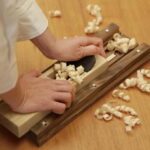
Once you have your wood, you start shaping. The tools are traditional and the technique is guided, so you’re not improvising. Staff support you while you work, which matters because chopstick making is one of those crafts where small mistakes compound quickly.
This is also where the class earns its high rating. Many reviews name instructors like Masa, Shu, Koji, Yuki, Mimi, and Fu, and the common theme is patience: they correct your grip and angle before you get frustrated.
3) Smooth and refine the shape
After carving, you move into smoothing the surface. This is where your chopsticks start to look finished instead of just cut-up wood. It’s also where the experience becomes noticeably more calming: steady sanding and small adjustments feel meditative compared to the initial shaping.





4) Finish and wrap so you can take them home
You finish your chopsticks and leave with them wrapped in a special way, ready to use or gift. Reviews emphasize that the final result looks good, and the fact you made the entire pair yourself is what makes the souvenir feel personal rather than store-bought.
English-speaking instructors who actually help
In Tokyo, plenty of activities are “English friendly.” This one is built around English-speaking staff and an instructor who guides you through the process.
What stands out across the reviews is not just friendliness, but hands-on coaching. People describe instructors who:
- slow down when you struggle
- answer questions as you go
- give encouragement so you keep going even if your first attempt is off
Names that come up again and again include Shu (clear, patient guidance), Koji (extremely patient, positive), and Mimi (supportive and careful step-by-step directions). Even when someone made mistakes, the instructor corrected them quickly and helped them reach the end.
If you’re traveling with kids, this kind of coaching is a big deal. One family review mentions an 8-year-old enjoying the class, which fits the “beginner friendly” promise.
The wood choice and the optional engraving decision
This class includes wood selection, but the details matter for your final satisfaction.
Included woods: you get two choices in the base price
The ticket includes two types of wood. Reviews also make it clear that there are additional wood options that cost extra. If you’re trying to keep your budget tight, stick to the included selection and put your money into the experience rather than upgrades.
Engraving and personalization cost extra
Personalization is available, but not always included. Multiple reviews mention an extra fee for engraving (for example, 2000 JPY for a name or engraving). Staff may also handle engraving for you after you make the base chopsticks.
So here’s the practical way to decide:
- If you want a simple craft souvenir: carve + finish with the included wood and skip engraving.
- If you want a lasting memory: plan on the extra cost and choose a name or message you’ll actually want to display later.
Is it good value at about $12 for an hour?
At around $12 per person for a 1-hour class, the value is strong because you’re taking home something that costs time, skill, and materials. You’re not paying for a passive activity where the output is generic.
The best way to judge this kind of workshop is output-to-input. You supply effort (carving and smoothing), and you receive a finished set of chopsticks plus wrapping. That’s a pretty direct exchange.
One reason people rate it so highly is that it doesn’t demand prior experience. When instructors like Masa and Koji are patient with beginners, you avoid the all-too-common outcome of spending money on something you can’t complete.
One caution for value: engraving and upgraded wood can add cost. If you’re doing this on a tight budget, decide in advance whether you want:
- included wood only
- plus engraving (extra fee)
- plus upgraded wood (extra fee)
That small planning step prevents budget surprises.
Small room, friendly pace, easy to do in a group or solo
This class seems designed for hands-on attention. One review describes the setup as a small room with several tables and limited seating. That usually means you can ask questions and get corrections without shouting over a big group.
The social side can also be positive. A few reviews mention chatting with other participants and feeling welcomed. If you’re solo, this is a good way to be around people without needing to be outgoing all day. If you’re with friends or family, the shared crafting gives you something to focus on together.
Timing-wise, because it’s only about an hour, I’d treat it like a quick reset during your Tokyo day. You leave with a souvenir and a story, without stealing half of your itinerary.
Practical tips that make your chopsticks come out better
Even with great instruction, chopstick making has a learning curve. Here are ways to stack the odds in your favor using what the reviews highlight.
- Pick the wood with beginner stress in mind. Included options can differ in difficulty, and some people struggle more with certain wood types. Ask the instructor if you’re unsure.
- Watch the tool angle early. Most issues in carving come from early shaping, so pay attention right away when staff correct your form.
- Take your time on smoothing. The most satisfying change often happens after the rough carving, when you refine the surface.
- If you want engraving, plan your message now. Don’t leave it until you’re tired. Decide what you want it to say so you can enjoy the final steps.
- Consider photo help. Some reviews mention instructors helping take pictures on request, which is useful if you want proof of your handmade chopsticks without turning the class into a selfie project.
Also, one review notes that participants were allowed to take the wood shavings, and that someone used them for bath fragrance or pot-pourri. That might not be for every group, but it’s worth asking politely if you care about taking that extra handmade piece home.
Who this Shinjuku chopstick class is best for
This is ideal if you want a hands-on cultural activity that doesn’t require special skills.
It fits especially well for:
- beginners who want guidance in English
- families with kids old enough to follow instructions and focus for about an hour
- couples or friends who want a shared project souvenir
- solo travelers who like making something real rather than collecting trinkets
If you’re the type who gets bored by sitting still, you’ll probably like this more than a museum stop. And if you want something calming after a busy day in Shinjuku, the slow, physical rhythm helps.
Should you book this chopstick class?
I’d book it if you want a practical souvenir with a clear process, led by patient English-speaking instructors. The combination of carving plus take-home results is the big win, and the class length makes it easy to slot into your Tokyo plan.
Skip or reconsider if:
- you know you dislike hands-on crafts
- you’re strongly budget-limited and don’t want any potential extras like upgraded wood or engraving
- you want a long cultural deep-dive session rather than a focused making workshop
If you’re unsure, treat this as a low-risk bet. You’re paying for an hour of guided making and a finished pair of chopsticks you’ll keep.
FAQ
How long is the Shinjuku chopstick making class?
It’s about 1 hour.
How much does the class cost?
The price is listed as $12 per person.
Where do I meet the class in Shinjuku?
Meet at the 10th floor of the Shinjuku West Building. Use the elevator. The building is close to 617 Bar and the post office.
Is the instruction available in English?
Yes. The staff/instructor are listed as English speaking.
What’s included with the ticket?
You’ll make your own chopsticks using traditional tools, choose from two types of wood included, and take your finished chopsticks home wrapped. Traditional tools and techniques are part of the class.
Is engraving included?
Engraving appears to be available for an extra fee, such as 2000 JPY mentioned in reviews.
Can I cancel and still get a refund?
Free cancellation is available up to 24 hours in advance for a full refund.