REVIEW · KYOTO
Traditional Japanese Music show & Experience Tour in Kyoto
Book on Viator →Operated by Harmony in Japan Tour · Bookable on Viator
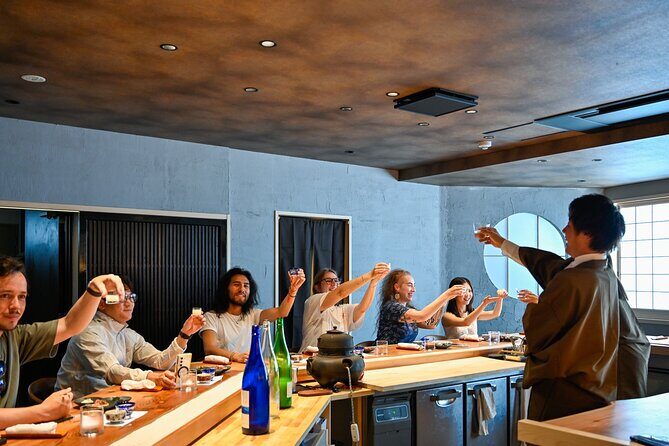
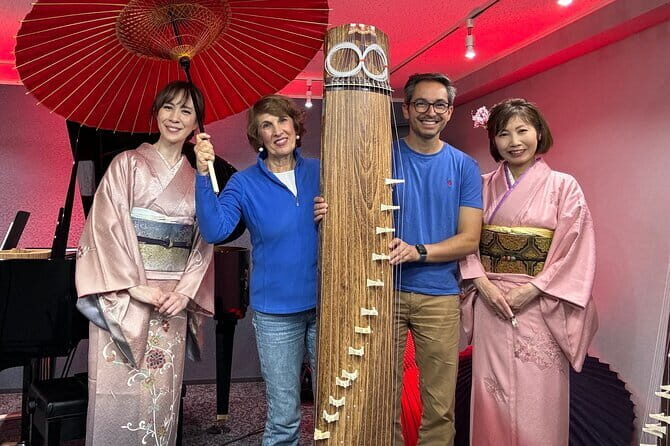
Kyoto music turns hands-on fast. This one-hour session pairs an authentic traditional concert with a guided instrument try-out, so you’re not just watching. I like that the group stays small, which keeps the experience personal and makes it easier to jump in when it’s your turn. You’ll also get a quick photo moment at the end, with the instruments and performers.
What I really liked is the hands-on instrument practice. You’ll get expert advice on how to play, and you can choose from several traditional instruments, including shamisen, koto, and wadaiko. A second big win for me is the pacing: you get a real performance first, then you switch gears and try it yourself.
One possible drawback to consider: it’s a short program, so think of this as learning the basics and feeling the instruments up close, not mastering full songs.
In This Review
- Key Moments That Make This Worth Your Time
- A One-Hour Kyoto Show: Concert, Try-It Session, Photos
- The Instruments You’ll Get to Try: Shamisen, Koto, Wadaiko and More
- Why the Small Group Format Feels Personal (and Why $46 Makes Sense)
- What Happens When: Breaking Down the 60 Minutes
- 25 minutes: the concert
- 25 minutes: try playing traditional instruments
- 10 minutes: photos with instruments and performers
- Where to Meet in Kyoto and How to Plan Around the 11:00 Start
- What You Learn Beyond the Music: Culture You Can Feel
- Who This Tour Is For (and Who Might Want Something Else)
- Should You Book This Traditional Japanese Music Experience in Kyoto?
- FAQ
- How long is the traditional Japanese music show and experience tour?
- What time does it start in Kyoto?
- Which days does it run?
- Is prior experience needed to play the instruments?
- What instruments can I try?
- Is transportation included and where is the meeting point?
Key Moments That Make This Worth Your Time
- A real concert first: 25 minutes of performance before you pick up the instruments
- Guided playing, no prior experience needed
- Small group limit (max 12) for easier attention and a more relaxed vibe
- You can try multiple instruments including shamisen, koto, and wadaiko
- A dedicated 10 minutes for photos with the instruments and performers
- Runs only on select weekdays at 11:00, so planning matters
A One-Hour Kyoto Show: Concert, Try-It Session, Photos
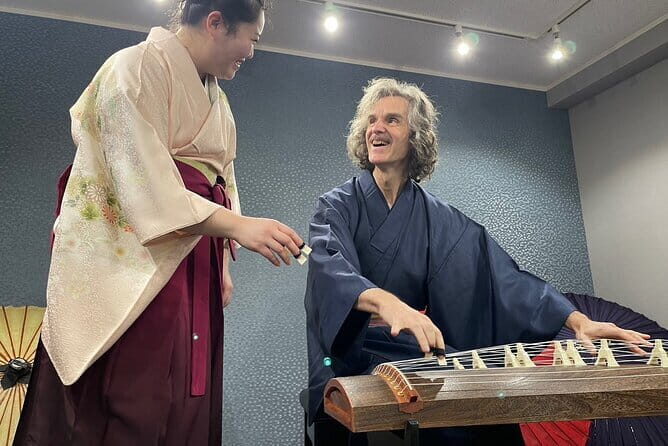
The schedule is simple, and that’s part of why it works. You start with 25 minutes of an authentic Japanese music concert, then move into 25 minutes of hands-on instrument playing. Finally, there’s 10 minutes for photos with the instruments and performers, and the activity wraps back at the meeting point.
Why the order matters: first you hear how the music should feel. You get a chance to notice how the performers create rhythm, tone, and emotion before you’re asked to reproduce any of it. Then, when it’s your turn, the experience clicks faster because you’re not learning in the dark.
The photo time is also practical. This is the moment for proof you actually participated, plus a way to remember details you might forget later, like how big (or oddly shaped) certain instruments feel in your hands. Your guide will likely keep things moving, so I’d treat this as a “get your shots done neatly” segment rather than a long photoshoot.
Comfort tip: wear shoes and clothing you can move in easily. Even if the playing is beginner-friendly, you’ll still be standing, holding, and shifting your attention between listening and trying.
A few more Kyoto tours and experiences worth a look
The Instruments You’ll Get to Try: Shamisen, Koto, Wadaiko and More
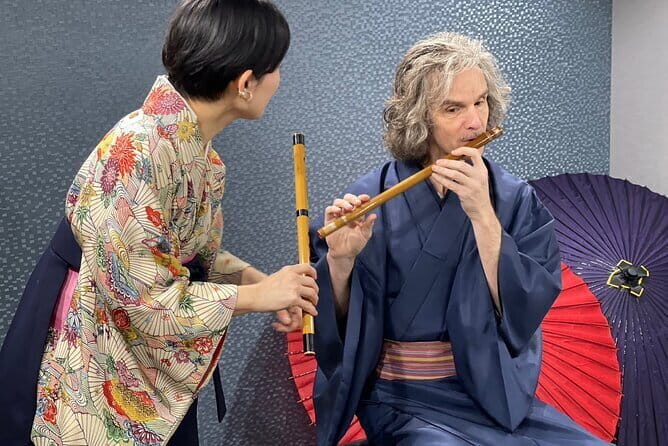
This experience is built around the idea that traditional music becomes easier to understand once you touch the tools. You’ll have the chance to experience multiple instruments, with shamisen (Japanese lute), koto (Japanese harp), and wadaiko (Japanese drums) listed among the options.
Even if you’ve never played anything before, you’re not expected to perform like a professional. The key is guidance. The format is designed so you can get expert advice while you try—so you don’t just leave with a vague memory of sound. You leave with a sense of how the instrument’s shape affects the sound and how technique changes the result.
Here’s what you should pay attention to during the concert part:
- how the performers control tone and timing
- how rhythm drives the piece, especially with drum-based energy
- how the string instruments differ in feel and response
Then, during the playing portion, focus on one thing at a time. If you try to do everything at once, it gets confusing quickly. Let your instructor’s cue set your pace. That’s also where the small group size helps, because it’s easier for staff to adjust their coaching for the people in front of them.
Based on the feedback this style of session generates, the most rewarding moments tend to happen when you realize you’re actually producing recognizable sounds. One review highlighted the cool factor of watching performers play, sing, and then having participants join in. That’s the sweet spot: listening, trying, and realizing you can contribute.
Why the Small Group Format Feels Personal (and Why $46 Makes Sense)
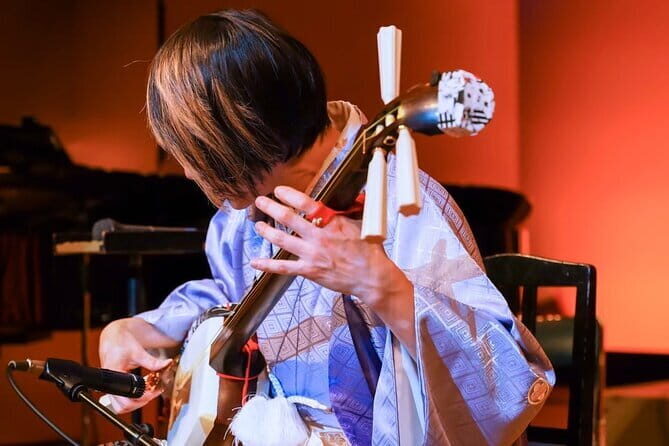
At $46.24 per person, this isn’t trying to be a long, museum-like cultural lecture. You’re paying for three practical things: live performance, guided hands-on practice, and a short photo window. For a one-hour experience, that’s a focused value proposition.
The maximum group size of 12 is the other reason it’s worth it. In a large theater, you can watch forever and still feel disconnected from how to play. In a small group, you can ask questions, get corrections, and actually participate without the moment getting swallowed by the crowd.
The other value lever here is that the concert and the try-it session are both included. You don’t have to buy separate activities or keep searching for a “beginner” instrument workshop after the fact. One review even pointed out the successful combination of a demonstration and your own playing experience, and noted the organizers’ patience when the performance didn’t sound perfect. That matters. It tells you this is designed for real people, not just confident musicians.
My practical takeaway: if you want Kyoto culture that’s more than scenery, this gives you a skill-adjacent experience you can talk about later. Even if you only learn the basics, you’ll have something physical to remember.
What Happens When: Breaking Down the 60 Minutes
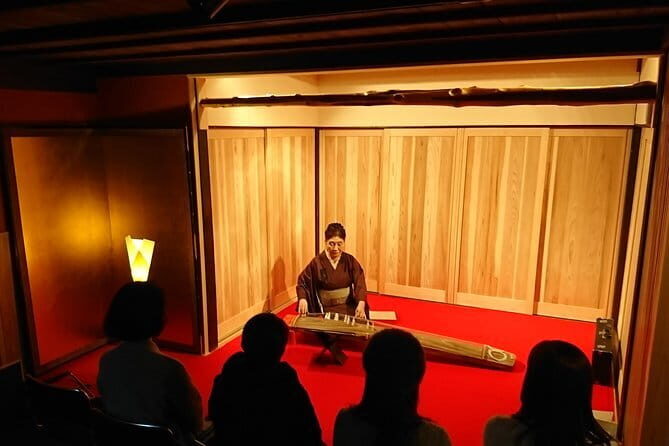
Let’s walk through the flow so you know what to expect and can plan your mindset.
25 minutes: the concert
You’ll enjoy an authentic concert with traditional Japanese music. This is where your ears get oriented. Pay attention to how the instruments “lead” the feel of the music. If there’s singing in the performance, listen for how the voice and instrument timing lock together.




25 minutes: try playing traditional instruments
Next comes the hands-on portion. You can choose from the instruments available (shamisen, koto, wadaiko are explicitly listed, plus more options depending on the day). No prior experience is required, and you’ll receive expert guidance while you play.
This is where you’ll understand the biggest lesson: traditional instruments respond differently than anything you might expect. If you go in ready to experiment instead of aiming for accuracy, you’ll have a better time.
10 minutes: photos with instruments and performers
The session closes with 10 minutes for photos. It’s short, so have your phone ready, clear your camera settings quickly, and aim for a couple of clean shots rather than chasing the perfect one for too long. It’s also a good moment to look closely at the instruments after you’ve had them in your hands.
Total time is about 60 minutes, and the experience ends back at the meeting point.
Where to Meet in Kyoto and How to Plan Around the 11:00 Start
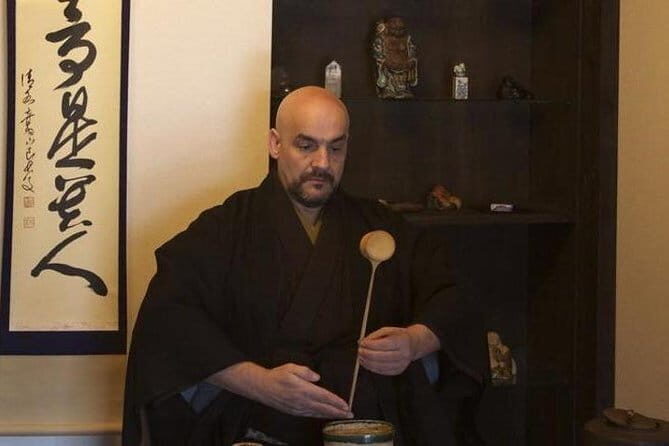
The meeting point is listed at 5f, 306 Higashidaimonjichō, Nakagyo Ward, Kyoto 604-8043. The activity ends back at the same spot.
A few planning notes that will make your day smoother:
- It starts at 11:00 am.
- It runs on Monday, Tuesday, Thursday, and Friday.
- It’s near public transportation, so you can slot it between other Kyoto stops without feeling trapped by car logistics.
- Since it’s a one-hour experience, give yourself buffer time for getting there and finding the correct floor.
If you’re doing this as part of a broader Kyoto itinerary, I’d schedule it when you’re still fresh. Because the second half is hands-on, you’ll enjoy it more if you’re not rushed or overly tired.
Also, the day-to-day details can change. The concert content varies depending on the day, so if you’re in Kyoto for multiple days, repeating a similar-style session could feel different. (And the instrument options can shift too, since the experience notes you’ll experience different instruments depending on availability and the day.)
What You Learn Beyond the Music: Culture You Can Feel
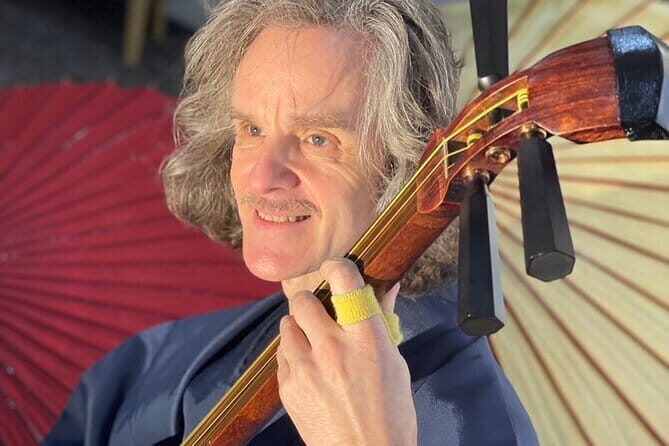
This isn’t just a concert with a novelty activity taped on. The value is that the session teaches Japanese musical culture through the physical experience of playing instruments.
By listening first, then trying, you learn how tradition lives in technique. You can hear the result in the concert, but you understand it in your muscles during the try-it portion. That kind of learning tends to stick.
One review in Japanese also described the effect of watching performances up close as having both force and delicacy, and said the hands-on experience felt like a good deal. That’s a common outcome with live traditional music: it’s not just sound. It’s control, posture, timing, and attention.
You also get “cultural heritage” in a practical way. Instead of only reading about instruments, you learn how they fit into performance culture. It’s the difference between knowing the name of something and having a sense of what it takes to make it speak.
If you’re looking for an experience that adds depth without requiring weeks of lessons, this fits well.
Who This Tour Is For (and Who Might Want Something Else)
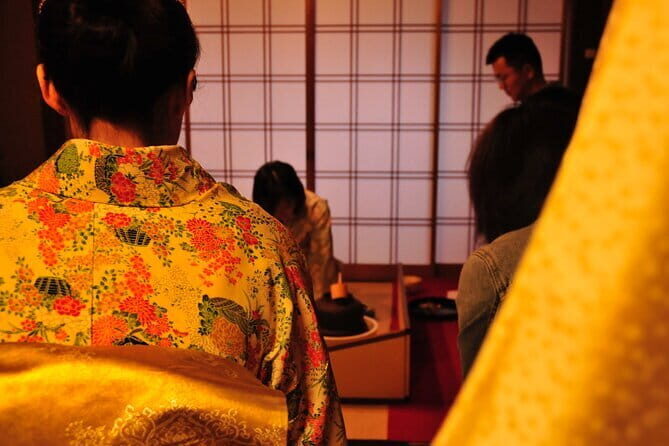
This one is ideal if you want:
- a short, structured Kyoto activity that doesn’t eat your whole day
- live traditional music plus a chance to participate
- expert coaching even if you’re not musical
- a small-group setting with a relaxed, human pace
It’s also a strong choice if you’re traveling with people who don’t all share the same interests. Music lovers get the performance; curious learners get the hands-on portion.
You might want to consider a different kind of activity if you’re hoping for:
- a long lesson format
- deep, advanced instruction
- a deep dive into a single instrument only
Because this is designed as a one-hour experience, it’s best for “try it, understand it, enjoy it.”
Should You Book This Traditional Japanese Music Experience in Kyoto?
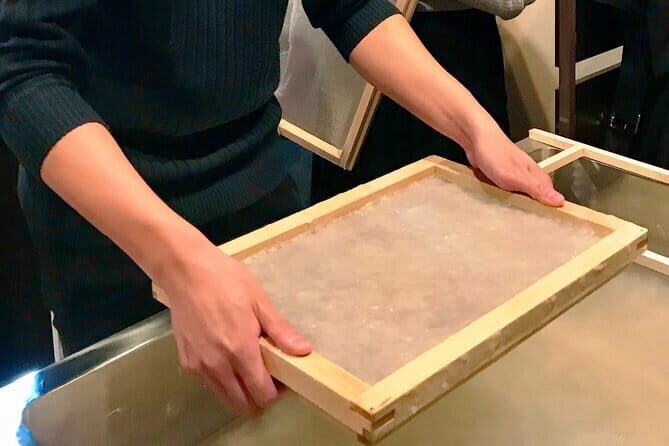
I’d book it if you want a Kyoto cultural experience that actually involves you. For the price, you’re getting three things in one package: live performance, guided instrument playing, and photo time. The small group limit makes it feel less like a show you watch from afar and more like something you join.
I’d also book it if you value learning through doing. Traditional music can feel distant when you only listen. Here, you get expert advice while you try instruments like shamisen, koto, and wadaiko, and that changes your understanding fast.
If your idea of a perfect trip is quiet sightseeing only, this may feel too active. But if you want a memorable “I participated” Kyoto moment, this is one of the better bets for your time.
FAQ
How long is the traditional Japanese music show and experience tour?
It runs for about 60 minutes total, with 25 minutes for a concert, 25 minutes for hands-on instrument experience, and 10 minutes for photos.
What time does it start in Kyoto?
It starts at 11:00 am.
Which days does it run?
It runs on Monday, Tuesday, Thursday, and Friday.
Is prior experience needed to play the instruments?
No. The experience includes expert guidance, and prior experience isn’t required.
What instruments can I try?
The tour offers traditional instruments including shamisen, koto, wadaiko, and more depending on the day.
Is transportation included and where is the meeting point?
Private transportation is not included. The meeting point is listed at 5f, 306 Higashidaimonjichō, Nakagyo Ward, Kyoto, and it ends back at the meeting point.