REVIEW · TOKYO
Yokohama and Kamakura Private Full Day Tour with English Guide
Book on Viator →Operated by Discover Tokyo · Bookable on Viator
Coastal temples, minus the stress. This private Yokohama and Kamakura day pairs a private luxury car with an English-speaking chauffeur, so you can take in Great Buddha and Hasedera without doing the train-and-transfer grind. Two things I especially like are the door-to-door convenience that gets you close to each stop, and the way your schedule can stay flexible once you’re on the ground. One watch-out: food and drinks aren’t included, so you’ll want to plan lunch on your own (and yes, that can include matcha treats).
The ride itself is part of the appeal. You get an air-conditioned vehicle, bottled water, and even WiFi on board, which makes a long day feel a lot more manageable—especially in hotter months or when you need to look something up fast.
One more consideration: the experience depends on good weather. If conditions are poor, it may be rescheduled or refunded, so keep an eye on your day and don’t book this as a last-minute gamble.
In This Review
- Key Highlights You’ll Feel On Day One
- Why This Private Format Works in Real Life
- Price and What It Really Buys You ($400 per Group)
- Pickup, Comfort, and the Stuff That Makes Days Feel Easy
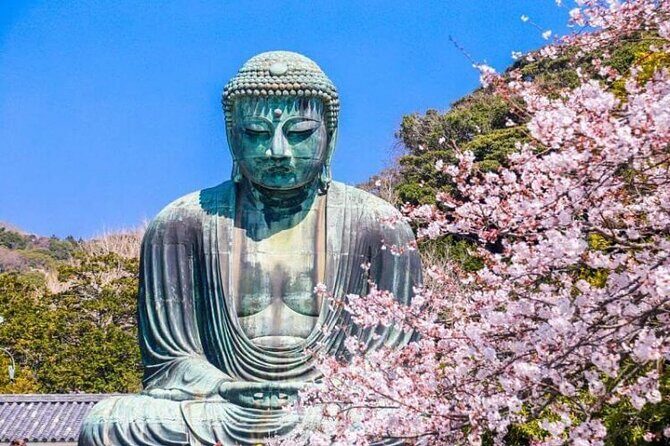
- Kamakura’s Great Buddha: The Day’s Main Moment
- Hasedera Temple: Time for Views and Unhurried Walking
- Komachi-dori Street: Shopping, Snacks, and a Human Scale
- Yokohama by Afternoon: Sankeien Garden’s Calm Contrast
- Driver-Guide Quality: The Real Secret Sauce
- Timing, Pacing, and How to Build a Day You’ll Enjoy
- What’s Included vs. What You Need to Plan For
- Who This Tour Fits Best (And Who Might Want Something Else)
- The Weather Factor You Should Actually Pay Attention To
- Should You Book This Yokohama and Kamakura Private Day Tour?
- FAQ
- FAQ
- How long is the Yokohama and Kamakura private tour?
- What is the group size limit for this tour?
- Is the guide English-speaking?
- Do you get pickup from anywhere in Tokyo?
- Is food included?
- What attractions are included in the day?
- Does the vehicle have WiFi and air conditioning?
- Are bottled water and transportation fees included?
- What happens if the weather is bad?
- What is the cancellation policy?
Key Highlights You’ll Feel On Day One
- English-speaking chauffeur who explains what you’re seeing, not just where you’re going
- Door-to-door pickup and drop-off anywhere within Tokyo’s 23 districts
- Private and customizable pacing so you can linger at Komachi-dori or adjust timing
- Great Buddha of Kamakura as the core anchor stop
- Hasedera Temple + garden walking time that fits a relaxed full-day rhythm
- Yokohama Sankeien Garden for a calmer contrast to city energy
Why This Private Format Works in Real Life
In Tokyo and nearby, the hardest part of a great day trip is usually logistics. Trains mean transfers, walking, and the constant question of whether you picked the right platform. With this private format, I like that you’re not “managing” transit all day—you’re simply moving from one meaningful place to the next in comfort.
This also matters for pacing. If you want slower temple time, you’re not stuck with someone else’s stopwatch. If you want to shop a bit longer on Komachi-dori, the day can bend.
And it’s genuinely private: your group goes together in your own vehicle, not in a shared bus with everyone’s different interests. That’s a big value shift, because your time becomes more predictable.
You can also read our reviews of more guided tours in Tokyo

Price and What It Really Buys You ($400 per Group)
This tour is $400 per group up to 4 people. At first glance, that sounds like a splurge. But it’s priced like a private car service with a full-day guide who can talk you through the stops in English.
Here’s the value logic I think matters: you’re paying to remove friction. If your alternative is coordinating multiple train lines, timing your connections, and rushing between sites, the cost starts to look less crazy. For families, it can also be cheaper than it seems once you price out taxis plus paid admission plus the time you lose moving around.
Also keep in mind what’s not included. Food and drinks are on you, so you’ll want to budget for lunch and snacks during the day. If you’re the type who always wants convenience and an easy meal solved for you, that’s the one gap.
Pickup, Comfort, and the Stuff That Makes Days Feel Easy
This experience is built around meet & greet and an air-conditioned vehicle with bottled water and onboard WiFi. That combination sounds basic until you’re actually sitting in traffic or waiting for trains that feel like they take longer than they should.
The driver also handles parking, petrol, and highway tolls, which removes a chunk of annoyance. And because pickup and drop-off can happen anywhere within Tokyo’s 23 districts, you’re not forced into a “go here, wait there” meeting point.
One small practical benefit I like for planning: you get a mobile ticket. That reduces the admin stress, especially when you’re juggling hotel checkouts and multiple pieces of trip timing.
Kamakura’s Great Buddha: The Day’s Main Moment
The Great Buddha of Kamakura is the anchor stop, and it’s the kind of place that works even if you’re not trying to speed-run everything. It’s also the stop that makes this tour feel worth it, because it’s the one many people dream about before they even land in Japan.
What I like about having a guide for this particular site is simple: you get context while you’re standing there, not later back at your hotel. The English driver-guide experience here is described as informative, and that lines up with how I prefer to tour historical highlights—quiet attention first, then understanding.
A smart tip for how to approach it: keep your phone ready for photos, but don’t let it steal your time. You’re there to actually see it. If the day feels crowded, ask your guide how to adjust your timing within the day so you can get the most out of your visit.
Hasedera Temple: Time for Views and Unhurried Walking
After the Great Buddha, Hasedera Temple brings a different tempo. This is the part of the day where you’re not just ticking boxes—you’re taking in temple grounds and giving your feet a gentler workload compared to a constant city sprint.
In the experience, the guide gives you context and helps you move through the site without feeling rushed. The overall theme from the way the tour is described is patience and flexibility, which matters at temples, where the best moments often happen when you slow down a little.
One consideration: if your group is tired, Hasedera is where you’ll feel it. It helps to start the day with energy, and it helps even more if you tell the driver you want a slower pace early on. A good guide can adjust, rather than pushing you to “keep up.”
You can also read our reviews of more private tours in Tokyo

Komachi-dori Street: Shopping, Snacks, and a Human Scale

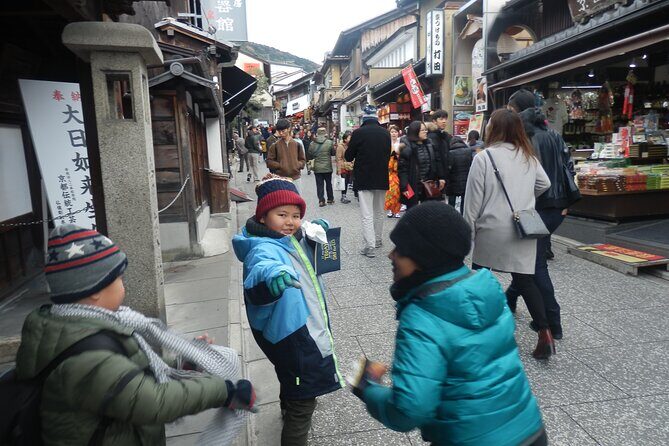
Komachi-dori Street is where Kamakura turns from sacred to everyday. It’s the shopping-street part of the day, and it’s perfect for breaks, small gifts, and casual wandering.
What makes this stop work in a private tour is control. You can treat it like a quick stroll if you’re ready to move on, or spend more time if you want to browse and sample. One of the nicer details mentioned is that people loved snack time here, including matcha ice cream.
If you’re traveling with kids or older family members, this is also a practical location for pacing. It’s easier to take short breaks on a street with lots to look at, rather than being forced into long stretches between major sights.
Yokohama by Afternoon: Sankeien Garden’s Calm Contrast
Once you reach Yokohama, the vibe can feel like a shift. You go from temple mood to coastal-city energy, and then you get a reset again with Sankeien Garden.
Sankeien Garden is the sort of place that rewards walking slowly. It’s also where a guide adds value: you don’t just see scenery, you understand what to notice as you move through the grounds.
In the description of the day, Yokohama is treated as more than a quick stop. It’s an afternoon addition that balances the temple portion so the day feels complete, not chopped up.
Some groups also include Yokohama’s Chinatown area as part of the overall Yokohama time, depending on how the schedule fits. If that’s on your wish list, you’ll be glad you booked private, because it’s easier to shape your afternoon than trying to stitch it together on your own.
Driver-Guide Quality: The Real Secret Sauce
Here’s what really separates this tour from the generic ones: the driver-guide experience. The feedback emphasizes that the guide’s English is strong, explanations are clear, and the tone is friendly rather than robotic.
You’ll also benefit from the driver being organized and punctual. That matters because a private day trip is only “luxury” if the timing holds together. When the guide keeps things smooth, you don’t lose half the afternoon to delays.
One more point I’d call out: flexibility and patience. Several descriptions focus on the ability to choose time and spots without feeling rushed. That’s important in Japan, where crowds can move fast and lines can form where you don’t expect them. A responsive guide makes your day feel less like a schedule and more like a plan.
Timing, Pacing, and How to Build a Day You’ll Enjoy
This tour runs about 8 to 10 hours. That’s long enough to do a lot, but short enough that you still feel like you’re having a single, coherent day rather than a marathon.
I recommend thinking about energy in blocks. Start strong for the big Kamakura highlight (Great Buddha), then treat the rest as a sequence that alternates between walking and relaxing. Komachi-dori is your street-time break. Hasedera is your slow temple block. Yokohama is your calmer, scenic finish with Sankeien.
If you’re the type who hates rushing, tell your guide early. With this format, the point is that the itinerary can be tailored. If you want more time for shopping or a longer garden walk, you’ll get a better outcome if you say so before the day gets locked into a “must-do-everything” vibe.
What’s Included vs. What You Need to Plan For
Included:
- Bottled water
- Air-conditioned vehicle
- WiFi on board
- Private transportation
- Meet & Greet
- Parking/ petrol/ highway toll fees
Not included:
- Food and drinks
That one line about food matters. It means your lunch plan is on you. In practice, this is easy because Komachi-dori is built for casual snacks and tasting, but you should still budget time and money for meals.
Also remember that you’ll be walking more than you think in a day packed with sights. Comfortable shoes aren’t optional. The ride helps, but you’re still touring.
Who This Tour Fits Best (And Who Might Want Something Else)
This is a great choice if you want comfort, English guidance, and a stress-free plan. It works especially well for couples who want a refined day, families who don’t want kids zig-zagging through transit, and travelers who care more about enjoying the day than negotiating routes.
You’ll also like it if your group values flexibility—like choosing where to spend more time on Komachi-dori or adjusting how you move through Kamakura.
If you’re traveling solo and you’re comfortable with trains all day, this may feel pricey compared to public transit. But even then, it can still be worth it if you want an English-speaking guide to add meaning to the stops without you having to research everything yourself.
The Weather Factor You Should Actually Pay Attention To
The experience requires good weather. That’s not a minor footnote. Yokohama and Kamakura can be fun even with light cloud, but major rain or bad conditions can affect what a day feels like on the ground.
If you’re booking for a day with unpredictable weather, consider keeping some flexibility in your wider travel plan. If conditions are poor, you may be offered a different date or a full refund.
Should You Book This Yokohama and Kamakura Private Day Tour?
If your top priority is a day trip that feels easy—private car, English explanations, and enough flexibility to go at your pace—then yes, you should book it. The best reasons are practical: you avoid transit hassle, the vehicle setup is comfortable, and the guide quality is repeatedly described as strong and helpful.
I’d be cautious only if you hate dealing with meal planning or if you’re traveling during a period where weather is a constant risk. In those cases, you’ll still get a great day if conditions cooperate, but you’ll want a Plan B for lunch and a realistic view of weather.
If you want Great Buddha and Hasedera without the coordination headache, this tour is a clean, thoughtful way to do it—Kamakura first, Yokohama after, and your schedule in your own hands.
FAQ
FAQ
How long is the Yokohama and Kamakura private tour?
It runs about 8 to 10 hours.
What is the group size limit for this tour?
It is priced per group for up to 4 people, and it’s private for your group only.
Is the guide English-speaking?
Yes, the tour includes an English guide.
Do you get pickup from anywhere in Tokyo?
Pickup and drop-off are offered anywhere within Tokyo’s 23 districts.
Is food included?
No. Food and drinks are not included.
What attractions are included in the day?
The tour includes stops such as the Great Buddha of Kamakura, Hasedera Temple, Komachi-dori Street, and Yokohama’s Sankeien Garden.
Does the vehicle have WiFi and air conditioning?
Yes. The vehicle is air-conditioned and WiFi is available on board.
Are bottled water and transportation fees included?
Yes. Bottled water is included, and parking/petrol/highway toll fees are included as well.
What happens if the weather is bad?
The experience requires good weather. If it’s canceled due to poor weather, you’ll be offered a different date or a full refund.
What is the cancellation policy?
You can cancel for a full refund up to 24 hours before the experience starts. Changes within 24 hours of the start time aren’t accepted.