Tokyo clicks faster on an electric bike. This 3-hour E-assist ride threads together Akihabara, Asakusa, Ryogoku, and Nihonbashi, with photo stops and English commentary, plus small-group energy that feels calm and well managed. The trade-off is you’ll be riding for most of the tour, so you’ll want comfortable clothes and a helmet that fits right.
I really like that the assist does the heavy lifting, so you can focus on steering, looking up, and listening. One of my favorite parts is the structure: the tour mixes bigger sights with shorter pauses, so you get movement plus time to stop, take photos, and hear what’s going on at street level.
I also appreciate the human touch from the guides. In English-speaking tours, guides like Jo, Ted, and Ninja come through with clear explanations and a careful approach to traffic and group safety, which matters in a city where intersections move fast. If you’re hoping for long, slow wandering like a self-guided walk, this may feel a bit paced—but it’s excellent for getting oriented.
In This Review
- Key things you’ll notice right away
- Why this Tokyo e-bike loop works for first-timers
- Getting oriented at Cycling Holiday Tokyo and your bike setup
- Akihabara photo stop: pop-culture energy on two wheels
- A short visit for local life: that 10-minute pause that adds meaning
- Kappabashi Street free time: use the 15 minutes well
- Asakusa free time: traditional downtown from a bike-friendly angle
- Ryogoku photo stop: sumo-area storytelling with a bike viewpoint
- Nihonbashi photo stop: Edo-period context in a few minutes
- What the 3 hours feel like: pace, safety, and photo moments
- Price and value: what you get for $61
- Who this tour suits best (and who should think twice)
- Should you book this Tokyo E-Bike Tour?
- FAQ
- How long is the Tokyo e-bike tour?
- What’s included with the tour price?
- Is food and drink included?
- How many people are in the group?
- What language is the guide?
- Do I need to wear a helmet?
- What should I wear for the ride?
- Where do we meet?
- Are there tours on multiple days?
- Can I cancel or reserve without paying right away?
Key things you’ll notice right away
- Electric assist makes Tokyo streets feel easier, especially if you’re not a cyclist
- Small group (6 or fewer) keeps it safer and simpler for the guide to manage
- Planned stops for photos and commentary mean you don’t miss the story while you’re moving
- A route that runs from pop culture to Edo-era corners gives you variety in just 3 hours
- You get basic ride-ready gear like a helmet, simple rain gear, and seasonal gloves/cooling products
- No food included, so you’ll want to plan to buy drinks or snacks as you go
Why this Tokyo e-bike loop works for first-timers
Tokyo can feel like a lot on foot—signals, crowds, and constant choice. This e-bike format is built to solve that. You cover multiple neighborhoods in one afternoon, moving from the pop-culture pull of Akihabara to the more traditional downtown feel around Asakusa, then on to sumo-linked Ryogoku and the Edo-period area around Nihonbashi.
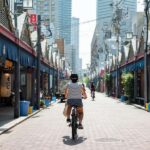
I like that it’s not only about famous names. The schedule includes short stops and a brief visit to a less-touristy area, which is where you get the texture of everyday Tokyo life—narrow lanes, storefront rhythms, and locals going about their day. It’s a practical way to “learn Tokyo” without turning every minute into a museum worksheet.
If you’re new to cycling, this is also a friendly setup. The e-assist bikes are described as very easy to ride, which helps you stay relaxed. And because the group is capped at 6 or fewer, you’re not fighting for space or getting separated from the route.
You can also read our reviews of more cycling tours in Tokyo
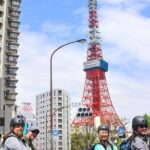
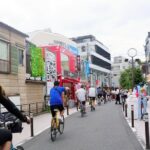
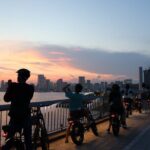
Getting oriented at Cycling Holiday Tokyo and your bike setup
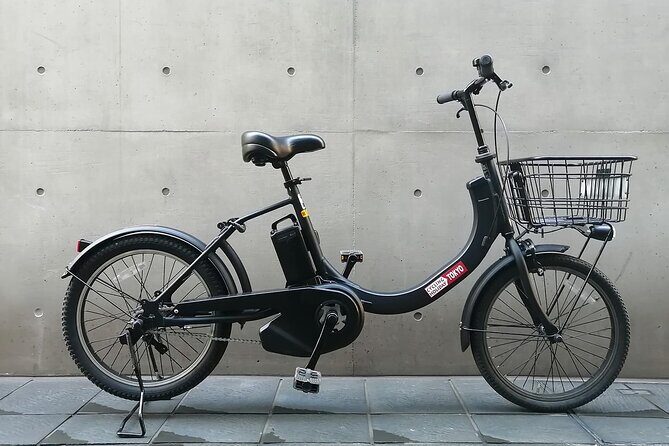
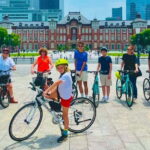
Your tour starts at Cycling Holiday Tokyo, where the bicycles are lined up in front of the store and staff are standing. Plan to arrive with time to settle in, because you’ll want a quick fit-check before you roll out.
Included gear matters here. You’ll get a rental e-assist bicycle and a rental helmet, and the guide team provides insurance for the activity. If weather shifts, you’re covered with simple rain gear. In winter, you’ll receive simple gloves, and in summer, cooling products are provided—both are small add-ons, but they help a lot on a bike.
Dress for riding. The tour specifically asks you to wear comfortable clothing and to come with a hairstyle that allows you to wear a helmet. That’s not fluff. If your hair won’t sit under the helmet, you’ll spend the ride adjusting instead of enjoying it.
Akihabara photo stop: pop-culture energy on two wheels
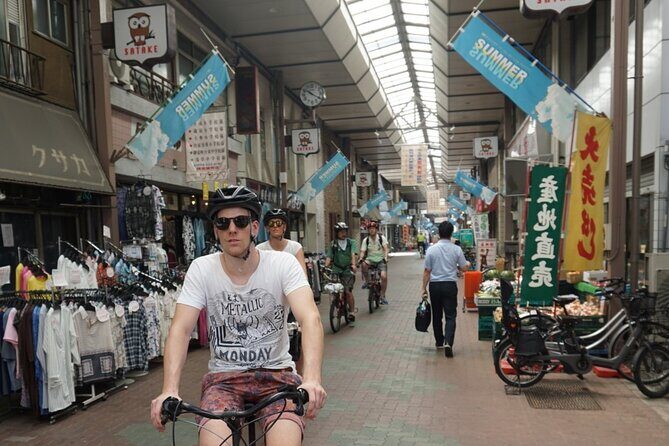
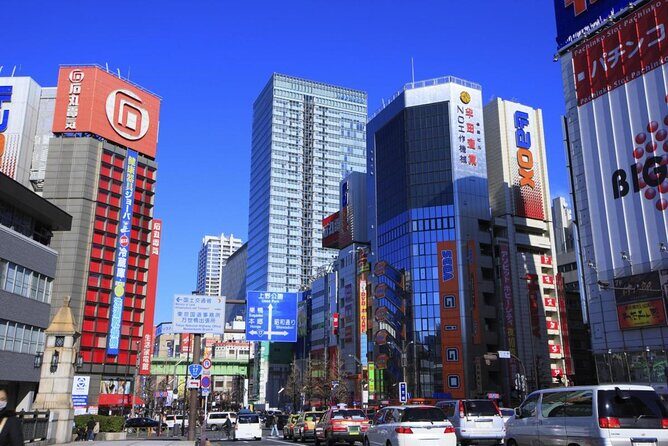
Akihabara is one of Tokyo’s most recognizable areas, tied to its otaku culture image. On this tour, you don’t just “pass by.” You get a photo stop, which gives you a moment to capture the look of the place before you roll onward.
What I like about the way this is handled is the balance. If you try to do Akihabara like a typical walking tour, you can end up stuck in foot traffic and overwhelmed by choices. Here, you get a focused stop for photos plus guide commentary, then you’re moving again. That keeps the energy from turning into fatigue.
Also, because you’ll be in a small group, you can usually take photos without the constant shuffle of larger tours. If you want street-level visuals, this is a good time to pull out your camera and grab a few different angles while the guide is explaining what to notice.
A short visit for local life: that 10-minute pause that adds meaning
Between big-name areas, the route includes a stop labeled as a visit to a smaller local spot, with 10 minutes allotted. That short window is intentional. It gives you a break from the “big attraction rush,” and it’s the kind of moment where you can notice details you’d miss if you were only riding from landmark to landmark.
Ten minutes won’t turn this into a deep study session, but that’s the point. You’re not here to check every box; you’re here to get a feel for how the city looks and sounds when people are just living their day. These pauses are also where you can ask your guide quick questions—things like where locals usually go, what the street is known for, or what to look for as you pass through.
If you like photography, this is the kind of stop where small scenes pay off. Tight corners, storefront textures, and the rhythm of daily life often show up best during short, guided breaks rather than while you’re speeding through on a fast transit day.
Kappabashi Street free time: use the 15 minutes well
Kappabashi Street gets 15 minutes of free time. That’s enough to do something useful without losing the flow of the tour.
Since food and drinks are not included, this is a good place to handle practical needs if you want them—like grabbing a drink or a quick snack at a shop you find along the way (self-pay). Or, if you’re more into photos than purchases, you can use the time to browse the streetscape and capture images that match your travel style.
Here’s how I’d use this moment: pick one priority before you stop. For some people it’s shopping. For others it’s walking a few blocks to get photos from slightly different angles. Fifteen minutes disappears fast in Tokyo, so having a plan helps you come away satisfied rather than just rushed.
You can also read our reviews of more guided tours in Tokyo



Asakusa free time: traditional downtown from a bike-friendly angle
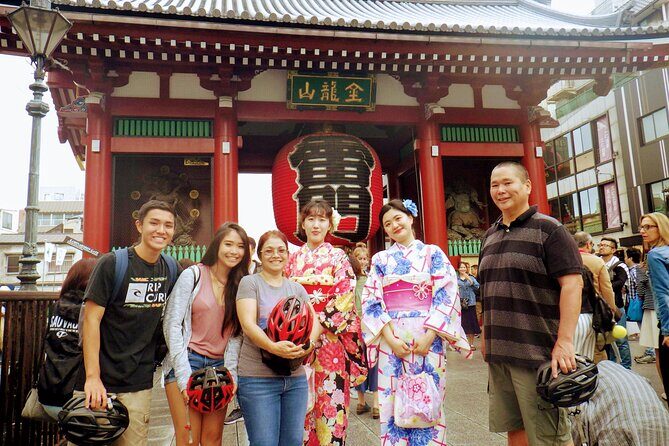
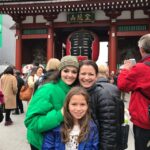
Asakusa is a big anchor on this route, and you’ll get free time there. The timing gives you a chance to shift from “guided viewing” to “your pace,” whether that means wandering a bit for photos or simply soaking up the traditional downtown vibe from the comfort of a bike-centric plan.
The bike route approach matters. On foot, Asakusa can feel like you’re constantly merging into crowd currents. With an e-bike tour, you can cover ground and still get stops that let you pause. That mix tends to work well for people who want a classic Tokyo moment without spending the entire day in transit.
Because you’ll be switching modes—riding, stopping, then free time—you’ll probably enjoy this section most if you keep expectations realistic. You’re not doing a full day in Asakusa. You’re sampling it, learning the basics from your guide, and getting enough time to enjoy the feeling.
Ryogoku photo stop: sumo-area storytelling with a bike viewpoint
Ryogoku is called out as the sumo area, and the tour includes a photo stop there for 10 minutes. This is a good example of why guided e-bike tours can be better than solo planning. Your guide can point out what matters in the moment—how the area connects to sumo culture, and what you might want to notice as you take photos.
Ten minutes sounds short, but photo stops rarely need more than that. Your goal is to capture the look, then listen for the explanation that gives the images context. If you just take pictures without that context, the photos can feel flat later. The guide commentary helps turn what you see into something you remember.
I also like that this stop fits neatly into the route flow. It keeps the variety high: pop-culture visuals in Akihabara, traditional mood around Asakusa, then a cultural shift toward sumo-linked Ryogoku.
Nihonbashi photo stop: Edo-period context in a few minutes
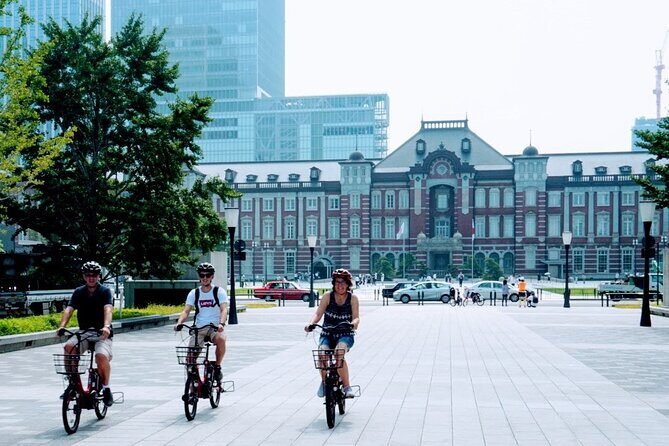
Nihonbashi is the final sightseeing photo stop, with 5 minutes allotted. The tour description notes it as being built in the Edo period, about 400 years ago, so you’re getting a quick hit of historical context before the ride ends.
Five minutes is brief, but it’s enough for two things: a couple of photos and the main storyline from your guide. History in Tokyo can feel layered and easy to miss if you don’t know what you’re looking at. This stop gives you that anchor point, so you can connect modern streets with older roots.
If you’re traveling with limited time, this is smart. Instead of trying to pack too many heavy history activities into one afternoon, you get a meaningful snapshot—then you’re back at Cycling Holiday Tokyo to wrap up.
What the 3 hours feel like: pace, safety, and photo moments
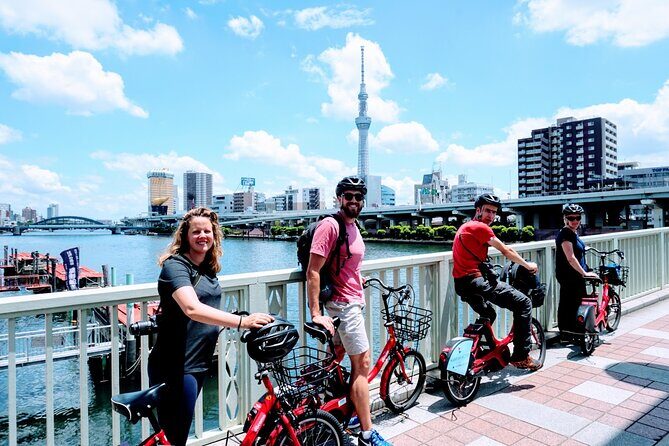
A lot of bike tours fail when the pace is confusing or the group gets strung out. This one is designed around a small group size (6 or fewer) and an English-speaking guide, so the tour usually stays coherent.
The e-assist bikes are described as very easy to ride, which helps the group stay together and makes stopping for photos less stressful. You can also take photos and listen to the guide’s comment when you stop at points, so you don’t have to choose between capturing a moment and learning what it means.
Safety and attention to traffic are also real strengths. In one review, Ninja was praised for watching the road and the group carefully in traffic, which is exactly what you want to hear for a city ride. Another review highlighted Jo as a super guide, and Ted as a great guide, with one person calling out that riding around Tokyo’s streets and lanes was a standout.
One possible drawback for you: if you dislike riding through a lot of streets or you need frequent long breaks, the schedule can feel tight. The tour is built for motion and short pauses, not all-day drifting.
Price and value: what you get for $61
At $61 per person for a 3-hour tour, the value depends on what you’d otherwise spend to get the same coverage. If you’re trying to do Akihabara, Asakusa, Ryogoku, and Nihonbashi on your own in one day, you’d likely spend plenty of time figuring out routes and commuting between neighborhoods.
Here, a key part of the value is what’s included:
- Rental e-assist bicycle
- Rental helmet
- English-speaking guide
- Insurance
- Simple rain gear
- Simple gloves in winter and cooling products in summer
That package reduces the “hidden effort cost.” You show up, get ride-ready, and follow a route that’s already planned for variety. Plus, because the guide can explain what you’re seeing, your time feels more productive than simply moving between stops.
Food and drinks are not included, so you’ll still want to budget for snacks or drinks as needed. But that’s normal for city sightseeing—and it keeps you free to choose what you like.
Who this tour suits best (and who should think twice)
This experience is ideal if you:
- Want an efficient Tokyo intro without planning every hop
- Like mixing pop-culture stops with traditional downtown areas
- Prefer guided context for photo moments
- Are new to biking but want an easier ride thanks to electric assist
It may be less ideal if you want:
- Long, slow stays at just one neighborhood
- A fully walking-style day where you can pause for long breaks whenever you want
- A tour that doesn’t require you to wear a helmet and ride for the majority of the 3 hours
Should you book this Tokyo E-Bike Tour?
Yes, if your priority is seeing more Tokyo with less logistics stress. The mix of Akihabara, Asakusa, Ryogoku, and Nihonbashi gives you a broad slice of the city, and the e-assist bikes make it practical for most fitness levels. The small-group size and guide attention also make it feel like a safer way to do neighborhood hopping.
Book it especially if you like photos with meaning—because you’ll stop often enough to capture the scene, and the guide’s commentary turns those images into something you can explain later.
If you’re the kind of traveler who hates being on a bike for hours, or you want ultra-slow wandering time, consider a walking tour instead. But for a 3-hour afternoon orientation that includes local streets, it’s a strong choice.
FAQ
How long is the Tokyo e-bike tour?
The duration is 3 hours.
What’s included with the tour price?
You get the rental e-assist bicycle, a rental helmet, an English-speaking guide, insurance, simple rain gear, and simple gloves in winter or cooling products in summer.
Is food and drink included?
No. Food and drinks are not included, so you’ll need to self-pay at shops.
How many people are in the group?
The tour is a small group limited to 6 participants or fewer.
What language is the guide?
The guide speaks English.
Do I need to wear a helmet?
Yes. The tour provides a helmet rental, and you’re asked to be sure to wear the helmet.
What should I wear for the ride?
Wear comfortable clothes for riding a bicycle, and come with a hairstyle that allows you to wear a helmet.
Where do we meet?
You meet at Cycling Holiday Tokyo. Bicycles are lined up in front of the store, and staff are standing.
Are there tours on multiple days?
Tours are offered every day in small groups.
Can I cancel or reserve without paying right away?
You can cancel up to 24 hours in advance for a full refund, and you can reserve now & pay later.