REVIEW · KYOTO
Cycling Tour at Uji’s Matcha Green Tea Fields and Heritage
Book on GetYourGuide →Operated by AWA-RE Inc. · Bookable on GetYourGuide
Uji pairs tea and history like few places do. This Brompton ride in the Uji area is built for slow, photo-friendly sightseeing, with the BROMPTON doing most of the work and your local navigator keeping you on the good quiet streets. I like how the route blends tea culture with sacred spots, including Byodoin Phoenix Hall as a UNESCO World Heritage highlight, without turning it into a sprint. I also like the chance to stop for matcha and local snacks at specialty shops instead of just passing through.
One thing to consider: some of the most important ticketed sights and tea stops have optional entrance fees, so your total cost can creep up if you want all add-ons. If you’re on a tighter budget, you can still enjoy a lot of the tour without those paid entrances. The upside is that the group stays small, capped at 6 people, so your guide can adjust the pace when needed.
In This Review
- Key things that make this Uji matcha Brompton tour worth it
- Uji feels like a slower, older Kyoto
- Brompton riding: easy pace, low stress, real convenience
- Meeting at the Tea Jar Post and easing into Chazuna
- The shrine and temple loop: Uji Shrine, Ujigami Shrine, Kosho-ji
- Uji Shrine
- Ujigami Shrine
- Uji Kosho-ji Temple
- The Uji River ride and Tō-no-shima Island: the calm part of the day
- Byodo-in Temple and UNESCO Phoenix Hall: plan for optional entry
- Lunch, matcha, and local snacks: where the tea becomes real
- Price and value: what $160 buys you in real terms
- Who should book this Uji tea and heritage ride
- A few smart tips before you go
- Should you book this Uji matcha Brompton tour?
- FAQ
- How long is the tour?
- How much does the tour cost?
- Where do I meet the guide?
- What’s included in the price?
- Are entrance fees included?
- Is insurance included?
- Do I need to bring my own biking gear?
- How big is the group?
Key things that make this Uji matcha Brompton tour worth it
- BROMPTON bikes keep the ride manageable and stylish, with helmets and transport bags supplied
- Uji River calm plus Tō-no-shima Island time means fewer crowds and better photo angles
- Tea culture stops built into the day, including Chazuna time and matcha-focused specialty shop breaks
- Sacred walking-to-riding transitions that get you from Uji Shrine to Ujigami Shrine to Kosho-ji efficiently
- UNESCO timing with Byodo-in Temple and optional Phoenix Hall entry during a full hour stop
- A guide who adjusts to your speed, including patient pacing for slower riders
Uji feels like a slower, older Kyoto
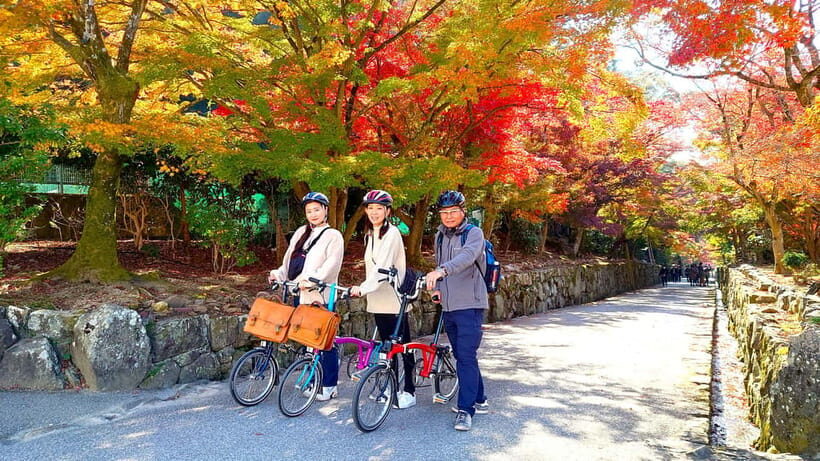
Uji sits south of Kyoto and has a different vibe. It’s known for matcha green tea, but it’s also packed with temples and shrines that trace back more than 1,000 years. That mix matters because it shapes what you see: tea isn’t an accessory here, it’s part of the place’s identity.
This tour leans into that. Instead of concentrating only on one big monument, you get a stitched-together route through shrines, a temple, and the river area, plus tea-focused stops. The result is a day that feels like Uji itself, not a checklist dumped onto your schedule.
You can also read our reviews of more cycling tours in Kyoto


Brompton riding: easy pace, low stress, real convenience
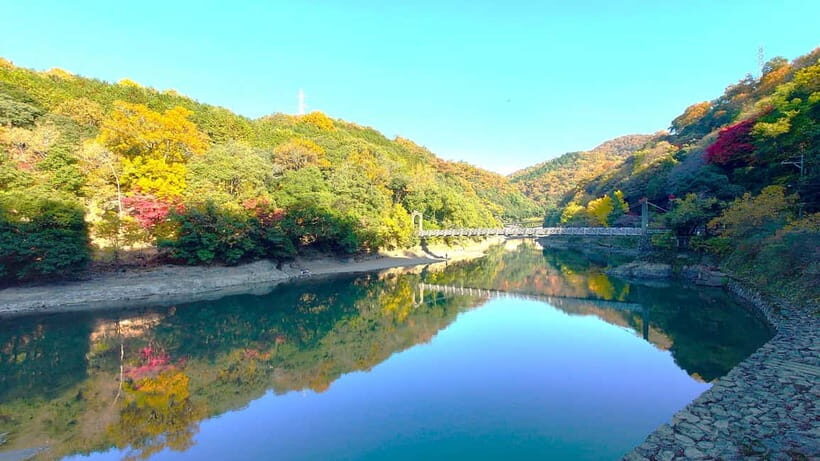
The biggest practical win is the ride style. You’ll cycle on a BROMPTON with a local navigator, and the tour is designed around slow cycling. That means you’re not trying to outpace your legs while also reading Japanese signage, which is exactly what turns a sightseeing day into a chore.
All riding equipment is provided. That includes helmets and bags for wheeled transport, so you don’t have to hunt down gear in advance. You’ll also have an English guide, which is a big deal in Japan if you want to understand what you’re looking at, not just where to stand for a photo.
The group size stays small, limited to 6 participants. With that, you’re more likely to get time where you need it, like a careful temple stop or a slower return to the bike. Some groups feel rushed; this one is built to breathe.
Meeting at the Tea Jar Post and easing into Chazuna
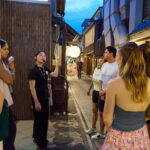
You meet in front of the Tea Jar post, just outside JR Uji Station. It’s a clear landmark, so you can get your bearings fast before the cycling begins.
From there you go to Chazuna, with a dedicated time slot built in. Chazuna is tied to the tea theme of the day, and there’s an optional entrance fee (600 yen) if you want that indoor time. If you’re the type who enjoys how things work behind the scenes, this is the moment to lean in, because tea culture is the backbone of the whole experience.
This is also where the day’s tone sets. You’re not starting with the hardest walking or the most crowded site first. You ease into the rhythm, with the navigator handling route flow while you settle into Uji’s pace.
The shrine and temple loop: Uji Shrine, Ujigami Shrine, Kosho-ji
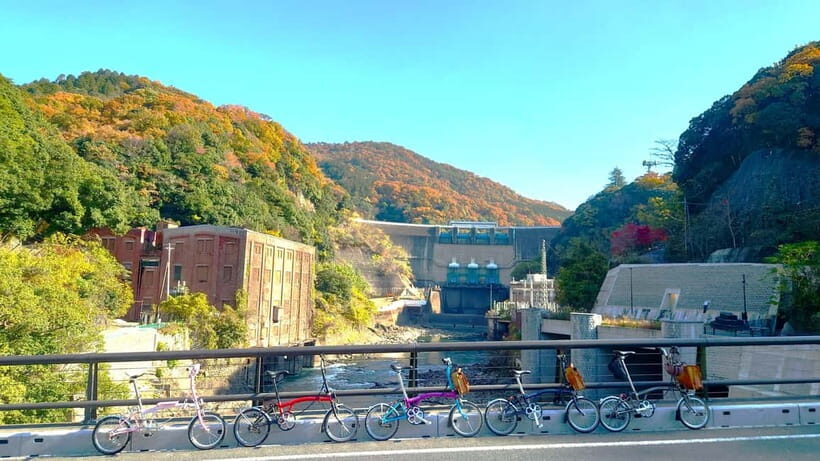
After Chazuna, the tour threads through three spiritual stops. Each one is short enough to stay relaxed, but meaningful enough to feel like more than a photo pause.
Uji Shrine
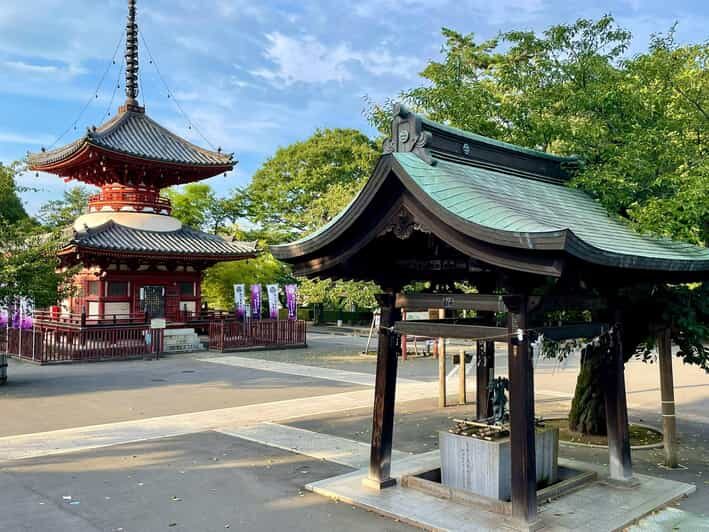
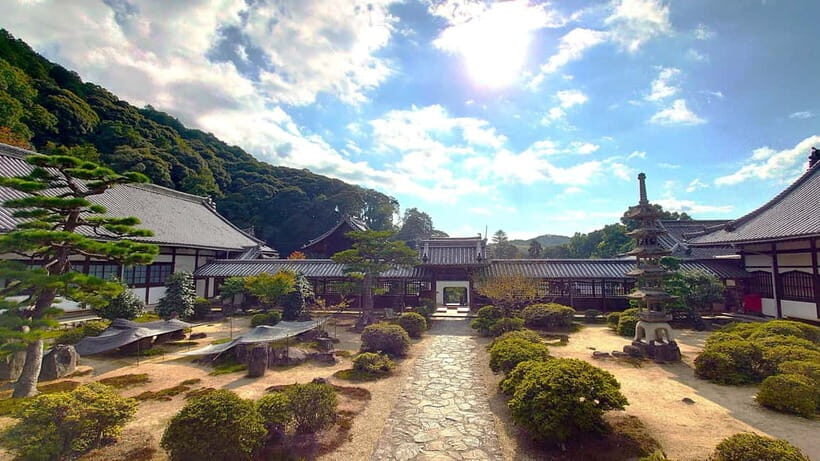
At Uji Shrine (about 20 minutes), you get a calm introduction to the area’s sacred side. The value here is context: you’re already in a tea town, but now you’re seeing how religion and daily life sit side by side. A guide helps you connect details you’d likely miss on your own.
You can also read our reviews of more historical tours in Kyoto
Ujigami Shrine
Next is Ujigami Shrine (about 20 minutes). This is the kind of stop that rewards even a brief visit if you can ask questions or get a quick explanation of what makes it special. The time allocation is tight, but the benefit is that you move through without turning the day into endless walking.
Uji Kosho-ji Temple
Then comes Uji Kosho-ji Temple (about 20 minutes). A temple stop in Uji is different than a temple stop in many other Japanese cities because of the local heritage layer. If you like spotting historical continuity, this is a good place to do it. You also get the pacing right: short cycle segments, then a focused stop.
A practical note: these stops are early enough that you may still feel fresh. If you’re sensitive to heat or crowds, this structure can be a nice advantage.
The Uji River ride and Tō-no-shima Island: the calm part of the day
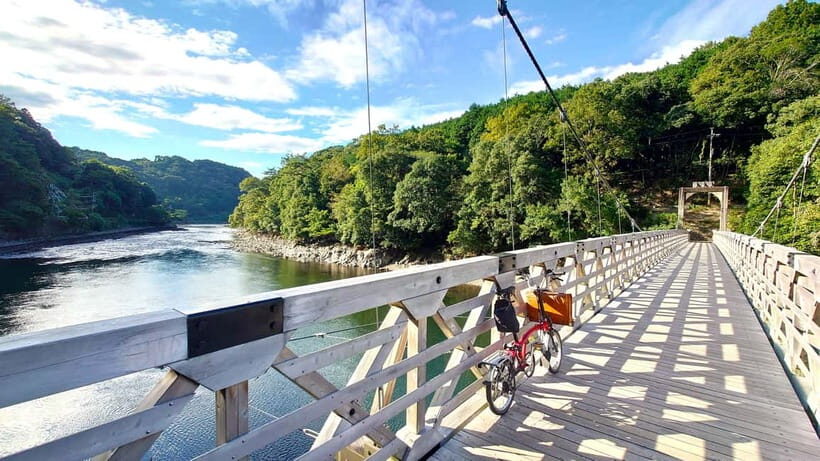
This is where the tour earns its reputation for being quieter. You bike along the Uji River for about 30 minutes, and the route is described as a quiet course that many tourists don’t see. That matters, because Uji’s best moments often come from what you notice when you’re not fighting for space.
You also spend about 30 minutes at Tō-no-shima Island. Island time is rarely “just scenic” on a good tour. It gives you distance from the main flow of people and lets you look back at the river area without the constant distractions of traffic and crowds. It’s also prime for photos from angles that feel more local and less staged.
If you like a day that mixes culture with a break for your brain, this river section is the pressure release. You’re moving, but you’re not burning energy.
Byodo-in Temple and UNESCO Phoenix Hall: plan for optional entry
The anchor stop is Byodo-in Temple for about 1 hour. Byodo-in is famous for the Phoenix Hall, which is listed as a UNESCO World Heritage Site. Even if you’re not a hardcore history person, the significance is easy to grasp once you’re there.
There’s an optional Phoenix Hall entrance fee (700 yen). That’s worth considering based on what you care about most. If you want the UNESCO interior experience rather than just the exterior view, budget for that extra cost. If you’re happy with the temple visit and want to keep spending controlled, you can treat the optional ticket as a choice you make on the day.
A good navigator helps here, too. The stop is long enough for you to slow down and look, not just pass through. And with the day’s earlier rhythm, you arrive with enough energy to actually enjoy it.
Lunch, matcha, and local snacks: where the tea becomes real
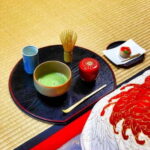
Uji isn’t just about seeing matcha. It’s about tasting it. The tour builds in a local snacks slot for about 30 minutes, and the guide can suggest places based on your preferences.
One of the biggest quality signals from guides is their ability to steer you to matcha that feels specific to Uji, not generic tourist tea. In past tours, guides like Takashi have been known for bringing people to specialty matcha stops and helping them find matcha powder to take home. If you want something souvenir-worthy but still useful, ask your guide what shops in the route sell matcha powder.
This is also where you can get your best matcha drink of the day. The timing at the end of the major sights means you’re ready for a break, and you can pair tea with the kind of food that fits the pace you’ve had so far.
Practical budget note: snacks during the tour are not included. Drinks and food are where your spending decisions will show up most. Still, you’re not on your own guessing; you have guidance.
Price and value: what $160 buys you in real terms
At $160 per person for a 270-minute tour, you’re paying for more than a bike rental. You’re buying:
- a BROMPTON bike setup with provided safety gear
- an exclusive navigator/guide fee
- an organized route that strings together multiple shrines, a temple, a river segment, and the Byodo-in area
- English guidance
That structure is where the value lives. If you tried to recreate this alone, you’d need to sort biking logistics, timing, and navigation through multiple stops. Here, the navigator handles that, and you get context while you ride.
Then there are optional extras that can adjust the final price: Chazuna entrance (600 yen) and Phoenix Hall entrance (700 yen), plus insurance if you want it (option 500 yen). If you add all three, your total is higher. If you pick just one, you can keep it closer to the base cost. The good part is that the tour still makes sense either way.
Who should book this Uji tea and heritage ride
This tour is a great fit if you want a calm day with movement and meaning. It works well for people who don’t feel confident with physical fitness, because the plan is built around slow cycling and short stop durations. It’s also a strong choice if you care about seeing the “how” behind matcha culture, not only taking pictures.
You should especially like it if you enjoy:
- temple and shrine visits but want them paced, not endless walking
- river scenery time with fewer crowd headaches
- a guide who can answer questions in English
- photo opportunities from spots you might not naturally find
If you’re the type who loves grinding through a destination at high speed and doesn’t want any tea-related detours, you might find parts of the day too relaxed. For most people, though, the relaxed pacing is the point.
A few smart tips before you go
Bring a flexible mindset. Your navigator can arrange the route according to your wishes, so if you want more time for tea or more time for photos, that’s the kind of thing to mention early.
Also think about your entrance priorities. If UNESCO matters to you, consider budgeting for Phoenix Hall. If tea museum context matters to you, Chazuna becomes the better optional add-on. Picking one or two extras is usually the sweet spot.
Finally, ride like it’s sightseeing. Even though you have a bike, the tour is built around looking closely, not hammering miles. Your photos will thank you.
Should you book this Uji matcha Brompton tour?
I think it’s an easy yes if you want Uji to feel quiet, local, and readable. The mix of shrines, temple time, a calm river ride, and matcha-focused stops is exactly the kind of balanced day that makes a region stand out on its own terms.
Choose this tour over a self-guided bike day if you value guidance and context. With an English guide and a small group, you get a smoother flow through Uji’s key areas without turning the day into navigation work. If you’re watching costs, decide ahead of time whether you want the optional Chazuna entrance, Phoenix Hall entry, and whether you want insurance.
If you get those decisions right, this tour offers strong value for a 4.5-hour day that feels genuinely Uji.
FAQ
How long is the tour?
The tour lasts 270 minutes.
How much does the tour cost?
The price is $160 per person.
Where do I meet the guide?
Meet in front of the Tea Jar post, just outside JR Uji Station.
What’s included in the price?
It includes bicycle rental, an exclusive navigator/guide fee, bicycle equipment like helmets and bags for wheeled transport, and an English guide.
Are entrance fees included?
Entrance fees are not included. Chazuna entrance (600 yen) and Byodoin Phoenix Hall entrance (700 yen) are listed as optional add-ons.
Is insurance included?
Insurance is not included. There is an optional insurance fee of 500 yen.
Do I need to bring my own biking gear?
No. The tour provides bicycle equipment such as helmets and bags for wheeled transport.
How big is the group?
The tour is a small group limited to 6 participants.