Shinjuku tastes like a secret. This 4-hour, personalized food tour threads you through classic photo stops and real local eating spots, with 3 to 4 restaurant meals built in. I like that it’s designed for orientation and appetite at the same time, so you’re not just looking around—you’re sampling Shinjuku’s flavors as you go.
Two things I’d bet you’ll care about: the route includes the nightlife neighborhoods people actually stumble into (Kabukicho, Golden Gai, Hanazono Shrine, Omoide Yokocho), and you’re brought to multiple local dishes plus soft drinks and water. One consideration: food explanation quality can vary, so if you want a clear rundown of what you’re eating, be ready to ask your guide directly at each stop.
In This Review
- Key highlights you should know
- Price and logistics: what the $195 buys you
- Kabukicho energy: where the walk becomes part of the show
- Godzilla Road & Don Quijote: two easy wins for first-time Tokyo brains
- Golden Gai: small doors, old bars, and the art of moving quietly
- Hanazono Shrine: a calm break inside the nightlife machine
- Omoide Yokocho: the best part of Shinjuku for eating with character
- How the guide shapes your experience (Hernand and Adam, specifically)
- Eating strategy: how to pace 3–4 meals in 4 hours
- Group size and meeting point: why small matters near Shinjuku Station
- Who this tour fits best
- Should you book? A practical decision guide
- FAQ
- How long is the Shinjuku Golden Gai Hidden Eats tour?
- What does the tour cost?
- What’s included in the price?
- Are alcoholic drinks included?
- Where do I meet, and where does it end?
- How many people are on the tour?
- Is there an age requirement?
- Do I need to dress a certain way?
Key highlights you should know
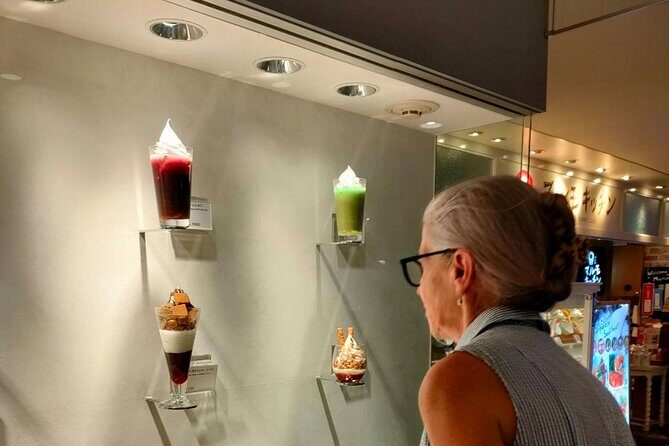
- Small-group pacing (up to 10) keeps the walk friendly and the meals easier to manage.
- Golden Gai and Omoide Yokocho give you two very different alley-bar vibes in one evening block.
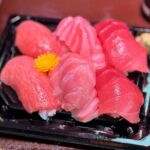
- Sushi + seafood + fine wagyu-style cuts are part of the all-you-can style meal plan.
- Godzilla Road & Head and other iconic landmarks keep the tour fun, not just food-focused.
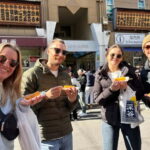
- Pictures after the tour are included, which helps when your travel group is split between snack priorities and phone priorities.
- Hernand and Adam are guide names that have stood out for guests who wanted a smooth, attentive experience.
Price and logistics: what the $195 buys you
At $195 per person for about 4 hours, you’re paying for three things: a guided route through Shinjuku’s maze, multiple paid meal stops, and a guide who helps you order without turning dinner into a stressful translation exercise.
Here’s what’s included that matters in real life:
- Different local dishes chosen by a master guide
- Soft drinks and water
- Local deserts
- 3 to 4 restaurants selected by the guide
- Pictures after the tour
What’s not included:
- Alcoholic drinks, which you can purchase separately
- Hotel pickup and drop-off (you meet near Shinjuku Station)
This is also a tour where timing matters. Cabukicho and Omoide Yokocho can look busy in bursts, and Golden Gai is the kind of place where small venues don’t always move at your pace. The promise of a guided flow helps you avoid waiting around too long with nothing to do but reread your map.
You can also read our reviews of more food & drink experiences in Tokyo
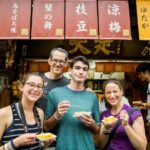
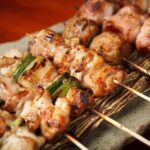
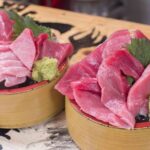
Kabukicho energy: where the walk becomes part of the show
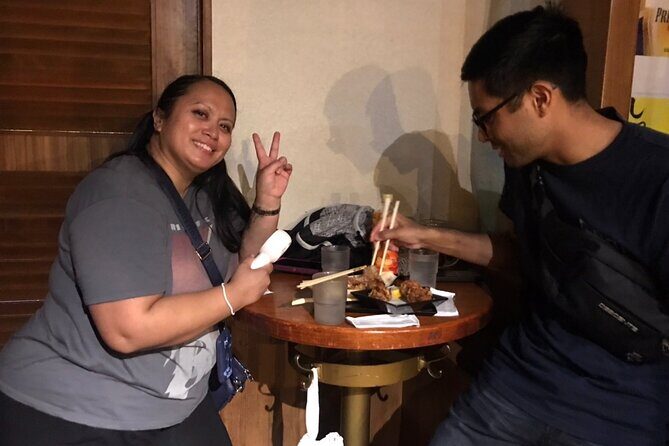
You start at Shinjuku Station (3-chōme-38-1), then begin with Kabukicho—the area that feels like Shinjuku turned the volume up. This isn’t just a background for dinner. It’s the lead-in: you get a quick education in how Tokyo’s entertainment districts feel when you’re walking through them, not just reading about them.
The tour gives you about 45 minutes here, and the best way to enjoy it is to treat it like a street-level museum:
- Watch the neon, signboards, and dense storefront mix
- Take a breath before you dive into photo mode, because you’ll walk again soon
- Wear shoes you can stand in, since the route is all walking and you won’t want sore feet when you get to the eating
A quick realism check: Kabukicho can be intense. The point of this stop isn’t to make it scary—it’s to help you recognize what kind of neighborhood you’re in so the rest of the tour feels less like chaos and more like a guided sequence.
Godzilla Road & Don Quijote: two easy wins for first-time Tokyo brains
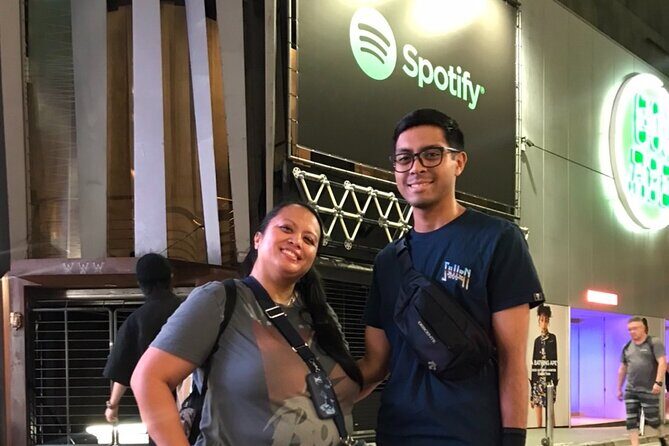
Next up, you hit Godzilla Road & Head for about 45 minutes. This is the kind of stop that sounds silly until you actually see it. It’s fast, photogenic, and helps reset your attention between food stops.
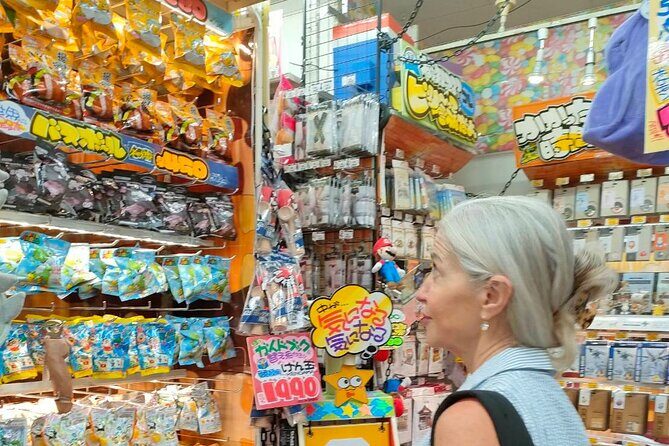
Then you swing by Don Quijote Shinjuku for about 30 minutes. Yes, it’s a convenience store, but in Japan these places are their own mini-culture:
- You’ll see groceries and household items side-by-side with toys and other odd-and-useful travel buys
- It’s an easy moment to pick up a small snack or practical item if you want something before the next meal
One note: the tour already includes soft drinks, water, and desserts, so treat this as optional browsing rather than a second meal plan.
Golden Gai: small doors, old bars, and the art of moving quietly
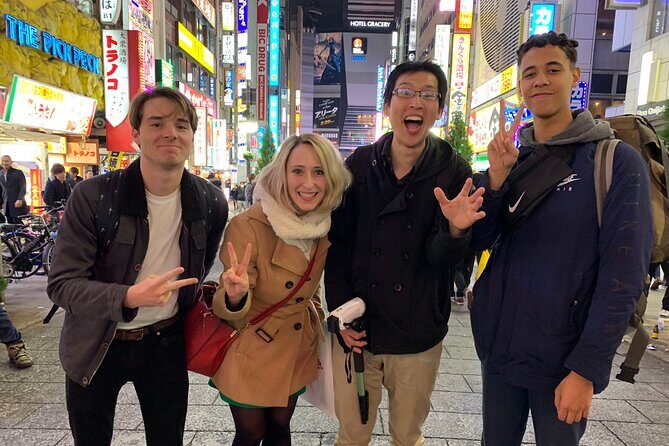
Shinjuku Golden Gai takes about 30 minutes on the route, and it’s exactly the kind of place that makes you understand why a guide helps. Golden Gai is known for narrow lanes with old bars that often take only a limited number of people.
That has two consequences for your experience:
- You’ll get a better feel for the layout without wandering in the wrong direction.
- You may not linger like you would in a wide open square—these spots are built for short visits and tight capacity.
This stop is part atmosphere, part orientation. You’re learning how Shinjuku changes block by block. One street can be loud and showy, and the next can feel like you stepped into an older, calmer pocket of Tokyo.
Hanazono Shrine: a calm break inside the nightlife machine
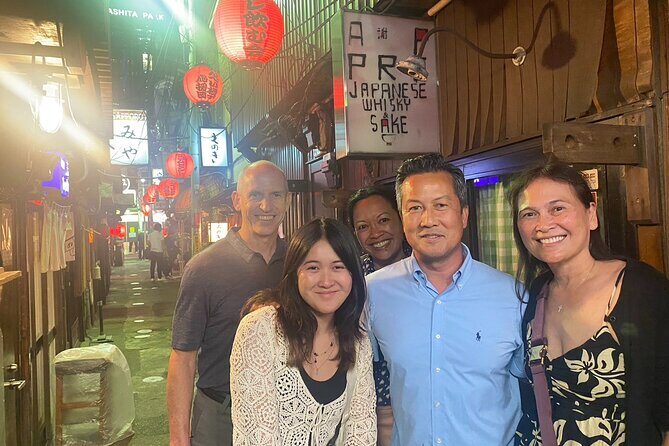
After Golden Gai, you get a breather at Hanazono Shrine for about 30 minutes. This is where Shinjuku shows its layers. High-rise buildings and nightlife surround it, but inside you’re dealing with a sacred space and seasonal festival energy.
What I like about this contrast is practical: it resets your pacing before your more food-heavy alley-bar segment. Your body needs it. After walking through busy entertainment zones, it helps to slow down for a shrine visit, even if you’re not trying to go deep on religious details.
The tour also notes the shrine’s age and that it holds seasonal festivals. It’s one of those moments that turns Shinjuku from a single theme park into a real neighborhood with history under the lights.
A few more Tokyo tours and experiences worth a look

Omoide Yokocho: the best part of Shinjuku for eating with character
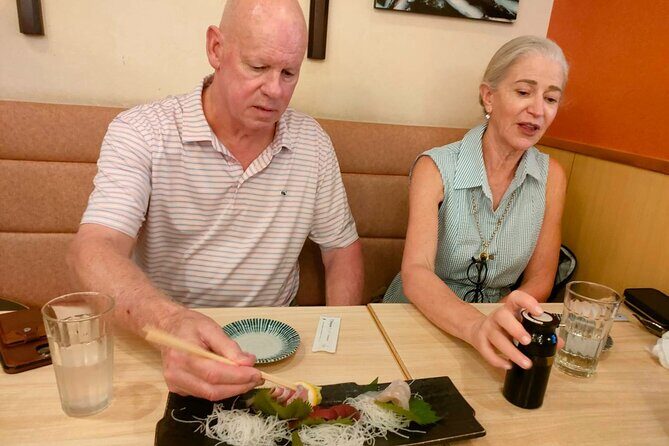
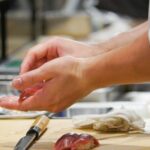
The final eating mood shift comes with Omoide Yokocho (about 30 minutes on the walk). This is the alley-bar zone locals know for quick, casual meals where chefs prepare food for you. The tour also adds that you’ll get Japanese jokes from the experience—so expect the vibe to be social, not stiff.
If the rest of Tokyo travel is about checking boxes, Omoide Yokocho is about lowering your guard and letting the night happen. This stop connects to the tour’s big food promise: all-you-can style eating with sushi, seafood, and the presence of fine wagyu-style cuts.
Here’s how to think about what you’ll taste:
- Sushi tends to be the anchor item because it’s quick to serve and easy to sample
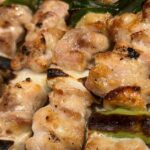
- Seafood and seafood-focused plates follow naturally when you’re in a place built around alley cooking
- Wagyu-style cuts are usually a highlight because they feel special without needing a formal restaurant setting
Drawback to keep in mind: one guest mentioned the sushi experience wasn’t up to expectations and that explanations of what you were eating were lacking. I can’t promise every meal will hit your personal taste, but you can protect yourself. Ask your guide what each dish is and what to expect before the first bite. A good guide can turn ordering into a lesson.
How the guide shapes your experience (Hernand and Adam, specifically)
This tour lives or dies by the guide. The schedule is set, but the day becomes personal based on how the guide handles pacing, introductions, and food ordering.
In guest feedback, two guide names showed up for strong attention:
- Hernand was praised for meeting on time and providing an excellent experience
- Adam was praised for handling a larger group well, helping everyone get the food they wanted, and keeping things moving
Even if you don’t get one of these guides, the lesson holds: you want a guide who can translate more than language. You want someone who helps you understand the logic of Japanese menus—what’s worth ordering, how portions work, and what variations mean.
Eating strategy: how to pace 3–4 meals in 4 hours
Four hours in Shinjuku can feel short or long depending on your appetite and how fast you walk. This tour is about eating, but it’s also about seeing. To make it feel smooth, use a simple pacing approach:
- Start the night with the mindset that you’ll sample, not only conquer
- When you sit down, ask what dish comes next and what you should try first
- Save your strongest cravings for the spots that match them (sushi and seafood are the clear stars here)
- Keep one hand free for walking photos after meals, since the route includes iconic stops
Also, remember alcohol isn’t included. If you do drink, it could change your pace and your ability to enjoy the walk. Soft drinks and water are included, which is a nice baseline for keeping you comfortable through all the walking.
Group size and meeting point: why small matters near Shinjuku Station
This is listed as a maximum of 10 travelers, which is important in Shinjuku because:
- Narrow streets and small venues don’t handle large groups gracefully
- Restaurant seating works better when everyone isn’t trying to crowd in at once
- Your guide can actually talk to you between stops without turning the day into a fast conveyor belt
You meet near Shinjuku Station (3-chōme-38-1) and return back to the meeting point. That keeps things simpler than tours that scatter you across train stations.
Who this tour fits best
This tour makes the most sense if:
- You’re in Tokyo for the first time and want help finding your bearings fast
- You want guided access to Kabukicho, Golden Gai, Hanazono Shrine, and Omoide Yokocho in one evening block
- You like eating-focused travel, with sushi and seafood featuring heavily
- You prefer a manageable group size rather than a huge walking crowd
It’s also a good pick if you enjoy that Tokyo mix of street energy and old-school alley culture. If you only want quiet sightseeing, you might find Kabukicho a lot. If you only want a food feast and don’t care about the surrounding neighborhood vibe, you might prefer a straight restaurant-only tour.
Should you book? A practical decision guide
Book it if you want a structured Shinjuku night that turns iconic places into actual meals. The value isn’t just the food—it’s the friction removed: you’re guided to the right corners, helped with ordering, and kept moving so you don’t waste time hunting in the wrong direction.
Consider skipping or adjusting expectations if you’re the type who needs very detailed explanations of each dish and you dislike surprises. Since one experience noted missing explanations and disappointing sushi, you should plan to speak up. A quick question before the first bite usually fixes most of that.
If you want a fun, food-forward Shinjuku evening with small-group energy and multiple tastings, this is a solid choice—especially if you’re excited about sushi, seafood, and wagyu-style highlights paired with alley-bar atmosphere.
FAQ
How long is the Shinjuku Golden Gai Hidden Eats tour?
It runs for about 4 hours.
What does the tour cost?
The price is $195.00 per person.
What’s included in the price?
It includes different local dishes selected by a master guide, soft drinks and water, local deserts, and 3 to 4 restaurants selected by the guide. Pictures after the tour are also included.
Are alcoholic drinks included?
No. Alcoholic drinks are not included, but you can purchase them.
Where do I meet, and where does it end?
You meet at Shinjuku Station (3-chōme-38-1, Shinjuku, Shinjuku City, Tokyo) and the tour ends back at the meeting point.
How many people are on the tour?
The maximum group size is listed as 10 travelers.
Is there an age requirement?
Yes, the minimum age is 18, and children must be accompanied by an adult.
Do I need to dress a certain way?
No dress code is required.