REVIEW · TOKYO
Japanese Sweets (Mochi & Nerikiri) making at a Private studio
Book on Viator →Operated by Simply Oishii Wagashi School · Bookable on Viator
Make wagashi in a Tokyo living room. This private home studio in Meguro teaches you to make strawberry daifuku mochi, three-color dango, and sculpt nerikiri wagashi from scratch, then finish with matcha.
I love how hands-on the class is, with time for kneading, shaping, and getting the texture right, not just a quick demo. I also like that you leave with an English recipe sheet you can actually use later.
One thing to consider: observers aren’t allowed to sit in class, so everyone who comes needs to participate. Also, there’s a minimum age of 4.
In This Review
- Key takeaways before you go
- Meguro’s quiet address and why meeting in a local home matters
- What you’ll make in 2 hours 30 minutes
- The mochi part: seasonal context before your hands get sticky
- Nerikiri wagashi: turning dough into a seasonal motif
- Matcha finish and the Omotenashi/Chado connection
- Price and what you actually get for $91.96
- How to plan your day around morning vs afternoon
- Who this class is best for (and who should think twice)
- Tips to get the most out of your wagashi lesson
- Should you book this wagashi workshop?
- FAQ
- What sweets will I make during the class?
- How long is the workshop?
- How big is the group?
- Can I choose a morning or afternoon session?
- Is there tasting at the end?
- Are there dietary restrictions supported?
- What’s the minimum age to attend?
- Is transportation or hotel pickup included?
- Where does the class meet?
Key takeaways before you go
- A certified Nerikiri Art Instructor runs the workshop and teaches in fluent English.
- Small-group format (max 8 travelers) means more attention while your hands are covered in sticky dough.
- You practice multiple wagashi styles, not just one: daifuku mochi, three-color dango, and nerikiri.
- Plant-derived and gluten-free ingredients are used, with the option of non-caffeinated tea.
- You work with a seasonal theme, shaping nerikiri into a motif and learning what the colors/shapes mean.
- It’s held in a local Tokyoite’s home, so you’ll get practical advice about daily life and shopping in Tokyo.
Meguro’s quiet address and why meeting in a local home matters
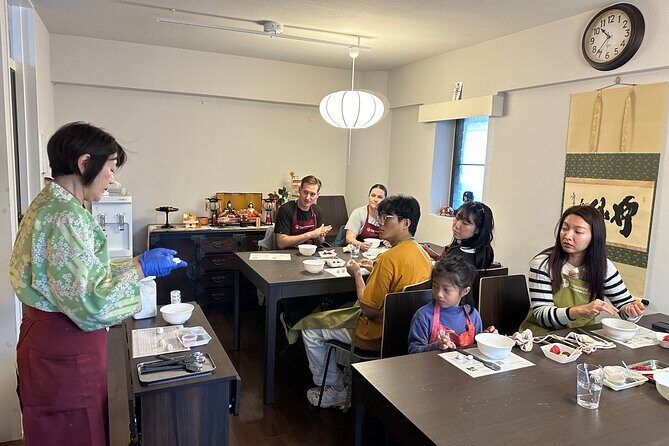
This class is in Meguro, Tokyo, in a real apartment home (not a storefront kitchen). The meeting point is listed at 1-chōme−3−16 プレジデント目黒ハイツ, and it’s near public transportation, so you’re not stuck with a taxi-only plan.
What makes this feel special is the setting. When a workshop happens in a lived-in space, you notice details you’d never get from a polished tourist venue, like how the teaching is paced and how the host explains the tools and process. You also get that sense of being let in for a craft lesson, not herded through an experience.
There’s also a practical upside. A maximum group size of 8 keeps the pace manageable, especially when you’re learning techniques that depend on texture and timing.
You can also read our reviews of more private tours in Tokyo



What you’ll make in 2 hours 30 minutes
The workshop runs about 2 hours 30 minutes, and it follows a clear sequence from background to hands-on making to tasting. You’ll start with mochi, move into dango, then shift to nerikiri—the sculpted wagashi that looks almost too pretty to eat.
Here’s the practical goal: you’ll leave knowing how to repeat the key steps at home. You’ll also get an English recipe sheet and aprons are provided. That pairing matters, because wagashi is fussy; an ingredient list alone isn’t enough without understanding how the dough should feel and how to shape it.
And because the class ends with tea, you’re not just making sweets. You’re learning how they’re served—matcha (or another non-caffeinated tea) with a short talk connecting the craft to Japanese hospitality and Chado.
The mochi part: seasonal context before your hands get sticky
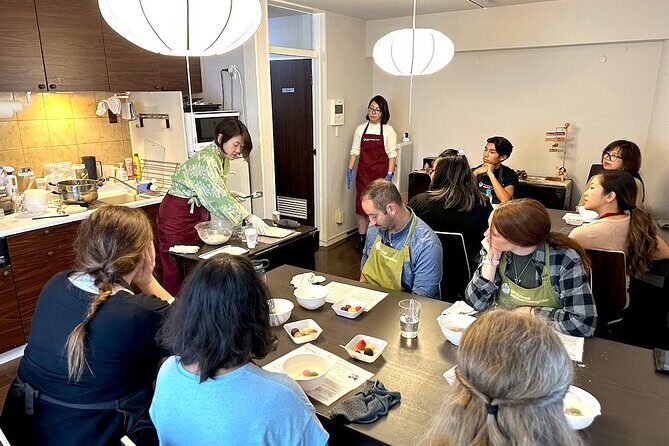
The class opens with a presentation about mochi traditions and festivals. This isn’t generic trivia. It helps you understand why mochi shows up at certain times of year, which makes the making part feel more meaningful and less like a cookie-cutter cooking lesson.
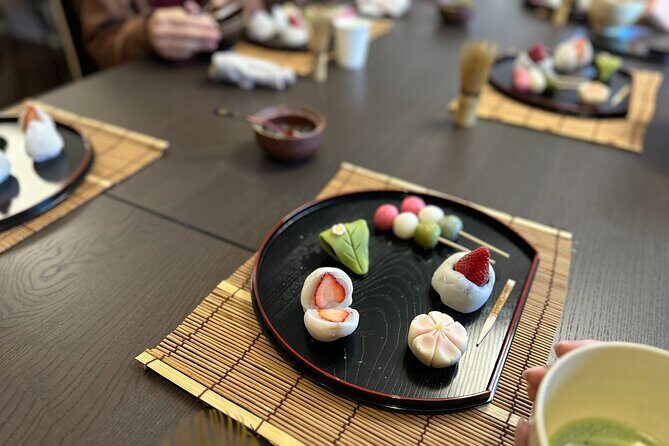
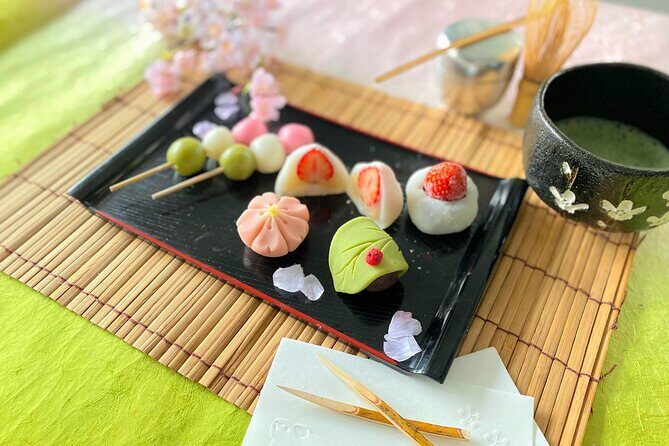
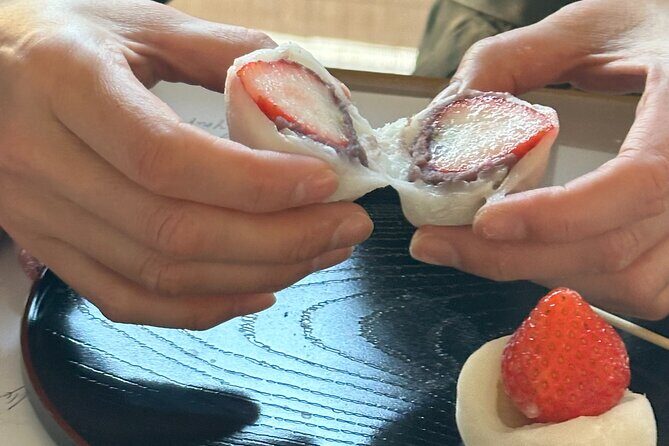
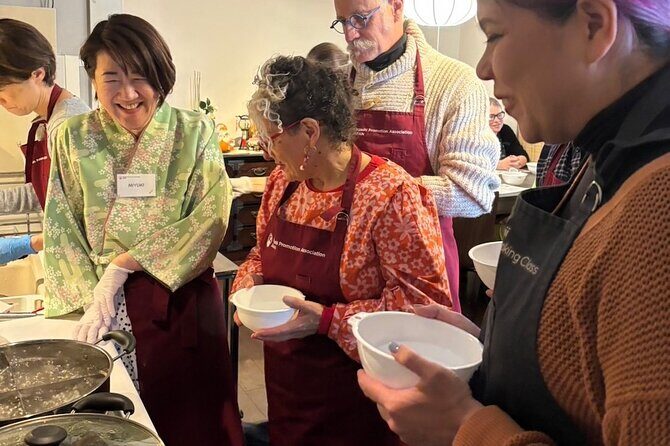
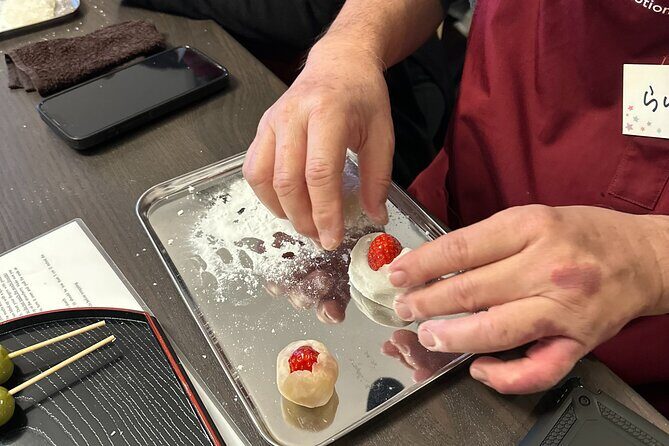
Then you jump directly into hands-on work. You’ll make strawberry daifuku mochi—the classic chewy mochi with sweet filling—and you’ll also make three-color dango on skewers. The three-color dango part is especially fun because color and shape aren’t decoration-only; they’re part of how wagashi communicates season and mood.
What I like here is the learning rhythm. The instructor guides you step-by-step, and you practice long enough to adjust when dough isn’t cooperating. Several past participants praised the patience and organization of the hosts, including instructors named Yukka, Waka, Miho, Satoko (Satoko San), Miyuki Suyari, and Kaoru. That pattern matters: wagashi rewards calm hands, and you’ll feel that.
Nerikiri wagashi: turning dough into a seasonal motif
After mochi and dango, you move into nerikiri. This is where the class turns from tasty to artistically challenging—in a good way.
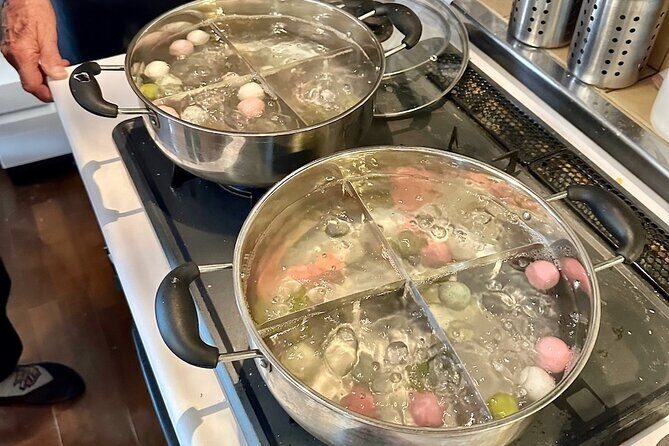
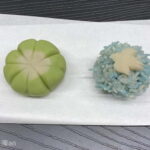
First, the instructor shows you how to make the nerikiri dough. Then comes the coloring and shaping. You’ll form your own nerikiri wagashi into a seasonal motif, using the dough techniques and shaping methods the instructor demonstrates.
Nerikiri is often described as delicate, but the real skill is control. You’re working with dough consistency, color handling, and final form. Getting it right takes practice, and that’s why having a certified Nerikiri Art Instructor matters. One of the most appreciated parts of the experience is that you’re not just watching a professional do it; you’re doing it, with instruction while you figure out the “feel.”
One bonus layer from the experience: you’ll learn symbolism tied to the color and shapes. That’s not just for show. It helps you understand why someone chose a particular motif and why certain colors matter in Japanese seasonal sweets.
Matcha finish and the Omotenashi/Chado connection
At the end, you taste what you made with a bowl of matcha green tea, and you’ll learn how to make the matcha that accompanies the sweets. Even if you’ve had matcha in Tokyo before, you’ll likely appreciate the difference between ordering it and making it yourself with the right attention.
The instructor also shares a short talk about Omotenashi, the hospitality spirit linked to Chado (tea ceremony). This part is brief, but it gives context for why the tea and sweets pairing matters. It’s not only about flavor; it’s about presentation, care, and timing.
If you’d rather avoid caffeine, the class includes non-caffeinated tea as an option. That’s a small detail, but it helps if you’re sensitive or if you’re bringing kids who need an easier finish.
A few more Tokyo tours and experiences worth a look



Price and what you actually get for $91.96
The price is $91.96 per person for a roughly 2.5-hour private-home workshop with hands-on making. That’s not cheap, but it’s also not just a snack event. You’re paying for:
- Step-by-step teaching from an instructor fluent in English (and certified in nerikiri)
- A small group size (max 8), which makes a big difference when you’re shaping sweets
- Multiple wagashi styles made from scratch (daifuku mochi, three-color dango, nerikiri)
- Included tasting with tea
- Aprons and an English recipe sheet you can take home
Value here comes from instruction time. Wagashi doesn’t teach itself. If you’ve ever tried DIY mochi at home, you already know the texture can go wrong fast. This class reduces that guesswork with guidance while you’re actively working.
Also consider planning value. This experience is often booked about 48 days in advance on average, which suggests it’s popular. If your dates are fixed, start looking early so you can pick morning or afternoon.
How to plan your day around morning vs afternoon
You can choose either a morning or afternoon class, and that flexibility helps a lot in Tokyo. If you want your day to stay light, morning can work well because you’ll likely be done before dinner rush crowds. If you prefer a slower start, afternoon keeps the morning open for neighborhoods and shopping.
Because transportation to and from the class isn’t included, you’ll want to build in transit time. The good news is that the location is near public transportation, so it’s usually straightforward to reach.
One more practical note: the class is non-smoking, and it’s in a home environment. Keep expectations realistic—this isn’t a commercial kitchen with endless space.
Who this class is best for (and who should think twice)
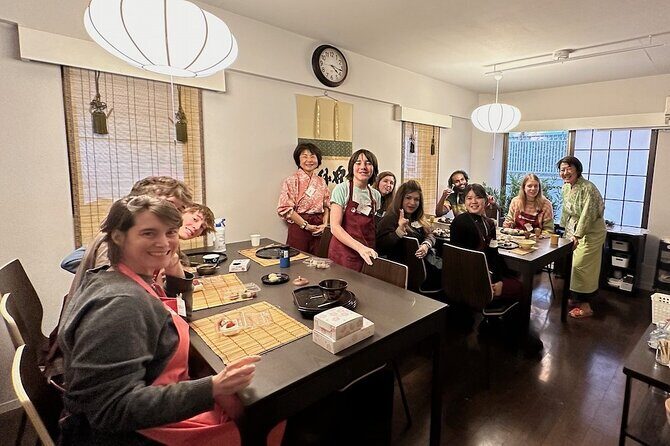
This workshop is a strong fit if you want something more hands-on than a typical food tour. It’s ideal for people who like craft work, enjoy learning technique, and want a take-home skill rather than just photos and edible souvenirs.
It’s also very family-friendly on the age requirement. The minimum age is 4, and one family even brought a 7-year-old who had a great time. That said, observers aren’t allowed to sit in class, so plan so that the kids (and adults) are actually participating.
If you’re traveling with someone who only wants to watch, this might feel limiting. Everyone who comes needs to take part, because the seating and participation are set for the class itself.
Finally, if you care about diet specifics, you’ll appreciate that ingredients are plant-derived and gluten-free. That’s a meaningful inclusion when you’re eating in a new country.
Tips to get the most out of your wagashi lesson
You’ll have the best time if you treat the workshop like a skills class, not a performance. Wagashi is precise, and the goal is to follow the process closely, especially for dough texture and shaping.
Arrive ready to get hands-on. Aprons are provided, but you’ll still want to wear clothes you don’t mind getting a little messy. Keep your phone handy for the moment you’ll want to compare what you made to the instructor’s finished look—then put it away so you can focus on the hands-on steps.
If you’re the type who loves shopping, ask the instructor where to buy tools once you get home. Past participants specifically mentioned getting advice on where to shop or what to sightsee in Tokyo, and that local guidance is one of the most useful parts of this kind of home-hosted class.
Should you book this wagashi workshop?
Yes, if you want a real craft experience in Tokyo. The biggest reason to book is the combination of small group size, multiple hands-on sweets, and an instructor who can teach nerikiri techniques in clear English. You’re not just tasting; you’re learning how to make sweets from scratch and then finishing with matcha.
I’d skip it or think twice if you need a purely passive activity. Because observers aren’t allowed to sit in class, this experience works best when everyone in your party plans to participate. And if you’re traveling with very small kids, the minimum age of 4 may rule it out.
If you’re aiming for one “do it yourself” day in Tokyo—something that feels local, focused, and genuinely repeatable at home—this workshop earns its place on the calendar.
FAQ
What sweets will I make during the class?
You’ll make strawberry daifuku mochi and three-color dango, and you’ll also learn how to make and shape nerikiri wagashi into a seasonal motif.
How long is the workshop?
The duration is about 2 hours 30 minutes.
How big is the group?
This experience has a maximum of 8 travelers.
Can I choose a morning or afternoon session?
Yes. You can choose either a morning or afternoon class to fit your schedule.
Is there tasting at the end?
Yes. You’ll taste the sweets with matcha green tea, and you’ll learn how to make the matcha. Other non-caffeinated tea is also available.
Are there dietary restrictions supported?
All ingredients are plant-derived and gluten-free.
What’s the minimum age to attend?
The minimum age is 4 years. Children under 4 aren’t allowed in class due to safety reasons.
Is transportation or hotel pickup included?
No. Hotel pickup and drop-off are not included, and transportation to and from attractions isn’t included. The meeting point is near public transportation.
Where does the class meet?
It meets at Japan, 〒153-0063 Tokyo, Meguro City, Meguro, 1-chōme−3−16 プレジデント目黒ハイツ, and it ends back at the same meeting point.