REVIEW · TOKYO
Kamakura Full Day Walking Tour with Local Expert Guide and Pickup
Book on Viator →Operated by JewelTours.Japan · Bookable on Viator
Kamakura is best when someone else maps it. This private day trip strings together the big sights plus the small context you miss on your own, from Kotoku-in’s Great Buddha to the Money-Washing ritual at Zeniarai Benten. I especially liked how the guide turns each stop into a story you can actually remember, and how the day feels efficient without feeling rushed. The main catch is the walking: it’s a temple-and-stairs day, and it can be rough in heat or for anyone with limited mobility.
If you want an easier Japan day, this is built for you. Pickup from your Tokyo hotel (or cruise port/airport) means you skip the first round of confusion and get straight into the route. Just know the big attractions include both free sites and places where you’ll pay entry fees once you’re there, plus you’ll handle food and drinks on your own.
One more practical thing: this is a private tour, so it’s not a “wander anywhere” free-for-all. If your group wants extra stops on the fly, you’ll need to communicate that early—otherwise the plan stays tightly focused on Kamakura’s top highlights.
In This Review
- Key things that make this Kamakura day tour work
- Why Kamakura feels like a real day off from Tokyo
- Pickup and timing: the easiest way to start in Tokyo
- Kotoku-in and the Great Buddha: your first major anchor
- Tsurugaoka Hachimangu: the shrine that anchors the town
- Zeniarai Benten: the ritual you can actually picture
- Meigetsuin (Hydrangea Temple): a calmer pace with seasonal appeal
- Engaku-ji: Zen calm with a hills-and-temples vibe
- Komachi-dori: where the day turns into town time
- Price and value: what you’re really paying for
- What the best guides seem to do right
- Walking, weather, and who should book (or skip)
- Should you book this Kamakura full-day walking tour?
- FAQ
- How long is the Kamakura full-day walking tour?
- Is this tour private or shared with other people?
- What does pickup include?
- Are temple and shrine entry fees included?
- Is food and drink included?
- Do I need to pay for transportation during the day?
- What are the tour operating hours?
- What stops will we see in Kamakura?
- Can I cancel for free?
Key things that make this Kamakura day tour work
- Hotel (or port/airport) pickup so you start the day with zero routing stress
- A private local guide who connects Shinto and Zen details to what you see
- A tight list of classics across seaside temples and shrine grounds
- Mix of paid and free admissions, so you’re not surprised at every stop
- A walking route that’s great for views, but plan for legs and weather
- Mobile tickets and a day designed around an efficient one-day loop
Why Kamakura feels like a real day off from Tokyo
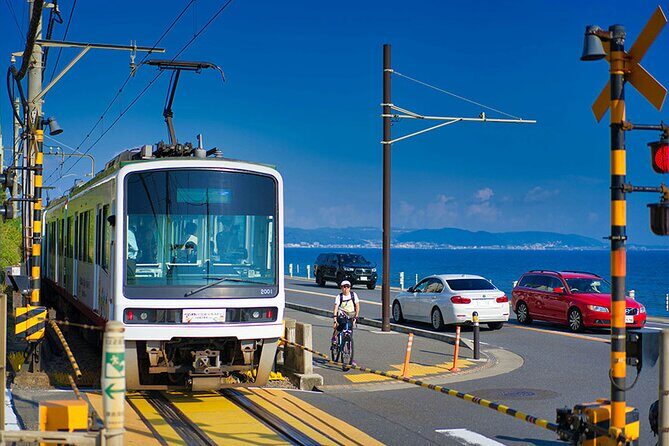
Kamakura sits about an hour south of Tokyo, and it has that rare mix of seaside calm and sacred sites. In one day you can cover major temples and shrines without bouncing between multiple towns. I like it because the town itself adds texture: street life around Komachi-dori, coastal temple grounds, and that old-meets-modern feel.
The big advantage here is simple: you get a guided route through a place that can be tricky if you’re not confident with Japanese signs or transit. When your guide is leading, you spend time looking instead of scanning maps every ten minutes. And because it’s private, your pace can be more human than a group bus day.
The tradeoff is that Kamakura isn’t “sit-and-smile” sightseeing. You’ll be moving through temple areas and walking between stops, including a scenic walk near Zeniarai Benten.
You can also read our reviews of more walking tours in Tokyo


Pickup and timing: the easiest way to start in Tokyo
The tour offers pickup from Tokyo hotels, cruise ports, or airports, and it’s round-trip. That matters because getting to Kamakura is only half the battle; the other half is understanding how to move between temple areas once you’re there.
You can also choose flexible departures, either starting early or opting for a later rhythm. The operating window shown for the experience is 9:00 AM to 1:00 PM, so you’ll have options depending on how you want to manage crowds and heat. If your group likes a quiet start, pick the earlier departure.
This is also designed so the time spent transferring between places is already counted in the overall day. You’re not promised private vehicle transport, so expect to use public transport and walking as part of the day’s rhythm. The private guide role is what keeps it smooth.
Kotoku-in and the Great Buddha: your first major anchor
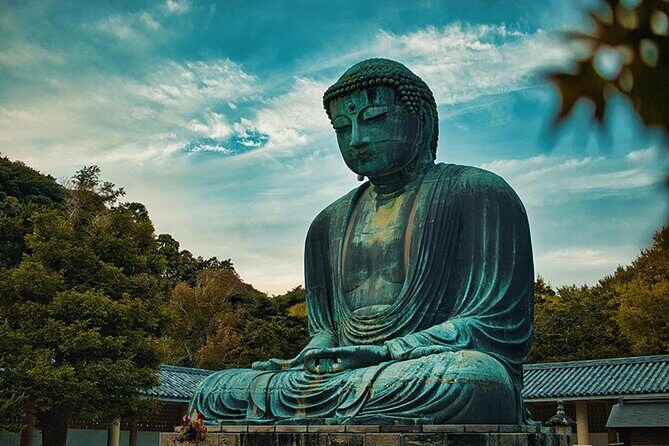
Kotoku-in is the headline stop, and the Great Buddha is the kind of sight that immediately sets the tone for Kamakura. The bronze figure stands over 11 meters tall, and even if you’ve seen photos, in person it lands differently—solid, weighty, and a bit humbling.
You’ll spend about 30 minutes here. That’s enough time to get your bearings, look at the details, and take in the overall setting. Admission isn’t included, so plan to pay the entry fee on site.
What I like about starting here is that it gives you a framework before you move into the smaller, ritual-focused shrines later. Once you’ve seen the scale of Kotoku-in, the rest of the day feels more connected instead of like random stops.
Tsurugaoka Hachimangu: the shrine that anchors the town
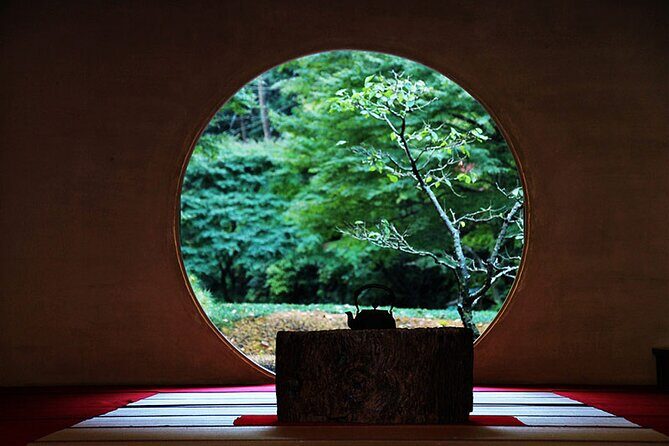
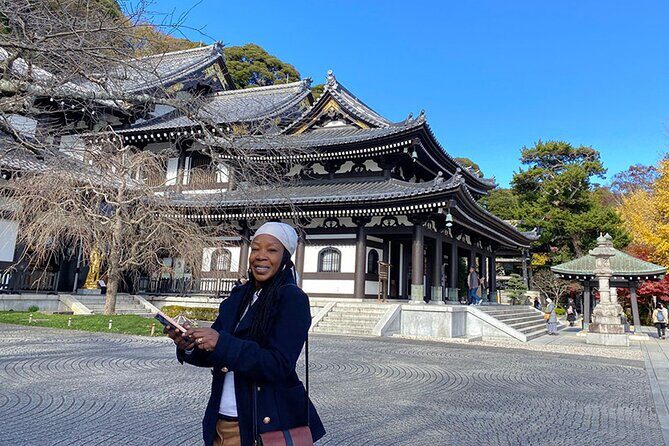
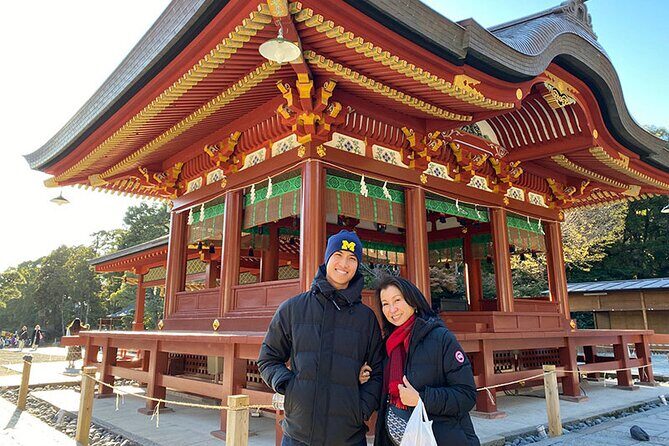
Next up is Tsurugaoka Hachimangu Shrine, often described as the spiritual heart of Kamakura. The grounds blend tradition with a very “lived-in” feel—walkways, greenery, and the sense that this place has been meaningful for a long time.
You’ll have about 45 minutes here, and admission is listed as free. This stop tends to be a good breather: you can slow down, watch how people move through the shrine areas, and let the guide explain what you’re seeing in plain terms.
If you like Shinto symbolism, this is one of the best places to pick up the basics without turning it into homework. And since your guide can tailor explanations to your questions, it helps the shrine feel readable rather than just pretty.
Zeniarai Benten: the ritual you can actually picture
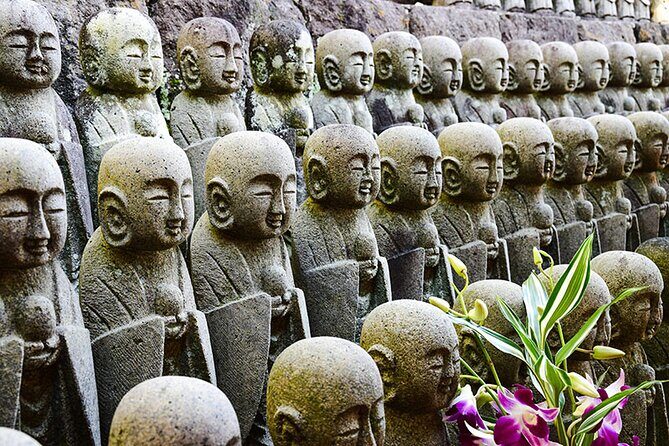
Zeniarai Benten Shrine is one of those places where the story matters as much as the setting. It’s known for a ritual where people wash money in hopes of prosperity. That sounds odd until you stand there and realize it’s the kind of belief that has powered people’s choices for generations.
This stop is about 45 minutes, and admission is free. The shrine is near Genjiyama Park and you’ll also see the area via a scenic walk—about 30 minutes from Kamakura Station is noted for reaching it.
This is where I’d expect the tour to feel most memorable for visitors who want more than postcard photos. It’s specific, local, and it gives you a window into how everyday hopes and rituals overlap. If your group likes quirky traditions, you’ll probably enjoy this stop the most.
You can also read our reviews of more guided tours in Tokyo



Meigetsuin (Hydrangea Temple): a calmer pace with seasonal appeal
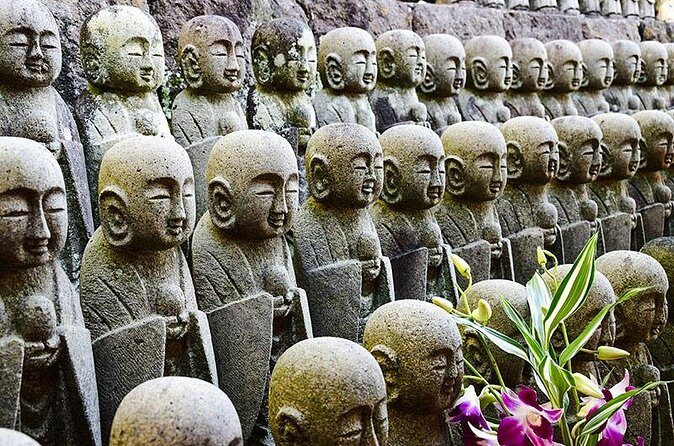
Meigetsuin is often called the Hydrangea Temple (also known as Ajisaidera), and the draw is the seasonal blooms plus the calm temple atmosphere. Even if you’re not traveling during peak hydrangea season, the point is that the temple is arranged for long looks and quiet moments.
Plan on 45 minutes here, and admission is listed as not included. That means you’ll budget for the ticket at the gate, same as with Kotoku-in.
This stop works well after the more iconic sights because it changes the texture of the day. Instead of “big monument energy,” you get a more meditative pace and a chance to slow down your feet and recharge your brain before the next temple.
Engaku-ji: Zen calm with a hills-and-temples vibe
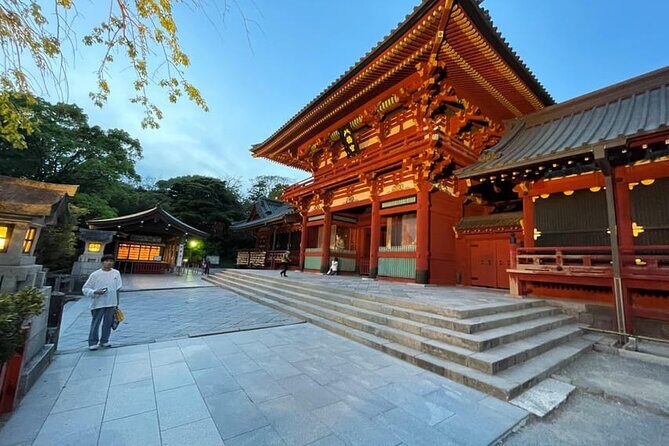
Engaku-ji is a Zen temple in the hills, and it’s one of the major temple sites in Japan. The setting matters here: you’re moving through a temple landscape that feels quieter than the streets below. Your guide can help you understand what you’re looking at, so the visit feels intentional instead of like walking through labels.
You’ll spend about 45 minutes, and admission is listed as not included. This is another stop where paying attention to the guide’s context is worth it; Zen sites can look similar if you’re only seeing them through the “temple photo” lens.
In my view, Engaku-ji is the stop that balances the day out. After shrine rituals and big Buddha scale, it gives you a chance to step back and absorb the atmosphere.
Komachi-dori: where the day turns into town time
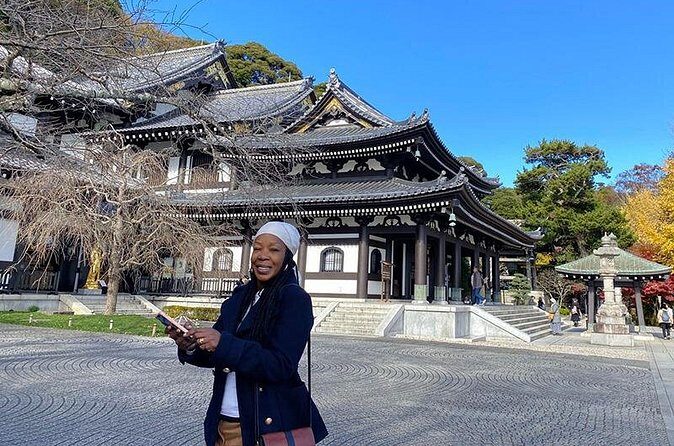
Between temple areas, Kamakura’s Komachi-dori street is where the town shows its everyday side. You’ll walk along Komachi Street Honten, and the focus is on shops, traditional crafts, and local treats.
This stop also runs about 45 minutes, and admission is free. It’s a smart addition because it keeps the day from being only religious sites. You get space to snack, browse, and reset your energy.
Practical tip: wear shoes that can handle steady walking. Komachi-dori plus the temple route means your legs will be the real “transport.” If your group tends to get tired fast, treat this stop as a planned recovery, not a quick stroll.
Price and value: what you’re really paying for
The tour price is $118.88 per person, and on average it’s booked about 39 days in advance. That price buys you a private guide, a full-day route, and pickup plus round-trip transfers from Tokyo locations. It also includes mobile tickets and support during your time in Japan before and after the tour.
What’s not included is where many people feel sticker shock. Entry fees aren’t included, and food and drink aren’t included. Private transportation also isn’t included, so expect to pay for whatever public transit and local travel costs are required during the day.
Is it still good value? For most visitors, yes, because one guided day can save you from the uncertainty of transit logistics and the effort of researching every site. You’re paying for time and clarity. If you’re traveling as a confident DIY transit user who already knows the routes and temple order, you might spend less on your own. But if you’d rather spend the day actually seeing, this is built for that.
My advice: budget a little extra for temple tickets and keep a comfortable plan for meals. If you do that, the day stays fun instead of stressful.
What the best guides seem to do right
A big theme in the experience is guidance that makes the sites click. Guides named in people’s experiences—Lana, Raffa, Brian, and Colt—are repeatedly described as helpful and making the day enjoyable.
That matters because Kamakura is a place where many sites are meaningful, but the meaning isn’t always obvious at a glance. A good guide helps you notice what’s in front of you and explains why it’s there, in everyday language.
If you care about learning how Japan’s religions show up in real places—Shinto shrine life and Zen temple culture—this tour style fits that goal. It also helps with navigation, especially around stations and between temple areas.
Walking, weather, and who should book (or skip)
This is a walking tour. One of the clearest considerations is that you’ll be on your feet for a long day, and it’s not ideal for hot weather or limited mobility. Even though you’re traveling with help, the route still requires movement between sights.
So who fits best? I’d say:
- Families who want a guided intro without map stress
- First-timers in Japan who want a structured day
- People who like temple/shrine culture and want context, not just photos
- Anyone who values pickup and doesn’t want transit anxiety
Who might struggle:
- Anyone with knee issues or mobility limits
- People who get wiped out by long walking days, especially in heat
If that’s you, you could still visit Kamakura, but you might prefer a route with fewer walking sections. The tour itself is designed for seeing a lot, not for low-effort touring.
Should you book this Kamakura full-day walking tour?
Book it if you want a tight, one-day route through Kamakura’s most important shrines and temples, with pickup and a local guide doing the translation work for both language and meaning. The day is efficient, the stops are varied, and the private setup helps you keep your pace.
Skip or reconsider if your group is very sensitive to walking time, or if you hate the idea of paying on-site for temple entries and handling your own meals. Also, if you already know exactly how you’ll move through Kamakura and you want total freedom to wander without a schedule, a DIY day could be cheaper.
If you do book: show up with comfy shoes, a water plan, and a small buffer for entry fees. Then let the guide do what you hired them for—making Kamakura make sense fast.
FAQ
How long is the Kamakura full-day walking tour?
The tour runs about 8 hours.
Is this tour private or shared with other people?
It’s private. Only your group participates.
What does pickup include?
Pickup and round-trip transfers are included from Tokyo hotel, cruise port, or airport. The experience ends back at the meeting point.
Are temple and shrine entry fees included?
No. Entry fees are not included. Some stops listed as free do not require a ticket, but others do.
Is food and drink included?
No. Food and drink are not included.
Do I need to pay for transportation during the day?
Private transportation is not included. The tour includes transferring time within the total duration, so you should expect to rely on public transport and walking as part of the day.
What are the tour operating hours?
The activity shows opening hours from 9:00 AM to 1:00 PM, Monday through Sunday.
What stops will we see in Kamakura?
You’ll visit Kotoku-in (Great Buddha), Tsurugaoka Hachimangu, Zeniarai Benten Shrine, Meigetsuin (Hydrangea Temple), Engaku-ji, and Komachi Street Honten.
Can I cancel for free?
Yes. You can cancel for a full refund if you cancel up to 24 hours in advance of the experience start time.
If you tell me your travel dates and where you’re starting from in Tokyo, I can help you think through a good start time and what to budget for on-site.