REVIEW · KYOTO
Kyoto: Early Bird E-Bike Tour with Lunch
Book on GetYourGuide →Operated by Cycle Kyoto · Bookable on GetYourGuide
Starting Kyoto by bicycle is a smart way to beat the day’s crowds, and this early run hits the big sights fast without feeling rushed. I especially like the morning coffee stop that grounds the ride, and I love that the route layers temples plus neighborhoods in one smooth loop. One thing to think about: this is still riding, so it’s not for people who can’t comfortably handle a bike (and it’s not ideal if you have back problems or are pregnant).
Because you start early, you spend more time looking and less time waiting. You’ll get a short safety briefing with your small group, then roll out to see UNESCO-listed Kyoto highlights before they get crowded, with an English guide who keeps the pace friendly.
In This Review
- Key highlights worth waking up for
- Why Start Early: Fushimi Inari Before the Lines
- Cycle Kyoto Meeting Point, Safety Briefing, and E-Bike Comfort
- Fushimi Inari Taisha and the Kamo River Breathing Space
- Tofukuji, Coffee Break, and the Real Pace of a Good Guided Morning
- Ginkaku-ji and the Path of Philosophy: Classic Kyoto, Slower and Smarter
- Nanzenji Temple Grounds, Gardens, and the Red Brick Aqueduct
- Lunch at a Local Restaurant and How to Fuel the Afternoon
- Heian Shrine to Gion Streets: From Temple Calm to City Charm
- Shirakawa Canal Riding and Higashi-Honganji Temple at the End
- E-Bike Reality Check: Hills, Pace, and Who This Fits
- Value for $135: What You Get Beyond the Sights
- Should You Book This Early-Bird Kyoto E-Bike Tour?
- FAQ
- What is the duration of the Kyoto early-bird e-bike tour?
- What’s included in the price?
- Is hotel pickup and drop-off included?
- Where do I meet the tour?
- How big is the group?
- Is the guide available in English?
- What should I bring for the ride?
- What’s not allowed during the tour?
- Is this tour suitable for everyone?
- Is free cancellation available?
Key highlights worth waking up for
- Fushimi Inari Taisha before the crowds means cleaner photos and less stop-and-go frustration.
- Ginkaku-ji plus the Path of Philosophy gives you a classic Kyoto walk feel, but with e-bike timing.
- Nanzenji Temple gardens and the red brick aqueduct add variety beyond the usual temple stops.
- Coffee and a sit-down lunch keep the tour human, not just a checklist.
- Gion on two wheels plus Shirakawa Canal adds neighborhood charm without the long transit hassle.
- Small group size (up to 8) helps you get questions answered and adjust your pacing.
Why Start Early: Fushimi Inari Before the Lines
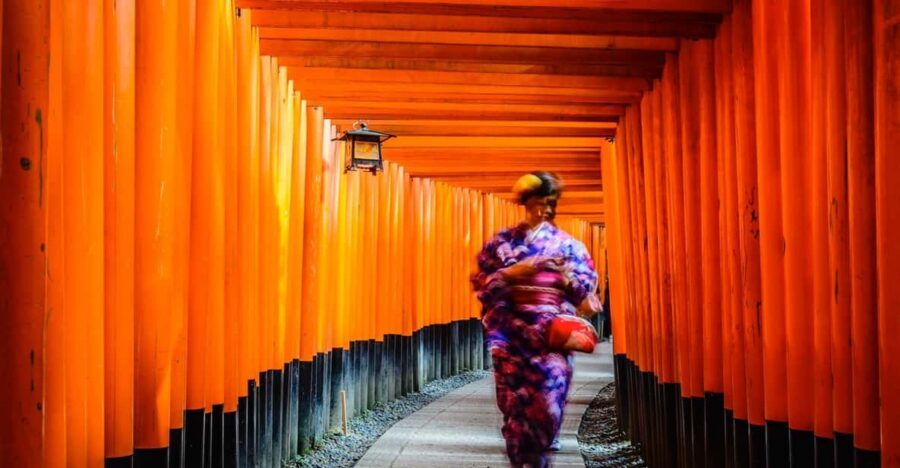
The whole point of an early-bird tour is simple: Kyoto’s most famous places are still famous even when you’re tired, and they get crowded fast. This route is designed to get you at Fushimi Inari Taisha early enough that you’re not battling the biggest surge of people. You’ll join a guided walk there for about 45 minutes, which is just long enough to appreciate the vibe of the torii gates without turning it into a slog.
You’re also using an e-bike strategically. Instead of wasting the morning on long transfers across town, you’re cycling south right away, so you can spend the energy on seeing, not on getting there. I like that the day isn’t only temples-in-a-row. After Inari, the tour keeps rolling through Kyoto’s everyday streets, parks, and river areas, so the famous sights feel connected to real city life.
If your goal is to see a lot in one day but still enjoy it, the early timing matters more than most people expect.
You can also read our reviews of more cycling tours in Kyoto
Cycle Kyoto Meeting Point, Safety Briefing, and E-Bike Comfort
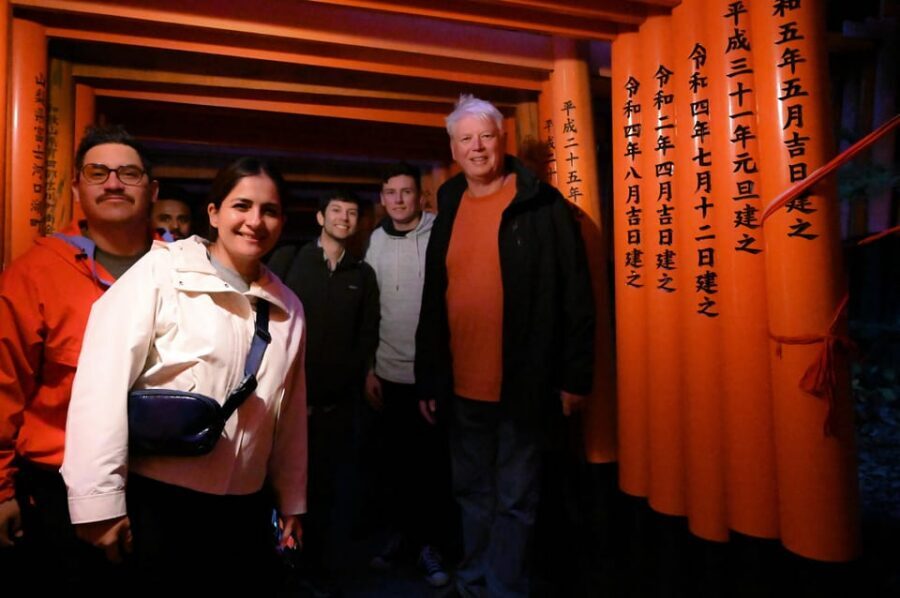
You meet at Cycle Kyoto near JR Kyoto Station. The directions are straightforward: walk past Avanti, cross the traffic lights, go past the Daily Yamazaki convenience store, then turn left at the next opportunity. Arrive about 15 minutes early so you’re not rushing through setup.
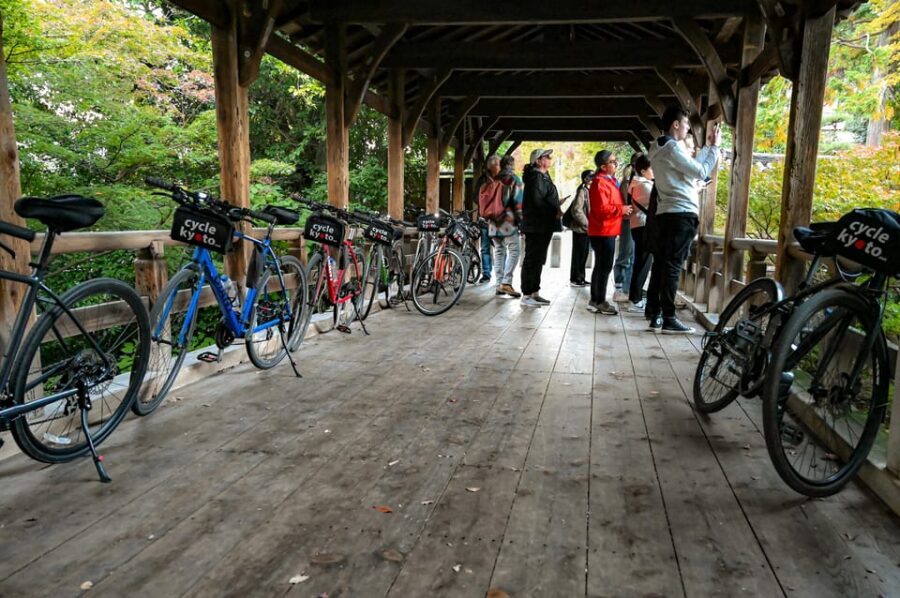
Before you ride, there’s a short 15-minute safety briefing. You’ll get oriented to the e-bikes and the basic rules of riding together. Helmets and water are included, which is a real practical win for a morning that can swing from cool to sunny. The tour also asks you to bring comfortable shoes and warm layers, plus hat, sunscreen, and gloves. That’s not overkill in Kyoto, where mornings can feel brisk and afternoons can turn bright.
The e-bikes help a lot, but don’t mistake this for a ride where you do zero work. Plan for some balance and light pedaling through a day that mixes temple approaches and neighborhood streets. If you want a gentle, mostly flat sightseeing stroll, you may find the bike element a bit demanding.
Fushimi Inari Taisha and the Kamo River Breathing Space
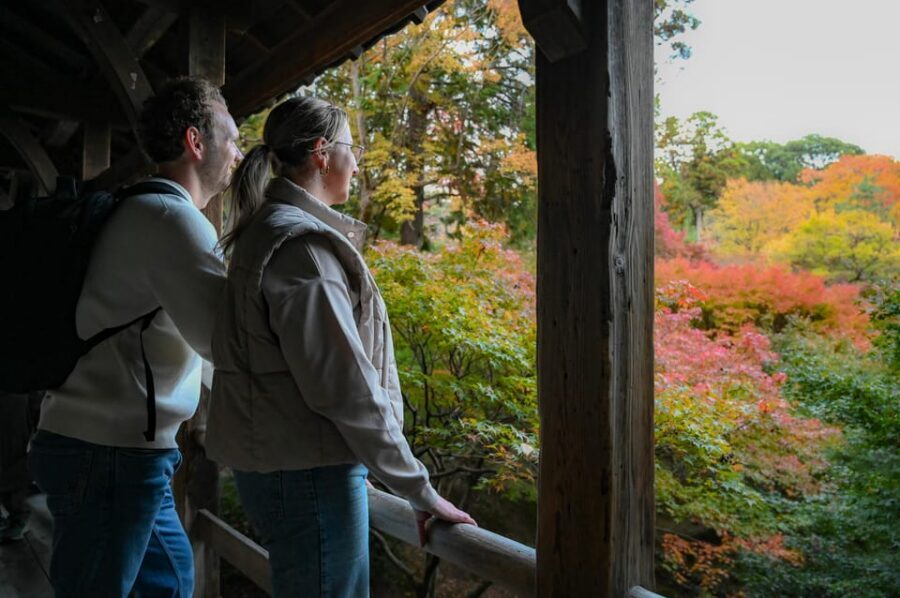
Fushimi Inari Taisha is iconic for a reason, and the guided portion helps you look beyond the obvious. You get about 45 minutes there with your guide, so you can actually understand what you’re seeing while you walk through the torii gates. Going early helps with your attention span too. When the crowds are thick, you stop noticing details and just focus on moving.
After Inari, the tour shifts to the calmer rhythm of the city. You’ll spend time by the Kamo River for about 40 minutes. This part is valuable because it’s not another temple lineup. It’s a reset: a scenic break that lets you catch your breath, see how people move around Kyoto during the morning, and enjoy the ride without constantly stopping for every photo.
This is also where you’ll appreciate that the tour timing is built for flow. You’re not stuck on one site for hours, then waiting around elsewhere. Instead, you’re mixing guided time with ride-and-rest time.
Tofukuji, Coffee Break, and the Real Pace of a Good Guided Morning
The morning isn’t only about the big-name must-sees. Your route includes Tofukuji Temple as part of the early-day sightseeing. Even if you’re mainly chasing the headline Kyoto temples, adding Tofukuji helps the day feel layered rather than repetitive.
Then comes one of the best parts of the tour: a local café break with morning coffee (about 20 minutes). Coffee stops in Kyoto can be either a quick take-away moment or an actual sit-down pause. This one is set up so you can stop, warm up, and rejoin the group without stress. It’s also a practical moment to check how your legs feel before you head deeper into temple country.
This tour has live English guides, and in past groups you may meet friendly instructors such as Julian, Indra, Carl, or Karl. A common theme in the guide style is that they keep the day moving but still explain what matters, including little context that you won’t get from reading a plaque alone. If you like learning as you go, that approach is a big part of the value.
Ginkaku-ji and the Path of Philosophy: Classic Kyoto, Slower and Smarter
Next up is Ginkaku-ji (the Silver Pavilion). You’ll get about one hour there with your guide, which is ideal. It’s enough time to understand the temple’s role in Kyoto’s cultural landscape and still wander at a human pace instead of rushing through photo stops.
After Ginkaku-ji, you roll toward the Path of Philosophy. This is one of those Kyoto routes people talk about because it has a walk-by-feel that’s hard to replicate on a checklist. Here, you’re not stuck in a slow march through the whole length. Instead, the tour is designed to give you a taste of the experience as you move through the area and keep your morning energy.
One practical point: the Path of Philosophy and similar “stretch” sightseeing areas can get crowded later in the day. This is where the early-bird strategy pays off again. You’ll be moving through before the worst of the crush, which means you can enjoy the rhythm of looking without constantly turning into a traffic jam.
If you’re the type who likes to pause when something catches your eye, this section fits you well.
A few more Kyoto tours and experiences worth a look
Nanzenji Temple Grounds, Gardens, and the Red Brick Aqueduct
After lunch time later in the day (more on that next), you’ll visit Nanzenji Temple. The focus here is the temple grounds and gardens, plus architectural details that make Nanzenji feel different from many other Kyoto stops.
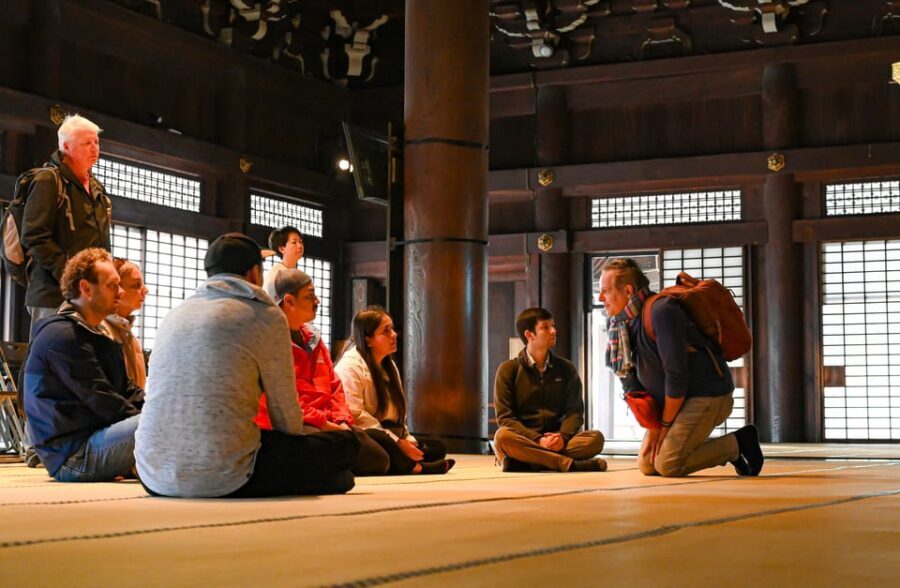
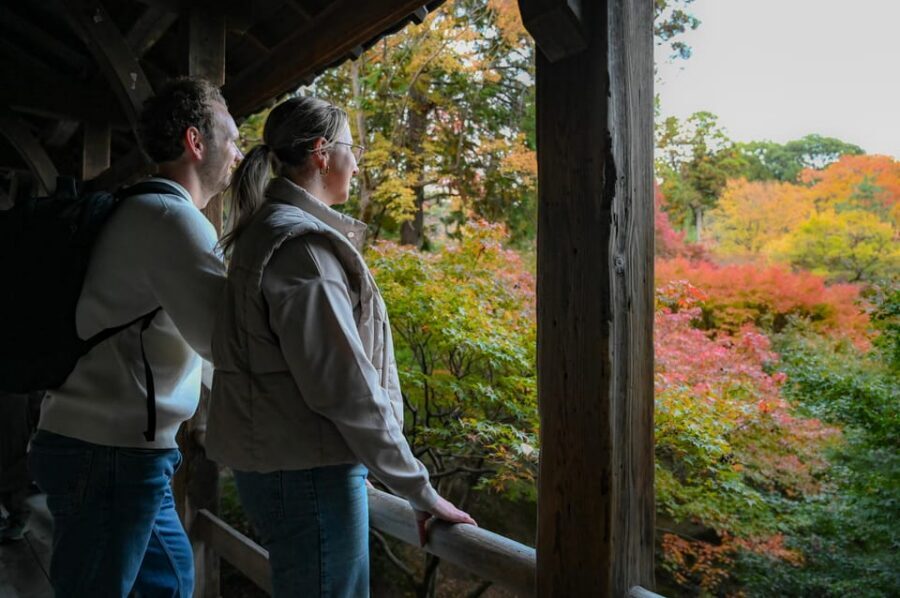
Your guided portion at Nanzenji is about 35 minutes, which is a strong length for grounds because it gives you time to look at buildings, stroll through garden areas, and notice smaller features rather than only staring from a distance. You’ll also see the red brick aqueduct, a dramatic element that creates that classic Kyoto contrast of old religion and more industrial-style structure. Even if you’re not an architecture fanatic, it tends to pull your attention quickly.
This stop is also a reason the e-bike format works so well. You’re moving through different “moods” of Kyoto in one day: gates and shrines, rivers and paths, then gardens and temple buildings. If you tried to do all of this by train plus long walks, your day would likely feel more tiring than enjoyable.
Lunch at a Local Restaurant and How to Fuel the Afternoon
You’ll take a sit-down lunch at a local restaurant during the middle-to-late part of the day, with about 40 minutes allocated for the meal break. Lunch is included, along with morning coffee earlier and water throughout.
What’s good about building in a full lunch stop is simple: Kyoto days can drain you even when you think you’re moving at a reasonable pace. This meal time helps you avoid the classic mistake of grabbing something on the go and then paying for it later when you’re less patient at the next stop.
Since snacks and extra drinks aren’t included, plan to make lunch your main food moment. If you know you get thirsty or snacky, you can bring a bit of backup outside the tour inclusions, but keep it simple so you’re not carrying extra clutter while riding.
Heian Shrine to Gion Streets: From Temple Calm to City Charm
After Nanzenji, the itinerary moves on to Heian Shrine (about 30 minutes). This stop adds variety, because it gives you a different kind of Kyoto feel than the more enclosed temple-garden scenes. It’s a nice mid-afternoon shift: you can reset your brain, take photos, and continue the theme of seeing more than just the most famous gates.
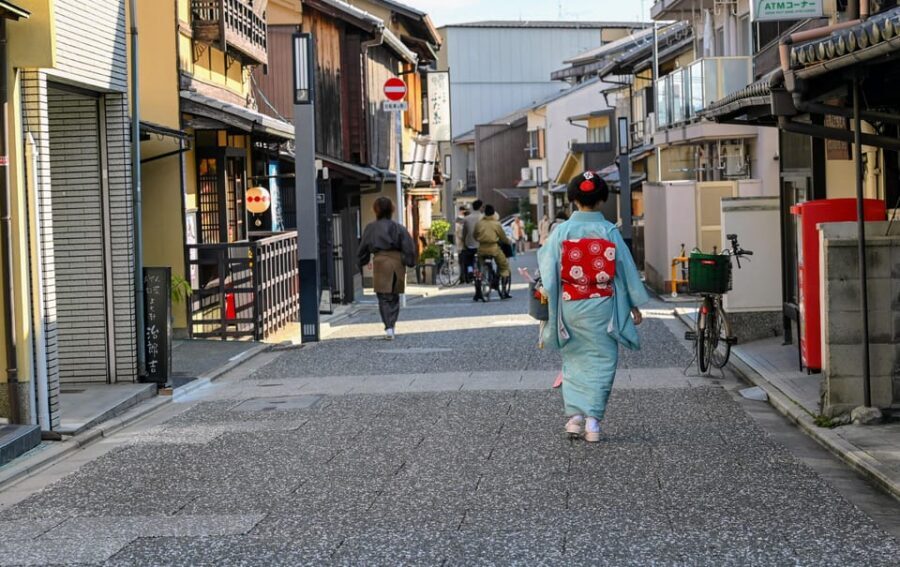
Then comes Gion, where you’ll have about 50 minutes with a guided walk. Gion is one of those places where the street level matters as much as the landmark spots. Even with a guide, the main value is that you get help spotting what to look for while you navigate the area on foot at a pace that feels manageable.
A bike tour also keeps Gion from turning into a logistical nightmare. Instead of spending time crossing the city in transit, you arrive with momentum and can enjoy the neighborhood feel.
Shirakawa Canal Riding and Higashi-Honganji Temple at the End
One of the tour’s best flow moments is the ride along Shirakawa Canal. The canal section is built into the final leg as you move toward Gion and then finish near Higashi-Honganji Temple. You’ll spend about 50 minutes at Higashi-Honganji with guided time, arriving at the gates and then seeing the area in an organized way.
This ending works well because it gives you a sense of closure. After you’ve spent time in Inari, temples, gardens, and streets, you finish with a grand religious site that brings the day back into Kyoto’s architectural spirit.
Timing matters here. If you’re too late, the canal and neighborhood streets can feel more chaotic. This tour’s structure helps you stay in that earlier rhythm.
E-Bike Reality Check: Hills, Pace, and Who This Fits
The tour is called an e-bike tour, and the e-bike rental is included. That said, you still need to ride. Your legs and balance matter, even with motor assist. One helpful reality note from guide-style and past group advice: hills are real in Kyoto, and that’s exactly why an e-bike helps. The motor assistance makes the day enjoyable instead of turning it into a leg-burning chore.
Still, there are clear limits. This experience is not suitable for:
- people who can’t ride a bike
- people with back problems
- pregnant women
If any of those apply, you’ll likely spend the day worrying instead of enjoying. Also, bring the right kit for comfort: gloves, hat, sunscreen, and warm clothing. Kyoto mornings can be cooler than you expect, and you’ll be outside for most of the day.
A final note: no smoking and no alcohol and drugs are allowed. That keeps the tour safe and focused, especially with a small group riding together.
Value for $135: What You Get Beyond the Sights
At $135 per person for a 7-hour small-group tour, the value comes from the bundle. You’re getting:
- e-bike rental and helmet
- live English guide time
- morning coffee
- sit-down lunch
- water
- access to a route that packs multiple major Kyoto areas into one day
You’re not paying extra for the biking logistics, and you’re getting two meals included, which is a big deal in Kyoto where convenience food can add up. Plus, you’re riding with up to 8 participants, so it’s not a giant bus situation where you’re just one face in the crowd. A smaller group generally means you can ask questions and get help when the ride conditions require it.
Is it a budget tour? Not really. But for what’s included and for the time you save versus planning transit yourself, it’s fairly priced.
Should You Book This Early-Bird Kyoto E-Bike Tour?
Book it if you:
- want to hit major sights like Fushimi Inari, Ginkaku-ji, Nanzenji, Gion, and more in one day
- prefer early starts to avoid the worst crowd crush
- like guided context, not just photo stops
- appreciate included meals (coffee plus a sit-down lunch)
Skip it if you:
- can’t comfortably ride a bike or aren’t sure about balance
- have back issues that make riding uncomfortable
- want a slower, walking-only temple day with lots of free time at each stop
If you’re a first-time Kyoto visitor trying to make the most of limited days, this is the kind of tour that makes your schedule feel smarter, not busier.
FAQ
What is the duration of the Kyoto early-bird e-bike tour?
The tour lasts about 7 hours.
What’s included in the price?
You get an e-bike rental, helmet, morning coffee, a sit-down lunch, a live English guide, and water.
Is hotel pickup and drop-off included?
No, hotel pickup and drop-off are not included.
Where do I meet the tour?
Meet at Cycle Kyoto. From JR Kyoto Station, walk past Avanti, cross the traffic lights, walk past the Daily Yamazaki convenience store, then take the next left.
How big is the group?
The group is limited to 8 participants.
Is the guide available in English?
Yes, the live tour guide speaks English.
What should I bring for the ride?
Bring comfortable shoes, warm clothing, a hat, sunscreen, a camera, and gloves.
What’s not allowed during the tour?
Smoking, alcohol, and drugs are not allowed.
Is this tour suitable for everyone?
It is not suitable for pregnant women, people with back problems, or people who cannot ride a bike.
Is free cancellation available?
Yes, you can cancel up to 24 hours in advance for a full refund. Reserve now & pay later is also available.