REVIEW · KYOTO
Kyoto: Enjoy Sushi & Market Tour! Best for Family & Couple!
Book on GetYourGuide →Operated by 株式会社のぞみ · Bookable on GetYourGuide
Sushi starts before you touch rice. In Kyoto, this hands-on workshop takes you to Nishiki Market for fish cutting and then has you crafting your own sushi styles with expert help, plus a meal and dessert.
I especially like two things: you’re not just eating sushi, you’re learning how vinegar rice and dashi/miso flavors come together. I also love the market portion because seeing fish prepared by skilled hands makes the whole cooking class feel real, not theoretical. One thing to consider: this is a structured 2-hour class for a small group, so if you want lots of free-flowing chat, you’ll do best when you actively ask questions during the hands-on parts.
It’s set up for families and couples who want a food activity that doesn’t drag. The class is limited to 10 participants, taught in English and Japanese, and finished with what you made—plus dessert and coffee.
In This Review
- Key highlights you’ll feel in the moment
- Why this 2-hour Kyoto class feels like a smart use of time
- Meeting point location: close enough to pair with classic Kyoto sights
- Nishiki Market: where the workshop gains its flavor logic
- Vinegar rice: the sushi foundation you’ll thank yourself for learning
- Dashi and miso soup: flavor building with real tasting
- Making nigiri, temari, and temaki: your hands learn what your eyes can’t
- The meal, dessert, coffee, and optional sake/beer
- Price and value: what $77 per person really buys you
- Best fit: families, couples, and anyone who wants a real skill
- Should you book the Kyoto sushi and market tour?
- FAQ
- How long is the Kyoto sushi and market tour?
- Where do we meet for the activity?
- How close is the meeting point to major train stations?
- What languages are offered during the class?
- What do you learn to cook during the workshop?
- Do you visit Nishiki Market?
- What is included with the meal after cooking?
- Can I add drinks like sake or beer?
- What if my plans change?
Key highlights you’ll feel in the moment
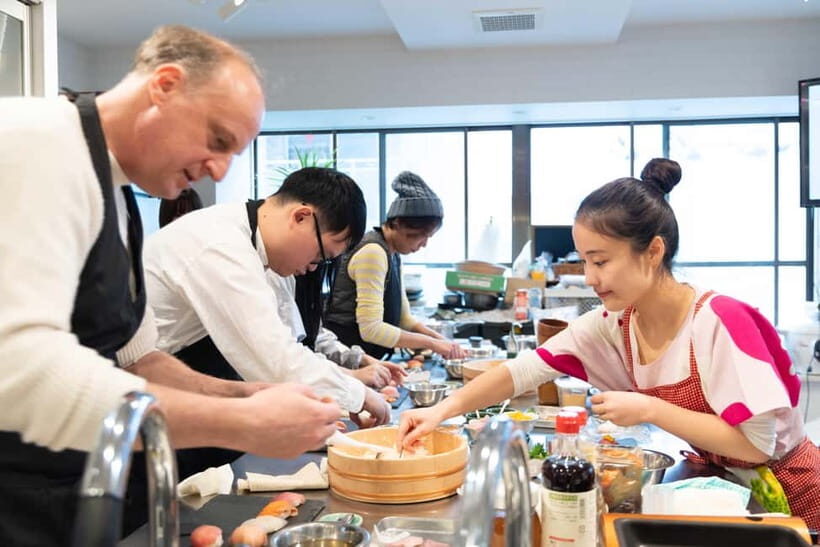
- Nishiki Market fish cutting: watch seafood prep up close, then choose ingredients together
- Vinegar rice basics you can repeat: learn the rice foundation for sushi at home
- Dashi and miso soup tasting/comparison: understand flavor building, not just a recipe
- Three sushi styles: make nigiri, temari, and temaki in one session
- Seasonal sightseeing tips: a Kyoto tourism expert adds ideas for what to see next
- Small group pace: limited to 10 participants for more hands-on time
Why this 2-hour Kyoto class feels like a smart use of time
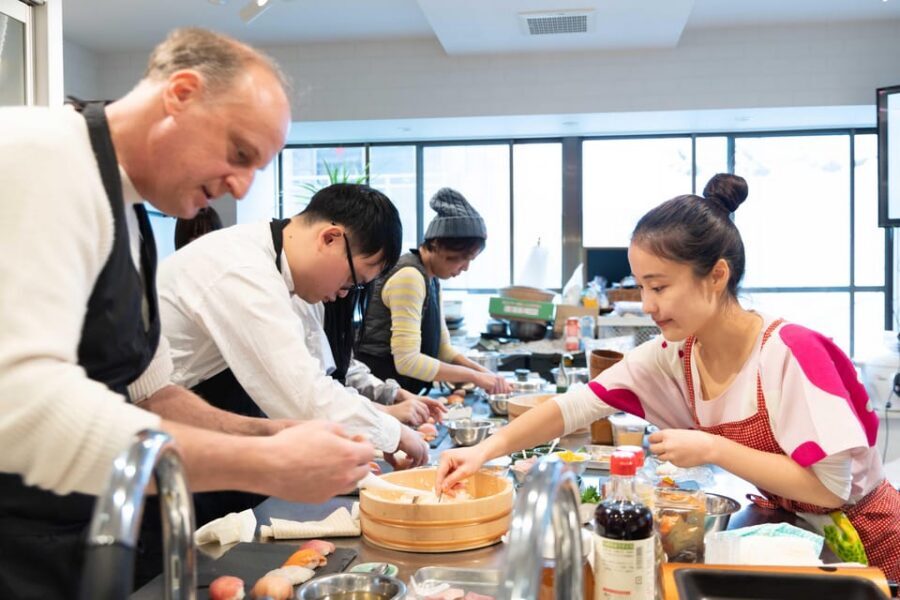
Two hours in Kyoto can vanish fast. This experience is built around a tight, doable flow: market first, then cooking, then eating what you made. You leave with food skills you can actually use later, instead of just photos and a full stomach.
What makes it work is the way the learning is sequenced. You’ll start with context—fish selection and how cutting happens—then you move to technique. By the time you’re shaping sushi, the ingredients and flavor logic already make sense. That’s the difference between a fun activity and something that sticks.
Also, it’s family-friendly by design. The format is hands-on and short enough that kids (and adults with short attention spans) usually stay engaged. For couples, it’s a good “do something together” option that doesn’t require planning a whole day around it.
You can also read our reviews of more shopping tours in Kyoto
Meeting point location: close enough to pair with classic Kyoto sights
You meet in front of a building with a hair salon called Salon Roll on the first floor. The good news for your planning brain: the meeting area is in the city center—about 10 minutes from Kyoto Station and about 5 minutes from Shijo Station.
That proximity matters because Kyoto sightseeing often feels like a hopscotch game. Starting near Shijo makes it easier to tack this onto time near Gion and Kiyomizu-dera without burning half your day in transit. If you’re already doing a Kyoto “greatest hits” route, this workshop can fit neatly into the middle.
Group size is limited to 10 participants, so it won’t feel like a conveyor belt. It also means you should arrive on time and be ready to roll up sleeves. This isn’t a sit-and-watch show.
Nishiki Market: where the workshop gains its flavor logic
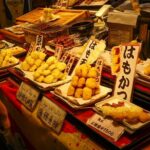
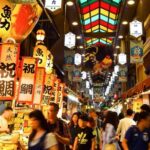
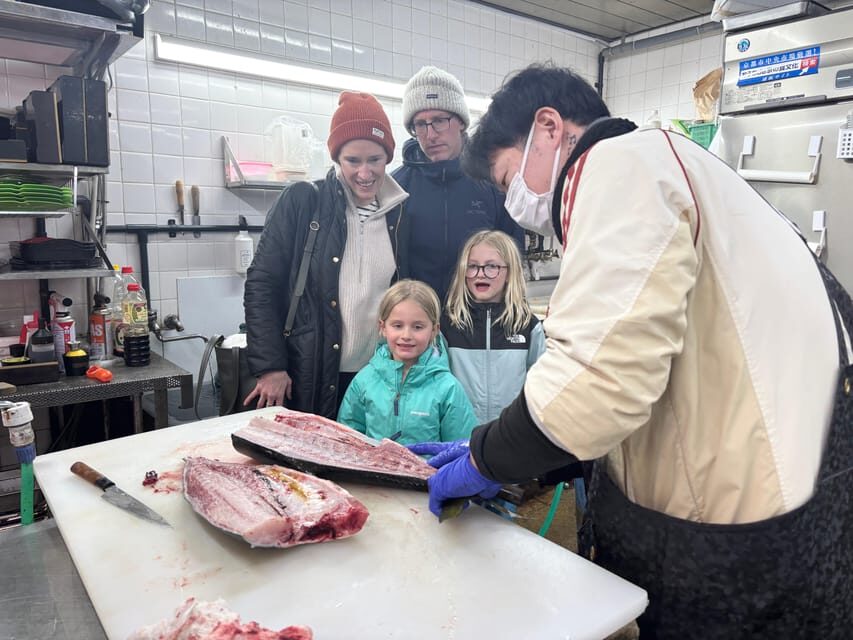
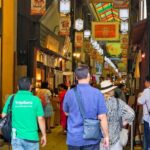
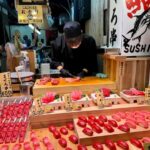
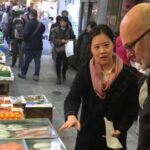
The market stop isn’t just window dressing. You go to Nishiki Market together to select the freshest fish, and you also watch skilled vendors expertly prepare it. Seeing the cutting process matters because sushi isn’t only about rice and rolling. It’s about how the fish is handled, portioned, and treated.
Here’s what I think you’ll enjoy most: your ingredient choices aren’t random. You’re choosing with guidance, then you’re using those selections right after in the cooking portion. That creates a clear line from market moment to meal.
A drawback to keep in mind: market energy can be intense, and Nishiki is a place you’ll move through with purpose. If you want a slow, meandering market stroll for shopping, this is more of a working visit than a wandering one. You’re there to pick and learn, not browse for an hour.
Still, for food lovers, that fish-cutting glimpse is the kind of detail you can’t fake later. You’ll likely see things you’ve only heard about—like how precision affects texture and bite.
Vinegar rice: the sushi foundation you’ll thank yourself for learning
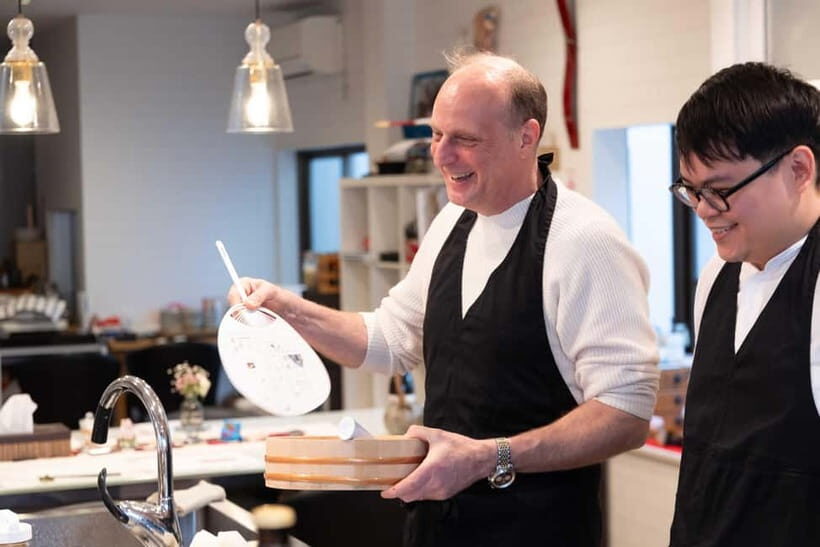
Once you’re in the cooking portion, you’ll learn how to make sushi by starting with vinegar rice. That matters because sushi rice is where most home attempts go wrong. It’s not just cooked rice plus vinegar; it’s balance, timing, and consistency.
In this class, the vinegar rice instruction is part of the core skill set. You’ll then use it to build several sushi formats—nigiri, temari, and temaki—so the rice technique isn’t a side lesson. It becomes the base layer for everything you shape afterward.
This is also why the workshop feels “value for money.” You’re paying for technique, not only tasting. When you understand the rice foundation, you can recreate sushi at home without guessing.
If you’re cooking with kids, vinegar rice is also a great learning target because it’s less intimidating than raw fish handling. You’ll still get a full experience, but the workflow gives you steps that feel manageable.
Dashi and miso soup: flavor building with real tasting
You’ll learn how to make dashi, including tasting and comparison, and then you’ll make miso soup. If you’ve ever tasted miso soup in Japan and wondered why it feels deeper than the packets back home, this part answers that question.
The dashi instruction plus tasting/comparison is especially useful. Instead of just following directions, you’re learning what changes the flavor—so you’re not stuck repeating steps blindly. This helps you appreciate why Japanese cuisine often tastes clean and layered rather than heavy.
You’ll also get to make the miso soup you’ll eat during the meal portion. That’s a satisfying loop: cook → understand → taste. For couples, it’s also fun because it turns the meal into something you can talk about beyond the “this is good” level.
Practical note: this is a cooking class, so expect hands-on kitchen work. You’ll want comfortable clothing and be ready for a little mess. Not dramatic mess—just the normal kitchen kind.
A few more Kyoto tours and experiences worth a look
Making nigiri, temari, and temaki: your hands learn what your eyes can’t
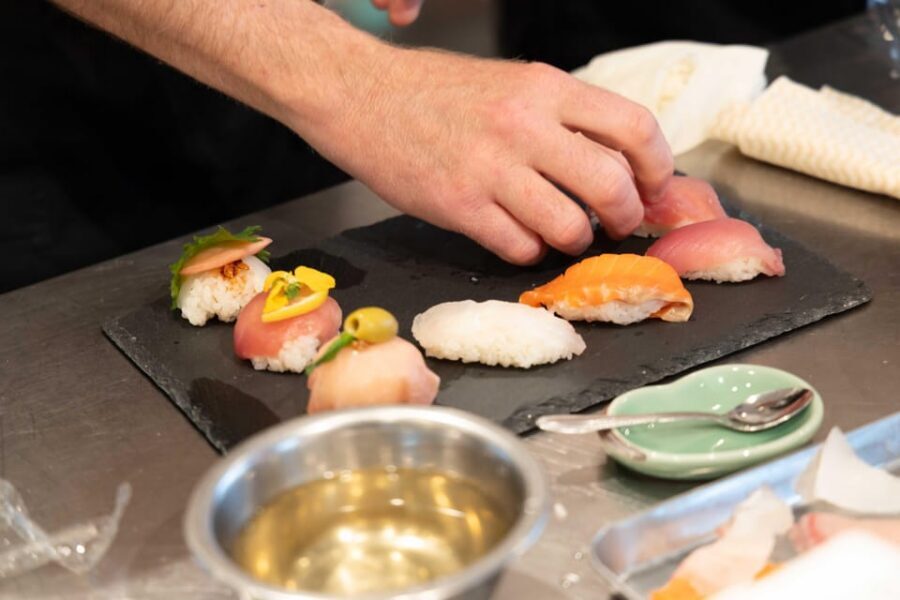
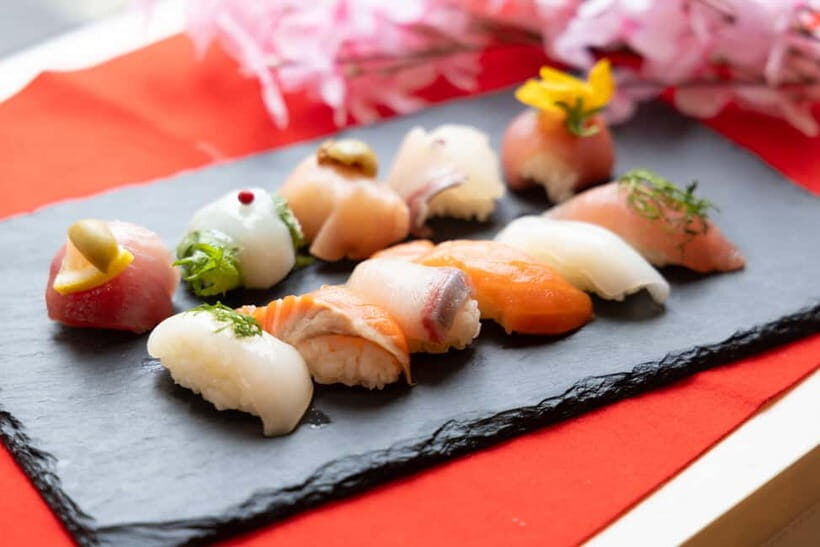
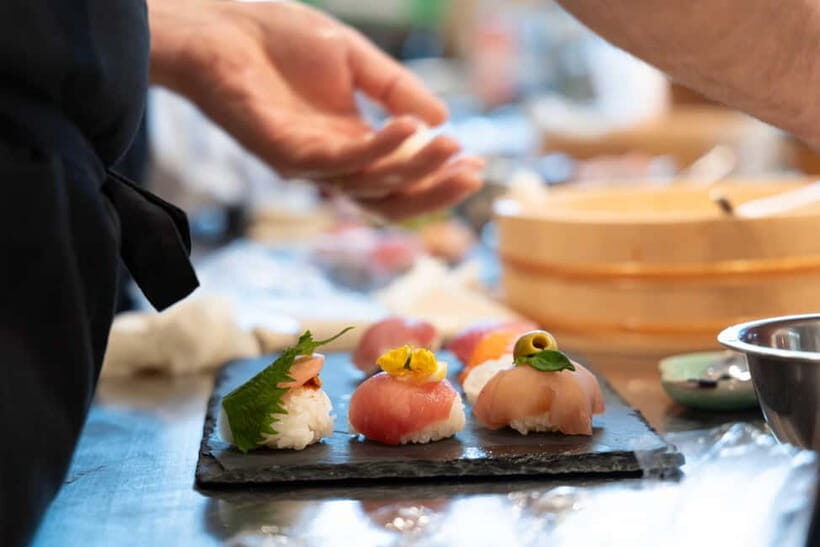
This is the showpiece. You’ll prepare sushi including nigiri, temari, and temaki. The workshop is set up so you don’t just copy one style. You get a range of sushi forms, which keeps it interesting and gives you more options for what you might make later at home.
Here’s the practical value of learning multiple styles:
- Nigiri teaches shaping and portioning the topping and rice relationship.
- Temari focuses on forming a compact, rounded shape.
- Temaki trains the hand-roll concept, which is often how beginners naturally think of sushi.
Even if your first attempts aren’t perfect, you’ll leave with a sense of proportions and handling. That’s what you want from a class: not perfection, but control.
One caution: since it’s limited to 2 hours, the pace won’t be slow. You’ll learn quickly, practice in the time available, and then eat. If you need very slow instruction with lots of repeat reps, you might wish it were longer—but the short duration is also what makes it easy to fit into a Kyoto day.
A balanced note from real-world experience: some groups have had instructors who were extra engaging, while others felt the instructor could do more group interaction. If you’re the type who learns best through lots of discussion, make sure you ask questions during the hands-on parts. The format is built for you to participate, so you’ll get more out of it if you lean in.
The meal, dessert, coffee, and optional sake/beer
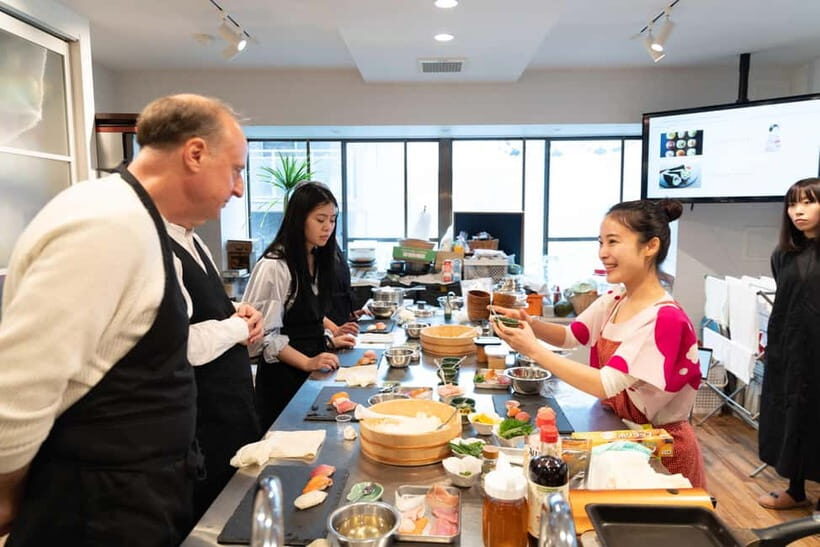
After cooking, you’ll eat what you made—sushi plus miso soup, with dessert and coffee provided. This is a big deal for value because you’re not just paying for instruction and then leaving hungry.
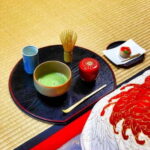
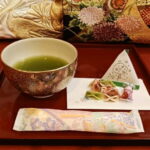
Many people also talk about a Kyoto-style sweet finish, including matcha-based dessert. Even if your specific dessert varies, the point stays the same: the meal is part of the experience, not an afterthought.
You can also add local beverages like sake and beer for an extra charge. That’s a nice option if you want to turn the workshop meal into a mini celebration. Since alcohol is an optional add-on, you can also keep it non-alcoholic and enjoy coffee as planned.
What I like here is the way it closes the loop. You cook, you taste, you connect the flavor to technique. Then you’re done. No lingering dinner reservation gymnastics.
Price and value: what $77 per person really buys you
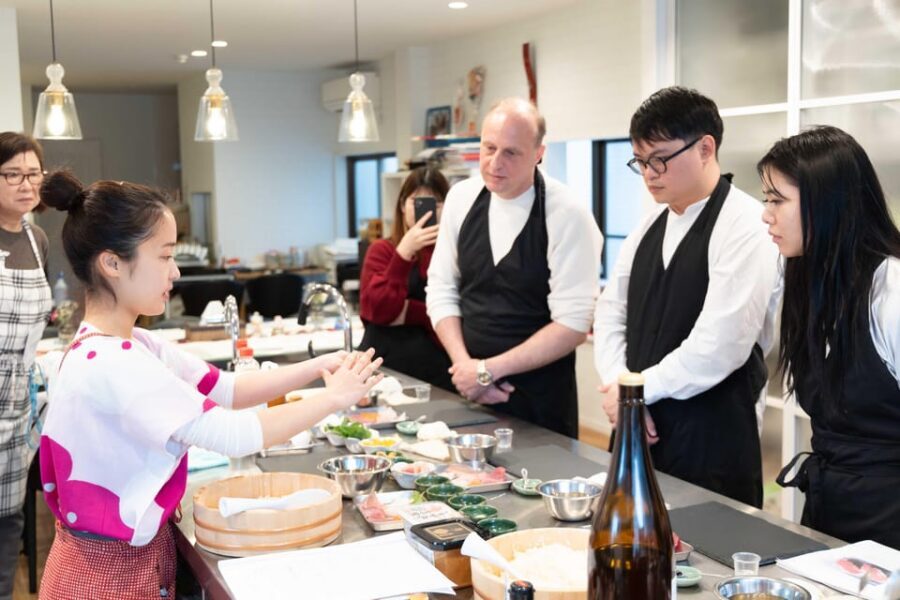
At $77 per person for a 2-hour experience, you’re paying for a lot more than a restaurant meal. You’re paying for:
- instruction in making vinegar rice and sushi
- dashi/miso soup practice, including tasting/comparison
- market time for ingredient selection and fish cutting observation
- dessert and coffee, plus seasonal sightseeing guidance from a Kyoto tourism expert
If you’re comparing this to buying sushi at a counter, the cost might look high. But if you compare it to paying for a skill-focused class, it starts to make sense. You’re getting “what to do” and “why it works,” and you leave with a practical foundation to cook later.
Small group size (up to 10) also supports the value. With larger groups, your hands-on time can shrink. Here, the class is designed to keep you involved.
The one downside is that because it’s a workshop, it won’t feel like a free-form food tour. You’ll have a schedule and specific tasks. If your goal is wandering and sampling at your own pace, this may feel more structured than you expect.
Best fit: families, couples, and anyone who wants a real skill
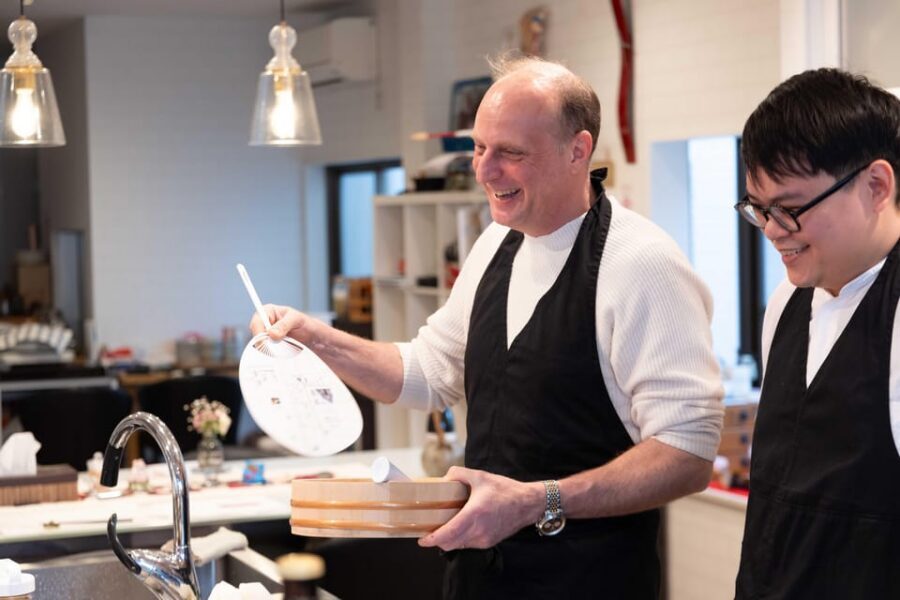
This experience is described as best for family and couple trips, and the structure supports that.
Families: It’s short, hands-on, and centered on food kids can get excited about. It also gives you something to do that’s indoors/controlled once cooking starts, which helps when Kyoto weather turns.
Couples: It’s a shared activity you can enjoy together without needing perfect Japanese skills. Plus, talking about flavor and technique naturally creates conversation beyond sightseeing checklists.
Food lovers: If you want to understand sushi beyond the usual bite-and-move-on routine, the combination of Nishiki Market observation plus vinegar rice, dashi, and miso soup instruction is a strong learning package.
One more practical tip: go in hungry for the workshop meal, but don’t arrive starving to the point that you can’t focus during cooking. The best results come when you’re mentally ready to learn and physically ready to eat.
Should you book the Kyoto sushi and market tour?
I’d recommend it if you want a compact, high-satisfaction Kyoto food experience that teaches you sushi basics you can repeat at home. The market fish-cutting portion adds credibility and context, and the class covers the core sushi skill—vinegar rice—plus supporting flavors through dashi and miso soup.
Don’t book it if your dream Kyoto day is mostly unstructured roaming, or if you expect a long, deep conversation pace. This is a guided, hands-on 2-hour format, so you’ll get the most when you participate and ask questions.
If your schedule allows and you want a memorable meal with real technique, this is a strong choice.
FAQ
How long is the Kyoto sushi and market tour?
It lasts 2 hours.
Where do we meet for the activity?
You meet in front of Salon Roll, a hair salon building, on the first floor.
How close is the meeting point to major train stations?
It’s about 10 minutes from Kyoto Station and about 5 minutes from Shijo Station.
What languages are offered during the class?
The instructor communicates in English and Japanese.
What do you learn to cook during the workshop?
You’ll learn how to make vinegar rice, prepare sushi including nigiri, temari, and temaki, and make dashi and miso soup.
Do you visit Nishiki Market?
Yes. You go to Nishiki Market to select fresh fish and watch vendors prepare it.
What is included with the meal after cooking?
You’ll enjoy sushi, miso soup, dessert, and coffee.
Can I add drinks like sake or beer?
Yes, you can enjoy local beverages such as sake and beer for an extra charge.
What if my plans change?
You can cancel up to 24 hours in advance for a full refund.