REVIEW · KYOTO
Kyoto Sake Brewery Tour with Lunch
Book on Viator →Operated by Arigato Japan KK · Bookable on Viator
Kyoto’s sake scene is way more personal than you expect. On this Kyoto Sake Brewery Tour with Lunch, you’ll compare a smaller brewery vibe with a larger one, then connect the dots at the Gekkeikan Okura Sake Museum—all while tasting sake and eating a local lunch. I especially like that you get both the production story and the payoff: sake tastings plus a yakitori lunch paired with sake. One thing to keep in mind: active brewing areas are inaccessible, so you’re watching and learning from museum and brewery presentation spaces more than walking through live fermentation rooms.
You’ll start near Otesuji Shotengai in Fushimi-Momoyama, then work your way through the district’s famous landmarks and temple stops as the tour winds down toward Fushimi-Momoyama Station. I also like the small group size (up to 10) and the practical way the route is set up, so you’re not bouncing around Kyoto all day. The main downside I’d flag is that the explanation style can lean heavily on printed materials, and some ideas may not land the way you want if you’re really detail-hungry.
In This Review
- Key Points You’ll Actually Care About
- Kyoto’s Sake Tour Starts in Fushimi-Momoyama (And It Shows)
- The Route: Softbank, Otesuji Shotengai, and Fushimi Inari Taisha
- Small vs. Large Breweries: Why This Comparison Matters
- Gekkeikan Okura Sake Museum: Techniques You Can Picture
- Lunch With Yakitori and Sake Pairing: The Best Part to Eat, Not Just Hear
- Temple and Park Stops: Chokenji, Fushimi Park, Teradaya, and Daigo-ji
- Price and Value: Is $227 Worth It?
- Who This Kyoto Sake Tour Suits Best (And Who Should Think Twice)
- Practical Tips to Get More From Your Sake Day
- Should You Book This Kyoto Sake Brewery Tour With Lunch?
- FAQ
- How long is the Kyoto Sake Brewery Tour with Lunch?
- Where is the tour meeting point?
- Where does the tour end?
- What time does the tour start?
- What’s included in the price?
- Is lunch included, and what will I eat?
- Are there options for vegetarian, vegan, or gluten-free diets?
- What about alcohol—are there age restrictions?
- Can I visit active brewing areas inside the breweries?
- Is the tour affected by weather?
- What’s the cancellation window?
Key Points You’ll Actually Care About
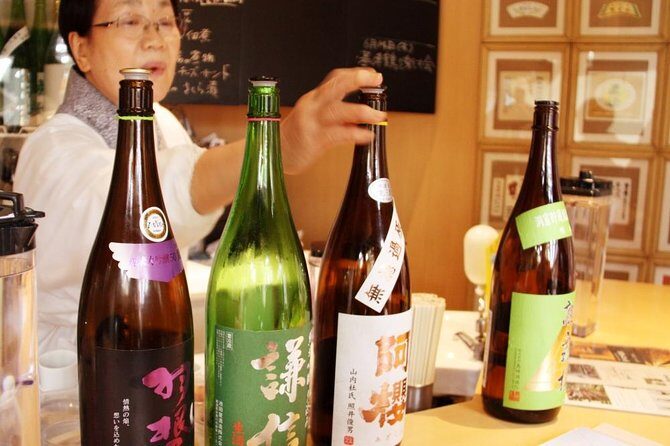
- Small + large brewery comparison so you can feel the scale differences, not just read about them
- Gekkeikan Okura Sake Museum for techniques and history tied to real-world making rice wine
- Several sake tastings plus lunch that pairs food with the drinks you’re trying
- Fushimi-Momoyama walking route that links tastings to landmarks like Fushimi Inari Taisha and Daigo-ji
- Max 10 people keeps the pacing human and the questions more likely to get answered
- Brewing areas not accessible, so plan on learning from museum/brewery viewing areas rather than inside production rooms
Kyoto’s Sake Tour Starts in Fushimi-Momoyama (And It Shows)
This is the kind of tour that makes Kyoto’s sake reputation feel real fast. Instead of treating sake like a souvenir you buy at the end, you see how rice wine lives in this neighborhood—through breweries, tastings, and a museum that’s been around for ages. The whole experience is about pace and context: learn the basics, taste the results, then wander the area that shaped it.
You’ll do it in about 3 hours (approx.), starting at 11:00 am. The meeting point is right by transit: in front of Softbank in Otesuji Shotengai, then you join a guided walk through Fushimi’s sake district. The tour ends in the Fushimi-Momoyama Station area, so you’re not stuck with a random far-off drop.
And yes, you’ll get multiple tastings. That matters because sake is one of those things where your palate needs a few tries before it makes sense.
You can also read our reviews of more food & drink experiences in Kyoto
The Route: Softbank, Otesuji Shotengai, and Fushimi Inari Taisha
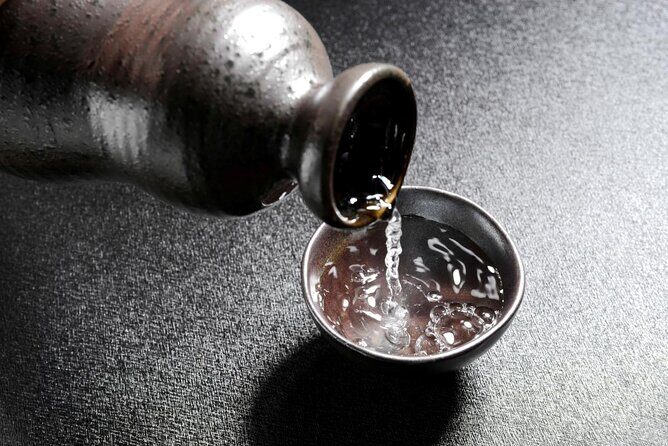
Your day kicks off in a very local-feeling spot: Otesuji Shotengai, with the guide meeting you in front of Softbank. It’s an easy landmark to find, and it immediately puts you in the right mood for Fushimi—shops close by, people moving, that daily-life energy.
From there, you head into the district and you’ll pass through Fushimi Inari Taisha. This is one of the most famous stops in the area, but it’s not just there for photo ops. Walking through it as part of a sake-focused route helps you remember that this isn’t a standalone museum day—it’s tied to a living town.
One practical consideration: if you’re sensitive to walking on uneven ground or steps, wear good shoes. The tour notes moderate physical fitness, and temple areas naturally add stairs and uneven surfaces.
Small vs. Large Breweries: Why This Comparison Matters
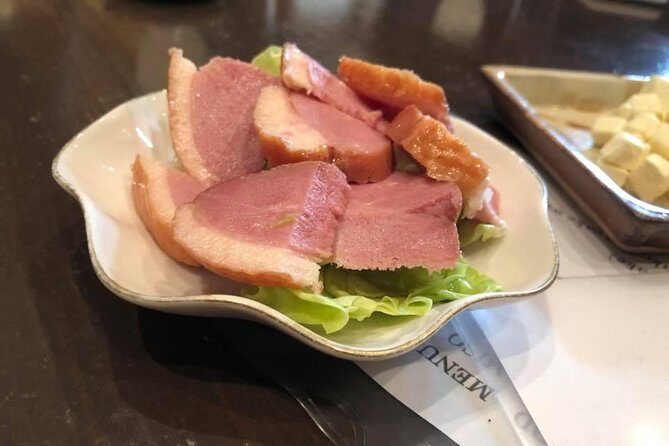
The big promise here is simple: you’ll visit both a smaller and a larger sake brewery. That comparison is valuable because sake isn’t only about flavor—it’s about process, equipment, and scale.
In a smaller brewery setting, you often get the sense that decisions are made with more flexibility. Even when you can’t see everything up close, you can still feel the difference in how the space is organized and how the production story is presented. In contrast, a larger brewery tends to emphasize consistency, standardization, and the systems behind steady output. You’re not just tasting; you’re building a mental model of how production choices shape the final glass.
Also, the tour is careful about access. It notes that actual active brewing areas are inaccessible, so don’t expect to walk into a working fermentation room. What you can expect is a guided viewing experience that helps you understand what goes into producing sake, without the behind-the-scenes restrictions you’d see in some other workshop-style tours.
For you, this brewery-scale combo is a fast shortcut to understanding why sake labels can taste so different. For me, it turns sake tasting from random sampling into pattern recognition.
Gekkeikan Okura Sake Museum: Techniques You Can Picture
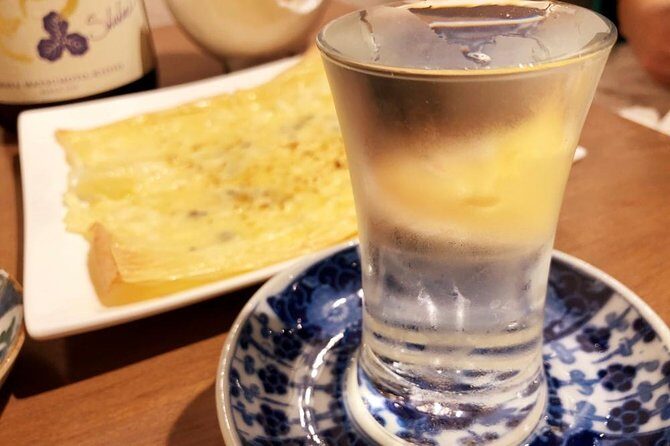
This is the heart of the “wait, how is this made?” moment. At the Gekkeikan Okura Sake Museum, you’ll get a brief history of Japanese sake and learn techniques behind rice wine making. The museum’s role is more than storytelling—it helps you connect the dots between what you’re tasting and what’s happening in the production chain.
What I like about this stop is the way it gives you structure. Before a tasting, it’s easy to think sake is one big category. After a museum-style explanation, you start noticing why different styles exist and what factors contribute to aroma and taste. Even if you’re not a fermentation nerd, you’ll walk away knowing what words like brewing steps and rice-based inputs mean in real life.
One caution: the tour can rely heavily on laminated sheets for explanations. If you’re the type who learns best from lively discussion, you might want to keep your questions ready. Still, the museum setting tends to make the content easier to review in your head because you’re surrounded by the visuals and context.
The museum stop also runs in rhythm with lunch, which is smart. You taste, you understand, and then you eat—so your palate isn’t just stuck in tasting-only mode.
Lunch With Yakitori and Sake Pairing: The Best Part to Eat, Not Just Hear
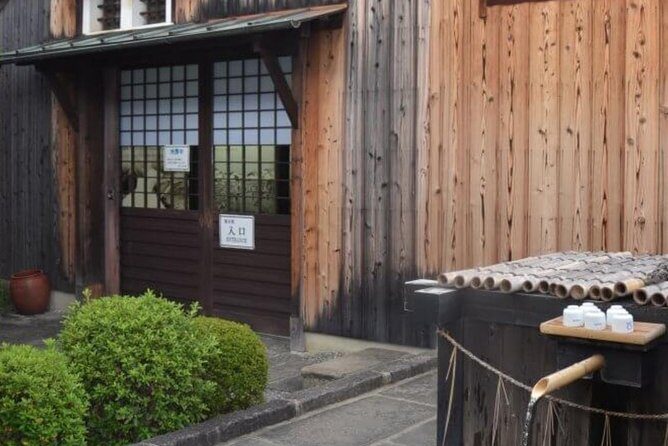
This tour doesn’t treat lunch like filler. You’ll enjoy a seasonal lunch in a local restaurant, and the food is specifically described as yakitori paired with delicious sake.
That pairing piece is the main value here. Yakitori is salty, smoky, and usually served with sauces or seasoning that can either sharpen flavors or soften them. Sake can highlight those elements or cool your palate between bites, depending on the style you’re tasting. The “paired” part means lunch isn’t just an extra expense tacked on—it’s part of the tasting education.
Also, the tour is vegetarian, vegan, pescetarian, and gluten-free friendly. I always check for this when food is included, and it’s a strong plus. You’re more likely to get a real meal that fits your needs instead of an awkward substitute.
Timing matters too. You’re eating during the museum/brewery flow, so you’re not stuck with a long gap where your stomach decides the itinerary. At about 30 minutes at the museum segment, the lunch slot is set up to keep the group moving without rushing through everything.
A few more Kyoto tours and experiences worth a look


Temple and Park Stops: Chokenji, Fushimi Park, Teradaya, and Daigo-ji
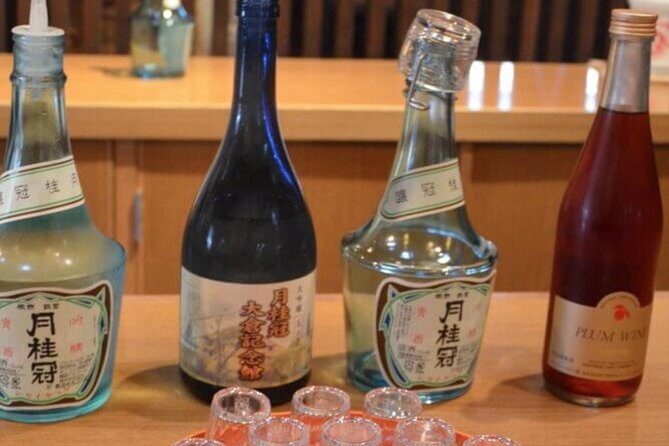
After the core tasting and museum time, you’ll keep walking through the area’s landmarks. Your route includes Chokenji temple, Fushimi Park, Teradaya, and Daigo-ji, plus the tour ends back near Fushimi-Momoyama Station.
Here’s why these stops help your day: they break the tour up. If all you did was tastings in a tight museum loop, sake would feel like a product. Adding temples and park space turns it into a sense-of-place experience. You get a quieter change of scenery, you stretch your legs, and you start noticing how the district blends everyday life with historical sites.
The “Ending Point – Bar” note also hints that the finish is social and local. The key detail for you: you’ll be ending in the station area, not somewhere isolated.
One small practical point: since the route includes religious and outdoor areas, weather matters. The tour also notes good-weather requirements, and substitutions can happen for schedules or public holidays.
Price and Value: Is $227 Worth It?
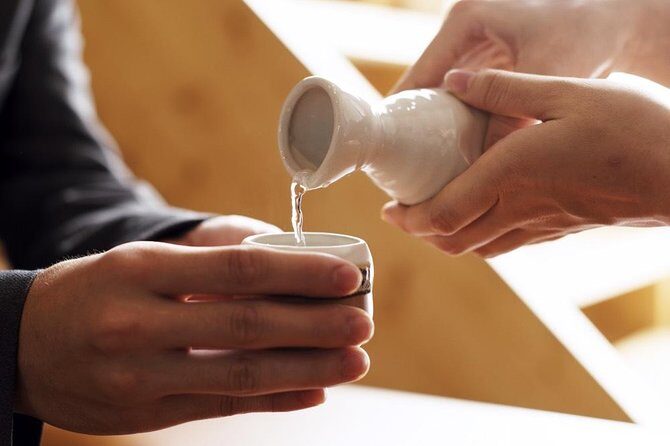
At $227.00 per person for about 3 hours with tastings and lunch, this isn’t a cheap add-on. But it’s not overpriced for what you’re getting if you value guided context.
You’re paying for:
- Several sake tastings
- A local English-speaking guide
- A lunch meal with yakitori and sake pairing
- Access to both small and large brewery experiences
- Museum time at Gekkeikan Okura
Where the value lands depends on your travel style. If you’re the type who buys a sake set and hopes you’ll learn later, this costs more up front. But if you want the explanation tied to what’s in your glass, the price starts to look fair.
The maximum group size of 10 is part of the value too. In a small group, it’s easier for the guide to keep track of what you’re asking and adjust the pace. That matters when alcohol is involved and when tastings need to stay organized.
One note on age: there’s a minimum drinking age of 21 years old. If you’re booking for a mixed-age group, make sure everyone can participate in the tasting portion. If not, you might want to check how the tour handles non-drinkers—this info doesn’t spell it out beyond the age requirement.
Who This Kyoto Sake Tour Suits Best (And Who Should Think Twice)
This tour fits you if you want a guided introduction to Kyoto sake that includes real food and real tastings. It’s a strong pick for:
- First-timers who want to stop guessing and start understanding
- Food-focused travelers who enjoy pairing drinks with meals
- People who like structured tours but still want time to walk and see landmarks
- Anyone comfortable with a moderate walking day in temple areas
You might think twice if:
- You’re expecting a close-up view of working brewing operations. The tour states active brewing areas are inaccessible, so your access is more observational.
- You learn best through conversation rather than written aids. The tour may lean on laminated sheets, which could make some explanations feel less dynamic.
Practical Tips to Get More From Your Sake Day
A few things will help you make the day smoother and tastier.
- Drink responsibly. You’re doing several tastings, and the tour includes alcohol. Pace yourself so you can enjoy the lunch without turning it into a race.
- Eat the lunch even if you feel full from tastings. Yakitori is part of the learning loop, and the pairing is designed to reset your palate.
- Wear comfortable shoes. Temple areas and park walks add real footing challenges.
- If you have dietary needs, be upfront. The tour is marked as vegetarian/vegan/pescetarian/gluten-free friendly, but you’ll still want clarity so the restaurant can prepare the right option.
Also, keep an eye on timing and weather. The tour notes it may be canceled due to poor weather or adjusted due to schedules or public holidays.
Should You Book This Kyoto Sake Brewery Tour With Lunch?
My take: I’d book this if you want the fastest way to understand Kyoto sake without turning the day into a DIY puzzle. The combination of small + large brewery experiences, the Gekkeikan Okura Sake Museum, and a yakitori lunch paired with sake is exactly the kind of structure that helps you remember what you tasted and why.
I’d skip it only if your top priority is hands-on access to active brewing. Since the tour specifically says active brewing areas are inaccessible, you won’t get that behind-the-scenes reality check.
If you’re curious about sake and you like guided food-and-drink learning, this is a solid booking.
FAQ
How long is the Kyoto Sake Brewery Tour with Lunch?
The tour is about 3 hours (approx.).
Where is the tour meeting point?
You meet in front of Softbank in Otesuji Shotengai.
Where does the tour end?
The tour ends in the Fushimi-Momoyama Station area.
What time does the tour start?
The start time is 11:00 am.
What’s included in the price?
Included are several sake tastings, local lunch in a restaurant, and a local English-speaking guide.
Is lunch included, and what will I eat?
Yes. Lunch is included and described as seasonal lunch with yakitori paired with sake.
Are there options for vegetarian, vegan, or gluten-free diets?
Yes. The tour is listed as vegan, vegetarian, pescetarian, and gluten-free friendly.
What about alcohol—are there age restrictions?
Yes. The minimum drinking age is 21.
Can I visit active brewing areas inside the breweries?
No. The tour notes that actual active brewing areas are inaccessible.
Is the tour affected by weather?
Yes. It requires good weather, and if it’s canceled due to poor weather, you’ll be offered a different date or a full refund.
What’s the cancellation window?
You can cancel for a full refund if you cancel up to 24 hours in advance of the experience start time.