REVIEW · KYOTO
Kyoto: Zen Meditation at a Private Temple with a Monk
Book on Viator →Operated by Travel Japan Together · Bookable on Viator
Kyoto can be loud. This experience gives you quiet, taught by a real monk. I like the private temple access (a place you’d usually miss), and I like that you get practical meditation coaching instead of just watching. The one thing to consider: this is mostly sitting and listening, so if you want a long, sightseeing-style temple walk, you may feel a bit short-changed.
You’ll meet near Kodaiji Park at the start point, join a small group (maximum 9), and finish near Nene-no-michi. The whole session runs about 1 hour 30 minutes, and you get a mobile ticket plus welcoming extras: matcha tea and traditional snacks. It’s the kind of Kyoto activity that slows your brain down fast.
In This Review
- Key moments I’d plan around
- Why this Zen session feels different from a normal temple stop
- Kodaiji Park meeting point and the route to Nene-no-michi
- What the monk teaches: posture, attention, and a lesson that clicks
- The meditation practice: your turn in a serene, atmospheric setting
- Matcha tea and traditional snacks: the calm payoff
- Price and value: is $98.83 worth 90 minutes?
- Who this Kyoto Zen experience suits best
- Should you book this Kyoto private temple meditation tour?
- FAQ
- How long is the Zen meditation session?
- How much does the Kyoto Zen Meditation at a Private Temple with a Monk cost?
- Where do I meet for the tour, and where does it end?
- Is this tour a small group?
- What’s included besides the meditation?
- Do I get a mobile ticket?
- What kind of access does the private temple provide?
- What is the cancellation policy?
Key moments I’d plan around
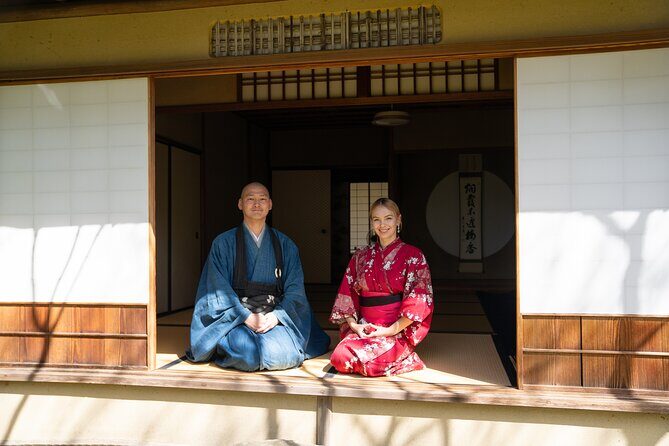
- A private temple you can’t assume is open: you get special access to a site that’s typically closed to the public
- Monk-led Zen tips, not just “sit and be quiet”: you learn core principles and receive guidance during practice
- Small group size (up to 9): it feels more like a personal lesson than a bus-tour stop
- Posture coaching you can actually use: even first-timers are taught how to sit upright correctly
- Matcha tea and traditional snacks included: a calm, tasty break that fits the mood of the session
Why this Zen session feels different from a normal temple stop
Kyoto’s temples are beautiful. This one is different because it’s not built around crowds, ticket lines, and quick photo stops. Instead, the main event is a Zen meditation session led by a monk, with a teaching-first approach that turns the temple setting into a classroom.
What I really like about this style of experience is the balance. You don’t just get a cultural talk from a distance. You get a guided introduction to Zen, then you try the practice right there in the atmosphere of a private temple. One review-style takeaway I keep coming back to: people leave feeling like they understood how to sit, not just what Zen is.
Another strong point is the access. You’re going to a temple that’s generally not open to the public, which means the mood is quieter and more respectful. That private access also tends to make the monk’s explanation feel more natural, like you’re stepping into a real routine, not performing for visitors.
The only caution I’d flag is about expectations. This isn’t a “walk around and admire architecture for an hour” plan. If you’re hoping for lots of strolling, shopping streets, or big viewpoint time, plan a separate Kyoto temple day. Here, the value is the practice.
You can also read our reviews of more private tours in Kyoto
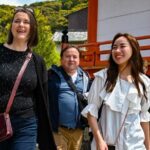
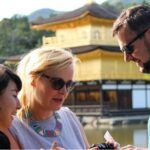
Kodaiji Park meeting point and the route to Nene-no-michi
The tour starts at Kodaiji Park, at 463-28 Shimokawarachō, Higashiyama Ward, Kyoto (605-0825). It ends on Nene-no-michi in Shimokawarachō.
That matters more than you might think, because Kyoto is a puzzle of lanes. Starting at a clearly named landmark like Kodaiji Park keeps the “where do I meet?” stress low. And finishing at Nene-no-michi can be helpful if you’re already planning to move through the Higashiyama area afterward.
In terms of timing, you’re looking at about 1 hour 30 minutes total. That’s long enough for an introduction, active meditation practice, and a reset with tea and snacks. It’s short enough that you won’t lose your whole afternoon to one activity.
And because the group is kept small (maximum 9), the logistics feel calmer. You’re not herded. You’re guided.
What the monk teaches: posture, attention, and a lesson that clicks
A lot of meditation experiences fail the first question: can you sit correctly? This one doesn’t. Reviews highlight that the instruction includes practical posture—how to sit upright—plus tips that help you stay comfortable enough to actually focus.
You can expect an introduction that covers the core principles of Zen meditation. The monk also shares cultural insight, and not in a vague way. The explanations are tied to the practice itself. That’s why people tend to describe the session as educational and memorable, not just peaceful.
One of the most useful ideas mentioned in the reviews is that the session uses metaphors and comparisons to make a point. When meditation instruction is only abstract, it can feel like homework you didn’t sign up for. When it’s translated into something you can hold in your mind, it becomes easier to try right away.
Even if you’ve never meditated before, you’re not thrown into the deep end. The emphasis is on “do this, notice that, adjust gently,” which is exactly the kind of coaching that prevents meditation from turning into frustration.
The meditation practice: your turn in a serene, atmospheric setting
After the introduction, you’ll get the chance to meditate during the session. This is where the private-temple setting pays off. In a quiet, atmospheric space, you can actually experience the difference between thinking about meditation and doing it.
Expect that the monk’s guidance helps you with small adjustments. That might sound minor, but it’s often the difference between sitting for a few minutes while mentally wigging out and sitting longer with a steady body and a calmer mind.
Reviews consistently point to the meditation part as “relaxing” and “wonderful,” but the important detail is why. It’s not relaxation as a promise. It’s relaxation as a result of better instructions—posture, focus, and the way the session is structured.
Also, small-group format helps here. With a maximum of 9 people, you’re less likely to feel anonymous. If the group is small, instruction can land better.
One more practical point: this tour is built around quiet participation. So wear something comfortable enough for stillness. Keep your expectations simple: you’re there to learn a practice, not to perform mindfulness like it’s a photo project.
Matcha tea and traditional snacks: the calm payoff
After the meditation, you get a welcome break with matcha tea and traditional snacks. This isn’t just included-for-the-sake-of-included.
Think of it as a gentle transition. Meditation can leave you feeling a bit “reset.” Tea and snacks give you a grounding moment to come back to regular life without jolting your body. It’s also a real cultural touch—matcha isn’t a random add-on, and pairing it with Zen makes the whole experience feel coherent.
If you’re someone who’s nervous about whether you’ll feel hungry mid-activity, this helps. In about 1.5 hours, it’s a nice way to end without needing to immediately hunt for food afterward.




Price and value: is $98.83 worth 90 minutes?
At $98.83 per person for about 1 hour 30 minutes, you might wonder if you’re paying for a “nice moment” or if there’s real value.
Here’s what you’re actually buying:
- Special access to a private temple that’s typically closed to the public
- Monk-led instruction focused on Zen meditation basics and practical posture
- A small group (up to 9), which usually means more attention and less crowd energy
- Matcha tea and traditional snacks, so the experience isn’t just sitting and leaving
That combination is the key. In many places, you pay extra for “private access.” In this format, that access comes with teaching and guided practice. It’s not two separate purchases—you’re getting them tied together in one coherent session.
If you’re a first-timer, the price can also be easier to justify. Several reviews describe it as a great introduction and a reminder of how meditation practice works. In other words, you may leave with something you can repeat later at home, not only a memory photo.
If you’re already a seasoned meditator, you might compare it to your usual routine and decide whether the instruction adds something new. But even then, the private temple setting and the coaching on sitting upright can still be useful—especially when it’s delivered by a monk in a calm, traditional setting.
Who this Kyoto Zen experience suits best
This tour fits best if you want:
- A guided, beginner-friendly meditation lesson (not just quiet time)
- An experience with a real teacher who gives practical advice
- A calmer Kyoto moment that’s more about your attention than your camera roll
- A cultural experience that includes food like matcha tea and traditional snacks
It’s especially appealing if you like authenticity over performance. Reviews highlight the monk’s genuineness and insight, and the session often feels like a private-like visit rather than a scripted show.
Where it may not fit as well:
- If you want a long, wandering “see the sights” day
- If you dislike sitting still for stretches of time
- If your main goal is temple photos and architecture rather than practice and teaching
Should you book this Kyoto private temple meditation tour?
I’d book it if your Kyoto plan includes at least one day where you want to slow down. This is one of those experiences that can change your day, not just fill an hour and a half.
You should also book it if you’re the type who appreciates clear instructions. The emphasis on sitting upright correctly and the way the monk’s teaching connects to the practice are exactly what make this feel genuinely useful.
Do it sooner rather than later if you’re visiting during busy periods, because the group limit (maximum 9) and the private-temple access can keep availability tighter than you’d expect.
If you want a Kyoto souvenir, this isn’t a magnet. It’s a skill, plus a calm temple memory. And in a city packed with things to see, that can be the best kind of win.
FAQ
How long is the Zen meditation session?
It runs for about 1 hour 30 minutes.
How much does the Kyoto Zen Meditation at a Private Temple with a Monk cost?
The price is $98.83 per person.
Where do I meet for the tour, and where does it end?
You meet at Kodaiji Park (463-28 Shimokawarachō, Higashiyama Ward, Kyoto, 605-0825). You finish at Nene-no-michi in Shimokawarachō.
Is this tour a small group?
Yes. The group size has a maximum of 9 travelers.
What’s included besides the meditation?
You’ll have matcha tea and traditional snacks as part of the experience.
Do I get a mobile ticket?
Yes, the tour uses a mobile ticket.
What kind of access does the private temple provide?
You visit a private temple that is typically closed to the public.
What is the cancellation policy?
You can cancel for free up to 24 hours in advance for a full refund. If you cancel less than 24 hours before the start time, the amount paid is not refunded.