REVIEW · TOKYO
Licensed Guide Tokyo Meguro Cherry Blossom Walking Tour
Book on GetYourGuide →Operated by STIJ · Bookable on GetYourGuide
Tokyo’s cherry blossoms look different when you follow a guide. This Meguro tour strings together the classic riverside sakura view with two spots that pull you into Edo-era stories and Showa-era glamour. You also get a bus ride around Shinjuku and a short performance with cartwheeling samurai, breakdancing ghosts, and taiko drums.
I like that the route is short and focused, so you spend your time outside looking at real sights, not trapped in transit. I’m especially drawn to Daienji and the temple story behind Edo-era fire—small space, big stakes, and it makes the neighborhood feel more layered. One thing to watch: the tour starts at a busy Starbucks area, and you really do need to spot the guide holding the company brochure and licensed guide certificate on arrival.
If you’re going for peak blossoms, plan around the season (late March to early April). If the petals aren’t out yet, the program can still keep moving with alternative sightseeing, like a traditional house stop you might see depending on timing.
In This Review
- Key points worth knowing before you go
- Why Meguro’s cherry blossoms feel worth the trip
- Finding the guide at Naka-Meguro’s Starbucks (this matters)
- Meguro River walk: where the sakura photos actually happen
- Daienji Temple: Edo fire, luck, and why it’s more than a stop
- Gajoen at Hotel Gajoen Tokyo: the banquet halls that read like architecture
- Shinjuku by bus and the taiko show: the fun swing of the tour
- Price and value: is $22 actually fair for this format?
- Who this tour suits best (and who should skip)
- Booking verdict: should you take this one?
- FAQ
- FAQ
- Where do I meet the guide?
- How long is the Tokyo Meguro Cherry Blossom Walking Tour?
- What language is the tour guide?
- What’s included in the tour?
- What are the key places you visit?
- When are cherry blossoms usually expected on this route?
- Is this tour suitable for children and infants?
- Is it free to cancel if my plans change?
Key points worth knowing before you go
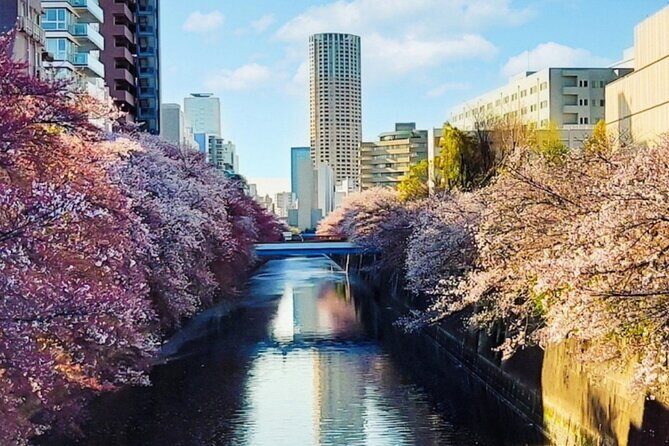
- Meguro River sakura route: a 45-minute riverside walk in one of Japan’s most famous cherry blossom viewing spots.
- Daienji temple context: connects the Edo-era Seven Lucky Temples to a dramatic fire-and-rebuilding narrative.
- Gajoen hall interiors: a photo stop and guided look at Meguro Gajoen’s famed banquet spaces, linked to cultural property designations.
- Shinjuku bus + show: the 90 minutes include a ride around Shinjuku and a live performance with taiko and acrobatic characters.
- English licensed guide: you’re guided in English with a private group format.
- Short schedule, careful timing: the whole tour is only 90 minutes, so comfortable shoes matter.
Why Meguro’s cherry blossoms feel worth the trip

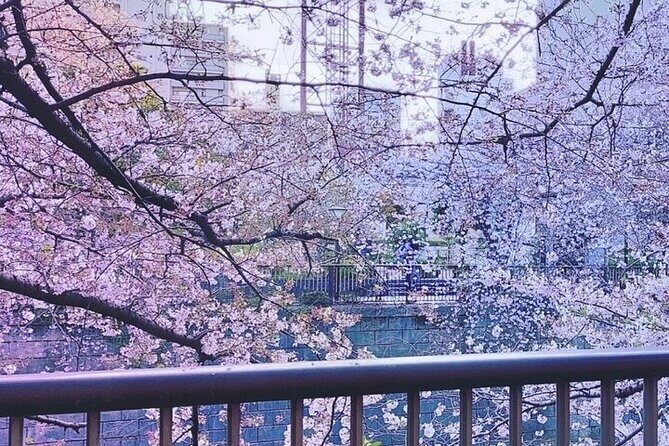
Meguro River is famous for a reason. The cherry trees line the water in a way that turns a simple walk into a photo-friendly rhythm, with blossoms reflecting and framing the path as you move. It’s the kind of scenery where you stop without meaning to.
What makes this tour appealing is the contrast. You start with an outdoor sakura experience, then you pivot into indoor, story-driven stops—Daienji and Gajoen—that give meaning to what you’re seeing. That mix is ideal if you want more than just scenery snapshots.
Also, the timing tends to matter less here than you’d think. Even though the classic season is late March to early April, a short guided format helps you avoid the common mistake of arriving with big expectations and then standing around waiting for blossoms to show up.
You can also read our reviews of more walking tours in Tokyo
Finding the guide at Naka-Meguro’s Starbucks (this matters)
The meeting spot is very specific: Starbucks opposite Nakameguro Station, on the Hibiya Line metro level, across from the Naka-Meguro Tsutaya Books area. The guide should be easy to recognize if you’re looking for the company logo brochure plus the licensed guide certificate.
Here’s my practical advice: arrive a little early and scan the entrance area rather than drifting to the nearest convenient spot. If you don’t see the guide holding the brochure, don’t assume it’s you’re-eye-sight or bad luck—ask around at the café/nearby staff for direction and confirm you’re in the correct line of sight for the guide. One bad start can snowball fast when the whole tour is just 90 minutes.
If you’re relying on station signage and maps on your phone, do yourself a favor and double-check you’re at the Starbucks opposite Nakameguro Station before you give up and wander. The area can be confusing, and you’ll lose time you can’t replace.
Meguro River walk: where the sakura photos actually happen
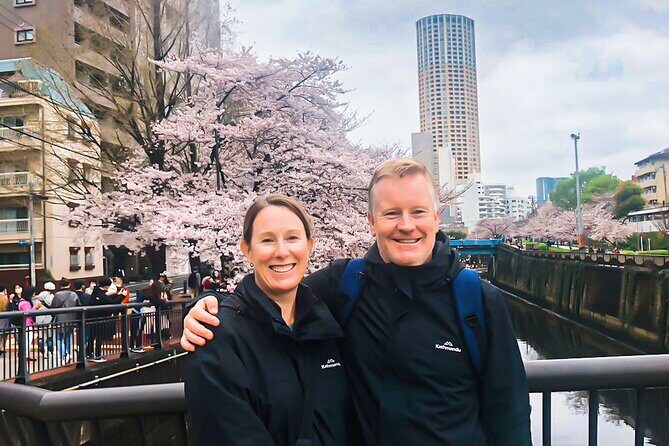
You’ll spend about 45 minutes moving along Meguro River, with time for passing views and scenic stops. The pace is built for seeing the best stretches without turning it into a long hike. Think “steady stroll with photo moments,” not “race to the perfect frame.”
In peak season, you’re basically following a moving corridor of sakura. The blossoms create natural backdrops, and the river setting helps you get shots that feel different from garden cherry viewing. Even if you’re not the type who takes dozens of photos, you’ll still enjoy the simple experience of walking under branches at eye level.
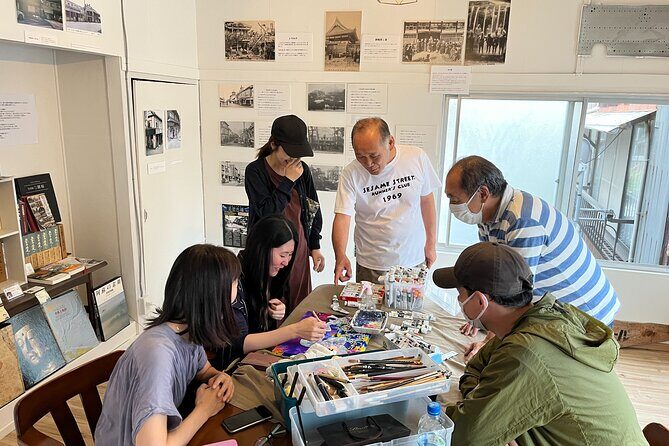
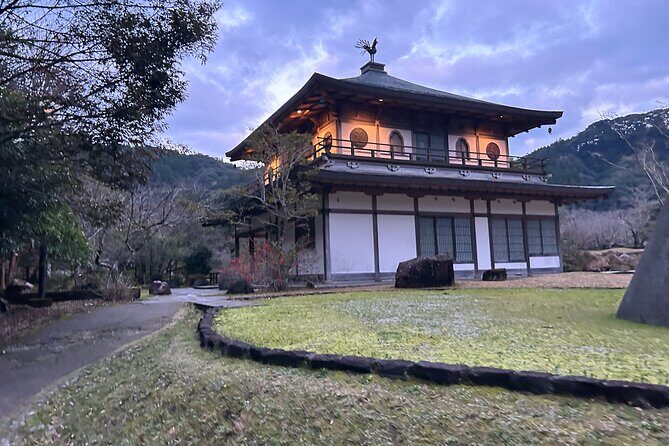
If you’re going slightly outside the usual late March to early April window, be mentally flexible. A guide adjustment is possible—one tour experience included a move to a traditional house when blossoms weren’t fully out. That’s a good sign, because it means the tour doesn’t always stop at the first disappointment.
Daienji Temple: Edo fire, luck, and why it’s more than a stop

After the river, the tour heads to Daienji temple, tied to Edo-era spiritual tradition as one of the Seven Lucky Temples. That matters because it changes your mental lens: you’re not just visiting a pretty building, you’re visiting a place connected to how people once sought good fortune.
What you’ll hear is the temple’s dramatic backstory. In the middle of the 18th century, fire broke out from the temple, and Edo became a sea of fire. Rebuilding wasn’t allowed until the end of the Edo period, which gives you a clear sense of how long recovery could take in real life, not in a fairy tale.
Then comes the turning point: Daienji was newly built as a tribute to those who died in the Edo fire. I like how that frames the temple as a memory site as much as a spiritual one. When you walk through, you’re carrying that context with you, and it makes the stop feel purposeful.
Gajoen at Hotel Gajoen Tokyo: the banquet halls that read like architecture

Next up is Hotel Gajoen Tokyo, with about 30 minutes for photo stops, guided touring, and passing scenic views. This is the part where you shift from sakura and temple atmosphere into a strong dose of style.
The story starts in 1931. Meguro Gajoen opened as a restaurant named after Meguro, and it’s described as the first general wedding hall in Japan. That combination is interesting: weddings, yes—but in a space that also functioned like a dining destination.
You’ll also learn why it attracted a wide range of visitors. It served authentic Beijing cuisine and Japanese cuisine, and by placing prices on the menu and using innovative ideas, it drew ordinary people along with politicians and high-class guests. That detail helps you understand how modernization and social mixing can happen through food and a public venue.
Inside, the decoration is also known by the nickname “Ryukyu Castle in Showa.” And the tour includes a key fact that makes the architecture feel official, not just decorative: on March 16, 2009, the Tokyo Metropolitan Government designated four of the seven banquet halls as tangible cultural properties (buildings). It’s a rare moment where you’re looking at a place that has been formally protected.
One practical note: because your time here is limited, focus on what catches your eye fast—doorways, ceiling details, and hall layouts. You won’t be doing an all-day museum crawl, so pick a few areas and let the guide’s explanations do the heavy lifting.
You can also read our reviews of more guided tours in Tokyo



Shinjuku by bus and the taiko show: the fun swing of the tour
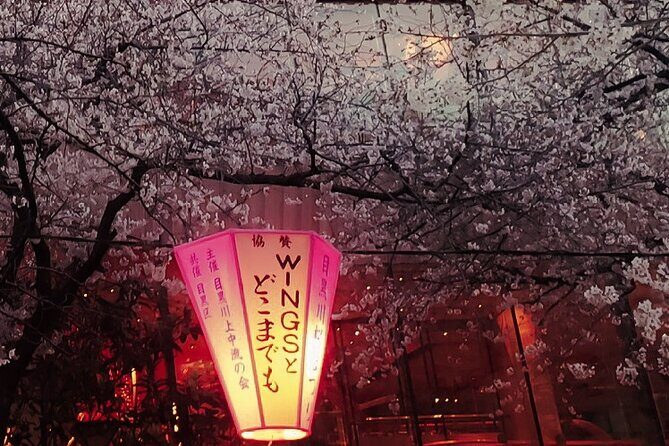
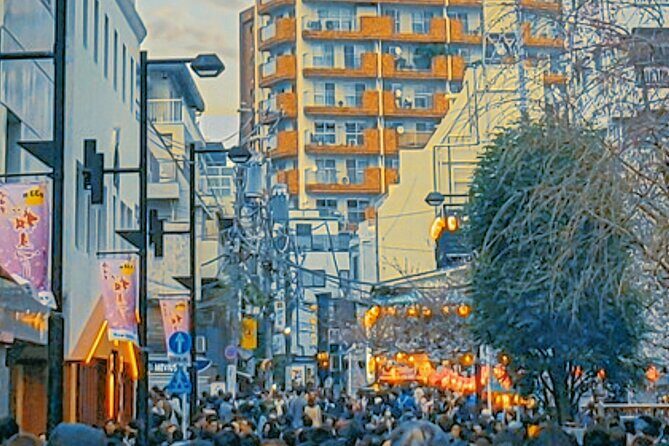
The highlight list also includes a bus tour around Shinjuku, guided by a national government-licensed guide. Even if you mainly came for cherry blossoms, this is a useful contrast. Meguro can feel calm and scenic. Shinjuku can feel energetic and fast-moving. The bus ride gives you a quick “Tokyo in stereo” effect without requiring you to plan anything yourself.
Then you’ll watch a show with cartwheeling samurai, breakdancing ghosts, and taiko drums. The show is brief enough to fit the overall 90-minute schedule, but it’s memorable because it’s physical and loud in a good way—almost like a reset button after temple and banquet hall details.
Why I think this works: you end up with a tour that balances three moods in one short window. Sakura outdoors. Heritage indoors. Performance energy to close. That’s a smart design for visitors who don’t have long blocks of time.
Price and value: is $22 actually fair for this format?
At $22 per person for 90 minutes, the value depends on what you’re trying to get out of Tokyo. This isn’t a slow, deep-dive day. It’s a structured hit list with a licensed English guide, plus multiple stops: Meguro River, Daienji temple, Hotel Gajoen Tokyo/Gajoen halls, and then additional elements like Shinjuku bus sightseeing and a live show.
For that price, you’re paying mostly for guidance and time-savings. The route uses a tight loop rather than forcing you to figure out connections or pacing on your own. When a tour includes both story explanations and access to specific interiors like Gajoen’s halls, the cost can make sense even if you’re not staying long in Tokyo.
There’s one more value factor: weather and seasonal uncertainty. One positive experience in the group included mention of rainy conditions during the walk, yet the tour still kept moving. Another note said blossoms weren’t out, yet the guide brought the group to a traditional house instead. That’s the difference between a tour that depends entirely on perfect weather and one that can pivot.
Who this tour suits best (and who should skip)
This is a great fit if you:
- Want a short cherry blossom-focused outing without building a full itinerary.
- Like structured sightseeing where someone handles the connections and timing.
- Enjoy a mix of outdoor scenery and indoor cultural/architecture storytelling.
- Prefer English guidance and a private-group feel.
You should skip or reconsider if:
- You have altitude sickness (this activity is not suitable for people with altitude sickness).
- You’re bringing very small children (not suitable for children under 3 years, and babies under 1 year).
- You’re over 95 years (not suitable for people over 95 years).
- You’re not comfortable walking on foot for at least the riverside portion, and you don’t have comfortable shoes.
Booking verdict: should you take this one?
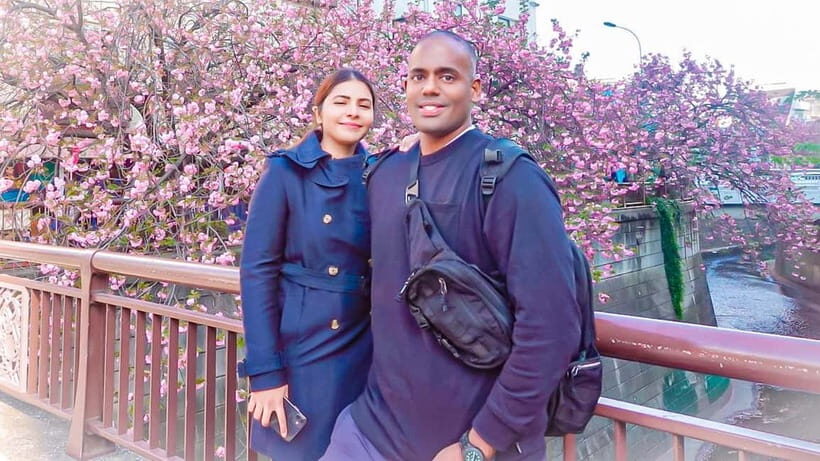
If you want cherry blossoms plus two story-heavy cultural stops in 90 minutes, this is worth considering. The Meguro River walk is the main visual payoff, and Daienji plus Gajoen help the scenery feel grounded in real Tokyo context rather than just seasonal photos.
I’d book it if your trip lines up with late March to early April, and if you’re confident you can find the meeting point quickly at Starbucks opposite Nakameguro Station. I’d be cautious if you hate tight schedules or if you tend to arrive late and rely on last-minute wayfinding—because missing the guide can ruin the entire plan.
FAQ
FAQ
Where do I meet the guide?
Meet at Starbucks opposite Nakameguro Station near Naka-Meguro Tsutaya Books (Hibiya Line metro area). The guide should be holding the company logo brochure and a licensed guide certificate.
How long is the Tokyo Meguro Cherry Blossom Walking Tour?
It runs for 90 minutes.
What language is the tour guide?
The live tour guide speaks English.
What’s included in the tour?
The tour includes a walking tour with a licensed guide, plus the program elements listed such as the bus tour around Shinjuku and a show with cartwheeling samurai, breakdancing ghosts, and taiko drums.
What are the key places you visit?
You’ll walk along Meguro River, visit Daienji temple, and go to Hotel Gajoen Tokyo for a photo stop and guided hall touring, ending at JR Meguro Station.
When are cherry blossoms usually expected on this route?
The season is typically between late March and early April.
Is this tour suitable for children and infants?
No. It’s not suitable for children under 3 years or babies under 1 year.
Is it free to cancel if my plans change?
Yes. There’s free cancellation up to 24 hours in advance for a full refund.