REVIEW · TOKYO
Osaka: Premium Go-Kart City Tour with Costumes and Photos
Book on GetYourGuide →Operated by Monkey Adventure Kart · Bookable on GetYourGuide
Neon lights meet horsepower. In 75 minutes, you steer a street-legal go-kart through Osaka’s iconic neighborhoods while you wear included costumes and get guided photo coverage that’s built for memories and good shots. I also like how the route is handled for you by friendly English-speaking captains (Matt and Lucky are named by riders), so you’re not worrying about turns. The main drawback to plan around: Japan’s driving rules are strict, and you’ll need the right 1949 Geneva hard-copy IDP.
You start at 6-chōme-2-13 Ebie with a safety briefing, pick from a set of costumes before you roll, and head out with fuel and locker access included. The pace is short-but-satisfying for first-timers, and the group stays small (max 5), which helps the guide keep control on busy streets.
In This Review
- Key things you should know before you race through Osaka
- Osaka by go-kart: the simple way to see the icons fast
- Costumes + photos: the part you’ll actually plan around
- The route in 75 minutes: Tennoji, Tsutenkaku, Nihonbashi, Shinsaibashi, Dotonbori
- How safe is this, really? Street rules and a guide in control
- Your driving-license reality check: Japan’s IDP rules are strict
- The group size factor: why max 5 feels different on the road
- What’s included (and what costs extra)
- Price and value: why $58 can feel fair for Osaka
- Practical tips to get the best shots (without slowing your group)
- Weather and rescheduling: when plans shift
- Who should book this Osaka go-kart tour
- Should you book it?
- FAQ
- What international driving permit do I need for this Osaka go-kart tour?
- How long is the tour, and where does it start?
- Are costumes and photos included?
- How many people are in the group?
- Is the go-kart ride safe and guided?
- What should I bring on the day?
- Can I get a refund if my plans change, and what about rain?
Key things you should know before you race through Osaka
- Costumes are included: Choose your outfit before you depart, then wear it through the ride for instant photo appeal.
- Photo stops are part of the experience: Your guide captures moments as you cruise, so you don’t only rely on your own camera.
- It’s street-legal, with rules: The tour follows local traffic rules, with a guided setup designed for safety.
- You’ll hit the big Osaka districts: Tennoji, Tsutenkaku, Nihonbashi, Shinsaibashi, and Dotonbori are all on the route.
- Small group size helps: Limited to 5 participants, which makes instructions easier and the ride feel less chaotic.
- Your license matters more than your excitement: Online permits won’t work, and some permit types aren’t recognized in Japan.
Osaka by go-kart: the simple way to see the icons fast
Osaka is one of those cities where the best sightseeing often happens while you’re walking between neighborhoods. This tour gives you a different angle: you get street-level views from a go-kart as you pass through headline areas like Namba/Dotonbori and the Shinsaibashi shopping stretch. In practical terms, 75 minutes is long enough to feel like a real experience and short enough that you’re not wiped out afterward.
What I like is that this isn’t a random circuit. You’re guided through multiple recognizable districts—Tennoji, Tsutenkaku, Nihonbashi, Shinsaibashi, and Dotonbori—so you see more than just one photo stop lane. It’s especially useful if it’s your first day in Osaka and you want a “greatest hits” tour without committing to a full day.
You can also read our reviews of more city tours in Tokyo

Costumes + photos: the part you’ll actually plan around
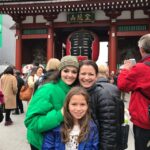
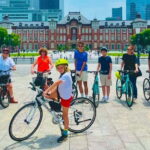
The costumes are included, and that changes the vibe instantly. You’re not just riding a kart; you’re dressed up as you move through Osaka’s famous sights, which makes the whole thing feel more like an event than transportation. It also makes it easier to get photogenic shots right in the street scenes—dark neon backdrops included.
Guides handle the route and also capture photos during the ride. In the real world, that’s a big deal. If you’re driving, you can’t easily stop, frame, and coordinate shots without slowing the whole group. Having the captain manage the photo moments means you spend less time fiddling with your phone and more time enjoying the ride.
Past participants also note guide personalities that really matter for first-time drivers. Matt and Lucky, for example, are described as friendly and helpful, including being patient when someone in the group is new to driving on open streets. Another named guide, Airene, is described as making the experience memorable. That human touch is a major part of why this style of tour works.
The route in 75 minutes: Tennoji, Tsutenkaku, Nihonbashi, Shinsaibashi, Dotonbori
The tour is built around Osaka’s most recognizable districts, so you get the feeling of moving through the city rather than looping in one small area. Here’s how each stop helps your overall day.
Starting area and briefing (6-chōme-2-13 Ebie)
You meet at 6-chōme-2-13 Ebie, then get a safety briefing before you head out. This is the part where the guide sets expectations—how you’ll drive as a group, what to focus on, and how stops work.
Tennoji and Tsutenkaku energy
Tennoji is a great starting point because it feels like Osaka at street level: everyday movement, shops, and local rhythm. Tsutenkaku adds personality with its landmark vibe, which helps the tour feel like more than a tourist shortcut.
Nihonbashi for classic city flow
Nihonbashi is where you get that older-commercial Osaka feel, and it’s a strong bridge between the big neon zones and other central streets. You may find this segment helpful if you want a sense of how neighborhoods connect, not just one famous district.
Shinsaibashi for the shopping-street mood
Shinsaibashi is a natural highlight because it’s known for atmosphere and people-watching. From the kart, you get motion through the sights without having to fight your way through foot-traffic for every photo.
Dotonbori neon at the end
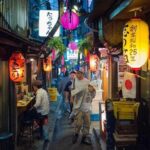
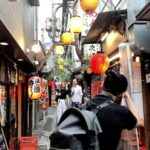
Dotonbori is the famous payoff. The ride’s timing can mean you catch neon-lit streets during the evening mood. Even if you’ve seen photos, it lands differently when you’re moving through it from street level, with the signs and lights right there as you pass.
How safe is this, really? Street rules and a guide in control
This is a guided activity designed to follow traffic rules and local regulations. That sounds obvious, but it matters because go-kart experiences can range from casual to chaotic depending on the operator. Here, the tour is set up as a safe, instructed ride, and the guide keeps the group moving together.
Before departure, you’ll get a safety briefing, and you’ll be driving a real street go-kart. That means you should expect real-road situations: cars around you, pedestrians nearby, and the need to keep your attention up at all times. The upside is that you’re not doing this solo. The guide is there for route direction and coordination, which helps keep the experience smooth.
One practical tip: if you’re new to driving, give yourself time to learn the kart handling and controls during the early part of the tour. Riders have highlighted that guides can be patient with first-timers, which is exactly what you want at the start.
Your driving-license reality check: Japan’s IDP rules are strict
This is the biggest gate you have to get right before you book. Japan requires a valid driving license setup, and the tour specifically requires a hard-copy International Driving Permit (IDP) booklet issued under the 1949 Geneva Convention. Online or soft copies aren’t accepted.
Here are the key rules to plan for:
- You need the hard copy paper booklet of your 1949 Geneva IDP.
- You may also need a Japanese translation of your license depending on where your license is issued (certain countries require a physical translation from JAF).
- Permits under the 1968 Vienna Convention aren’t recognized for this activity.
- If your IDP isn’t from the 1949 Geneva system, you could be turned away.
- Some countries’ driving permits are not allowed in Japan for driving, so you should check your country’s eligibility before traveling.
If you’re the type who assumes any IDP is good enough, this is the moment to slow down and verify. One rider had a failed attempt because a UK driving license wasn’t sufficient without the correct international license paperwork. Don’t let that be you.
You can also read our reviews of more photography tours in Tokyo




The group size factor: why max 5 feels different on the road
This tour is limited to 5 participants, which is smaller than many “group fun” activities. Small group size tends to mean clearer instructions, quicker responses if someone needs help, and less waiting around during photo stops.
It also helps with confidence. When you’re driving in a group, it’s easier to understand what everyone else is doing—where the kart line is, when you stop, and what the guide expects. That matters even more if someone in your group is trying karts for the first time.
What’s included (and what costs extra)
For $58 per person, you get a lot of the parts that usually cost extra in a typical activity: the go-kart itself, fuel, a professional English guide, and locker access. You also get free use of a wide variety of costumes, plus photos.
Not included items are straightforward:
- GoPro costs extra (3,500 JPY).
- Insta360 with edit costs extra (13,500 JPY).
If you don’t want to carry or manage cameras while driving, that’s fine. The guide photo coverage and built-in photo stops are part of the value here.
Price and value: why $58 can feel fair for Osaka
At $58 for about 75 minutes, you’re paying for three things at once: a street-legal kart, guide leadership, and photo moments with a dressed-up experience. In many cities, you’ll see karts that feel like rentals plus a loose route. This one is closer to a guided “experience package,” which is why it can feel like better value than a bare-bones kart rental.
One rider even described it as about half the price compared with a similar experience in Tokyo. Whether that comparison stays exact for every season, the logic is the same: you’re not just paying for time on a kart; you’re paying for structure, photos, and a ride through multiple iconic neighborhoods.
Practical tips to get the best shots (without slowing your group)
Your costume selection is more than for fun. It’s your “photo plan,” because you’ll be wearing it through the districts with neon and street backdrops. Pick something comfortable enough to drive in with your head and hands moving freely.
Also, think about what you want your photos to show:
- If you want classic neon portraits, you’ll want the timing near Dotonbori to matter most.
- If you like variety, you’ll get multiple districts in one go-kart circuit—so your guide photo moments likely span different street scenes.
Finally, keep your phone accessible for the parts when you’re not driving. Even if your captain is taking photos, it’s smart to have your own camera ready for quick grabs while parked or stopped.
Weather and rescheduling: when plans shift
This tour may be rescheduled due to rain. If your trip has a single tight day for this activity, try to choose a date with some flexibility. A kart tour depends on road and visibility conditions, so the operator may adjust timing to keep the ride safe.
Who should book this Osaka go-kart tour
This one fits well if you want:
- A first-time introduction to Osaka’s famous neighborhoods in one focused ride
- A fun couple, friend, or group outing with a guide handling route and photos
- An activity that combines movement with sightseeing, not just standing in lines
It may not fit if:
- You’re pregnant (the tour states it’s not suitable)
- You’re under 18 for driving eligibility
- You don’t yet have the correct hard-copy 1949 Geneva IDP paperwork and translation situation sorted
Should you book it?
If you have the right 1949 Geneva hard-copy IDP, this is an easy yes for a short, high-impact Osaka experience. The combination of costumes, photo coverage, and a guided route through major districts like Shinsaibashi and Dotonbori makes it feel like more than a novelty. For many people, it’s a smart way to see a lot of the city without spending the day in transit.
But if your paperwork isn’t in order, don’t gamble. Check your permit details early, because Japan’s rules are unforgiving—and nobody wants to lose a day (or a booking) over the wrong IDP type.
If you’re ready, I’d book this as a “greatest hits” Osaka activity and then build the rest of your day around slower neighborhood exploring.
FAQ
What international driving permit do I need for this Osaka go-kart tour?
You need a hard copy International Driving Permit (IDP) booklet issued under the 1949 Geneva Convention. The tour notes that you also need a Japanese translation of your license in certain cases, and that online or soft copies are not valid.
How long is the tour, and where does it start?
The tour lasts 75 minutes. The starting location is 6-chōme-2-13 Ebie.
Are costumes and photos included?
Yes. Costumes are included, and the tour includes photos. Locker access, fuel, and the go-kart are also included.
How many people are in the group?
The tour is limited to a small group of up to 5 participants.
Is the go-kart ride safe and guided?
Yes. It’s a guided tour with a professional English-speaking guide, includes a safety briefing, and follows local traffic rules and regulations.
What should I bring on the day?
Bring a passport or ID card and your international driving license/IDP as required. The tour also includes locker access.
Can I get a refund if my plans change, and what about rain?
The tour offers free cancellation up to 24 hours in advance for a full refund. It may also be rescheduled due to rain.