REVIEW · TOKYO
Private Gluten-Free Japanese Cooking Class in Tokyo Japan
Book on Viator →Operated by Morimi's Home Kitchen · Bookable on Viator
Gluten-free in Japan sounds scary at first, but this Tokyo class turns it into a clear plan. I like how you practice ingredient-label checking for common gluten traps like soy sauce and miso, and I like that the menu still feels unmistakably Japanese, built around staples like rice and tofu.
You’ll also cook your chosen dishes in a private, home-kitchen setting with Morimi-san, and you’ll get a realistic mix of techniques from comfort food to sushi forms. The one thing to think about is that you pick one course (Basic, Tofu, or Sushi), so you won’t taste every dish type in a single session.
In This Review
- Key things that make this class worth your time
- Why Japanese cooking is a great fit for gluten-free (once you know the traps)
- Meidaimae Station start: private class rhythm, lunch included
- Choose the menu: Basic, Tofu, or Sushi courses
- Basic-course (a classic sampler)
- Tofu-course (tofu-forward comfort)
- Sushi-course (temari + pressed sushi)
- How the label-checking lessons actually help in real life
- Basic-course dishes: what you’ll cook and why they’re useful
- Tofu-course dishes: multiple tofu textures in one session
- Sushi-course: temari and oshi, plus a safe warm soup
- Optional seasonal sweets: a gluten-free finish without the letdown
- Lunch, recipes, and the feel-good part: Morimi-san’s teaching style
- Price and value: what $84.54 per person really buys you
- Who should book this gluten-free Japanese cooking class in Tokyo
- Should you book Morimi’s Home Kitchen?
- FAQ
- FAQ
- What time does the cooking class start?
- Where do we meet for the class?
- How long is the experience?
- Is this a private experience?
- Is pickup available?
- What is included in the price?
- What gluten-free course options are available?
- Does the class include Japanese sweets?
- Are recipes provided?
- How does cancellation work?
Key things that make this class worth your time
- Hands-on gluten-free label skills tied directly to Japanese pantry staples
- Three distinct course menus (Basic, Tofu, Sushi) so you can match your appetite
- You cook, then eat as lunch instead of only watching
- Recipes provided, so you can recreate the food at home
- Optional seasonal sweets that fit the gluten-free theme
Why Japanese cooking is a great fit for gluten-free (once you know the traps)
Japanese food leans hard on rice, fish, vegetables, tofu, and seaweed. That foundation makes it much easier to build gluten-free meals than in cuisines that rely on wheat flour as the default. But the sticking point is that “Japanese” does not automatically mean gluten-free.
In this class, you’ll learn where gluten usually sneaks in: seasonings like soy sauce, miso, and mirin, plus coatings and fried foods like tempura, and also processed items like fish cakes and noodle dishes. The key idea isn’t to memorize a list forever. It’s to know how to check ingredient labels so you can make smart choices anywhere, not just in Tokyo.
That label-checking focus is what makes the experience practical. You’re not just learning recipes; you’re learning the decision-making process behind them.
You can also read our reviews of more private tours in Tokyo



Meidaimae Station start: private class rhythm, lunch included
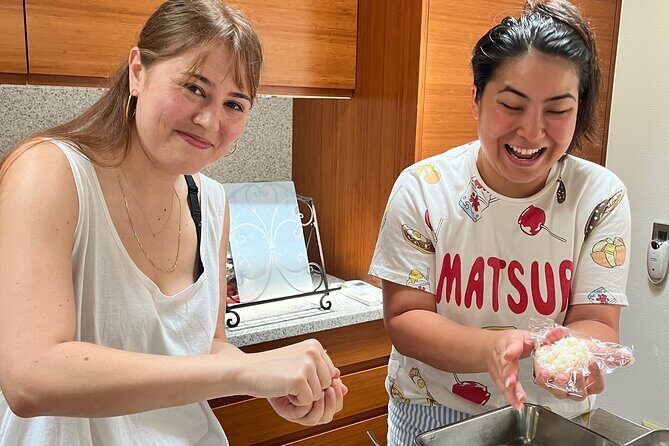
The experience starts at 11:00 am at Meidaimae Station, near 2 Chome-45 Matsubara, Setagaya City, Tokyo 156-0043. It also ends back at the meeting point, so you don’t lose time figuring out your return.
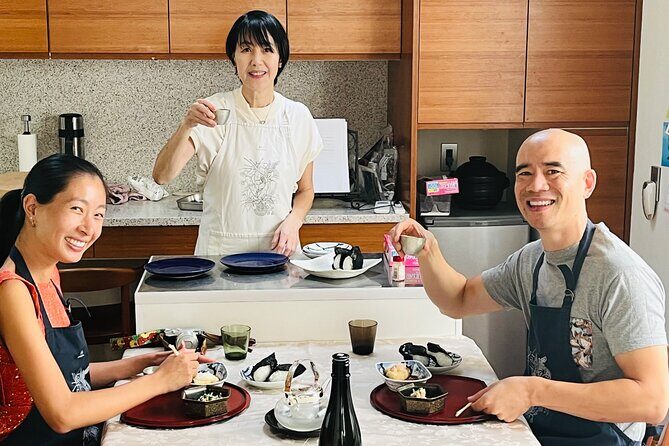
This is a private class, meaning only your group participates. That matters for gluten-free cooking because you want attention on your needs and clear communication in the kitchen. Pickup is offered, but private transportation is not included, so if you’re relying on a car or taxi, you’ll want to plan that separately.
Lunch is included. In a 3-hour format, that’s a big deal: you’re not squeezing in a class and then hunting for something safe to eat afterward.
Choose the menu: Basic, Tofu, or Sushi courses
You’ll pick one of three gluten-free Japanese courses, and the meal is built around what you cook and then taste together.
Basic-course (a classic sampler)
This course includes:
- 2 onigiri (rice balls)
- Chicken karaage (Japanese fried chicken)
- Dashimaki tamago (Japanese rolled omelet)
- Shiraae (tofu and vegetable salad)
- Kinpira (stir-fried potatoes and carrots)
- Miso-soup
I like this option because it covers multiple textures: rice, crispy fried chicken, soft omelet, cool salad, and savory stir-fry plus soup. It’s a good “Japan basics” path if you want a wide skill set without going full sushi-nerd mode.
One practical thought: karaage and other cooked items can be where gluten sneaks in, so the value here is that the class teaches you how to keep these dishes gluten-free while still feeling Japanese.
Tofu-course (tofu-forward comfort)
This course includes:
- 2 onigiri
- Tofu hamburger steak
- Shiraae (tofu and vegetable salad)
- Agedashi tofu (deep-fried tofu in broth)
- Tofu miso soup or clear soup
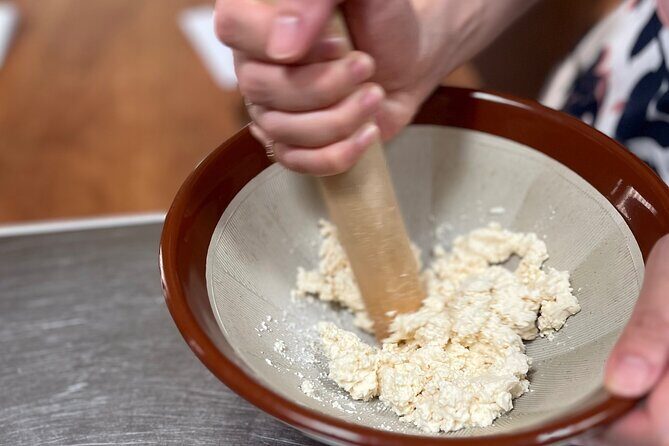
- Oboro-tofu (freshly made soft tofu)
This is the choice I’d make if you love tofu or want a menu that leans into Japanese comfort food in a gentler way. You’re working with multiple tofu styles: salad, soft freshly made oboro-tofu, fried tofu in broth, and a hearty tofu “steak” format.
If your gluten concerns also come with a need for simpler ingredients and fewer surprises, tofu-heavy menus often feel more straightforward. The class still keeps the label-checking front and center, which is the smart part.
You can also read our reviews of more cooking classes in Tokyo
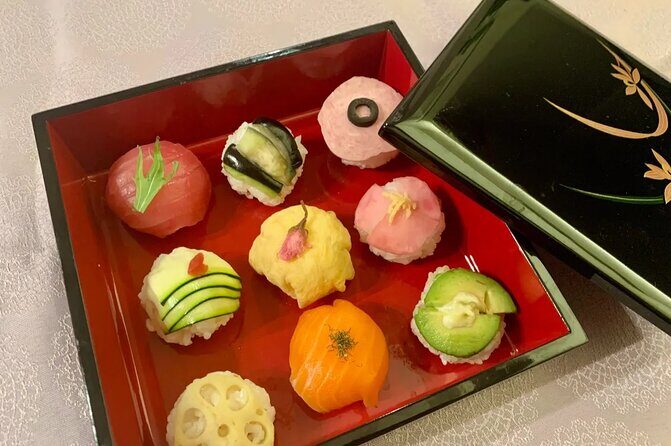
Sushi-course (temari + pressed sushi)
This course includes:
- 6 pieces of temari-sushi (ball-sushi)
- Oshi-sushi (pressed sushi)
- Tofu miso soup or clear soup
Sushi is one of those food categories where people often assume it’s safe. In reality, the risk usually comes from sauces, seasonings, or ingredients that aren’t obviously “wheat.” The sushi course is valuable because it trains you to think past the label and understand what’s inside.
If you like presentation and hands-on shaping, this course is a fun target. You’ll leave with forms you can realistically redo at home.
How the label-checking lessons actually help in real life
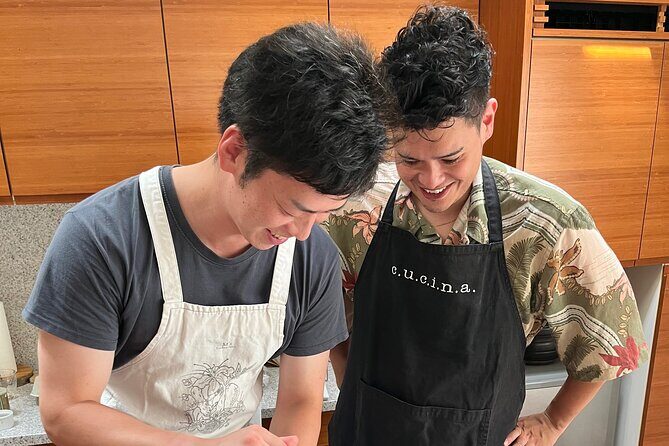
The class’s core promise is that you’ll learn how to check ingredient labels and build gluten-free Japanese menus. That’s not glamorous, but it’s the difference between eating safe food today and staying safe tomorrow.
You’ll focus on common gluten sources mentioned in the class guidance:
- Soy sauce, miso, mirin (seasonings can contain wheat-derived ingredients)
- Tempura and fried coatings (breaded or flour-based layers)
- Processed items like fish cakes
- Noodles and noodle-based products
The practical takeaway is this: you learn to treat recipe names as hints, not guarantees. When you know what to look for on labels, you can adapt the dish to your diet wherever you shop.
And because you cook the dishes as part of the class, the label skills become attached to outcomes. You see which ingredients change texture and flavor, and you understand why the “gluten-free” label matters.
Basic-course dishes: what you’ll cook and why they’re useful
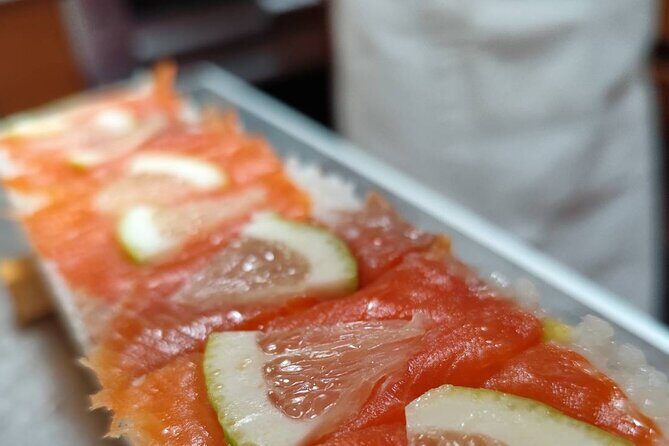
Here’s what the Basic course lets you practice, and what makes it a good gluten-free learning menu.
Onigiri: You make two rice balls. Onigiri is one of the most gluten-friendly Japanese staples on paper because rice is naturally gluten-free. The real work is in making sure fillings and seasonings fit your gluten-free rules, and that’s exactly where label-reading matters.
Chicken karaage: You cook Japanese fried chicken. Fried chicken can be tricky in gluten-free cooking because coatings may use wheat-based ingredients. The class approach helps you build it gluten-free while still hitting the right crunch-and-juicy balance.
Dashimaki tamago: You make Japanese rolled omelet. This teaches you about using simple ingredients to create a soft, savory component that pairs well with rice meals.
Shiraae: You prepare tofu and vegetable salad, giving you a cooler, lighter contrast to fried and warm dishes.
Kinpira: You cook stir-fried potatoes and carrots. This is a perfect gluten-free side because it’s straightforward and works as a repeatable weeknight dish.
Miso soup: You finish with miso-soup, another place where miso type matters for gluten-free planning.
In short, Basic is a “build a Japanese gluten-free plate” course. It teaches you how rice-centered meals come together.
Tofu-course dishes: multiple tofu textures in one session
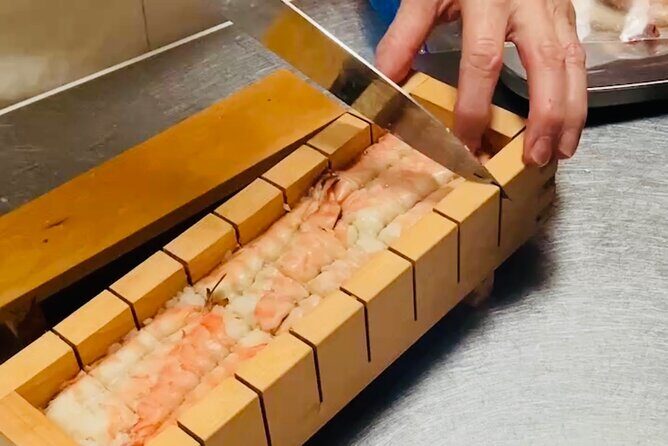
If you choose the Tofu-course, you’re essentially training your palate and technique across a tofu range.
You start with two onigiri, then move into tofu mains:
- Tofu hamburger steak, which brings a hearty, comforting, sauce-friendly vibe.
- Shiraae again, so you get a consistent reference point for tofu salad flavor.
- Agedashi tofu, which is deep-fried tofu served in broth. Broth-based dishes can be a label minefield depending on seasonings, so again, the class’s ingredient-checking focus is the point, not just the frying.
- Tofu miso soup or clear soup, so you get a warm finish.
- Oboro-tofu, made fresh as soft tofu.
I like this course for families too: it spreads the menu out between “fun to shape” (onigiri), “cozy main” (hamburger steak), “wow texture” (agedashi), and “fresh and creamy” (oboro-tofu). It feels varied without relying on wheat-heavy ingredients.
Sushi-course: temari and oshi, plus a safe warm soup
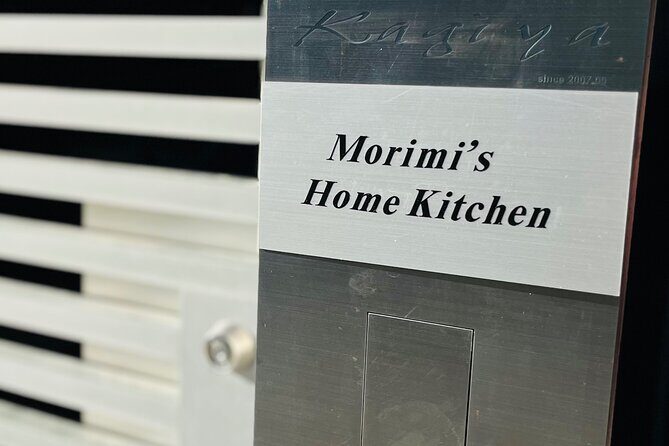
Sushi can be a make-or-break meal when you have gluten restrictions. The Sushi-course gives you practice in two different styles:
- Temari-sushi: 6 pieces of ball-sushi
- Oshi-sushi: pressed sushi
You also get tofu miso soup or clear soup for balance.
The practical value here is that you’re learning how sushi fits into a gluten-free framework. Rice and structured sushi shapes are naturally forgiving, but the hidden issue is what you season or top them with. The class makes that invisible part visible through the ingredient label approach.
If you want something more impressive than standard rice bowls, Sushi-course is the move.
Optional seasonal sweets: a gluten-free finish without the letdown
You can add optional Japanese sweets, chosen by season. These are part of the gluten-free learning experience, not an afterthought.
Depending on timing, you might get:
- Spring: Strawberry daifuku (mochi with sweet red bean paste and strawberry)
- Summer: Chilled sweet red bean soup with shiratama dumplings
- Autumn: Chestnut yokan (sweet bean jelly)
- Winter: Shiratama zenzai (sweet red bean soup with rice flour dumplings)
This is more than dessert. It’s also a lesson in how Japanese sweets can change structure when they’re made with gluten-free methods and ingredients.
Lunch, recipes, and the feel-good part: Morimi-san’s teaching style
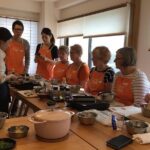
This is a home-kitchen setup run by Morimi’s Home Kitchen, with instruction from Morimi-san. The teaching approach really lands for beginners. One of the most consistent takeaways from the experience is that Morimi-san explains things with care, and even people who don’t cook much can make the dishes successfully.
You’re also not leaving empty-handed. A past participant specifically noted that they received the recipes, which makes the class far more valuable than one-off dining. You get the method and the ingredients listed in a way you can use again.
And yes, the food quality matters. The class meals are described as amazing and filling, with plenty to eat across a full 3-hour session.
If language is a concern, you’ll be glad to know Morimi-san communicates in English very well. She may worry about it, but the instruction itself is clearly understandable in the kitchen.
Price and value: what $84.54 per person really buys you
At $84.54 per person for about 3 hours, this sits in the “worth it if you care about safety and guidance” zone. The value comes from three things:
- It’s private, which is huge when gluten is involved. You get attention, not a crowd.
- Lunch is included, so you’re not adding extra meals into your day.
- You leave with recipes, so the learning doesn’t vanish after you wash dishes.
Booking patterns are also a clue: it’s commonly booked around 70 days in advance on average. That suggests demand for gluten-free, hands-on classes in Tokyo.
The one cost-related consideration is that private transportation isn’t included. Pickup is offered, but you may still want to plan your own route to Meidaimae so you’re not stressed on the day.
Who should book this gluten-free Japanese cooking class in Tokyo
This class is a great match if:
- You need gluten-free cooking you can actually repeat at home.
- You want a Japanese menu that goes beyond plain rice and plain soup.
- You’re cooking as a couple or family and want a safer, calmer meal experience.
- You’re new to cooking but want step-by-step guidance.
It’s especially relevant if soy sauce, miso, mirin, or fried coatings are part of your fear list. That’s what the class targets: common gluten sources you’ll meet in everyday Japanese food.
A mild “think twice” note: because you pick one course, you’ll leave knowing that set of dishes deeply, not every option at once. If you want a sampler across all styles in one day, you’d need multiple courses on different visits.
Should you book Morimi’s Home Kitchen?
If you want gluten-free Japanese food that feels like real Japanese comfort food, not a compromise, I think this class is a strong yes. The headline isn’t just the menu. It’s the label-checking skill you learn and the recipes you take home.
Book it if you:
- care about celiac-level practicality and want a method you can reuse,
- want a private home-kitchen class,
- and like the idea of cooking rice balls, tofu dishes, or sushi forms.
Skip it only if you’re traveling on a super tight schedule and can’t spare the 3 hours, or if you’re expecting a class that covers all three course styles in one sitting.
FAQ
FAQ
What time does the cooking class start?
The class starts at 11:00 am.
Where do we meet for the class?
The meeting point is Meidaimae Station, 2 Chome-45 Matsubara, Setagaya City, Tokyo 156-0043, Japan.
How long is the experience?
It lasts about 3 hours.
Is this a private experience?
Yes. It is private, and only your group participates.
Is pickup available?
Pickup is offered, but private transportation is not included.
What is included in the price?
Lunch is included.
What gluten-free course options are available?
You can choose among three courses: Basic-course, Tofu-course, or Sushi-course.
Does the class include Japanese sweets?
Japanese sweets are optional and change by season (spring daifuku, summer red bean soup with shiratama, autumn yokan, winter shiratama zenzai).
Are recipes provided?
Yes. A previous participant noted they received the recipes.
How does cancellation work?
You can cancel for a full refund if you cancel up to 24 hours in advance of the experience start time. If you cancel less than 24 hours before, the amount paid is not refunded.
![[Kyoto Street Shot] Recording every wonderful moment of travel with shutter (free kimono experience) - Price and value: $235.33 per group (up to 6)](https://images.thejapantraveler.com/wp-content/uploads/kyoto-street-shot-recording-every-wonderful-moment-of-travel-with-shutter-free-kimono-experience.jpg)