REVIEW · KYOTO
Private Kyoto Tour: Explore the Most Iconic Sights
Book on Viator →Operated by Nas · Bookable on Viator
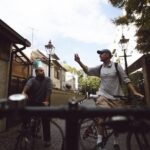
Kyoto looks different when someone helps you steer. This private day strings together the iconic classics without making you spend your time figuring out connections. I like the flexible, call-the-shots feel, and I also like that you get a guide whose English is easy to follow; one guide named Riku was especially great—pleasant, careful, and quick to answer questions.
The main thing to consider is cost creep: some temple fees may be extra (the price coverage and admissions can vary by stop), and lunch is not included. For bigger groups, it’s also smart to check how many people fit in one vehicle.
In This Review
- Key Highlights You’ll Actually Care About
- Kinkaku-ji Golden Pavilion: Where the Day Starts Strong
- Kiyomizu-dera: A 2-Hour Temple Walk with Time to Ask Questions
- Fushimi Inari Taisha Torii Gates: Choose Your Trail Length
- Arashiyama Bamboo Forest, Togetsukyo Bridge, and a Boat Ride
- Taxi Logic and a Real Private Day: Less Stress, More Control
- Language and Guide Quality: What You Can Expect
- Price and Value: Does $200 Make Sense for This Day?
- Who This Tour Suits Best (and Who Might Want to Rethink It)
- Should You Book This Kyoto Iconics Tour?
- FAQ
- How long is the Kyoto private tour?
- Is pickup included?
- Is this a private tour?
- Are entrance tickets included?
- Does the tour include lunch?
- What kind of transportation do you use?
- Can I request a guide who speaks my native language?
- Is there free cancellation?
Key Highlights You’ll Actually Care About

- Private, your pace, your plan: Your group goes together and you can adjust where you spend time.
- English-first guidance with options: Most tours run in English, and a native-language guide may be possible for an extra fee.
- Taxi help when it makes sense: The tour uses taxis as needed for comfort and efficiency.
- Kinkaku-ji to Arashiyama in one day: You get big-picture Kyoto hits without hopping around alone.
- Arashiyama includes a river crossing and a boat ride: Togetsukyo Bridge and a short boat ride across the lake are part of the experience.
Kinkaku-ji Golden Pavilion: Where the Day Starts Strong
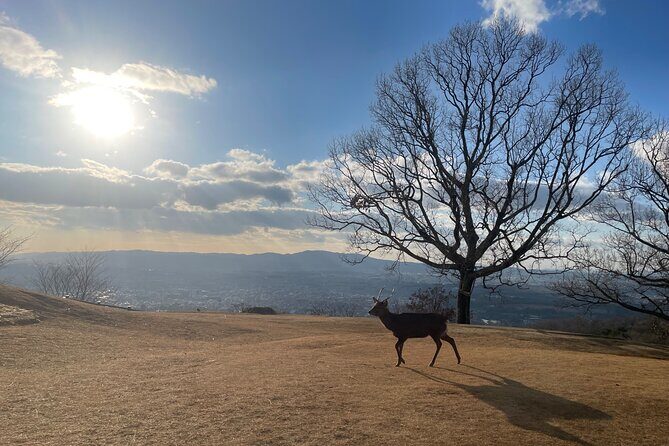
You begin at Kinkaku-ji, the Golden Pavilion (officially Rokuon-ji). This is Kyoto’s “first postcard” temple for a reason: the top floors are wrapped in gold, and the whole scene feels like it was designed for visitors who want something instantly memorable.
What I like here is the order of operations. Starting with Kinkaku-ji helps you get one of Kyoto’s most famous sights out early, before the rest of the city starts compressing your time and patience. With a private guide, you’re not just walking through with everyone else—you can ask what to look for, and you can decide how long you want to linger at key viewpoints.
One practical note: photos are easy here, but the lighting can change quickly. If you’re the type who cares about getting the shot without standing in the same spot forever, ask your guide what angle they recommend and then plan a quick loop instead of one long pose.
You can also read our reviews of more private tours in Kyoto


Kiyomizu-dera: A 2-Hour Temple Walk with Time to Ask Questions
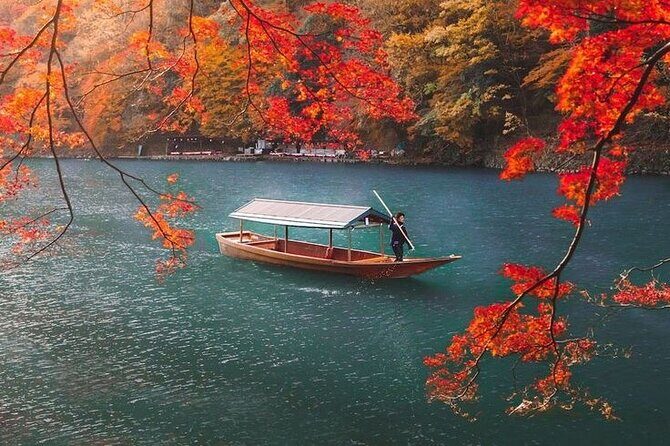
Next up is Kiyomizu-dera, a Buddhist temple with a history spanning about 1,200 years and a UNESCO World Heritage status. This place is known for its iconic buildings and the way the grounds rise and fall, so even if you’ve seen it in photos, it still feels physical when you’re there.
I love that your visit is guided for roughly two hours. That’s long enough to notice details, read a few key explanations, and still keep moving. If you’re traveling solo or with limited time, this is the difference between watching other people walk past you and actually understanding why Kiyomizu-dera matters.
There’s also a small strategy element. People tend to rush straight to the biggest viewpoints. If you want a calmer feel, you can shift your pacing with your guide—spend a little time near the structures, then step away from the densest pockets to get the views without fighting the flow.
Fushimi Inari Taisha Torii Gates: Choose Your Trail Length
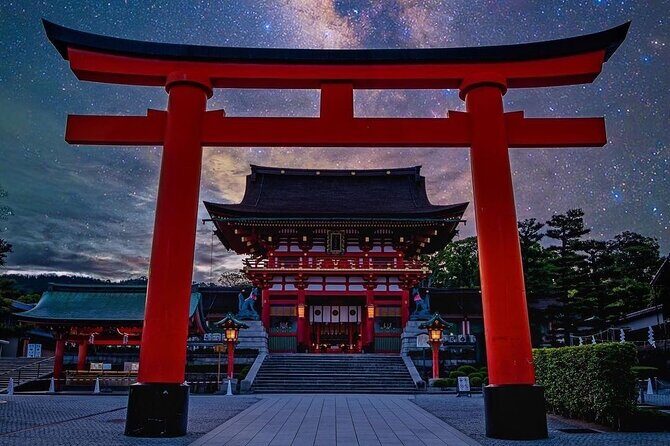
Then comes Fushimi Inari Taisha, the shrine famous for thousands of vermilion torii gates. The gates form trails up Mount Inari, and the walk changes mood as you go deeper—more steps, fewer distractions, and more of that tunnel-like feeling as you move under the gates.
The tour gives you about two hours here, which is useful because you can tailor your hike level. You don’t have to commit to the highest climbs if that’s not your style. Many people enjoy turning it into a guided “choose your effort” experience: walk far enough to feel the gate network, but stop while you still have energy for the next part of the day.
Budget note: the data you’ll see can list admissions as not included, while other parts of the offer mention entrance fees being covered. Rather than guess, I recommend you confirm what your booking includes for Fushimi Inari specifically. In Japan, that kind of small mismatch is easy to fix with one message before you go.
Arashiyama Bamboo Forest, Togetsukyo Bridge, and a Boat Ride
Arashiyama is where the day shifts gears from big-ticket temples to a more scenic Kyoto rhythm. You’ll walk through the bamboo forest, cross the river using Togetsukyo Bridge, and then take a boat ride across the lake. That combo is a big part of why this tour feels worth doing privately.
Here’s the real value: your guide can help you move at the right speed for the environment. Bamboo forests and riverside areas can turn crowded fast, and the trick is not to try to “out-sprint” everyone. Instead, aim for a smooth flow—enjoy the forest walk, then time your river crossing so you’re not stuck for long while the tide of foot traffic moves around you.
The boat ride is also a smart inclusion. It gives you a different angle on the area, and it breaks the walking up just enough to keep the day enjoyable. If you’re traveling with mixed energy levels—say, one person who loves long walks and another who gets tired easily—this is the part that tends to work for both.
One more practical thing: bamboo and river areas are often a bit cooler and breezier than the more open streets. If you tend to run cold, bring a light layer.
Taxi Logic and a Real Private Day: Less Stress, More Control
This is a private tour, meaning it’s just your group. That changes everything about how you experience Kyoto. You’re not waiting for strangers to catch up or negotiating for who wants to stop where.
Transportation is also designed to reduce friction. You get an air-conditioned vehicle, and the day can use taxis when needed for comfort and efficiency. The offer emphasizes that you don’t pay for a car that you don’t use—you pay for the transportation used. In practice, that usually means fewer long, frustrating transfer moments and a cleaner path between areas of town.
A detail I really appreciated from the experience notes: one guide named Riku impressed with his driving—careful, smooth, and easy to trust. When you’re spending 8 to 10 hours out, you want the ride to be calm so you can actually enjoy the stops instead of thinking about logistics.
Pickup is offered, and the tour uses mobile tickets. That’s the kind of convenience you notice most when you’re in a new city and you don’t want extra admin time.

Language and Guide Quality: What You Can Expect
Most guides run in English. If you want your native language, that may be arranged for an additional fee. The big advantage of a multilingual-capable guide setup is that you can ask real questions instead of trying to translate everything in your head.
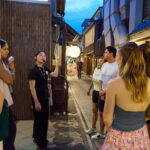
From the feedback you have access to, I’d take “guide quality” seriously here. Riku stood out for being pleasant and for answering questions clearly. If you like travel days that feel like conversation—why a temple is important, what the gates represent, what to pay attention to—this format supports that.
One caution: if your group is larger than expected, vehicle seating can become a sticking point. There was a bad experience tied to a group size mismatch and a desire to sit together in one vehicle. So if you’re traveling as a group of 10 (or anywhere near the upper end), ask upfront how transportation will be handled and whether you’ll all be in one vehicle.
Price and Value: Does $200 Make Sense for This Day?
At $200 per person, this isn’t a bargain-basement option. But Kyoto can be expensive in the ways that matter—time, getting between neighborhoods, and the effort of building a sensible route on your own.
Here’s why the price can still be fair value:
- You’re paying for a private guide for a full day (8 to 10 hours including travel time).
- You’re getting admission coverage at least for some stops (the offer notes tickets for certain temples, while other parts indicate additional temple fees may apply).
- You get transportation support with an air-conditioned vehicle plus taxi use as needed.
- You avoid lunch planning pressure because the day is structured around sights, not meals.
Where you can feel extra costs: lunch is not included, and some temple entrance fees may be around $8–$10 per person depending on what’s covered. Since the inclusion details can look inconsistent between stops, treat it like this: confirm each site’s admission coverage before you go, then plan a small buffer just in case.
If you’re a couple, a small family, or friends who want one clean day of Kyoto icon sights, private usually pays off. If you’re traveling very budget-first or you’re comfortable building your own route with public transit, you might find cheaper options. Still, this one is designed to reduce stress and keep you moving efficiently.
Who This Tour Suits Best (and Who Might Want to Rethink It)
This tour is ideal if you:
- Want a single guided day that hits Kinkaku-ji, Kiyomizu-dera, Fushimi Inari, and Arashiyama.
- Prefer not to micromanage transit between neighborhoods.
- Like learning from a guide and having your questions answered as you go.
- Want pacing that fits your group, not a fixed crowd schedule.
It may not be the best choice if you:
- Are very sensitive to small extra fees for admissions and want everything guaranteed included.
- Are traveling in a larger group and need specific vehicle seating arrangements.
- Prefer to wander Kyoto entirely on your own without guided explanation.
If you’re unsure, focus on your travel style. Do you want a day that runs like a smart plan? Or do you want total freedom with no structure? This one leans toward planning, but with room to customize.
Should You Book This Kyoto Iconics Tour?
I think it’s a strong pick if you want Kyoto’s biggest hitters in one organized private day—especially if you appreciate clear guidance and a relaxed ride between areas. The combination of temple giants plus the Arashiyama forest and boat ride gives the day variety, not just photo stops.
Before you book, do two quick checks:
- Confirm which temple admissions are included for your specific stops (Fushimi Inari is the one to verify).
- If you have a larger group, confirm vehicle seating so you’re not split across vehicles.
If those boxes are checked, this tour can be a high-confidence way to see a lot of Kyoto without the usual stress.
FAQ
How long is the Kyoto private tour?
It runs about 8 to 10 hours, and travel time is included in the total duration.
Is pickup included?
Pickup is offered.
Is this a private tour?
Yes. It’s a private tour/activity, so only your group participates.
Are entrance tickets included?
Some temple admissions are listed as included, and others may not be. The tour also notes temple entrance fees may be around $8 to $10, so it’s smart to confirm what’s covered for each stop.
Does the tour include lunch?
No. Lunch is not included.
What kind of transportation do you use?
You’ll use an air-conditioned vehicle, and the day may use taxis as needed for comfort and efficiency, plus public transportation if needed.
Can I request a guide who speaks my native language?
English is typical, but a native-language guide may be arranged for an additional fee.
Is there free cancellation?
Yes. You can cancel for a full refund up to 24 hours in advance.