REVIEW · TOKYO
Private Mochi・Matcha sweets Making Class Near Shibuya Area
Book on Viator →Operated by Hello japan matcha・wagashi classes · Bookable on Viator
Mochi by hand beats any convenience snack. In Sangenjaya, this private class teaches mochi and nerikiri step-by-step, with matcha and a tea room option, not a rushed food lesson. I love the personalized coaching and the cultural context woven into the making, but you’ll want to consider that there’s a toy poodle living in the house.
You’re getting real technique, not just watching someone else work. The session runs about 2 hours, and it caps at a maximum of 8 people, so you can actually ask questions and get corrections when dough sticks or your shapes go wonky.
If your plan is mostly crowded-sightseeing, this is a slower, local-feeling break. And if you’re aiming for value, the price makes sense because you’re doing the work and then tasting what you made, plus you’ll get a simple matcha tea ceremony experience along the way.
In This Review
- Key reasons this mochi-and-matcha class is worth your time
- Sangenjaya instead of the tourist trap: the setting that makes it feel real
- Getting to the meeting point: the easy part that keeps your energy up
- Mochi and nerikiri: what you’ll actually learn (and why it’s better than ordering)
- Daifuku-style results: the fun of shaping, then tasting
- Matcha tea ceremony in the tea room: small, simple, and surprisingly meaningful
- Sakura and the culture talk: the instructor angle that makes this different
- Price and time: does $78.83 really make sense for 2 hours?
- Who should book this mochi-and-matcha class (and who should reconsider)?
- Small-group dynamics: what max 8 people changes for you
- Practical tips to make your 2 hours go smoothly
- Should you book this mochi and matcha class near Shibuya?
- FAQ
- What is the duration of the mochi and matcha sweets making class?
- Where does the experience meet and start?
- Will I get matcha, and is there a tea ceremony?
- What sweets will I learn to make?
- How many people are in the class?
- Is it safe to book if I have allergies to dogs?
Key reasons this mochi-and-matcha class is worth your time

- Private instruction in an authentic house setting where you learn by doing, not by watching
- Mochi and nerikiri practice so you understand the differences between these traditional sweets
- Matcha included, with an optional tea ceremony in the home’s tea room
- Beginner-friendly guidance, with patient, attentive instruction for kids and adults
- Small group size (max 8) for a more personal pace and easier questions
- Dog-friendly home, but not for dog-allergy since a toy poodle is present
Sangenjaya instead of the tourist trap: the setting that makes it feel real

Sangenjaya isn’t famous on a postcard the way some central neighborhoods are. That’s exactly why I like it for a wagashi class: the whole experience feels more like you’re stepping into daily life than into a performance.
The class takes place in a Japanese house, and that matters. In a restaurant class, you usually learn the concept and move on. Here, you’re in a home setup with a tea room, which changes the rhythm from eat-and-go to slow-and-think. You still get hands-on cooking, but you also get space to understand the why behind the sweets.
There’s also a practical upside: the meeting point is near public transportation, and the walk to the house is short. In other words, you won’t burn half your class time navigating.
You can also read our reviews of more private tours in Tokyo



Getting to the meeting point: the easy part that keeps your energy up

Your start location is 1-chōme-11-13 Sangenjaya, Setagaya City, Tokyo 154-0024, Japan. The experience ends back at the meeting point, so you don’t need a complicated route planner afterward.
From the way people describe the area, the location is straightforward: you’re close to transit and then just a short walk into a calmer neighborhood feel. That’s ideal if you’re pairing this with other activities around Shibuya but don’t want to cross Tokyo at peak hours twice.
Bring your basics—water, comfortable shoes, and an open mind. The class is about making and learning, so you’ll likely be focused on textures, timing, and small adjustments, not on rushing photos.
Mochi and nerikiri: what you’ll actually learn (and why it’s better than ordering)

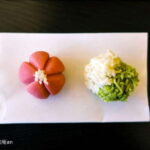
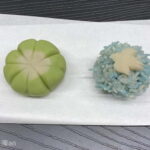
This isn’t just a mochi tasting. The point is technique and understanding. You learn how to make mochi and nerikiri, two classic Japanese sweets that rely on different textures and handling.
Mochi is the star for many people, and the class really leans into that. You’ll get guidance that covers how mochi connects to Japanese culture—why it shows up in seasonal traditions and why its texture and flavor matter. One big payoff: you stop thinking of mochi as just a chewy dessert and start seeing it as a craft.
Nerikiri is also part of the lesson, which is a smart move for anyone who only knows mochi from stores. Nerikiri tends to feel more intricate in shaping and finishing, so it gives you a broader view of wagashi beyond the easiest entry point.
What I like is that you’re not left with a “follow these steps and hope” approach. The instructor is there to guide your hands, and that makes a huge difference with dough-based sweets, where small changes can affect results.
Daifuku-style results: the fun of shaping, then tasting

Many classes stop at one simple item. Here, you practice mochi and then end up with finished sweets you can sample during the experience.
Based on what people report, you may make more than one style. Some classes include daifuku variations, including strawberry daifuku, and there’s also mention of a shaved-ice-style mochi/dango concept as part of what you create. Even if your final menu varies slightly, the big idea stays the same: you’ll learn to form, fill, and finish in a way you can’t replicate with a packaged product.
And yes—you’ll get to eat what you make. That’s a key value point. A cooking class where you never taste is just a demo with extra steps. Here, you’re guided through making and then you get to enjoy it right away, which helps you understand the flavor and texture choices you just worked on.
If you’re bringing kids, this is the part that usually lands. People describe the experience as cute, tasty, and genuinely fun for families, with an instructor who works patiently even when a 6-year-old wants to redo a shape.
Matcha tea ceremony in the tea room: small, simple, and surprisingly meaningful

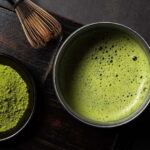
This class includes a tea room, and there’s a simple tea ceremony option if you want it. Matcha is included, which is important. Some food classes say tea is part of the experience and then hand you a plain beverage. Here, matcha is actually part of the flow.
The tea ceremony piece adds context to what you’re eating. You’re not just making sugar-and-rice snacks—you’re learning how sweets fit into the Japanese habit of pairing flavor with ceremony and season-aware thinking. It also slows everything down at the end, so the class feels complete rather than like a workshop that cuts off mid-sentence.
Practical tip: don’t treat the tea room like a silent museum. If you’re curious, ask. The instructor is there to explain what you’re tasting and why the experience works as a whole.
A few more Tokyo tours and experiences worth a look



Sakura and the culture talk: the instructor angle that makes this different

The class is led by Hello japan matcha・wagashi classes, with Sakura (often referred to as Sakura San) as the host/instructor in multiple accounts. What stands out is not only the step-by-step teaching, but how much she ties the cooking back to culture.
People specifically highlight explanations about the importance of mochi in Japanese culture, plus stories and local context. In one account, the instructor also shared background connected to Japanese history and culture and tied it to the local area around Sangenjaya. That kind of talk is where you get value that you can’t buy from a package.
Sakura also seems to be big on clarity and attention. Descriptions mention being super sweet and attentive to needs, including being patient with kids. That matters because sweets-making can be frustrating if your dough behaves differently than the example. When you get gentle correction, you feel capable instead of embarrassed.
Price and time: does $78.83 really make sense for 2 hours?

At $78.83 per person for about 2 hours, this class sits in the “worth it if you want hands-on learning” range, not the “cheap souvenir activity” range.
Here’s why it can still be good value:
- You’re paying for instruction plus ingredients plus tasting, not just a guided walk.
- The session is short enough to stay focused, but long enough to learn and produce something you can enjoy.
- You get matcha, and you have the tea room option. That’s not always included in sweets workshops.
- Small-group size (max 8) means less waiting and more actual involvement.
If your trip is already packed and you want to “do something Japanese” without effort, this might feel pricey. But if you want a skill you can talk about later—and sweets that are better than what you’d get from a grab-and-go counter—then the price lines up with what you receive.
Also note: it’s often booked about 26 days in advance on average, which is a sign it’s not just a niche experiment. It’s popular for a reason.
Who should book this mochi-and-matcha class (and who should reconsider)?

This experience is especially good for:
- Couples or friends who want a break from big-city crowds and prefer a calm, local setting
- Families with kids who want a real food-making activity where instructions stay practical
- Anyone who likes learning why Japanese sweets work—not just memorizing steps
It’s also a strong choice if you care about variety. You’re not limited to one item. You learn both mochi and nerikiri, which gives you a wider understanding of wagashi textures and shaping styles.
Who should reconsider?
- If you have a dog allergy, take the caution seriously. There’s a toy poodle in the house, and the class explicitly doesn’t recommend it for people allergic to dogs.
- If you’re sensitive to allergens or animal presence, it’s better to choose a different workshop.
One more note: the experience allows service animals, so accessibility support exists in that form. Still, the pet-in-house detail is the main factor for allergies.
Small-group dynamics: what max 8 people changes for you
With a maximum of 8 travelers, this stays manageable. In larger group classes, you often line up, watch, and then wait your turn while your dough cools. Here, you can expect a tighter loop between your attempts and the instructor’s adjustments.
That pacing is great for beginners. It also helps kids stay engaged because there’s less downtime.
If you’re the type who learns best through hands-on trial and correction, this group size supports that learning style.
Practical tips to make your 2 hours go smoothly
A few things will help you enjoy the class more:
- Dress for hands-on work. You’ll likely deal with sticky textures, and you don’t want to worry about your sleeves.
- Arrive ready to focus. This is a skills class, not a long sightseeing stop.
- If tea ceremony is included for you, keep your expectations simple. You’re not sitting through a formal, hours-long ritual; it’s a short experience that teaches the idea.
- If you’re traveling with a family, this can work well because instruction is friendly toward kids, but still expect real technique, not just playtime.
And for anyone who’s nervous: that nervous feeling is normal. Cooking mochi and nerikiri is hands-on craft work. The point is that you get help until you get it right.
Should you book this mochi and matcha class near Shibuya?
Book it if you want a local-home wagashi lesson with real instruction, a matcha tea moment, and a small group feel. It’s a great way to trade one more Tokyo street for a hands-on skill you’ll actually remember.
Skip it if dog allergens are an issue for you. Also, if you only want a quick snack experience with no interest in making or learning technique, you’ll probably prefer something grab-and-go.
If your travel style is “I want one authentic thing that’s not hard to fit into the day,” this class is an easy yes. It’s short, focused, and teaches you more than what you can get from buying sweets on a stand.
FAQ
What is the duration of the mochi and matcha sweets making class?
The class runs for about 2 hours.
Where does the experience meet and start?
The meeting point is 1-chōme-11-13 Sangenjaya, Setagaya City, Tokyo 154-0024, Japan.
Will I get matcha, and is there a tea ceremony?
Yes. Matcha is included, and the experience offers a simple tea ceremony experience if you want to do it. There is a tea room in the house.
What sweets will I learn to make?
You’ll learn to make mochi and nerikiri, traditional Japanese sweets.
How many people are in the class?
The activity has a maximum of 8 travelers.
Is it safe to book if I have allergies to dogs?
There is a toy poodle in the house, and the experience does not recommend booking for people who have allergies to dogs.