REVIEW · KYOTO
Private photo shoot & walk in Kyoto – Professional photo shoot
Book on Viator →Operated by Photo Taiken Japan · Bookable on Viator
One hour in Kyoto, and your camera roll gets real. This private photo shoot turns famous areas into usable memories, with a photographer (Jens) who knows where to go and how to keep things calm while you capture photos in backstreets, shrines, and temple streets.
I love that you choose the neighborhood vibe you want most, so the walk feels personal rather than checklist-y. I also love the photo package: 25 edited photos per hour plus all original data (often 200+ per hour), delivered digitally through Google Drive. The one drawback to consider is that the route is weather-dependent and you’ll be doing a moderate amount of walking, so plan for comfortable shoes and some stamina.
In This Review
- Key Highlights You’ll Actually Care About
- A Private Kyoto Photo Walk That Feels Like Sightseeing
- Picking Your Kyoto Area: Gion, Arashiyama, Fushimi Inari, and More
- The Gion Start: Shirakawa, Hanamikoji, and Nearby Shrine Streets
- Slope, Shrines, and Stair-Steps: Nanzen-ji and Keage Incline Shots
- Fushimi Inari Torii Gates: Getting the Big Icon Without the Chaos
- Arashiyama: Bamboo Forest Energy to Park Views and Kameyama Area
- How the Shooting Works: Pace, Posing, and Crowd-Avoiding Guidance
- Your Photo Package: Edited Picks, All Originals, and Google Drive Delivery
- Price and Logistics: Why $164.22 Can Be Good Value
- Who Should Book This Kyoto Photo Shoot (and Who Might Not)
- Final Take: Should You Book This Kyoto Photo Walk?
- FAQ
- How long is the photo shoot and walk in Kyoto?
- What photo package do I get?
- How will I receive the photos?
- What neighborhood options can I choose?
- Is the tour private?
- What are the available start times?
- Can I rent a kimono for the shoot?
- What if Kyoto weather is bad?
Key Highlights You’ll Actually Care About
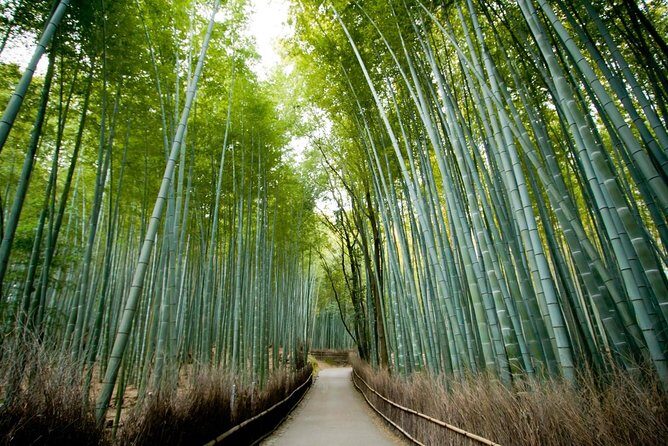
- Neighborhood choice matters: pick Gion and Higashiyama, Arashiyama, Philosophers Path, Fushimi Inari, or another area.
- Crowd-avoid technique: Jens works the timing and angles so you don’t spend the hour stuck in photo bottlenecks.
- Photos come in two tiers: edited picks for easy sharing and full originals for flexibility later.
- Private means flexible: solo traveler, couple, family, group, stroller, or wheelchair—your session adapts.
- Delivery is digital and timed: photos sent by Google Drive within 4 weeks.
- Optional upgrades: shoot extensions, retouching per photo, and kimono rental for extra atmosphere.
A Private Kyoto Photo Walk That Feels Like Sightseeing
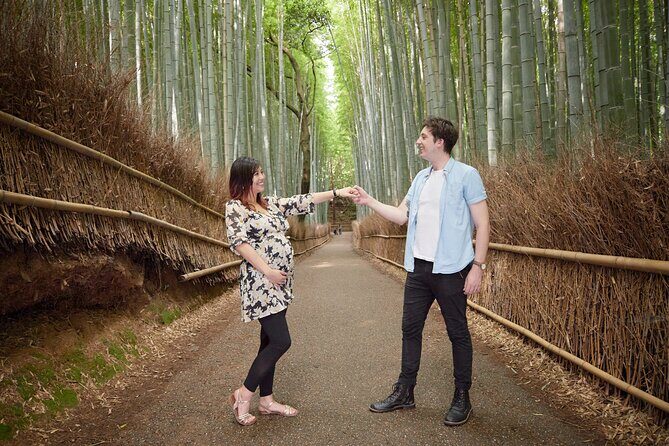
If you’ve tried taking photos in Kyoto, you know the problem: you spend half your time saying, Wait, hold still, can you take one more, and why does the background look great but your face looks like it belongs in a passport photo. This experience fixes that by doing the hard part for you—composition, pacing, and finding spots where the scenery doesn’t swallow you.
The “private” part is not just marketing. You’re not competing for space with strangers, and you’re not stuck with a one-size route. Jens guides you through a mix of big-name Kyoto scenes and smaller lanes that feel more lived-in. The result is a walk you can enjoy, with photos that look like you were really there—not like you were just waiting your turn.
One of the best practical perks: you get both edited photos and all original data. Edited picks help you post right away. Originals give you options if you later decide you love a shot that didn’t make the final edit list.
You can also read our reviews of more walking tours in Kyoto


Picking Your Kyoto Area: Gion, Arashiyama, Fushimi Inari, and More
Kyoto photography works best when you commit to a mood. That’s why I like that you can choose your favorite neighborhood:
- Gion and Higashiyama for classic traditional streets, shrines and temples, and the Geisha district atmosphere.
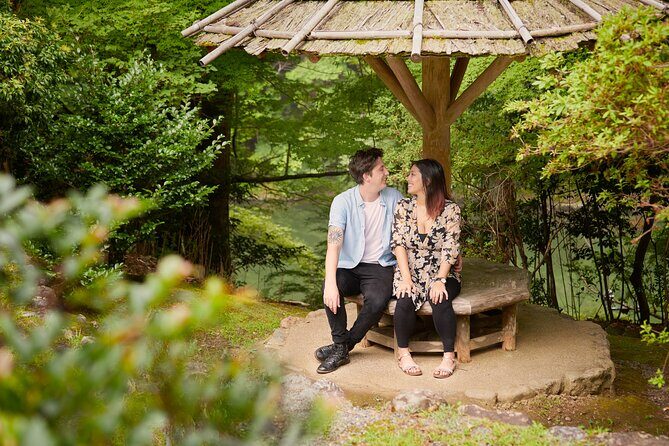
- Arashiyama for nature shots—bamboo forest energy, shrine stops, and park views.
- Philosophers Path for calmer river scenes, small shrines, Nanzen-ji, and the Keage Incline area.
- Fushimi Inari for the iconic torii gates and shrine grounds, with lots of visual depth.
The itinerary you’ll follow can include several of these areas in one session depending on what you select. In many setups, you’ll experience a blend of temple streets, atmospheric alleys, and landmark viewpoints—while Jens steers you away from the worst crowd crush.
Practical note: you can also say Other if you want a different Kyoto neighborhood. That’s useful if your interests lean toward a specific temple complex, a particular river area, or a side of the city that doesn’t get shouted about in every itinerary.
The Gion Start: Shirakawa, Hanamikoji, and Nearby Shrine Streets
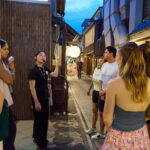
The walk often begins at Gion-Shijo Station, then moves straight into the Gion and Higashiyama flavor. Expect to start with scenes that are instantly Kyoto: old streets, layered temple textures, and classic pathways that are easy to photograph once you’re standing in the right spot.
From there, your route may include:
- Gion Shirakawa
This is where Kyoto looks like it’s been carefully preserved. For photos, the key is how light hits the street and the way background layers (buildings, greenery, stone) frame you. Jens tends to find angles that let you look natural without forcing you to pose too long.
- Hanamikoji Street
The famous geisha-area street is dramatic, but it can also be crowded. This is where crowd-avoid guidance pays off. You’re not just walking down the most obvious lane; you’re getting helped to find photographable sections and moments.
- Yasui-Konpiragu and Yasaka Koshin-Do
Shrine stops are great for adding meaning and variety to your album. These areas also help you break up the “only street photos” feeling and give you more texture—gates, signs, and ritual spaces.
- Yasaka-noto / Yasakanoto (as listed)
Think of this as a character-building stop that adds more Kyoto detail. Even if you’re not a temple-history person, these small landmarks make the photos feel less repetitive.
Then the walk transitions toward classic stone-street Kyoto mood via:
- Sannenzaka Ninenzaka
This is the kind of place where you can get a strong “I’m in Kyoto” look fast—narrow lanes, historic atmosphere, and lots of vertical lines for composition. The watch-out here is crowd density, so the value is in how Jens moves you through the space and keeps shots candid.
Slope, Shrines, and Stair-Steps: Nanzen-ji and Keage Incline Shots
After the traditional-street portion, the session often leans into temple scenery and scenic inclines.
- Bamboo Forest Street
Bamboo is instantly visual, but it can also feel over-photographed. What you want is for your photos to include you in the scene, not just a bamboo backdrop. Jens focuses on positioning so you don’t look lost in a wall of stems.
- Nanzen-ji Temple
This stop is valuable because it offers a different feel from street corridors. Temples bring structure—arches, gates, and stone pathways that give photos depth. If you want variety in your edited set (not just one repeating style), this is a big win.
- Keage Incline
Inclines and tracks are great because they create natural leading lines. Even without perfect light, the angle of a slope can make photos look like they have movement. If your session starts earlier in the day (within the 9am to 4pm window), you may find more comfortable walking conditions and fewer crush crowds.
Fushimi Inari Torii Gates: Getting the Big Icon Without the Chaos
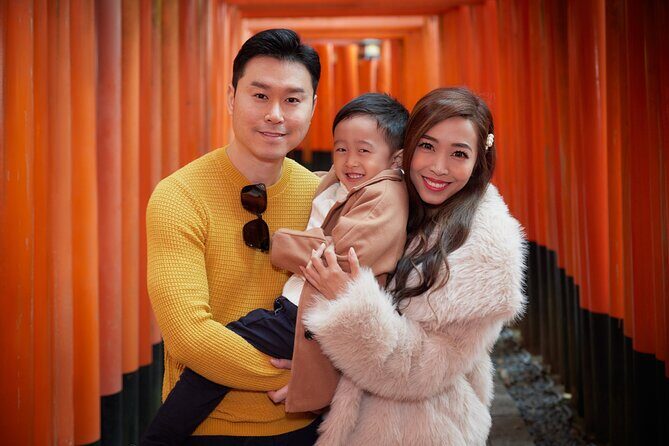
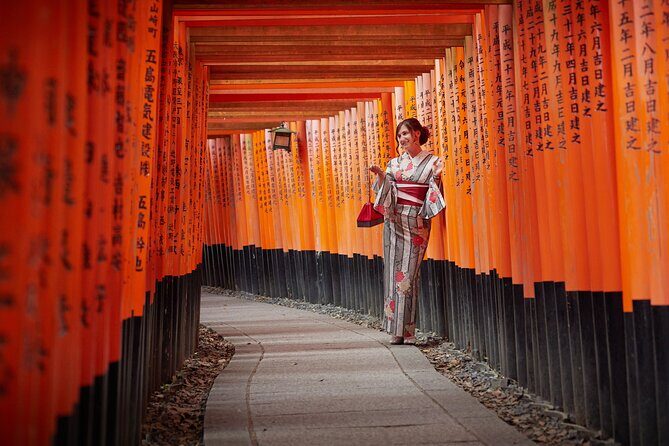
If you choose Fushimi-Inari as your neighborhood, you’re signing up for one of the world’s most recognizable shrine scenes. The torii gates are dramatic, and they also create a very specific photo challenge: crowds can flatten your composition and block your view.
The benefit here is simple: Jens knows how to work around the busiest areas so you can still get strong shots. You’ll get to experience the vibe of the thousands of torii while keeping the focus on your portraits and candid expressions.
This is also one of the stops where I’d suggest you go into the session with minimal ego about “perfect posing.” Torii areas reward natural movement and small actions—walking toward the gate, pausing for the next frame, letting the space do the work.
Then, as your route continues, you may move onward to:
- Fushimi Inari-taisha Shrine (listed as a stop)
Think more shrine grounds and atmosphere rather than only gate shots. That helps your gallery feel balanced.
You can also read our reviews of more private tours in Kyoto
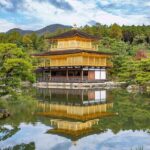
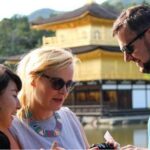
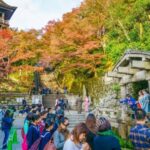
Arashiyama: Bamboo Forest Energy to Park Views and Kameyama Area
Arashiyama is the other big Kyoto photography magnet, especially if you want a blend of nature and temple texture.
- Arashiyama
Expect a mix of scenic walking paths and photo opportunities where the environment feels soft and atmospheric. This part of the session usually works best when you’re open to walking a bit and letting Jens guide pace.
- Arashiyama Park, Kameyama Area
Parks and nearby areas add “breathing space” to your photo set. You tend to get more room for portraits that look relaxed, not just vertical gate shots or narrow-street images.
This stretch is where your final edited photos can really start to feel like a full story: street atmosphere early, shrine and temple variety in the middle, and calmer nature tones by the end.
How the Shooting Works: Pace, Posing, and Crowd-Avoiding Guidance
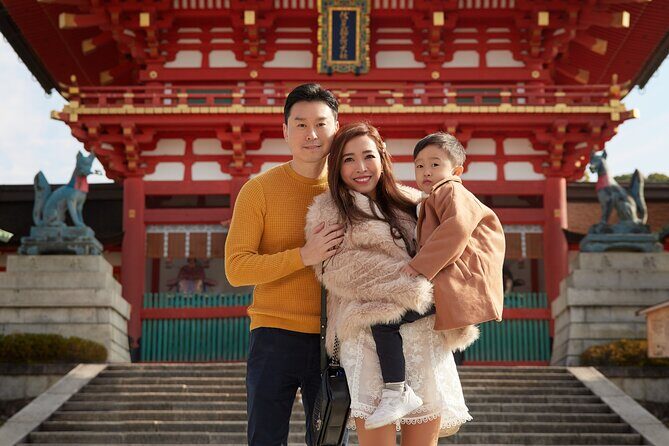
Jens is described as professional, friendly, patient, and great with people of all types—from couples and families to solo travelers and even kids. That matters, because Kyoto photography can be stressful if you feel watched or rushed.
Here’s what you’ll likely feel during the hour:
- Jens gives direction so you don’t spend the whole time guessing where to stand.
- You’ll get photo spot decisions based on crowd behavior, not just “most famous view.”
- You’ll take enough frames to find the natural expressions you want, without turning your walk into a photo drill.
One detail I think you’ll appreciate: the guidance doesn’t feel stiff. You’ll be encouraged to be comfortable so photos come out more candid and genuine. It’s the difference between having “nice outfits in the background” and having photos that look like you were living in Kyoto for a bit.
And yes, this kind of shoot can be used for big moments. One proposal-focused session came out exactly the way the couple planned, including Jens helping with timing and spotting.
Your Photo Package: Edited Picks, All Originals, and Google Drive Delivery
This is the part that makes the value make sense.
- 25 edited photos per hour (your selection, then edited)
- All original data (often over 200 per hour)
- Photos delivered via Google Drive within 4 weeks
That combination is smart because it gives you two ways to enjoy your photos:
- Edited images for sharing right away.
- Originals for later reviewing—different crops, alternate moments, and extra options you might forget to ask for during the session.
If you want extra polish, there are add-ons:
- Professional retouch: 2000 JPY per photo
- Shoot extension: 22000 JPY per hour (includes 25 edited)
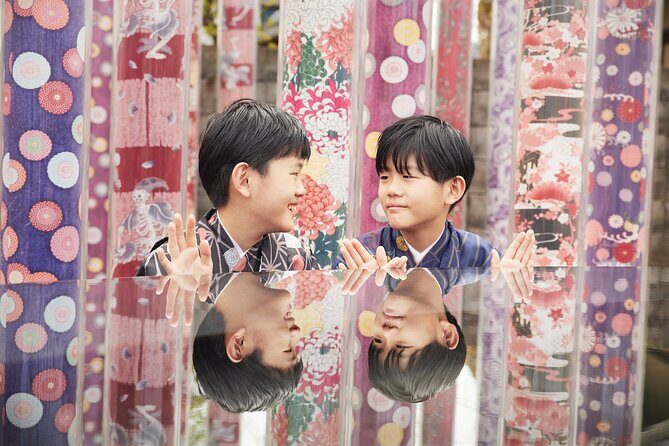
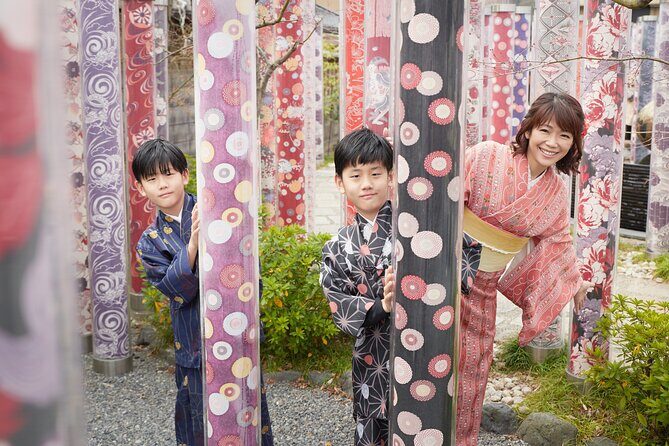
- Kimono rental: 8000 JPY per person
- Professional retouch per photo can be worth it if you’re printing, gifting, or using a photo for something more formal.
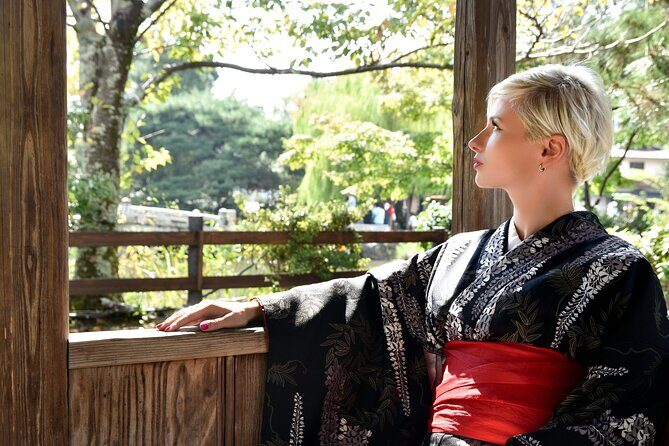
One practical tip: if you’re doing a kimono option, it’s worth thinking about your comfort and movement. Traditional fabric can add visual drama fast, but your best photos still come from relaxed posing and smooth walking.
Price and Logistics: Why $164.22 Can Be Good Value
The price is $164.22 per group (up to 10) for about 1 hour. That is set up more like a private service than a per-person ticketed walk. If you’re traveling with family or friends, the math gets even more friendly.
The most important “value” detail is what you actually receive:
- You’re not only getting edited photos.
- You’re getting all original data, which is rare in many photo-focused tours.
- You’re getting guidance that saves you time figuring out crowd-free photo spots.
Also, the session length is short enough that it won’t dominate your day. Starting time runs 9am to 4pm. If you want a different start time, there’s an option for flexible start time at 2500 JPY per hour.
One more note: it’s a mobile ticket, and the tour is private, so only your group participates. If you’re the kind of traveler who hates waiting around for the next group to catch up, you’ll probably appreciate this format.
Who Should Book This Kyoto Photo Shoot (and Who Might Not)
This experience makes the most sense if:
- You care about photos but don’t want to play traffic cop with your camera.
- You want someone local to guide you to hidden backstreets and secret spots.
- You’re traveling with kids or family and want the photo session to feel manageable.
- You want usable photos, not just “I got a picture near the landmark.”
It may be less ideal if:
- You hate walking and prefer very relaxed sightseeing. The tour lists a moderate physical fitness level.
- You want only one ultra-familiar landmark and nothing else. The shoot is designed as a guided route with multiple stops.
- Your schedule is tight around weather. The experience requires good weather, and if it’s canceled due to poor weather, you’ll be offered a different date or a refund.
Final Take: Should You Book This Kyoto Photo Walk?
If you want Kyoto photos that look like you actually lived the moment, this is an easy yes. The combination of crowd-avoid know-how, a friendly English-speaking photographer named Jens, and the photo package (edited plus all originals) means you’re not gambling your memories on one good shot.
I’d book it if you’re celebrating something, traveling with people who don’t want to spend hours taking photos, or you just want less stress and better results. Skip it only if you truly don’t want to walk, or if you’re traveling during a period where weather flexibility is hard for you.
FAQ
How long is the photo shoot and walk in Kyoto?
It runs for about 1 hour.
What photo package do I get?
You get 25 photos edited per hour plus all original photo data (often over 200 per hour).
How will I receive the photos?
The photos are sent through Google Drive within 4 weeks.
What neighborhood options can I choose?
You can choose Gion and Higashiyama, Arashiyama, Philosophers Path, Fushimi-Inari, or Other.
Is the tour private?
Yes. It is private, and only your group participates.
What are the available start times?
Starting time is 9am to 4pm. A flexible start time option is also available.
Can I rent a kimono for the shoot?
Yes, there is a kimono rental option for 8000 JPY per person.
What if Kyoto weather is bad?
The experience requires good weather. If it’s canceled due to poor weather, you’ll be offered a different date or a full refund.