REVIEW · TOKYO
Ryogoku: Sumo Town Guided Walking Tour with Lunch
Book on GetYourGuide →Operated by Arumachi, Inc. · Bookable on GetYourGuide
Ryogoku turns sumo into something you can picture. This guided walk pairs sumo landmarks with stories that stretch back over 1600 years, and it ends with a proper chanko-nabe lunch tied to how wrestlers actually eat. I also like the small group setup, because it makes it easier to ask follow-up questions as you go. The only thing to keep in mind is that this is not a match-watching tour.
You’ll spend your time on the city side of sumo: stables from the outside, temples and shrines, and the Ryogoku arena area. One big consideration: actual sumo bouts are not included, and timing can mean you won’t see wrestlers in action during your visit.
In This Review
- Key Highlights You’ll Feel Fast
- Ryogoku Feels Like Sumo, Not Just a Theme Park
- The Walk Itself: How the Tour Keeps Flowing
- Starting Point: Meet Outside Ryogoku Station and Get Oriented
- Hakkaku-beya Sumo Stable: Why Seeing the Outside Matters
- Ryogoku Kokugikan: The Stadium Area and the Feel of Match Day
- Ryōgoku Edo NOREN: Street-Culture Details You Might Miss Solo
- Ekō-in: Religion, Ritual, and Why It Shows Up in Sport
- Kasugano-beya Sumo Stable: Another View, Another Angle on Daily Training
- Lunch at Hana no Mai (Edo-Tokyo Museum Front Area): Chanko-nabe as a Sumo Lesson
- How Your Guide Turns Signs Into Stories
- Sumo Without Bouts: Why This Still Works
- Price and Value: What $122 Actually Covers
- Who Should Book This Tour (And Who Might Skip)
- Should You Book This Ryogoku Sumo Town Tour?
- FAQ
- Is lunch included in this Ryogoku sumo walking tour?
- How long is the tour?
- Is this tour watching actual sumo bouts?
- What language is the guide?
- How big is the group?
- Where do I meet the guide?
- What should I bring?
- Is the tour suitable for people with mobility impairments?
- Is it suitable for people with food allergies?
- Can I cancel for a refund?
Key Highlights You’ll Feel Fast
- Stables from the outside, with real-life context so you understand training life without needing a backstage pass.
- A long-view history of sumo that helps you make sense of what you’ll see later in Japan.
- Ryogoku Kokugikan and Edo NOREN area highlights that connect sport, architecture, and neighborhood culture.
- Chanko-nabe lunch at one of Ryogoku’s standout spots—a hot-pot meal built for strength and teamwork.
- English commentary from your guide (I’ve seen names like Jeff, Sue, Taka, Jean, and Yoko), which really changes how the sights land.
Ryogoku Feels Like Sumo, Not Just a Theme Park
Ryogoku is Tokyo’s sumo zip code, and that matters. You’re not just walking past random buildings—you’re moving through the world that supports the sport. The tour leans hard into the “how sumo became sumo” part, so even if you miss tournament day, you still come away understanding the rituals, the lifestyle, and why certain places matter.
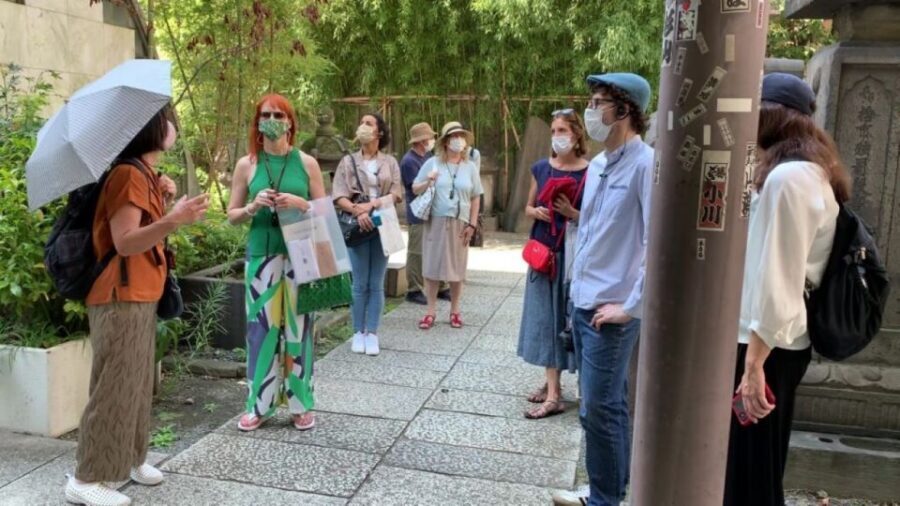
I especially like how the tour frames sumo as daily culture, not only a match-day spectacle. You’ll learn about sumo’s start and development over 1600 years, then connect those ideas to what you see around Ryogoku today. And since you’re in a small group of up to 8, it’s not a lecture you endure—it’s a conversation you can steer with questions.
You can also read our reviews of more walking tours in Tokyo
The Walk Itself: How the Tour Keeps Flowing
This is a 210-minute guided walking tour starting at Ryogoku Station, with comfortable pace and short walking segments between stops. Plan on thinking in “chapters”: stable, arena area, shrine/temple/cultural stops, then lunch. The order works because each segment adds another layer to the same story—sport, religion, neighborhood life, and food.
Also, wear comfortable shoes. Even though the route is not described as a long hike, you’ll be on your feet for a solid chunk of time, and the experience is better when you aren’t shifting your weight every few minutes.
Starting Point: Meet Outside Ryogoku Station and Get Oriented
You meet your guide outside Ryogoku Station. That’s a smart choice, because the tour starts where the Ryogoku story is easiest to follow. From there, you quickly move into sumo territory—so your first minutes already feel like you’re in the right place, not playing catch-up.
Hakkaku-beya Sumo Stable: Why Seeing the Outside Matters
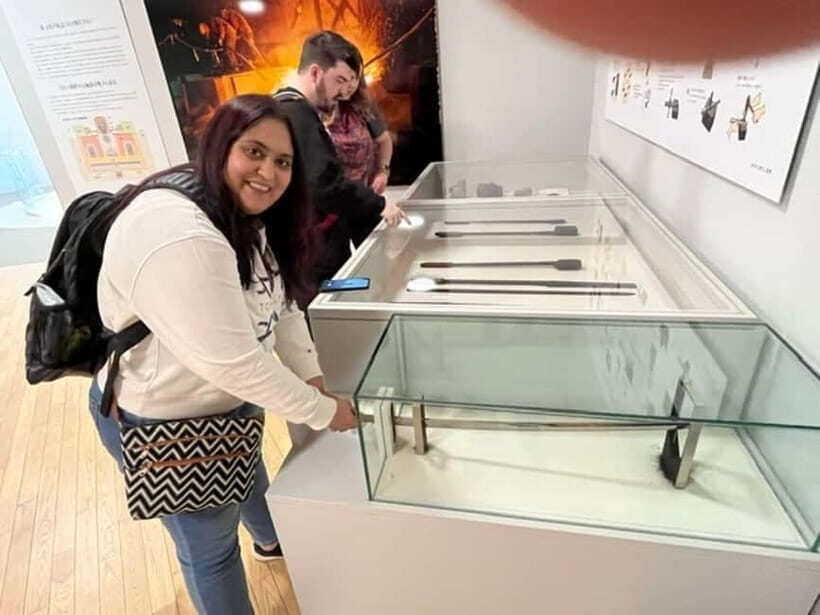
The tour includes a visit to Hakkaku-beya Sumo Stable (time on the walk is short, but the point is big). Seeing the stables from the outside gives you the correct mental picture of sumo life: this is not just a sport you watch; it’s a home-based routine with discipline built into the everyday.
Your guide explains how stables function and what training and career paths look like. I like that this doesn’t feel like guessing. Even when you can’t go inside, you still get the “why” behind what you’re looking at—so the neighborhood doesn’t stay abstract.
Ryogoku Kokugikan: The Stadium Area and the Feel of Match Day
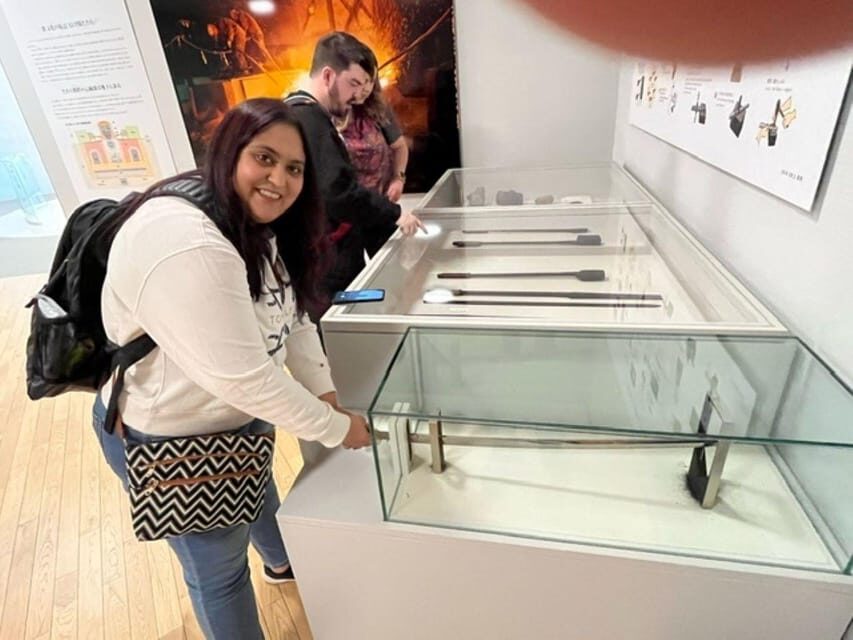
Next comes Ryogoku Kokugikan, the famous sumo arena. This stop is useful even if you’re not attending a tournament, because you’ll learn what the venue represents in the sport’s ecosystem. The tour helps you connect the arena to the traditions you’ll hear about—ceremony, status, and the strict structure surrounding bouts.
The best part here is that you’re not just snapping photos of a stadium. You’re learning the role it plays, which changes how you interpret everything from entrances to nearby cultural landmarks.
You can also read our reviews of more guided tours in Tokyo


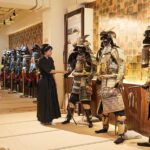
Ryōgoku Edo NOREN: Street-Culture Details You Might Miss Solo
The tour also includes Ryōgoku Edo NOREN. The practical value of this kind of stop is simple: without a guide, you can walk past details and never learn what they’re referencing. With commentary, these streets and storefront-style features become part of the larger sumo narrative—Ryogoku keeps the old vibe while staying a real Tokyo neighborhood.
This is one of those stops where your understanding clicks. Not because it’s flashy, but because the guide ties it back to the sport’s identity in daily life.
Ekō-in: Religion, Ritual, and Why It Shows Up in Sport
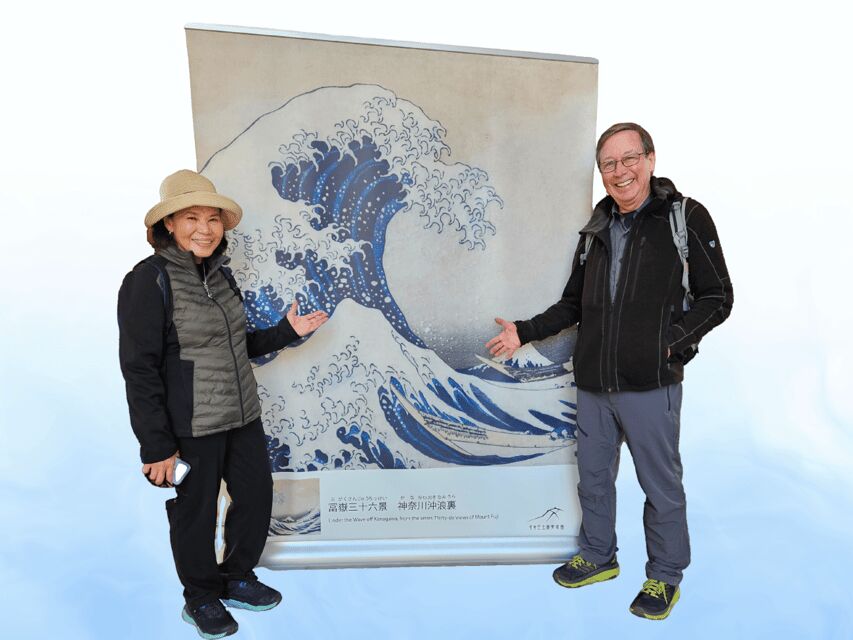
Ekō-in is on the itinerary too, and this is where the tour connects sumo to religion and ritual. You’ll learn how Shinto shrines and Buddhist temples connect to Japanese culture generally, and why those influences show up in a sport with long-standing customs.
This kind of stop helps your brain. It gives you a cultural map. Sumo becomes easier to interpret when you understand the spiritual background that Japanese traditions borrow from and adapt.
Kasugano-beya Sumo Stable: Another View, Another Angle on Daily Training
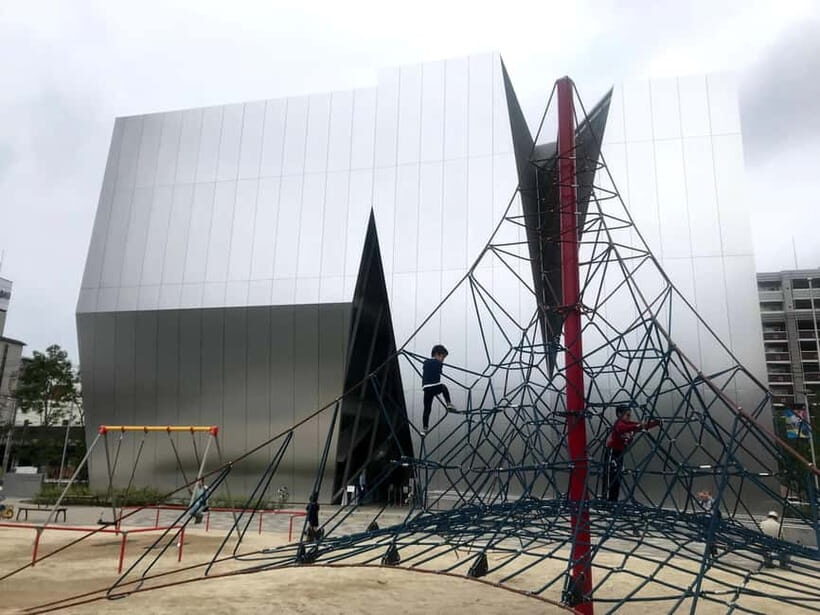
You’ll also visit Kasugano-beya Sumo Stable. Doing two stable stops is a smart design choice, because it lets you compare how the stable life fits into the neighborhood. And because you’re hearing the explanations in English along the way, you’ll be able to ask questions about life in the stable, careers, and how wrestlers develop over time.
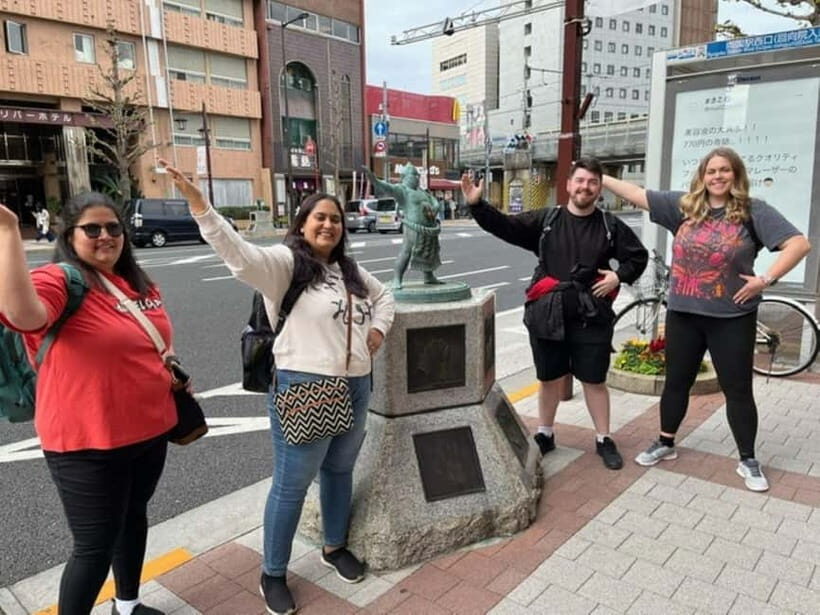
In past tour experiences shared by participants, I’ve seen people describe spotting sumo wrestlers in the area—sometimes relaxing in back alleys or walking around after practice. You shouldn’t count on it, but the chances feel real in Ryogoku because the stables are part of the daily streetscape.
Lunch at Hana no Mai (Edo-Tokyo Museum Front Area): Chanko-nabe as a Sumo Lesson
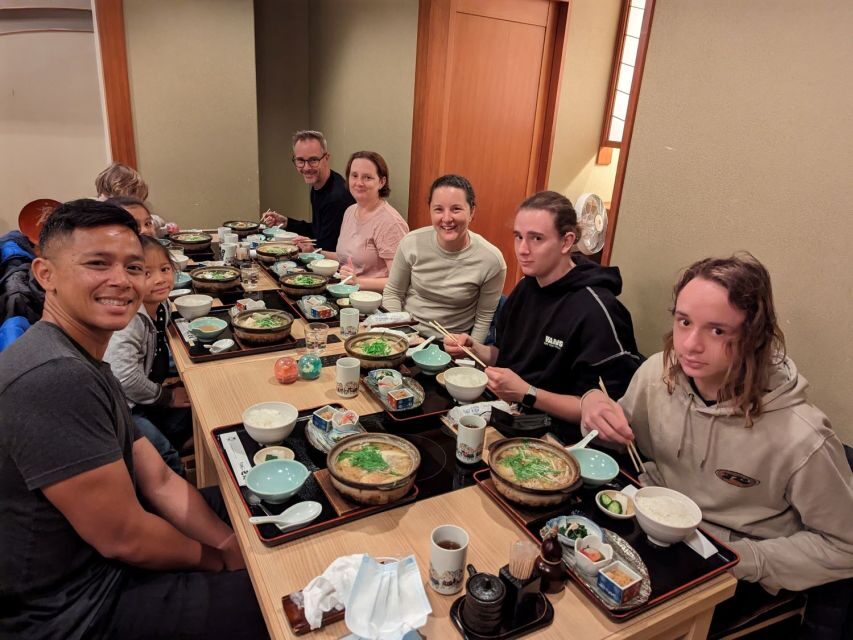
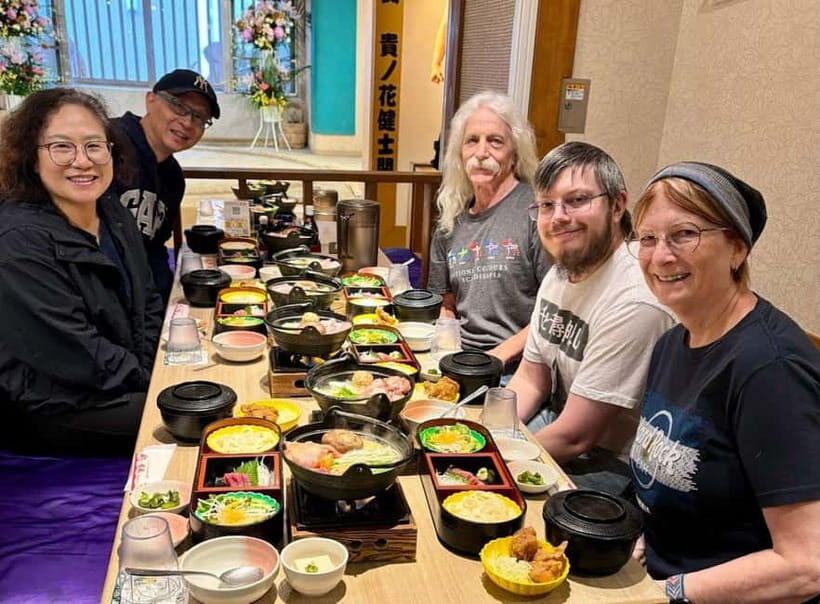
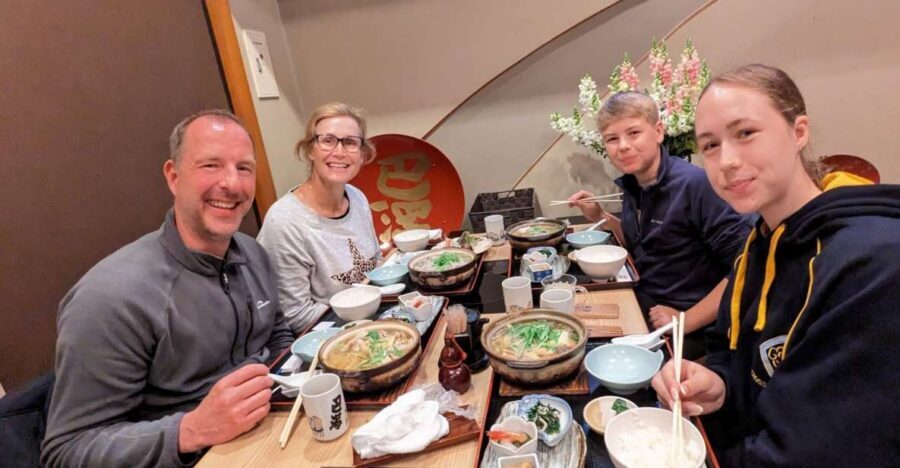
Then comes the best payoff: lunch at a chanko-nabe restaurant in Ryogoku, described as one of the top choices in the area. Chanko-nabe is a hot-pot dish associated with sumo wrestlers’ diet—meant to support weight, strength, and muscle building. The tour frames why it became a centerpiece, and that context makes the meal more meaningful than just eating something local.
Here’s what stands out about the dish itself, based on how the tour explains it:
- It’s nutritionally balanced, built to be a serious meal rather than a snack.
- It’s prepared with heat during cooking, which is presented as a hygiene advantage.
- It’s shared from the same pot, so you feel the teamwork angle right at the table.
Also, the tour notes that the dish is meant to fit the stable’s reality—simple enough to cook efficiently, which is why it became such a practical everyday choice. After you hear that, the meal feels like a window into life behind the scenes.
Time-wise, lunch takes about an hour. That’s long enough to eat comfortably and digest what you just learned.
How Your Guide Turns Signs Into Stories
This tour is built around the guide, and the best versions clearly make the sport easier to love. Many participants highlight how guides like Jeff, Taka, Sue, Jean, and Yoko bring humor and personality, not just facts. You’ll also get answers to questions you didn’t know you had—things like how sumo started, how it developed, and what daily routines look like even when you’re not watching a tournament.
I like this approach because it saves you from the common problem: you watch a bout, but you don’t know what you’re seeing. Here, you’re building the context before you sit down in the future—either in Japan or when you rewatch bouts back home.
Sumo Without Bouts: Why This Still Works
Yes, the tour does not include actual sumo watching. That said, the value is in what you get instead: understanding the history, the culture, and the rhythm of stable life. If your Japan timing doesn’t line up with a tournament, you can still walk away feeling like you met sumo rather than just read about it.
And if you do catch a bout later, you’ll notice more. Ritual makes more sense. Wrestler status makes more sense. Even basic rules land better when you’ve heard how tradition developed over centuries.
Price and Value: What $122 Actually Covers
At $122 per person for about 3.5 hours, this isn’t a bargain-basement activity. But it also isn’t overpriced for what you get, because you’re buying three things at once:
- Expert English-language guidance through multiple landmarks
- A sit-down lunch featuring chanko-nabe
- Small-group access (limited to 8), which usually means more questions and better pacing than a big tour
Chanko-nabe lunch alone can be a meaningful expense in Tokyo, and guides cost money, especially when they’re not doing a quick “point and shoot” job. So your money makes sense if you want understanding, not just photos.
Who Should Book This Tour (And Who Might Skip)
This is a great fit if you:
- Care about sumo culture and history, not only match-day excitement
- Want to learn before seeing bouts later
- Enjoy walking tours where the guide explains what you’re actually looking at
- Prefer smaller groups so you can ask questions
It’s not a great fit if you:
- Have mobility impairments (the tour is not suitable)
- Have food allergies (not suitable)
Should You Book This Ryogoku Sumo Town Tour?
If you’re hoping to understand sumo in a way that sticks, I think this is worth booking. The mix of stables, arena area, temples/shrines, and a focused chanko-nabe lunch gives you both the sport and the culture. And if you’re in Tokyo without tournament timing, you’ll still leave with a much clearer picture of what you’ll see when you do catch a bout.
Skip it only if your main goal is watching sumo matches on the day of the tour. This experience is about knowledge, context, and a real taste of how sumo life is fed and lived.
FAQ
Is lunch included in this Ryogoku sumo walking tour?
Yes. The tour includes lunch at a chanko-nabe restaurant in Ryogoku.
How long is the tour?
The tour lasts 210 minutes.
Is this tour watching actual sumo bouts?
No. The tour does not include watching sumo matches.
What language is the guide?
The tour is guided in English.
How big is the group?
It’s limited to 8 participants.
Where do I meet the guide?
Meet your guide outside Ryogoku Station.
What should I bring?
Bring comfortable shoes.
Is the tour suitable for people with mobility impairments?
No, it is not suitable for people with mobility impairments.
Is it suitable for people with food allergies?
No, it is not suitable for people with food allergies.
Can I cancel for a refund?
Yes. Free cancellation is available up to 24 hours in advance for a full refund.