REVIEW · TOKYO
Shibuya Tokyo: Sushi Making Class (Vegan/Vegetarian/Halal)
Book on GetYourGuide →Operated by Tabiji Partners Co., Ltd. · Bookable on GetYourGuide
Learning sushi in Shibuya feels surprisingly doable. This 90-minute class turns a scary-looking craft into a hands-on Tokyo moment, with English-speaking instructors and diet-friendly options. I like that it includes both a quick sushi quiz and actual practice, not just watching from the sidelines.
Two things I particularly like: you make California rolls and nigiri step by step, and you eat your creations right after (with staff happy to take a quick photo first). One thing to plan for: it’s easy to lose a few minutes finding the studio the first time, even though it’s only a short walk from Shibuya Station.
In This Review
- Key Things You’ll Notice in This Shibuya Sushi Class
- Why This Shibuya Sushi Class Works in the Middle of Tokyo
- The 15-Minute Warm-Up: Sushi History Quiz Before You Cook
- Hands-On Part 1: Making Vegan and Vegetarian California Rolls
- Hands-On Part 2: Nigiri Shaping and What Makes It Look Right
- Diet-Friendly Options: Vegan, Halal, Vegetarian, and Gluten-Free (Normal)
- What You Actually Eat (and Why It Feels Like a Real Meal)
- The Instructors: Friendly, Patient, and Good at Teaching in English
- Shibuya Location and Timing: A Short Walk, Still Worth a Little Buffer
- Price and Value: Is $58 Worth 90 Minutes in Tokyo?
- Who This Class Is Best For (and Who Might Skip)
- Should You Book This Shibuya Vegan Sushi Making Class?
- FAQ
- FAQ
- How long is the sushi making class?
- Where is the meeting point?
- What dietary options are available?
- What will I make during the class?
- Are ingredients provided?
- Is there an English-speaking instructor?
- Can I record audio during the class?
- What if I want to change my menu or dietary needs on the day?
Key Things You’ll Notice in This Shibuya Sushi Class
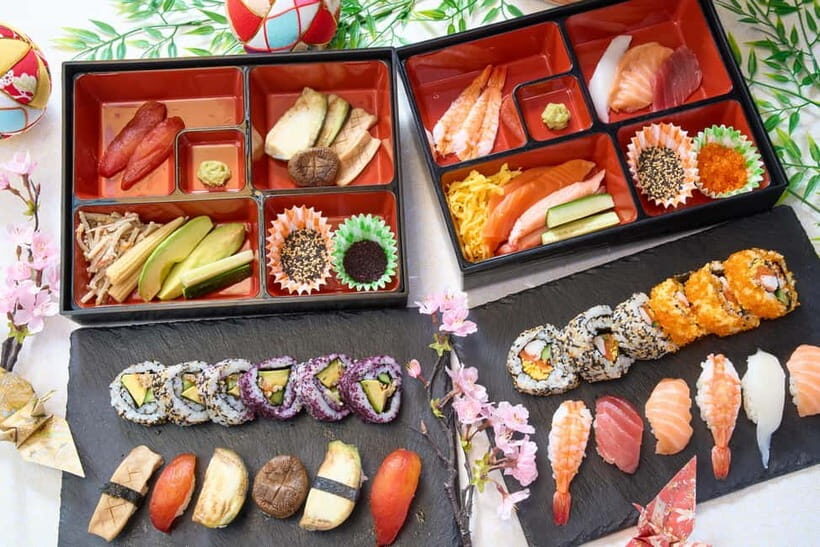
- Vegan/vegetarian/halal/gluten-free options are supported with advance notice
- You learn two sushi styles: California rolls plus nigiri
- A friendly welcome quiz covers sushi history before you roll anything
- Local ingredients (vegetables like eggplant, mushroom, tomato, avocado) are used for plant-based sushi
- You eat what you make in a relaxed, clean studio setting
Why This Shibuya Sushi Class Works in the Middle of Tokyo
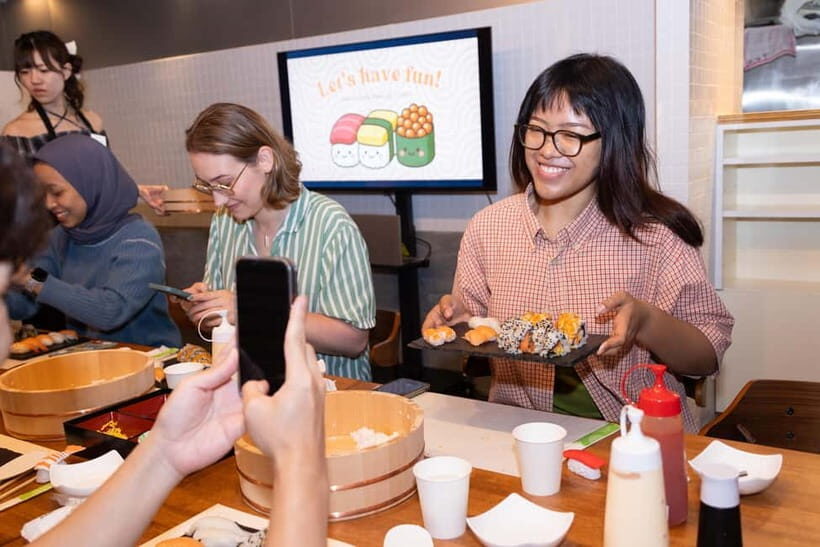
Shibuya is the kind of place where you can accidentally spend an entire day just getting around. This class gives you a simple plan you can follow: you show up, you cook, and you get a meal out of it. It’s a hands-on way to connect with Japanese food culture without needing serious kitchen skills first.
What makes this experience feel practical is the focus on technique, not performance. You’ll be guided through the stuff that usually trips people up—how to handle ingredients, how to roll, and how to shape nigiri. The instructors are English-speaking, and from the tone in the room you can expect a patient, friendly vibe rather than a strict, take-it-or-leave-it attitude. That matters in a foreign language setting, especially when you’re learning knife-free prep and sushi assembly.
It also helps that the class is designed for different diets. Vegan, vegetarian, halal-friendly, and gluten-free (normal gluten-free) options are available, as long as you note your preferences when booking. If you’re used to ordering around dietary restrictions while traveling, this kind of setup can feel like relief.
A few more Tokyo tours and experiences worth a look
The 15-Minute Warm-Up: Sushi History Quiz Before You Cook
Before the hands-on part, you get a short quiz about the history of sushi. Think of it as a warm-up that makes the rest of the class make more sense. Instead of treating sushi as just a trendy roll, you get context for why different forms became popular in Japan and how people started thinking about sushi as something you can shape and share.
This quiz also breaks the ice fast. You’ll be in the same room as other participants, and the quiz format helps everyone feel comfortable quickly—especially if you’re solo. In the feedback, people consistently point out that the history was explained in a fun way, not like a boring lecture.
Even if you already know a few sushi facts, you’ll probably learn something small and useful. Little context like this tends to stick better once you’re actually making food with your hands.
Hands-On Part 1: Making Vegan and Vegetarian California Rolls
The main cooking section is where the class earns its value. You don’t just assemble one item—you learn a structured process for building a classic roll, then you practice enough to end up with something you can be proud of.
For the California rolls, plant-based substitutions are the core of the experience. The ingredients for vegan/vegetarian options can include vegetables like eggplant, mushroom, tomato, and avocado. That’s a practical mix because it gives you different textures—soft, firm, creamy, and juicy—so the roll still feels balanced even without fish.
What you’re really learning here is method:
- how to prep ingredients so they work inside the roll
- how to roll without making a mess
- how to aim for a clean shape, not a rushed one
Because the instructors are walking you through the steps in English, you’re not left guessing. That’s the key for beginners: you can focus on doing the steps correctly rather than decoding a menu of kitchen jargon.
Hands-On Part 2: Nigiri Shaping and What Makes It Look Right
Nigiri is the part many people assume requires expert skill. In reality, it comes down to a few technique points—rice handling, topping placement, and simple shaping.
During the class you’ll make nigiri, described as one of the most iconic foods in Japan. The teaching style seems to emphasize technique over speed. In feedback, people highlight clear tips and patient guidance, which is exactly what you want when you’re learning a new form and you’d rather not overthink it.
Even if your nigiri isn’t museum-perfect, the payoff is that you understand the logic. Nigiri is about proportion and placement. When rice and topping meet correctly, the whole thing looks intentional. You’ll also learn how to think about toppings as more than flavor—texture and shape matter too.
And yes, this is still a vegan/vegetarian/halal-friendly class. So the experience is about translating sushi ideas into plant-based builds without losing the sense of craft.
Diet-Friendly Options: Vegan, Halal, Vegetarian, and Gluten-Free (Normal)
One of the strongest reasons to book this class is that the diet options aren’t treated as an afterthought. The class can be customized for vegan, vegetarian, halal-friendly, and gluten-free options, and you’re asked to indicate dietary restrictions at booking.
Here’s how to make this work smoothly for you:
- If you’re vegan, make sure you’ve booked the vegan option (so you’re not surprised by what’s included).
- If you’re halal-friendly, clearly state your preference during booking so the instructor can prepare accordingly.
- If you need gluten-free, choose the gluten-free option in advance.
- Remember that menu changes can’t be accommodated on the day of the activity.
That last point matters. Sushi prep is timing-based, and ingredients are planned ahead. If you wait until the day of to change your mind about dietary needs, you may run into limitations.
The good news: people mention the staff being accommodating to dietary requirements and allergies. So you’re not just told what’s possible; you’re actually supported in making it happen.
A few more Tokyo tours and experiences worth a look



What You Actually Eat (and Why It Feels Like a Real Meal)
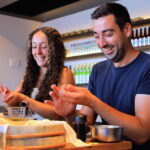
This isn’t a class where you leave hungry with only a few bites. After you make your sushi, you sit down and eat it. That turns the experience into a full Tokyo food stop, not just a cooking lesson.
You’ll also get a small moment to slow down and enjoy the results. Staff are happy to take photos of your sushi before you eat, so you can get a clean snapshot while your roll and nigiri are still looking good. Then you can focus on taste.
What I like about this setup is the feedback loop. Sushi-making is hard to judge until you try it. When you eat what you made, you immediately feel what worked—rice texture, topping balance, roll tightness—and you start understanding how sushi is built for flavor and mouthfeel, not just looks.
The class is set up in a comfortable space, and participants describe the studio as clean and welcoming. So even if you’re nervous about cooking, the room itself helps you relax.
The Instructors: Friendly, Patient, and Good at Teaching in English
A sushi class can go one of two ways: either it’s fun but vague, or it’s strict and leaves you with stress. Here, the teaching style seems consistently warm and clear.
You may work with instructors including Momoyo and Kaito, who are mentioned specifically. People note that these instructors explain steps well, make participants feel at ease, and hold conversations while guiding the class. That matters because it turns a cooking session into a cultural exchange without forcing you into formal performances.
Also, the welcome quiz and the way history is explained are part of the teaching rhythm. Instead of dumping facts, the instructors frame sushi history as something that helps you appreciate what you’re making right now.
If you’re worried that your cooking experience will be judged, you can let that go. The guidance is described as patient, and the overall mood seems relaxed enough that even beginners can follow along comfortably.
Shibuya Location and Timing: A Short Walk, Still Worth a Little Buffer
The studio is in the heart of Shibuya and is about a 7-minute walk from Shibuya Station. That’s close enough to fit into a busy Tokyo day, but far enough that you might want to plan a small buffer.
One helpful note: the meeting point can vary depending on the option booked. If you’re the type who likes to arrive early, do it. Even short walks can take longer if you’re navigating crowds, signage, and the sheer energy of Shibuya streets.
My practical advice: treat the class like a timed appointment. Give yourself extra time to find the studio, then show up ready to cook. Once you’re inside, the schedule runs smoothly.
Price and Value: Is $58 Worth 90 Minutes in Tokyo?
$58 for 90 minutes might sound like a lot until you break down what’s included. In this class, you’re paying for:
- an English-speaking instructor
- a welcome sushi history quiz
- fresh ingredients for vegan/vegetarian preparation
- cooking utensils and sushi-making tools
- guided practice for California rolls and nigiri
- dietary customization (vegan, vegetarian, halal-friendly, gluten-free) with advance notice
Then there’s the biggest value piece: you eat what you make. You’re not just paying for instruction; you’re leaving with food and a real skill you can repeat later.
In Tokyo, food classes can skew expensive, especially for short experiences. Here, the included ingredients and tools make it feel more like a complete meal-and-skills combo. You’re also getting a structured lesson plan with hands-on time, not a vague demonstration. For the price, that balance is why many people walk away calling it memorable and worth repeating.
Who This Class Is Best For (and Who Might Skip)
This class is a strong match if you:
- want a hands-on activity in Tokyo that doesn’t depend on advanced cooking skills
- need vegan, vegetarian, halal-friendly, or gluten-free options
- want an English-guided experience so you’re not figuring everything out alone
- like the idea of learning sushi technique you can recreate later
It also works well for solo travelers, couples, and anyone who just wants a food-focused activity that feels structured.
You might consider a different option if you:
- need to record audio during the class (audio recording isn’t allowed)
- expect to make last-minute changes to your menu choices on the day of the activity
Should You Book This Shibuya Vegan Sushi Making Class?
I’d book it if you want a Tokyo experience that’s practical, friendly, and genuinely meal-based. The combination of a sushi history warm-up, guided California rolls, and nigiri shaping makes it more than a one-roll novelty. Add diet-friendly customization and English support, and it becomes a class that fits real travel needs.
Book it soon if you know your dietary preferences ahead of time, since you’ll want the right option set. And give yourself a few extra minutes for the studio walk so you can arrive calm, not rushed.
FAQ
FAQ
How long is the sushi making class?
The class is 90 minutes.
Where is the meeting point?
The meeting point may vary depending on the option booked, but the studio is about a 7-minute walk from Shibuya Station.
What dietary options are available?
The class offers vegan, vegetarian, halal-friendly, and gluten-free options (normal).
What will I make during the class?
You’ll make California rolls and nigiri, with guidance from an English-speaking instructor.
Are ingredients provided?
Yes. Fresh ingredients are included, with vegetables such as eggplant, mushroom, tomato, and avocado used for vegan/vegetarian options.
Is there an English-speaking instructor?
Yes, the class includes an English-speaking local instructor.
Can I record audio during the class?
No. Audio recording is not allowed.
What if I want to change my menu or dietary needs on the day?
Menu changes cannot be accommodated on the day of the activity, so you should indicate your dietary restrictions when booking.