REVIEW · KYOTO
Taste of Nishiki Market Walking Food Tour with Local guide
Book on GetYourGuide →Operated by Cooking Sun · Bookable on GetYourGuide
Kyoto food is best learned by walking. This tour strings together temple quiet and market snacks so you understand both the taste and the place. I love the small-group pace and the way the tastings add up to a real shopping list for souvenirs. One drawback to consider: it is not suitable if you have mobility limitations, and the day is very much on foot with lots of tight, crowded spots.
You also get a guide who can steer you past the confusion and toward the right counter, not just point at food. I especially like how guides such as Kaoru and Rikka are described as personal and story-driven, with the energy to answer questions and recommend where to go next. The pace is designed to keep moving, though, so bring comfortable shoes and expect a lively stroll rather than a sit-down meal.
In This Review
- Key moments that make this tour worth it
- From Starbucks Karasuma to Rokkakudo Temple: start calm, then snack
- Yaoyaichi: seasonal market favorites you can follow up by shopping
- Daimaru basement stop: nikuman comfort food plus wagashi from long-time shops
- Nishiki Market walkthrough: Kyoto’s Kitchen, but with a real plan
- Nishiki Tenmangu Shrine finish: a quiet landing after the last snack
- How much food is 6–10 tastings, and is $77 good value?
- What to watch for: allergies, crowd control, and shoe choice
- Who should book this Kyoto food walk, and who should skip it
- Should you book Taste of Nishiki Market Walking Food Tour?
- FAQ
- How long is the Taste of Nishiki Market walking food tour?
- Where do I meet the guide?
- How many food tastings are included?
- What are some examples of what I might taste?
- Is the tour offered in English?
- Are there any dietary restrictions or allergies to consider?
- What should I bring, and what can’t I bring?
- Is the tour suitable for mobility impairments?
Key moments that make this tour worth it
- Rokkakudo Temple stop as a calm reset before the eating starts
- Yaoyaichi market tastings focused on seasonal ingredients and local favorites
- Daimaru basement food hall with classic Kyoto comfort foods like nikuman and sweets
- Nishiki Market walkthrough with smart navigation through a very crowded “kitchen”
- Nishiki Tenmangu Shrine ending gives you a peaceful landing point after the snacks
- 6–10 tasting samples that double as a practical guide to what to buy later
From Starbucks Karasuma to Rokkakudo Temple: start calm, then snack
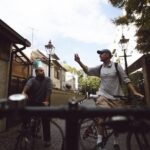
Your day begins at the Starbucks Kyoto Sanjo Karasuma Building (KDX Kyoto), meeting under the same big, easy-to-find structure most people use as a landmark. That matters in Kyoto. Streets look similar, signage can be confusing, and food tours work best when you get rolling quickly.
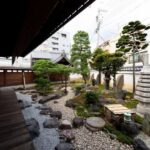
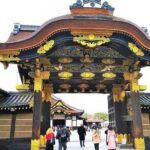
The first activity is Rokkakudo Temple. It’s a nice contrast to what comes next: you get a quiet beat before the noise of market crowds and department store lines. This calm start also helps you settle in so the later tastings feel purposeful, not rushed. You’re not just eating randomly; you’re learning the rhythm of the neighborhood—temple proximity, daily shopping, and street life all in one walk.
One smart part of the flow is pacing. You don’t jump straight into Nishiki Market at max density. You ease into it, then you “spend” that energy where it counts—at the stops designed for tasting and choosing what to buy.
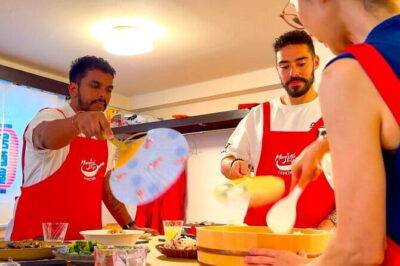
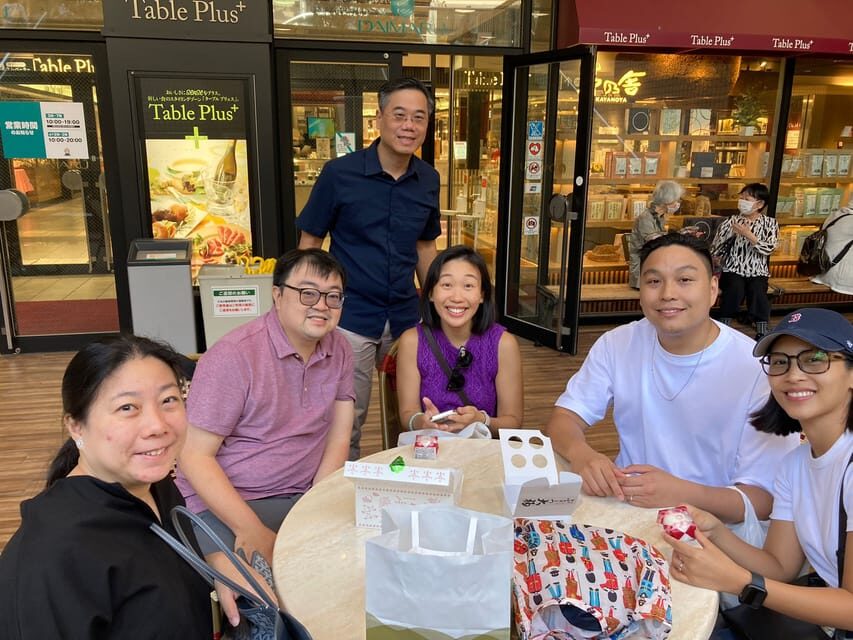
Also, with a small group limited to 6 participants, you’re less likely to get stuck behind a crowd. The guide can keep the group together and still answer questions without turning the tour into a stopwatch.
You can also read our reviews of more walking tours in Kyoto

Yaoyaichi: seasonal market favorites you can follow up by shopping
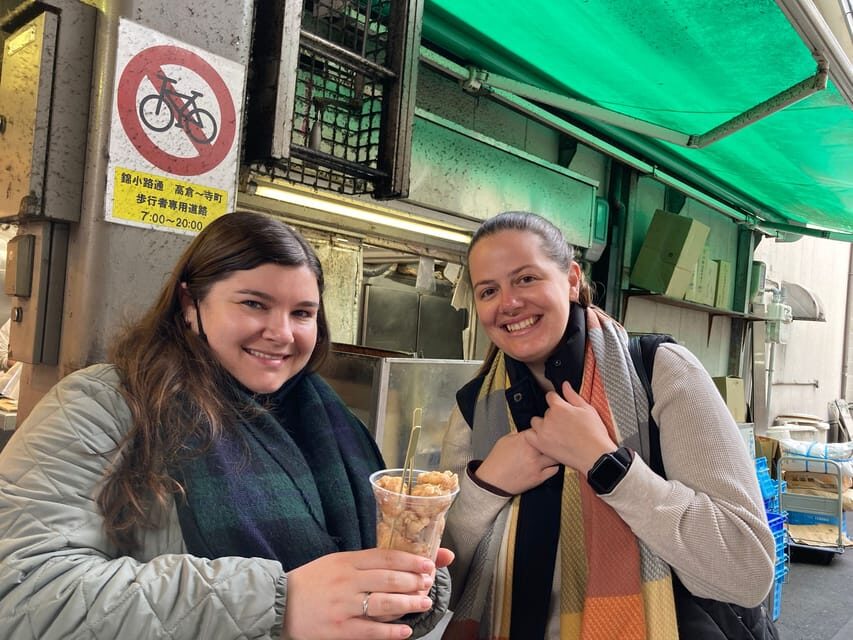
After the temple, you head to Yaoyaichi, a local market stop known for showing Kyoto’s seasonal produce and unique ingredients. This is where the tour starts doing something more useful than “try a snack, move on.” The tastings are meant to teach you what locals actually seek out when they shop.
One example of what you might sample here is bread that’s popular among Japanese locals. That detail is small, but it points to the bigger idea: you’re not limited to tourist-style sweets. You get a taste that feels like it belongs in everyday Kyoto, the kind of thing someone would buy on a normal day.
What I like from a practical standpoint is the way this stop sets your taste expectations. If a bread sample clicks, you’ll know what you’re looking for later when you see similar items. If you notice flavors you want more of—something savory, something lightly sweet—you can steer your souvenir shopping accordingly.
A fair caution: food availability can shift based on the day and participant preferences, so you might not get the exact same items every time. Still, the “seasonal market logic” stays the same.
Daimaru basement stop: nikuman comfort food plus wagashi from long-time shops
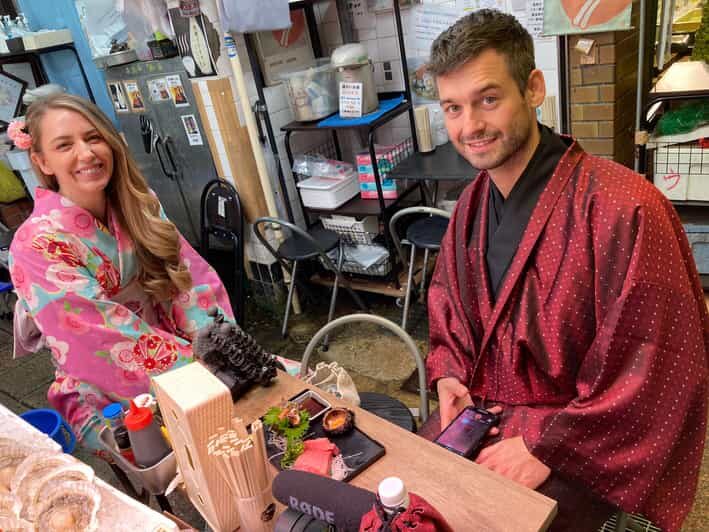
Next comes Daimaru Department Store’s basement, a classic Kyoto-style shortcut to a lot of great food in one place. Department store basements can feel overwhelming if you’re alone. On a guided walk, that pressure disappears because the guide points you to the right stalls and helps you understand what you’re eating.
This is also where the tour hits two Kyoto comfort-food categories at once: savory snacks and sweets. You might taste nikuman (meat buns), described as beloved by the local community. That’s exactly the kind of dish that travels well in your memory: warm, filling, and easy to understand even if you’ve never tried Japanese street-style buns.
Then the tour adds the sweetness side. You may sample wagashi from a centuries-old wagashi shop. That blend—bread and meat bun one moment, traditional confections the next—helps you see that Kyoto food isn’t only about one style. It’s a range: everyday hunger-satisfiers and carefully made sweets that reflect old craft.
This stop also serves a sneaky purpose: it teaches you what to buy as gifts. If you find wagashi flavors you like, you’ll know what to hunt for later in smaller shops. If nikuman is your thing, you can look for the same style elsewhere and not get stuck buying random fried snacks that don’t match what you tasted.
Nishiki Market walkthrough: Kyoto’s Kitchen, but with a real plan
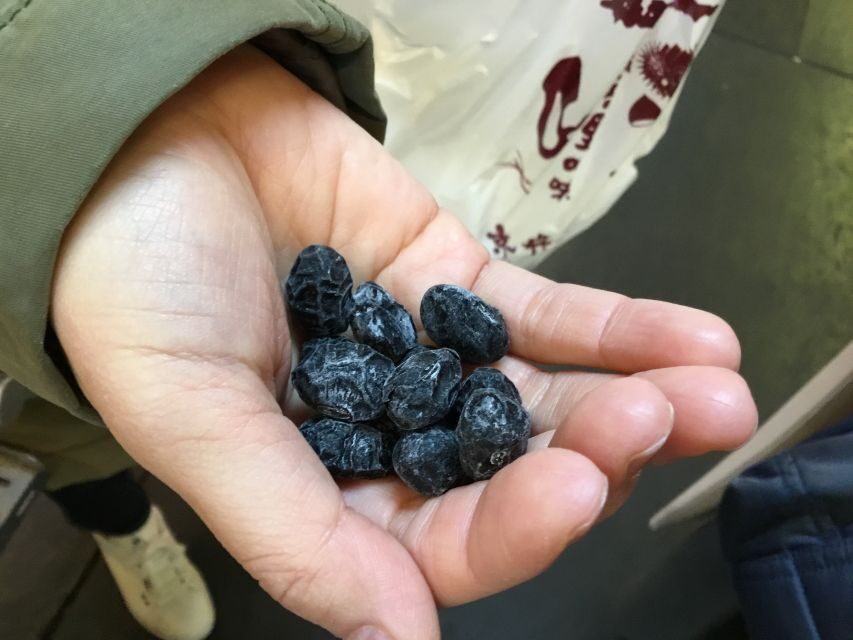
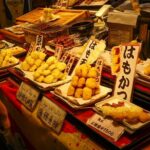
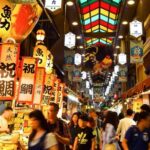
Nishiki Market is often called Kyoto’s Kitchen, and it earns that nickname. The street is packed with stalls selling everything from seafood to skewers to boxed sweets. But crowded markets can turn into sensory overload fast—especially if you’re searching for specific items without local context.
This tour gives you a plan. You don’t wander blindly. You pass through the market in a way that keeps you focused on tasting and learning, and you get suggestions along the way for what to try and what to skip.
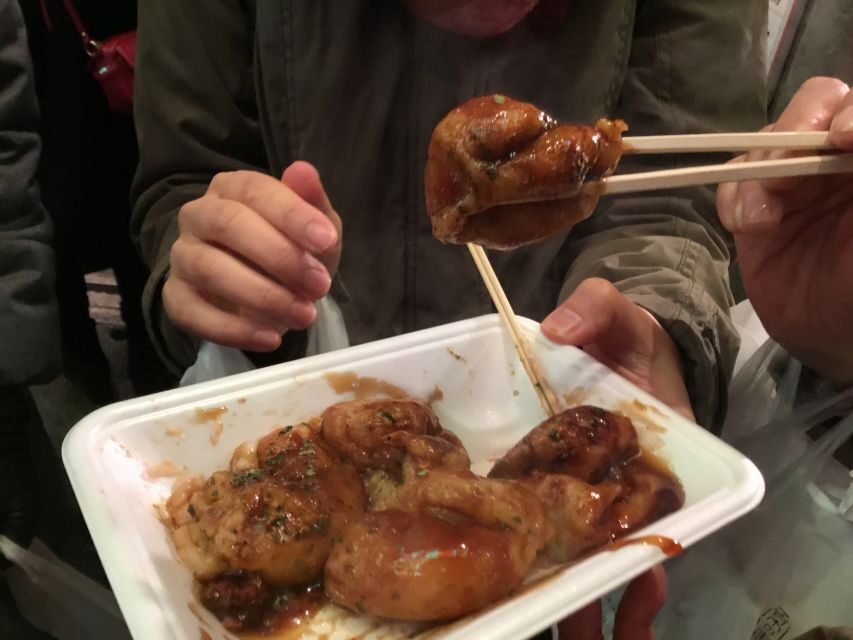
Example tastings at Nishiki include fresh specialties like sashimi and skewered wagyu beef. Even if you don’t eat seafood or beef, the important part is how your guide helps translate what you see. You start noticing textures, cooking styles, and packaging that you might otherwise miss.
One thing I really like about how this tour works in Nishiki is that it’s not just about eating. It’s also about learning what food sellers do and why. You’ll get time to understand how local foods are made, and that makes your souvenir shopping smarter. Instead of buying whatever looks best in a photo, you buy based on what you learned.
Also, the best versions of this tour emphasize the human side: guides such as Rikka are described as taking people to favorite stores and making the crowd feel manageable rather than stressful. If you want answers to questions—what something is, how it’s eaten, where to buy the good version later—this stop is the place to ask.
Practical note: Nishiki is crowded. You’ll want your attention forward, not staring at your phone.
Nishiki Tenmangu Shrine finish: a quiet landing after the last snack
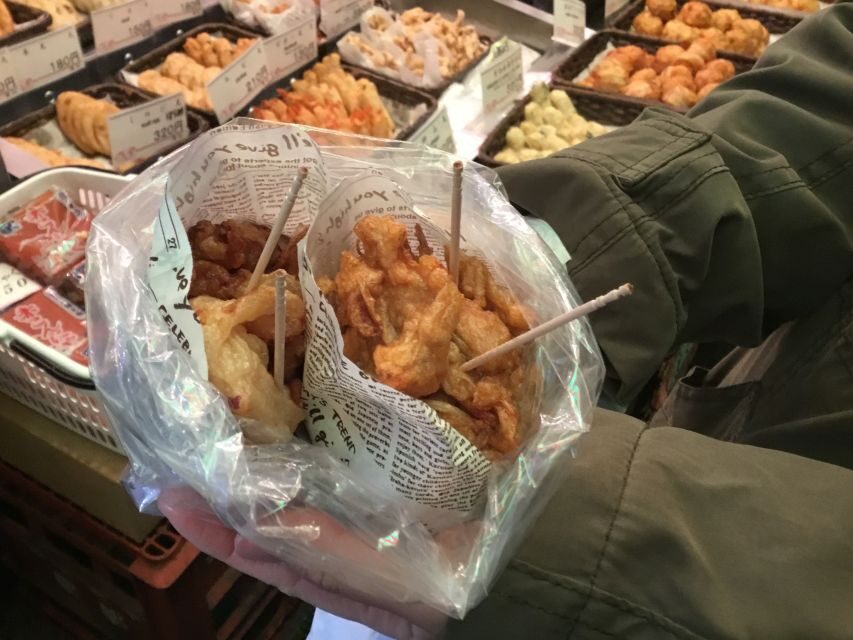
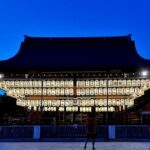
After the market portion, you end at Nishiki Tenmangu Shrine. This is a great choice for a food tour finish because it gives you a place to slow down and reset your senses.
By the time you arrive, your brain has had a workout: savory tastings, sweets, seafood examples, and snack comparisons all in a short span. A shrine stop gives you a gentle pause, not another noisy shopping street. It’s the kind of ending that makes the experience feel complete instead of like you just left a food hall.
It also helps you plan the rest of your day. When you finish at a calmer location, it’s easier to decide whether you want to explore nearby streets further, grab something else to drink, or head back toward your hotel.
You can also read our reviews of more food & drink experiences in Kyoto

How much food is 6–10 tastings, and is $77 good value?
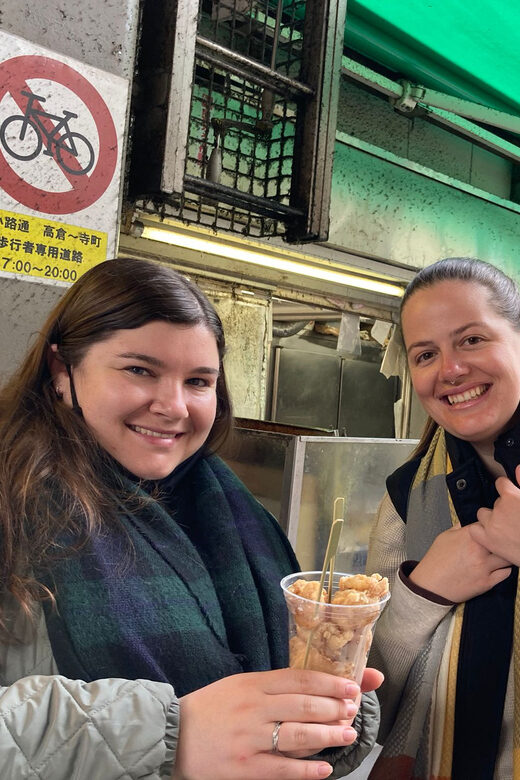
At $77 per person for about 3 hours, the price is less about a full meal and more about access: a guide, targeted stops, and a planned tasting route through places you might not navigate well alone.
The key value piece is the 6–10 local foods you sample. You’re not getting one small bite. You’re getting enough variety to understand a few different Kyoto food categories—market bread and seasonal ingredients, department store comfort foods like nikuman, traditional sweets like wagashi, and market specialties such as sashimi and skewered beef.
That variety matters for decision-making later. If you learn what you like here, you can buy confidently back on your own. If you hate a flavor style, you’ll avoid repeating it at souvenir shops.
Group size also supports value. With only up to 6 participants, your guide can spend time explaining and helping you choose. That’s hard to get on bigger tours where you’re mostly herded from stall to stall.
One more value point: the tour isn’t a food court loop. You’re also combining a temple visit and a shrine finish. That keeps it from feeling like pure consumption, and it gives context to the food.
So, if you want a guided path through Kyoto’s best-known food streets and you enjoy sampling enough to guide your shopping, the price often feels fair. If you only want a single meal experience with no walking and no crowded markets, you may want something else.
What to watch for: allergies, crowd control, and shoe choice
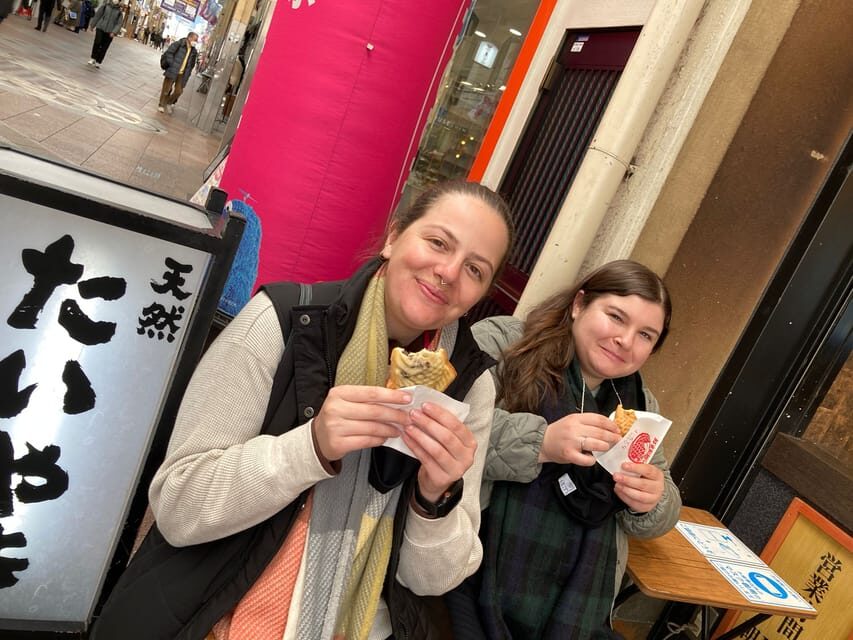
This tour includes tastings that may contain meat, seafood, wheat, and dairy. If you have allergies or dietary restrictions, you should contact the provider in advance to check what can be accommodated. Don’t assume Japan’s labels will match what you need, and don’t rely on a random “no problem” answer once you’re in the market.
Wear comfortable shoes. The route is mostly walking, and Nishiki Market is tight. Even if the tour is only 3 hours, your feet will remember it.
Also note what you cannot bring: no luggage or large bags. Keep your essentials small and easy to carry. That makes crowd navigation way smoother and keeps you from bumping into other people with awkward baggage.
Finally, this experience is not suitable for people with mobility impairments, based on the walking and the kind of terrain you’ll encounter around markets and shops.
Who should book this Kyoto food walk, and who should skip it
This tour fits best if you:
- Want a guided route through Yaoyaichi, Daimaru’s basement, and Nishiki Market
- Like the idea of sampling multiple small foods rather than one big restaurant meal
- Enjoy learning from a local guide who can answer questions and recommend places
- Are planning to buy culinary souvenirs and want a shortlist of what to look for
It’s less ideal if you:
- Need step-free or mobility-friendly routes
- Expect a relaxed, sit-down dining experience the whole time
- Have strict dietary needs and haven’t confirmed accommodations in advance
- Don’t like crowded streets and narrow market lanes
The best mindset is simple: come hungry, walk smart, ask questions, and treat the tastings like research for your Kyoto shopping.
Should you book Taste of Nishiki Market Walking Food Tour?
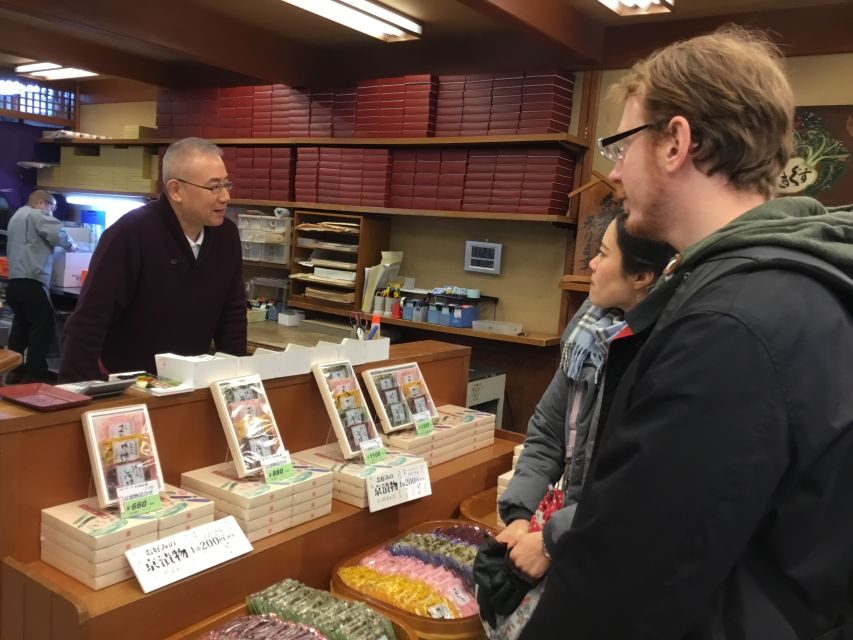
Yes, if you want a high-utility food experience: guided tastings, smart stopping points, and context from temples and local market culture. The combination of Rokkakudo Temple, Yaoyaichi, Daimaru basement, Nishiki Market, and the Nishiki Tenmangu Shrine ending makes it feel like more than a snack run. You leave with both flavors and ideas for what to buy after.
I’d skip it only if you’re mobility-limited, allergic with no confirmed accommodations, or you hate crowds. Nishiki Market is going to be busy. The tour works by giving you direction inside that busyness.
If your goal is to eat like a Kyoto shopper, not just a tourist, this one is a solid bet.
FAQ
How long is the Taste of Nishiki Market walking food tour?
It lasts about 3 hours, including the tasting stops and the walking between them.
Where do I meet the guide?
You meet at the Starbucks Coffee Kyoto Sanjo Karasuma Building (KDX Kyoto), located at Karasuma Building 1F.
How many food tastings are included?
You’ll sample 6–10 local foods during the tour.
What are some examples of what I might taste?
Examples include bread at Yaoyaichi, nikuman (meat buns) and wagashi at Daimaru, and items like sashimi and skewered wagyu beef at Nishiki Market. Specific items can vary.
Is the tour offered in English?
Yes, the tour guide speaks English.
Are there any dietary restrictions or allergies to consider?
Yes. The included tastings may include meat, seafood, wheat, and dairy. If you have allergies or dietary restrictions, you should contact the provider in advance.
What should I bring, and what can’t I bring?
Bring comfortable shoes. No luggage or large bags are allowed.
Is the tour suitable for mobility impairments?
No. It’s listed as not suitable for people with mobility impairments.
If you want, tell me your dietary needs and what kind of food you usually love (sweets, savory snacks, seafood, etc.), and I’ll help you decide if this route matches your style.