REVIEW · TOKYO
Tokyo Shibuya & Harajuku Walking tour With A Guide
Book on GetYourGuide →Operated by Guydeez Tours · Bookable on GetYourGuide
Crowds, fashion, and calm in one walk. This private Shibuya and Harajuku walk delivers Shibuya Crossing photo time and Hachiko nostalgia, with guides such as Sergio adding smart street-level context. You also get practical suggestions for what to do next, not just a route of stops.
One thing to think about: the whole experience is packed into 3 hours, so if you’re hoping for a long, detailed lesson on Japanese culture and religion, the Meiji Shrine portion is more of a guided reset than a deep history class.
In This Review
- Key Takeaways Before You Go
- Why This Walk Works: Shibuya + Harajuku in One Smart Loop
- Starting Near Shibuya Station: Get Oriented Fast
- Shibuya Crossing and Hachiko: The Icon That Actually Teaches You the City
- Center Gai Shopping Street: Where Shibuya Feels Like Shibuya
- Shibuya 109: Fashion as a Destination, Not a Background
- Cat Street and the Trip Toward Harajuku’s Fringe
- Ura-Harajuku (Ura-Hara): The Alternative Scene Gets Real
- Takeshita Street: The Photo-Chasing Lane (How to Enjoy It)
- Harajuku Area at Street Level: Youth Culture Beyond the Labels
- Omotesando Avenue: When Tokyo Gets Polished
- Meiji Shrine Approach: A Calm Break That Changes the Pace
- Price and Value: Is $53 Worth a Private Guide?
- What Kind of Traveler Should Book This?
- Should You Book This Shibuya and Harajuku Walking Tour?
- FAQ
- How long is the tour?
- Is this tour private and exclusive?
- Where does the tour start?
- What languages are available for the live guide?
- Do I need to pay extra for food or drinks?
- Does the tour include public transport?
- Is the tour wheelchair accessible?
- How much does the tour cost?
- What are the cancellation rules and payment options?
Key Takeaways Before You Go
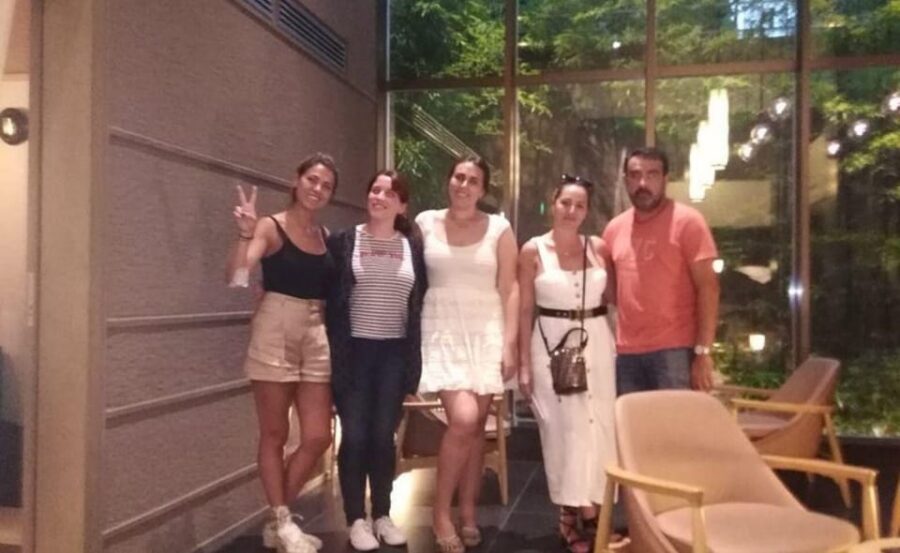
- Private and exclusive: you won’t share the walk with other groups, so you can ask questions and move at your pace.
- Street-to-street fashion logic: Shibuya 109, Cat Street, Ura-Harajuku, and Takeshita Street each feel different for a reason.
- Photo-friendly planning: photo stops are built into the flow, so you’re not constantly stopping and slowing everyone down.
- A contrast that works: you bounce from youth-style streets to Omotesando polish, then end with a calmer Meiji Shrine approach.
- Language options: English, French, Italian, Spanish, and Portuguese are available depending on the guide.
Why This Walk Works: Shibuya + Harajuku in One Smart Loop
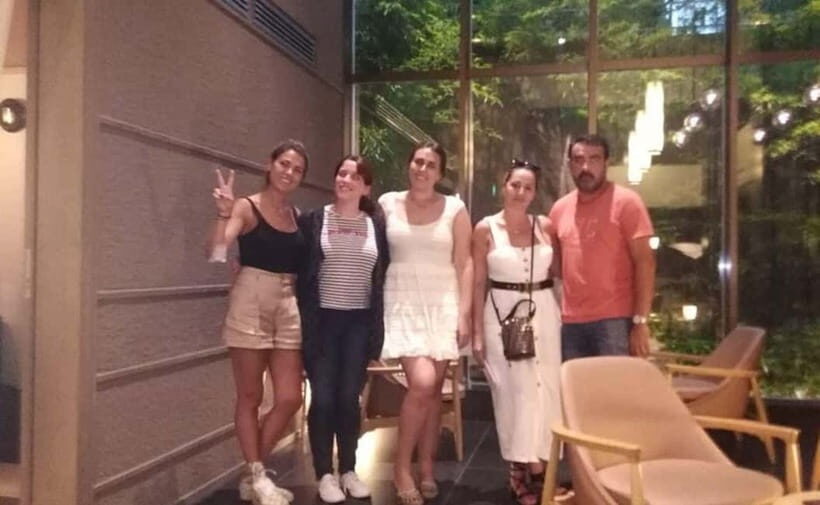
Tokyo can overwhelm fast. Big intersections, dense crowds, and shopping streets that look the same until you notice the differences. That’s where a private guide helps. Instead of “walk and hope,” you get a plan built around the places you actually came for—and the in-between streets that make the day feel connected.
I like that the tour is private and flexible. You’re not stuck with a rigid checklist where you can’t ask what something is, how it fits into the neighborhood, or where to go next. Guides can also tailor the emphasis, especially if fashion is your main reason for being in Shibuya and Harajuku.
The best part is the built-in contrast. You’ll start in Shibuya’s high-energy zone, hit the youth fashion streets, then slow things down with Omotesando’s refined vibe and a brief stop at Meiji Shrine. It feels like two different Tokyo moods in one morning or afternoon.
You can also read our reviews of more walking tours in Tokyo

Starting Near Shibuya Station: Get Oriented Fast

Most people arrive in Tokyo through transit, and Shibuya Station is a perfect example. Even before you’re deep into Harajuku, you’ll be working with a “real Tokyo” starting point: trains, crowds, and quick turns in every direction.
Your exact meeting spot can vary based on the option you booked, with starting points listed around Shibuya (including Dolce Shibuya at Hashimoto Bldg.). Either way, the goal is the same: get your bearings quickly and start seeing how neighborhoods connect.
If you’re the type who wants a map in your head (not just your phone), this start matters. The guide helps connect the dots so the day doesn’t feel like a series of random photo stops.
Shibuya Crossing and Hachiko: The Icon That Actually Teaches You the City
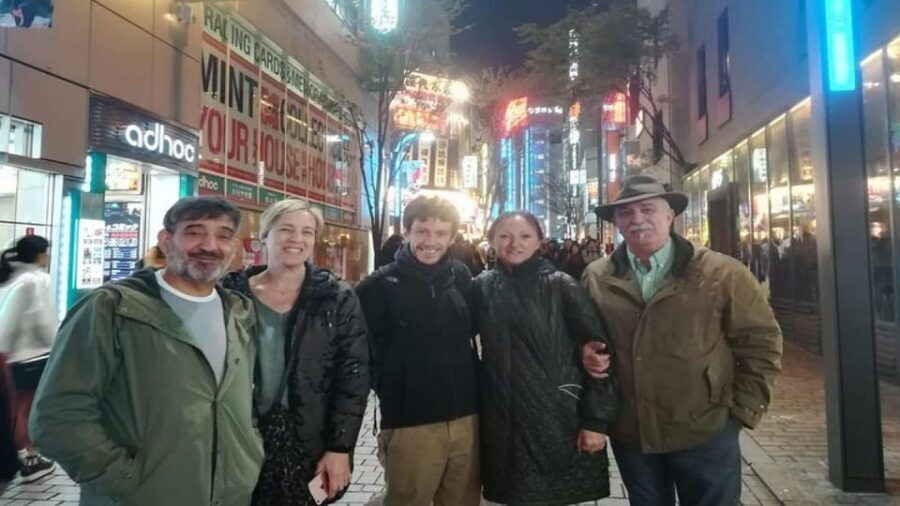
Yes, Shibuya Crossing is famous. That’s the point. But there’s a difference between seeing it in a video and standing near it while the whole crowd moves as one. The guide helps you understand what you’re looking at—how people flow through the intersection and how the area around it is shaped by that constant movement.
Right nearby, you’ll also get time for the Hachiko Statue. This isn’t just a photo moment. It’s a landmark that gives Shibuya a human anchor. When you’re surrounded by skyscrapers and shopping signs, it helps to have one meaningful reference point to return to.
This pair—crossing chaos plus Hachiko as a calm anchor—sets the tone for the rest of the walk. You’re not just chasing sights. You’re learning how Shibuya organizes itself around people, time, and movement.
Center Gai Shopping Street: Where Shibuya Feels Like Shibuya
After the headline intersection, you move into Center Gai, a classic Shibuya shopping street. This is where the tour becomes more than sightseeing. Center Gai gives you the feel of everyday street life—bright signage, foot traffic, and the kind of shops you’d walk past quickly if you didn’t have someone to point them out.
A good local guide will also help you see what’s worth your time. In neighborhoods like this, you can burn an hour “window-shopping” that doesn’t lead anywhere. With a guide, you can spend your energy on the spots that match your interests—fashion, photo spots, or just the street atmosphere.
Keep an eye on how the street changes as you walk. That’s one of the subtle lessons of Shibuya: it can feel chaotic at first, but it has clear local rhythms.
Shibuya 109: Fashion as a Destination, Not a Background
Next up is Shibuya 109, a major fashion hub that’s hard to miss once you know where to look. The tour includes a visit there and time to see what’s on display across floors.
Why does this stop matter? Because it helps you understand what “fashion culture” means in this area. Instead of treating Harajuku as the only youth-fashion zone, you’ll learn that Shibuya is just as serious about style—just with a different attitude.
Here’s how I’d use this stop if you want maximum value: use the guide to interpret what you’re seeing. Ask questions like which styles people are chasing right now, and what kind of stores you should prioritize if you like street looks. The guide can also share advice for other places to go that fit your taste.
And yes, it’s often busy. Having a guide cuts down the wandering and helps you move through without losing your group.
You can also read our reviews of more guided tours in Tokyo



Cat Street and the Trip Toward Harajuku’s Fringe
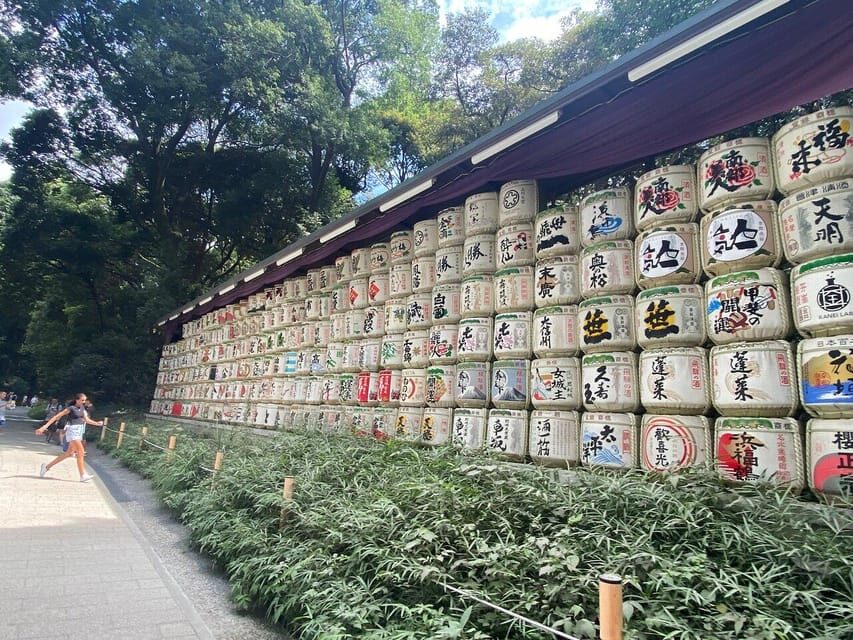
Once you shift from Shibuya proper toward Harajuku, you’ll move along Cat Street, a connection known for indie boutiques and street art. This stretch is where Tokyo starts to feel more creative and less corporate.
Cat Street is useful because it bridges the gap between the “big” fashion signage of Shibuya and the more experimental look of Harajuku’s side streets. You’ll get a sense of the in-between world—where style is curated by small storefronts, custom designs, and wall art that feels made for photos.
If you like street art, this is a good segment to slow down. Even if you aren’t buying anything, the visual details teach you how Harajuku culture creates identity at street level.
Ura-Harajuku (Ura-Hara): The Alternative Scene Gets Real
Then comes Ura-Harajuku, sometimes discussed as Ura-Hara—an area known for more unique shops and an alternative fashion mood. This is where I like to think of the tour as becoming more “local exploration” and less “tourist route.”
Unlike the loudest mainstream shopping blocks, Ura-Harajuku can feel like you’re walking into a more specific world—one that rewards curiosity. A guide helps here because you’ll be less tempted to drift aimlessly. You can aim for the right side streets, spend time in the shops that match the vibe, and skip the stuff that doesn’t interest you.
This part is also where the private format shines. If you see something that catches your eye, you can ask what it is and how the area connects to the bigger Harajuku story.
Takeshita Street: The Photo-Chasing Lane (How to Enjoy It)
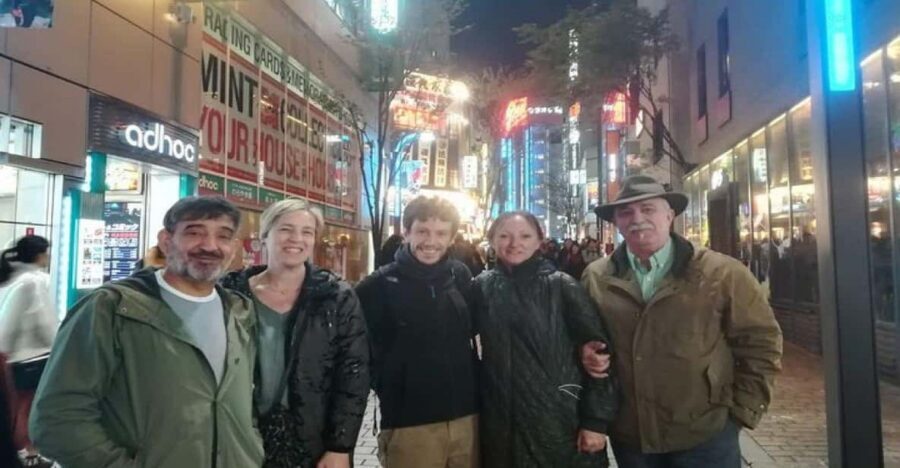
Takeshita Street is famous for a reason: it’s narrow, packed with quirky boutiques and trendy shops, and it moves fast. This is not the place for slow, careful browsing if that’s how you travel. It’s the place for quick hits and fun discovery.
What I like about having it on the tour is the timing and pacing. You get set photo stops, guided walking, and time to explore without your day turning into a bottleneck.
Here’s practical advice you can use: pick a few priorities before you go in. If you try to see everything, you’ll get decision fatigue and end up buying nothing just because you’re overwhelmed. With a guide, you can ask for suggestions that fit your style—so you spend time where it matters.
Also, because it’s narrow and lively, it’s smart to stay aware of your surroundings. The guide’s group management keeps things smoother than you’d manage alone.
Harajuku Area at Street Level: Youth Culture Beyond the Labels
The tour also includes time in Harajuku itself—so it’s not only about Takeshita. This gives the day more depth. You’ll start to notice how the vibe changes depending on which block you’re in, and how the area supports different kinds of style, from playful to alternative.
This stop can be a turning point. If you’ve been focusing mostly on shops, it’s a chance to switch your attention to the street itself: signage, small storefront details, and how people dress as a form of self-expression.
If you’re traveling as a couple, this is a nice balance too. One person can shop lightly while the other leans into photo spots and street scenes. The private format helps both of you feel like you’re getting what you came for.
Omotesando Avenue: When Tokyo Gets Polished
After the youth-fashion chaos, you’ll head toward Omotesando Avenue, known for an upscale feel and designer boutiques. This isn’t just a “pretty street.” It’s a contrast stop that makes the whole day click.
By now, you’ve seen Harajuku and Shibuya as style engines. Omotesando shows the other side: fashion and architecture as something designed, structured, and brand-forward. Even if you don’t shop, the street layout and atmosphere are worth experiencing because it changes how you perceive everything around you.
I also like this segment because it gives you breathing room. You can slow down, take a few more considered photos, and reset your eyes after the tighter streets.
Meiji Shrine Approach: A Calm Break That Changes the Pace
Near the end, the tour includes a brief detour to Meiji Shrine. You’ll get a photo stop, a guided tour, and time for walking in the approach area.
This is the perfect antidote to shopping-street overload. The key thing is not to expect it to replace a full shrine visit on its own. Instead, use it as a quiet palette cleanser. After hours of crowds and neon, the change in pace can feel genuinely refreshing.
If you want to be respectful (and you do), keep your voice down and watch your step. This place is popular, but it still rewards visitors who treat it like a moment of quiet rather than another photo challenge.
It’s also the part where guides often share broader context—how Shinto spaces shape daily life, how visitors behave, and what you should notice as you walk.
Price and Value: Is $53 Worth a Private Guide?
At $53 per person for a 3-hour private walking tour, I think this pricing sits in a sensible zone for Tokyo. You’re paying for three things that are hard to replicate alone: a local guide who can explain what you’re seeing, a planned flow that prevents wasted time, and help with navigating the neighborhoods without turning the day into a scavenger hunt.
You’re also getting more than basic sightseeing. The tour includes customization, and the guide will offer advice on other things to do. That matters because Tokyo is big. A good guide helps you choose what you’ll enjoy after the tour ends, which can make the total value feel much bigger than the tour price.
That said, the tour is still a walking-and-street style experience. Food and drinks aren’t included, so set aside your own meal budget. If you’re hoping for heavy cultural lecture time, you may feel the pacing is designed for walking and seeing rather than long storytelling.
What Kind of Traveler Should Book This?
This tour is a great fit if you want:
- A private way to see Shibuya and Harajuku without getting lost
- Street fashion context, not just names on a list
- Photo stops with walking structure, so you don’t spend the whole day stopped in the way
- A guide who can point you to next steps after the walk
It may be less ideal if you:
- Want an extended, in-depth focus on Japanese religious history
- Prefer long, unhurried museum time (this tour is built around streets)
- Need lots of frequent seating breaks (it’s a walking tour, and the route covers multiple areas)
One more practical point: the tour is wheelchair accessible, which is a big plus if mobility support is part of your planning. As always, confirm what you need with the operator for your exact route and walking level.
Should You Book This Shibuya and Harajuku Walking Tour?
If you’re excited by street fashion, iconic landmarks, and the idea of comparing Shibuya chaos with Harajuku’s alternative energy, I’d book it. The private format is the difference-maker. It turns a crowded part of Tokyo into a day you can actually manage.
I’d especially choose this tour if you value guide-led tips—like where to go next, what to prioritize, and how to understand the places you’re photographing. Guides such as Sergio have stood out for competence and friendliness, and Teresa Calzone is noted for enthusiasm and making the experience feel easy and fun. You’re also not stuck with strangers in the same group, which helps you ask for what you want.
If your biggest goal is pure history and religion, then this should be one piece of your Tokyo plan, not your entire plan. Pair it with a separate, longer cultural visit. But for a first-time or style-focused day, this tour is a solid, well-paced way to get the highlights and keep moving.
FAQ
How long is the tour?
It lasts 3 hours.
Is this tour private and exclusive?
Yes. It is a private tour, and there will be no one else in your group.
Where does the tour start?
The meeting point may vary depending on the option booked. One listed option includes Dolce Shibuya in Hashimoto Bldg., and the tour also starts around Shibuya Station.
What languages are available for the live guide?
The guide is available in English, French, Italian, Spanish, and Portuguese.
Do I need to pay extra for food or drinks?
Yes. Drinks or food are not included.
Does the tour include public transport?
It includes a walking tour and public transport, except if you select one of the options. In any case, it’s mainly designed as a walking experience.
Is the tour wheelchair accessible?
Yes, it is listed as wheelchair accessible.
How much does the tour cost?
The price is $53 per person.
What are the cancellation rules and payment options?
You can cancel up to 24 hours in advance for a full refund. It also offers a reserve now & pay later option.